Turkey Removes Import Tariffs on Urea and Other Fertilizers
Author
Date Published
Reading Time
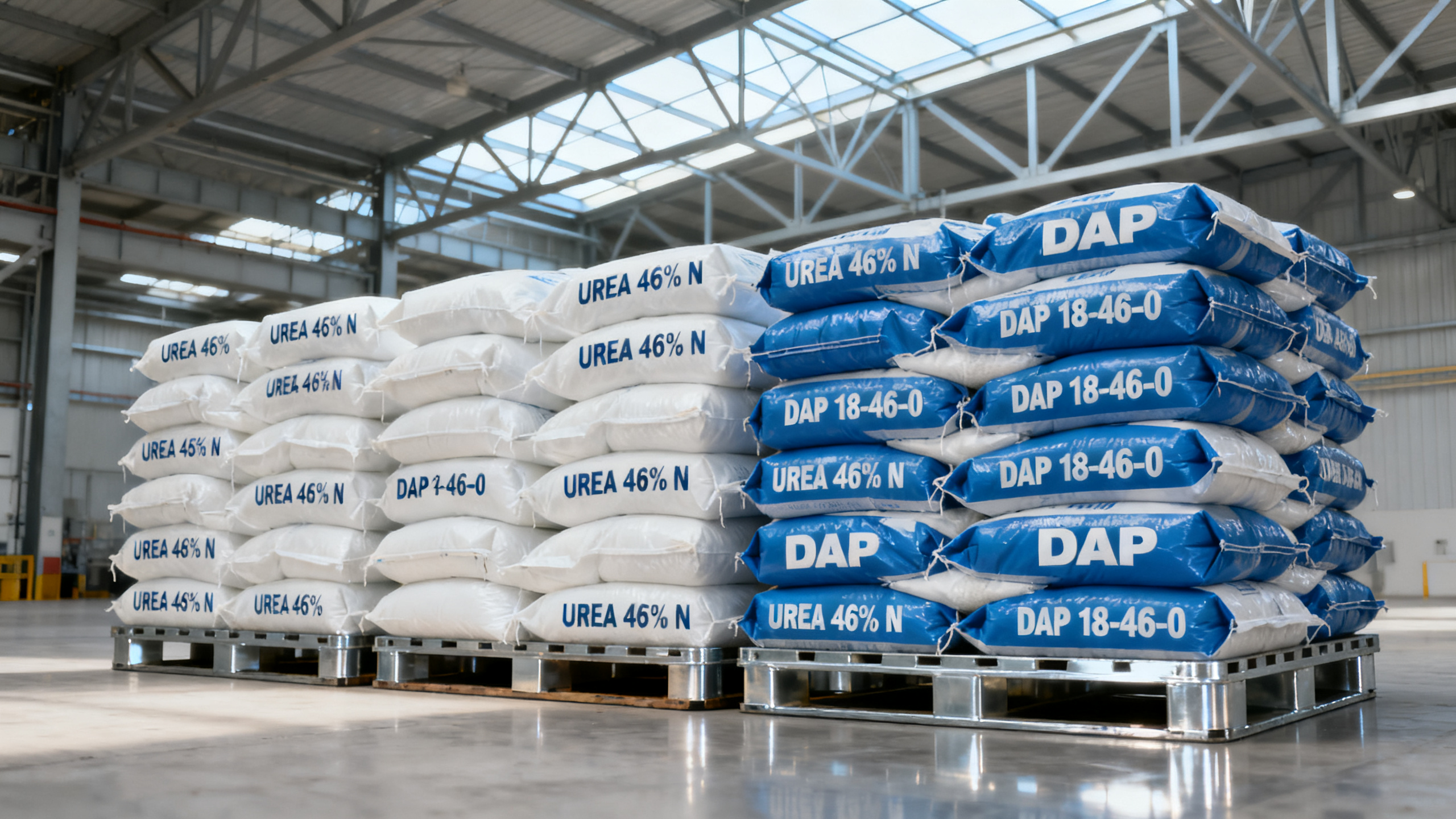
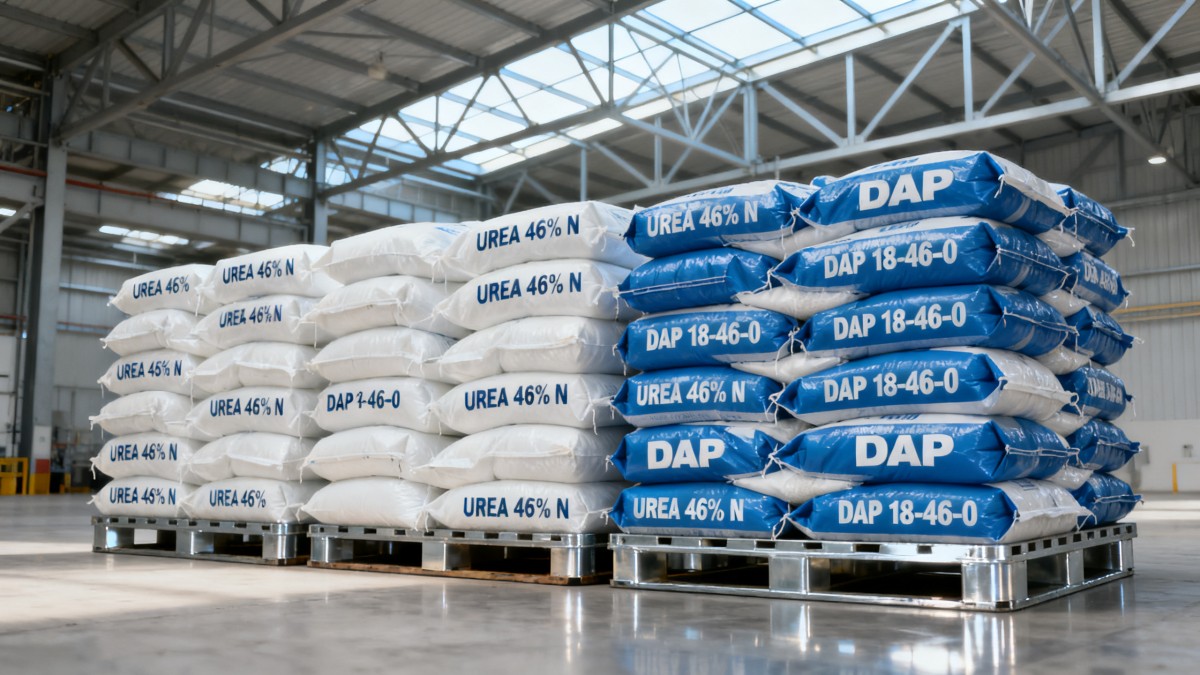
Turkey’s Ministry of Treasury and Finance announced on May 22, 2026, the immediate removal of import tariffs on urea, diammonium phosphate (DAP), and other fertilizers. This measure targets agricultural input cost stabilization—and indirectly eases upstream raw material procurement pressure for Chinese manufacturers of industrial water treatment chemicals, particularly those producing nitritation inhibitors and phosphorus-based scale inhibitors. Industry stakeholders in chemical trade, formulation, and export logistics should monitor implications for pricing, sourcing, and supply chain planning.
Event Overview
On May 22, 2026, Turkey’s Ministry of Treasury and Finance issued an official notice confirming the elimination of import duties on urea, diammonium phosphate (DAP), and related fertilizer products, effective immediately. The stated objective is to moderate domestic agricultural production costs. No further implementation timelines, product scope exclusions, or tariff reinstatement clauses were disclosed in the initial announcement.
Industries Affected
Raw Material Procurement Enterprises
Companies sourcing urea or DAP from Turkey—or via Turkish-origin intermediaries—for use in industrial water treatment chemical synthesis are directly affected. Lower import tariffs reduce landed cost for these inputs, potentially improving margin flexibility or enabling more competitive downstream pricing.
Industrial Water Treatment Chemical Manufacturers
Producers of nitritation inhibitors (often urea-derived) and phosphorus-based scale inhibitors (frequently formulated with phosphate salts) may see reduced raw material acquisition costs. The impact is most relevant for facilities relying on imported urea/DAP rather than domestically sourced alternatives, especially where Turkish-sourced material already forms part of the supply mix.
Export-Oriented Trading Companies
Chinese exporters quoting FOB prices for industrial water treatment chemicals—including those containing urea- or phosphate-based actives—may adjust quotations starting June 2026. The announcement cites a projected 2%–4% reduction in FOB pricing, contingent on actual procurement cost pass-through and order timing.
Key Considerations and Recommended Actions for Relevant Enterprises
Monitor official Turkish customs updates and tariff schedule revisions
Confirm whether the tariff removal applies uniformly across all HS codes for urea (e.g., 3102.10) and DAP (e.g., 3105.30), and whether any administrative conditions—such as import licensing or quality certification—have been introduced alongside the duty change.
Assess current procurement routes and cost benchmarks
Compare landed cost projections for Turkish-sourced urea/DAP against existing suppliers (e.g., Russia, Middle East, or domestic producers), factoring in lead time, payment terms, and logistics reliability—not just headline tariff rates.
Distinguish policy announcement from commercial execution
The tariff removal is effective as of May 22, 2026, but actual cost savings depend on purchase timing, contract terms, and inventory turnover cycles. FOB price adjustments cited (2%–4%) are forward-looking estimates—not guaranteed outcomes—and require verification against real-time transaction data from June onward.
Review and update internal quotation templates and contract clauses
For exporters preparing new offers or renewing contracts in Q2 2026, consider incorporating flexible pricing language referencing raw material cost indices—or flagging potential adjustments if tariff-driven cost reductions do not materialize as anticipated.
Editorial Perspective / Industry Observation
Observably, this policy shift functions primarily as a near-term cost signal—not yet a realized market outcome. While the tariff removal lowers a formal barrier to Turkish fertilizer imports, its practical effect on Chinese industrial chemical producers hinges on logistical feasibility, supplier willingness to redirect flows, and inventory positioning across the value chain. Analysis shows that the 2%–4% FOB adjustment projection reflects a supply-chain lag estimate, not an automatic price reset. From an industry perspective, this development is better understood as a modest relief valve for input cost volatility—rather than a structural shift in global fertilizer or water treatment chemical trade dynamics.
Conclusion: The tariff removal introduces a measurable, though limited, downward pressure on select upstream inputs for industrial water treatment chemical manufacturing. Its significance lies less in magnitude and more in timing: it arrives amid broader global fertilizer price corrections and tightening working capital conditions for exporters. Currently, it is more appropriately interpreted as a tactical procurement opportunity—rather than a strategic inflection point—for affected enterprises.
Source Disclosure: Primary source is the official notice published by Turkey’s Ministry of Treasury and Finance on May 22, 2026. The projected 2%–4% FOB price adjustment is cited in the same announcement. Ongoing observation is warranted regarding actual implementation fidelity, customs enforcement practices, and commercial uptake—none of which have been independently verified beyond the initial release.
Technical Specifications
- How to Select Electronic Hotel Key Card Locks for Guest Rooms and Staff AreasAuthor :Safety Compliance Lead
- How to Select Lab Instruments for Reliable Chemical Analysis WorkflowsAuthor :Precision Metrology Expert
- How to Size a UPS for Server Rooms: Load, Runtime, and Redundancy FactorsAuthor :Grid Infrastructure Analyst
Expert Insights

Chief Security Architect
Dr. Thorne specializes in the intersection of structural engineering and digital resilience. He has advised three G7 governments on industrial infrastructure security.
Related Analysis
- Sep 17, 2026How to Select Electronic Hotel Key Card Locks for Guest Rooms and Staff AreasAuthor :Safety Compliance Lead
- Sep 16, 2026How to Select Lab Instruments for Reliable Chemical Analysis WorkflowsAuthor :Precision Metrology Expert
- Sep 15, 2026How to Size a UPS for Server Rooms: Load, Runtime, and Redundancy FactorsAuthor :Grid Infrastructure Analyst
Core Sector // 01
Security & Safety
- How to Size a Wafer Butterfly Valve for HVAC Chilled-Water and Heating LoopsAuthor :Environmental Engineering Director

- How Pressure Class and Joint Design Affect Long-Term Performance of Ductile Iron Pipes in Drainage InfrastructureAuthor :Environmental Engineering Director

- How Ductile Iron Pipe Joints Affect Installation Reliability and Leak ControlAuthor :Environmental Engineering Director

- How to Size Effluent Treatment Equipment for Variable Industrial Wastewater LoadsAuthor :Environmental Engineering Director

- US Battery Push Raises New Entry Rules for SuppliersAuthor :Environmental Engineering Director

- EU EMC Rule Tightens for Water Treatment ExportsAuthor :Environmental Engineering Director

- EU REACH Restriction Targets PFAS Water Treatment ImportsAuthor :Environmental Engineering Director

- EU Mandates EN 14113:2026 for Water Treatment ExportsAuthor :Environmental Engineering Director