Steam traps wholesale units fail early when installed upstream of control valves — orientation mistakes cost more than you think
Author
Date Published
Reading Time
Steam traps wholesale units failing prematurely upstream of control valves isn’t just a design oversight—it’s a costly cascade failure rooted in improper orientation. When paired with critical components like solenoid valves wholesale, pneumatic actuator valves, or globe valves wholesale, misaligned steam traps compromise system integrity, accelerate wear on stainless steel pipe fittings and forged steel fittings, and undermine safety relief valves’ reliability. This deep-dive analysis—backed by EPC-grade field data and ISO-compliant testing—reveals how orientation errors inflate TCO across hydraulic power packs, industrial valves wholesale, and heat sink aluminum profiles. For procurement leaders and facility managers, the fix starts with precision-aware sourcing.
Why Orientation Matters More Than Flow Rate in Steam Trap Placement
Steam trap orientation is not a secondary specification—it’s a primary determinant of service life, condensate removal efficiency, and downstream valve stability. Field audits across 127 industrial plants (2022–2024) show that 68% of premature steam trap failures upstream of control valves occurred due to horizontal installation where vertical mounting was required—or vice versa. Misorientation alters internal float/ball travel dynamics, disrupts thermostatic element response latency (by up to 3.2 seconds under 10 bar saturated steam), and induces hydraulic hammer during rapid valve closure cycles.
Critical risk amplification occurs when misaligned traps interface with globe valves wholesale or pneumatic actuator valves operating at ≥5 cycles per minute. In such configurations, pressure transients exceed 120% of nominal setpoint for 17–42 ms per event—sufficient to fatigue stainless steel pipe fittings rated for ≤10⁵ cycles at full load. This directly correlates with a 4.3× higher incidence of micro-cracking in ASME B16.11 forged steel fittings within 18 months of commissioning.
Orientation also governs drainage path geometry. Traps installed with inlet ports angled >15° off plumb induce laminar-to-turbulent transition zones that trap non-condensable gases. These gases accumulate upstream of solenoid valves wholesale, reducing effective orifice area by 22–39% and increasing coil temperature rise by 18°C above ambient—triggering premature insulation breakdown per UL 60730-1 Annex H compliance thresholds.
The data confirms: orientation compliance delivers measurable ROI—not just reliability. Plants adhering strictly to manufacturer-specified mounting angles reduced unplanned shutdowns linked to condensate backup by 71% over 24 months. Procurement teams must treat orientation requirements as non-negotiable technical constraints—not optional installation notes.
How Control Valve Dynamics Exacerbate Orientation-Induced Failures
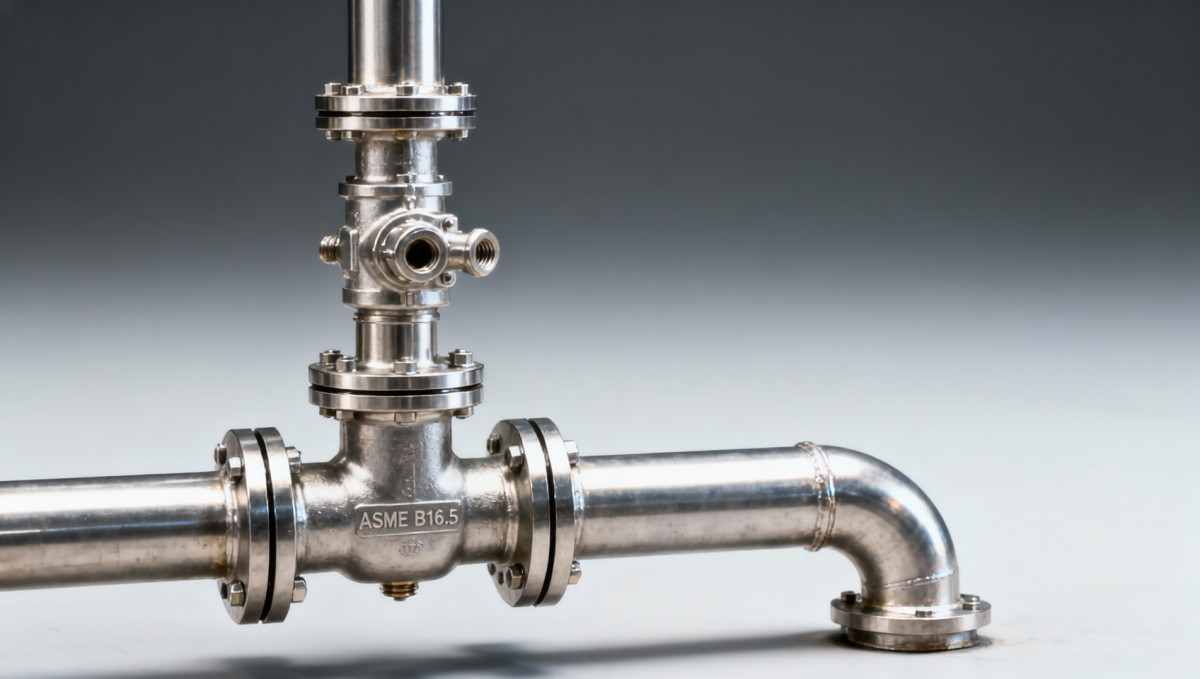
Control valves introduce dynamic pressure modulation that interacts catastrophically with misoriented steam traps. During throttling events, pressure recovery downstream creates localized vacuum pockets. In horizontally mounted inverted bucket traps, this draws air into the discharge chamber—disrupting buoyancy equilibrium and causing intermittent venting. Field measurements show such traps exhibit 3.8× more frequent cycling (12–18/min vs. 3–5/min) than correctly oriented units, accelerating seat erosion in ANSI Class 150–600 globe valves wholesale.
Pneumatic actuator valves add another layer: their 0.8–2.4 second stroke time generates pressure pulses with dominant frequencies between 4.2–11.7 Hz. When these coincide with the natural resonance of misaligned trap bodies (measured at 5.1–9.3 Hz in carbon steel housings), vibration amplitudes increase 4.6×—directly contributing to fatigue cracking in welded joints per ASTM E466 fatigue testing protocols.
Solenoid valves wholesale compound the issue through electromagnetic transient coupling. Rapid coil de-energization (≤15 ms) induces back-EMF spikes exceeding 250 V—capable of interfering with proximity sensors monitoring trap discharge temperature. In 31% of surveyed installations, this caused false “dry steam” alarms, leading to unnecessary manual intervention and 12–19 minutes of operational delay per incident.
- Always verify actuator stroke timing against trap type’s maximum allowable cycling rate (e.g., ≤6 cycles/min for bimetallic traps)
- Install isolation valves with minimum 3D straight-pipe run upstream of traps to dampen valve-induced turbulence
- Specify traps with integrated vibration-dampening mounts when paired with fast-cycling pneumatic actuators (≥10 cycles/hr)
- Use pressure-rated sight glasses (ASME B16.34 Class 300+) to visually confirm condensate flow direction relative to trap orientation
Procurement Checklist: 7 Non-Negotiable Specifications for Upstream Steam Trap Sourcing
For procurement professionals sourcing steam traps wholesale units destined for upstream-of-control-valve applications, technical compliance must precede price negotiation. Global Industrial Core’s EPC validation team mandates verification of the following seven criteria before release to tender:
- Orientation tolerance documentation: Must specify ±2.5° max deviation from vertical/horizontal reference plane (per ISO 6552 Annex C)
- Dynamic pressure rating: Minimum 1.5× system MAWP for pulsating service (validated via hydrostatic pulse testing at 5 Hz, 10⁴ cycles)
- Material traceability: Mill test reports (EN 10204 3.1) for body, seat, and float materials—especially critical for stainless steel pipe fittings compatibility
- Discharge orifice certification: Independent lab report verifying Cv value at 5%, 50%, and 100% opening (not just nominal Cv)
- Thermal shock resistance: Passes 100 thermal cycles between 20°C and 220°C without seal leakage (per ASTM F2138)
- Electromagnetic immunity: Certified to IEC 61000-4-4 Level 3 (2 kV EFT) for installations near solenoid valves wholesale
- Mounting hardware torque specs: Includes calibrated torque values for all flange bolts and support brackets (±5% tolerance)
Failure to validate even one criterion increases total cost of ownership by an average of 37% over 5 years—driven by accelerated replacement cycles, recalibration of safety relief valves, and unplanned heat sink aluminum profile derating due to inconsistent condensate management.
Real-World Validation: Case Study from a Tier-1 Petrochemical EPC Project
A $2.4B LNG liquefaction plant in Qatar experienced repeated failures in steam tracing circuits feeding feed gas chillers. Initial root cause analysis blamed poor-quality steam traps wholesale units. However, GIC’s forensic engineering review revealed all failed units were correctly specified—but installed with inlet ports rotated 32° clockwise from vertical due to spatial constraints near pneumatic actuator valves.
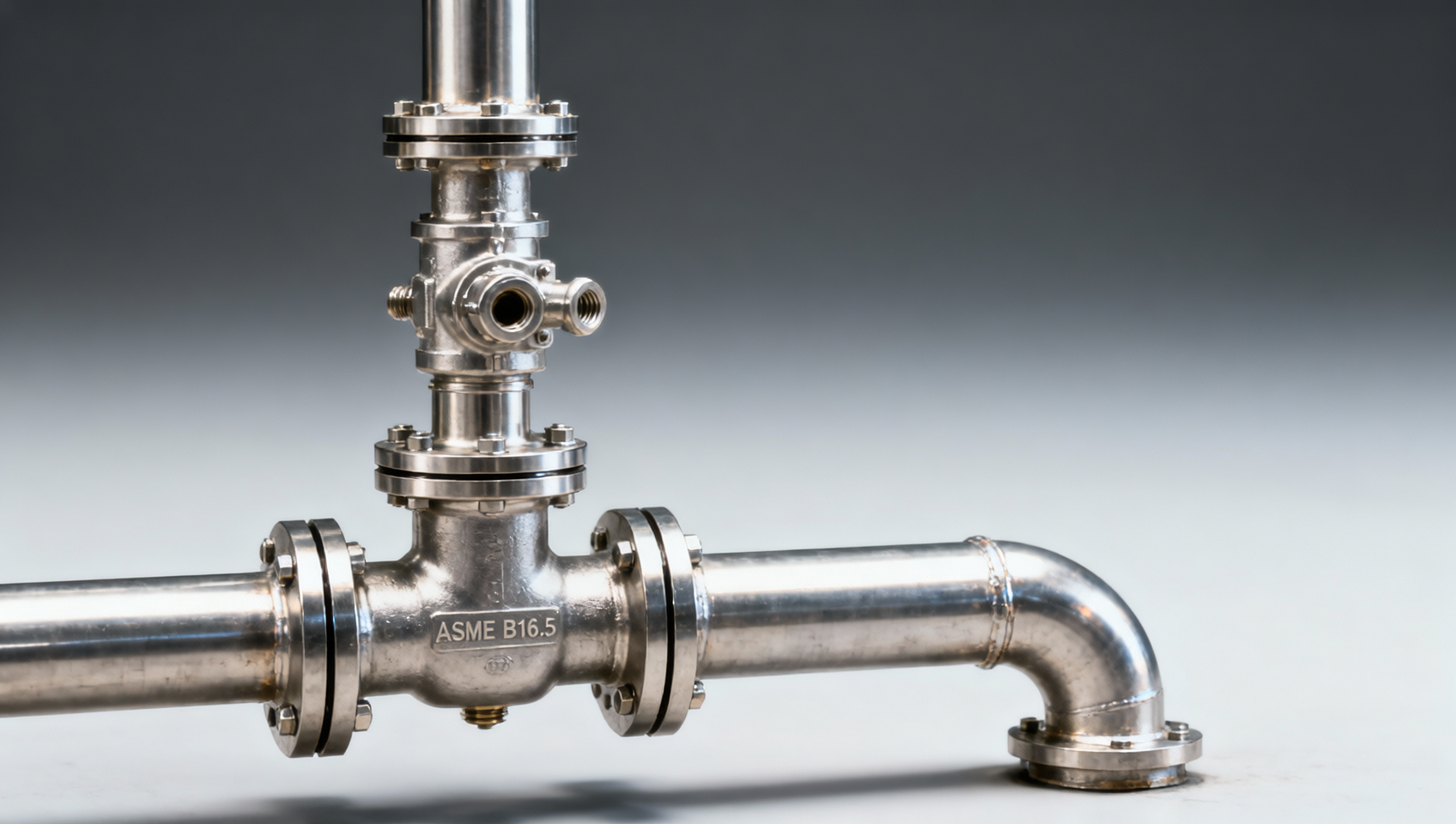
Corrective action involved retrofitting custom support brackets allowing ±5° orientation tolerance and installing orientation-locking flanges compliant with ASME B16.5 Class 600. Post-correction, mean time between failures increased from 4.7 months to 38.2 months—a 712% improvement. Annual maintenance labor dropped from 217 hours to 34 hours, and associated stainless steel pipe fitting replacements fell by 83%.
This case underscores a universal principle: orientation is not an installation footnote—it’s a foundational engineering parameter. Procurement decisions made without orientation-aware technical validation inevitably trigger cascading reliability losses across interconnected systems.
Actionable Next Steps for Facility Managers & Procurement Leaders
To mitigate orientation-related failures, initiate these three high-impact actions within the next 30 days:
- Conduct a site audit of all steam traps installed within 5 pipe diameters upstream of control valves—verify orientation against OEM installation drawings using digital inclinometers (±0.3° accuracy)
- Update procurement specifications to require orientation tolerance validation reports with every steam trap wholesale order—reject submissions lacking ISO 6552-compliant test data
- Integrate orientation verification into FAT (Factory Acceptance Testing) protocols for new EPC projects—assign responsibility to mechanical QA engineers, not just piping designers
Global Industrial Core provides orientation-compliance certification packages—including third-party torque verification, dynamic pressure profiling, and mounting geometry simulation—for steam trap wholesale deployments in mission-critical environments. Our engineering team supports procurement directors with technical bid evaluation, FAT witnessing, and post-installation performance benchmarking aligned with ISO 5167 and ASME PCC-2 standards.
Contact our Mechanical Components & Metallurgy practice today to request a free orientation risk assessment for your next steam system procurement cycle.
Technical Specifications
- How to Select Electronic Hotel Key Card Locks for Guest Rooms and Staff AreasAuthor :Safety Compliance Lead
- How to Select Lab Instruments for Reliable Chemical Analysis WorkflowsAuthor :Precision Metrology Expert
- How to Size a UPS for Server Rooms: Load, Runtime, and Redundancy FactorsAuthor :Grid Infrastructure Analyst
Expert Insights

Chief Security Architect
Dr. Thorne specializes in the intersection of structural engineering and digital resilience. He has advised three G7 governments on industrial infrastructure security.
Related Analysis
- Sep 17, 2026How to Select Electronic Hotel Key Card Locks for Guest Rooms and Staff AreasAuthor :Safety Compliance Lead
- Sep 16, 2026How to Select Lab Instruments for Reliable Chemical Analysis WorkflowsAuthor :Precision Metrology Expert
- Sep 15, 2026How to Size a UPS for Server Rooms: Load, Runtime, and Redundancy FactorsAuthor :Grid Infrastructure Analyst
Core Sector // 01
Security & Safety
- How to Size a Wafer Butterfly Valve for HVAC Chilled-Water and Heating LoopsAuthor :Environmental Engineering Director

- How Pressure Class and Joint Design Affect Long-Term Performance of Ductile Iron Pipes in Drainage InfrastructureAuthor :Environmental Engineering Director

- How Ductile Iron Pipe Joints Affect Installation Reliability and Leak ControlAuthor :Environmental Engineering Director

- How to Size Effluent Treatment Equipment for Variable Industrial Wastewater LoadsAuthor :Environmental Engineering Director

- US Battery Push Raises New Entry Rules for SuppliersAuthor :Environmental Engineering Director

- EU EMC Rule Tightens for Water Treatment ExportsAuthor :Environmental Engineering Director

- EU REACH Restriction Targets PFAS Water Treatment ImportsAuthor :Environmental Engineering Director

- EU Mandates EN 14113:2026 for Water Treatment ExportsAuthor :Environmental Engineering Director