Saudi Arabia Updates Washer Energy/Water Efficiency Standards
Author
Date Published
Reading Time
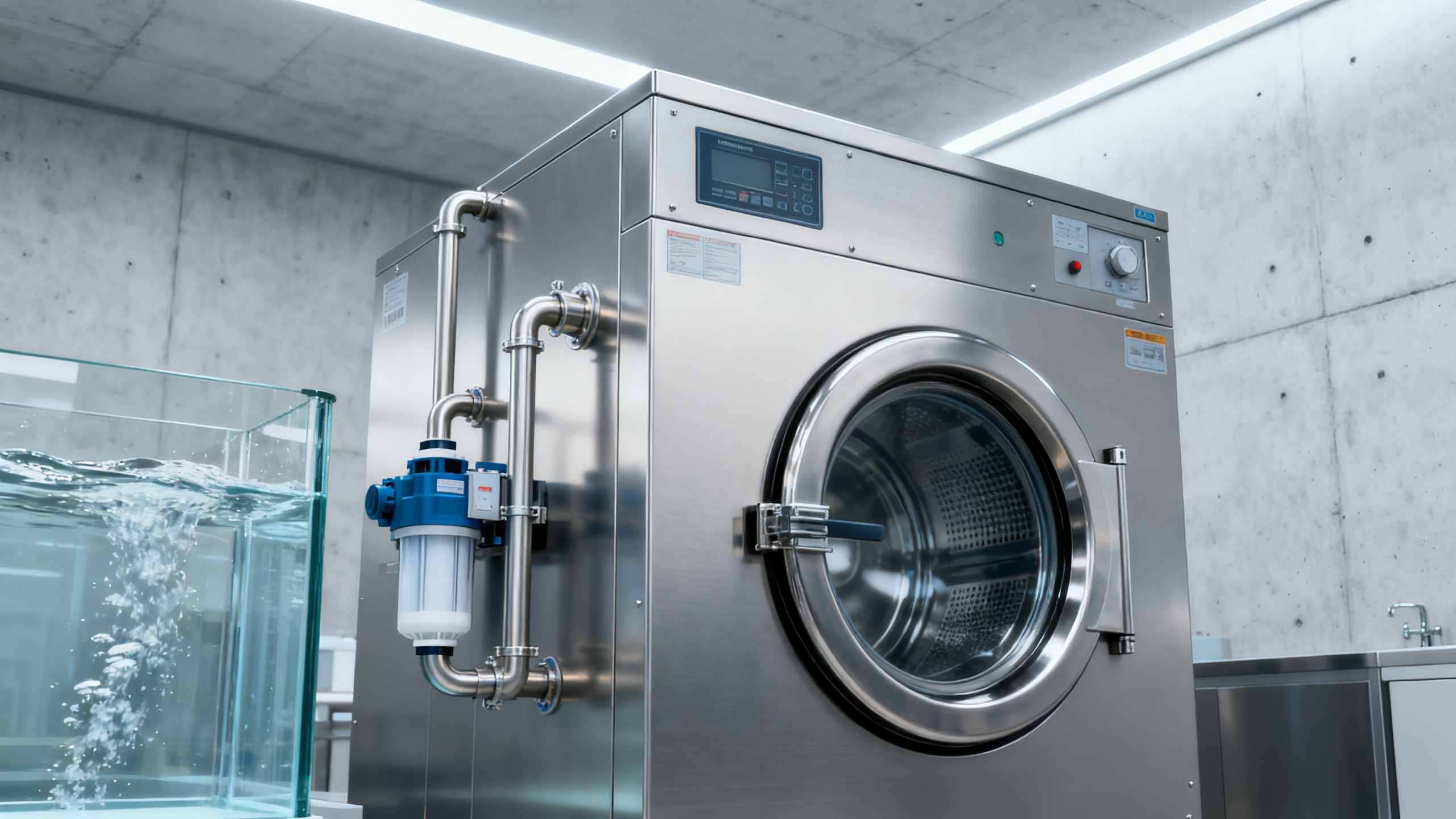
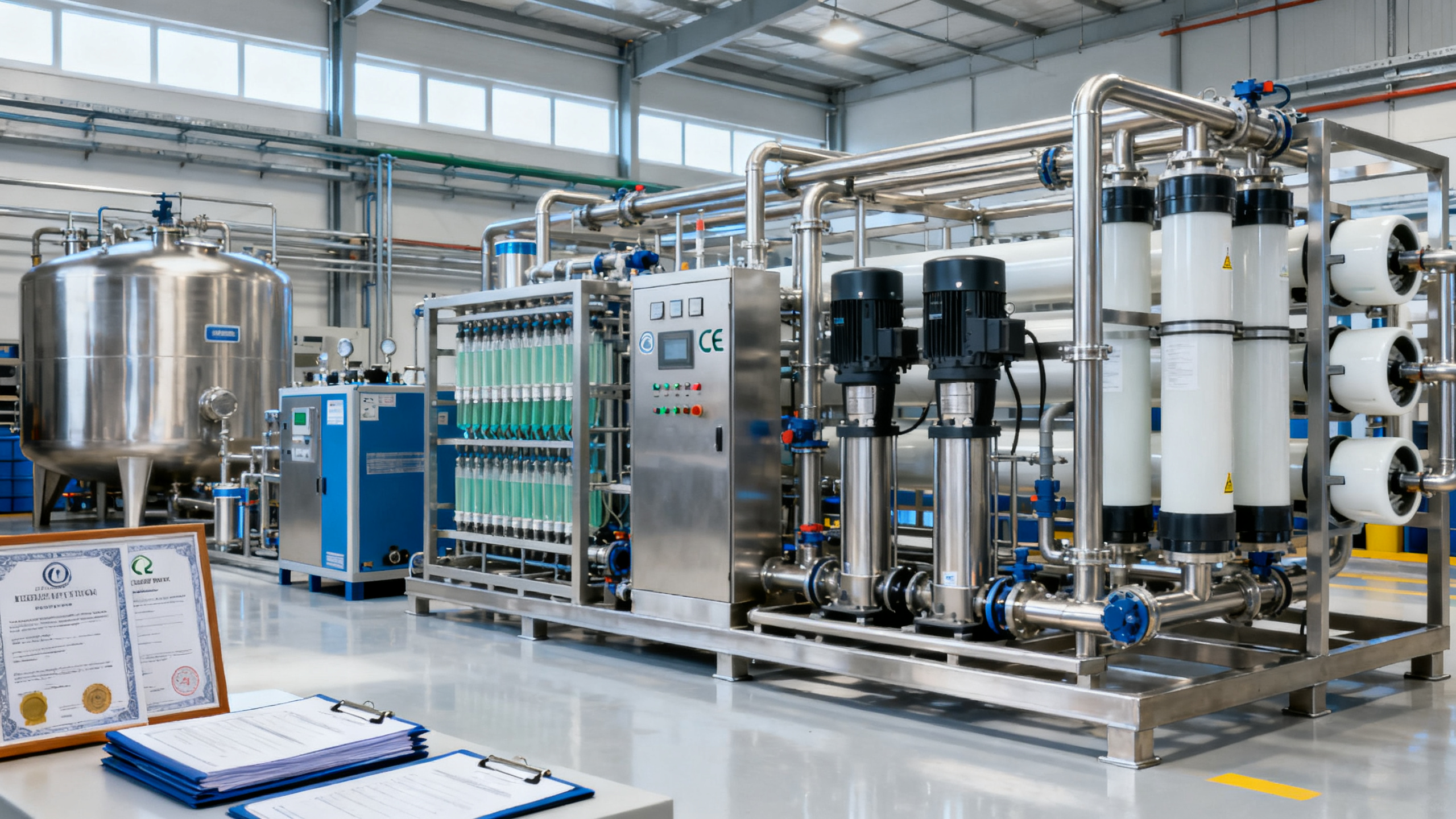
Saudi Arabia’s Standards, Metrology and Quality Organization (SASO) revised SASO 2663:2026 on May 10, 2026, introducing new water-efficiency testing requirements for appliances and industrial modules with water treatment functionality. This update directly affects exporters of industrial water treatment equipment to Saudi Arabia — particularly manufacturers and suppliers of commercial water purifiers, greywater reuse control units, and integrated laundry systems with built-in water recycling.
Event Overview
On May 10, 2026, SASO published the updated standard SASO 2663:2026. The revision mandates that all appliances and industrial modules incorporating water treatment functions — including but not limited to commercial water purifiers and greywater reuse control units — must undergo a newly introduced ‘Water-Saving Performance Cycle Test’. This test requires ≥5,000 on/off operational cycles. The test is now included in the mandatory SASO Certificate of Conformity (CoC) certification process for industrial water treatment equipment exported from China. Implementation adds an estimated 10–12 working days to the CoC certification timeline.
Industries Affected by the Revision
Direct Exporters (e.g., Chinese OEMs/ODMs supplying industrial water treatment modules to KSA)
These companies are subject to the revised CoC requirement. Certification delays directly impact shipment schedules and contractual delivery windows. Non-compliant units cannot obtain SASO CoC and therefore cannot be legally imported or sold in Saudi Arabia.
Manufacturers of Integrated Laundry Systems with On-Board Water Reuse
Systems combining washing functionality and closed-loop water treatment (e.g., industrial laundries, hospitality-grade machines) now fall under the scope. Previously, only energy efficiency was assessed; water-efficiency cycling performance is now mandatory — requiring design validation beyond standard durability testing.
Third-Party Certification & Compliance Service Providers
Testing laboratories and certification bodies supporting SASO CoC applications must now integrate the new cycle test into their assessment protocols. Capacity planning and lab accreditation updates may be required to meet the technical specifications of the ≥5,000-cycle test.
What Relevant Enterprises or Practitioners Should Focus On and How to Respond
Monitor official SASO communications for test protocol details
The current announcement confirms the inclusion of the ‘Water-Saving Performance Cycle Test’ in CoC certification but does not publish full test methodology (e.g., load conditions, water quality parameters, pass/fail criteria). Enterprises should track SASO’s official website and authorized notification channels for the formal annex or technical guidance document.
Prioritize product lines with embedded water treatment for pre-validation
Products such as commercial reverse osmosis units, membrane-based greywater controllers, and washer-extractors with internal filtration/reuse circuits require immediate attention. Conduct internal feasibility checks on existing designs against the 5,000-cycle endurance benchmark before initiating formal CoC applications.
Adjust certification timelines and procurement lead times
With +10–12 working days added to CoC processing, export planning must incorporate extended compliance lead time. Procurement of critical components (e.g., solenoid valves, pressure switches, flow sensors) used in cycling loops should be scheduled earlier to avoid bottlenecks during validation.
Distinguish between regulatory signal and enforceable requirement
The May 10, 2026 publication date marks the standard’s effective version release — not necessarily its enforcement start date. SASO often allows a grace period for transition. Enterprises should verify whether a phased implementation schedule applies, rather than assuming immediate enforcement upon publication.
Editorial Perspective / Industry Observation
Observably, this revision signals SASO’s strategic shift toward lifecycle-based water resource management — extending regulatory scrutiny beyond static efficiency metrics to dynamic system resilience. Analysis shows the ≥5,000-cycle threshold aligns closely with typical service life expectations for mid-tier industrial water control modules (approx. 3–5 years at 3–4 cycles/day), suggesting the test targets real-world reliability, not just theoretical efficiency. It is currently more of a regulatory signal than a fully operationalized enforcement milestone: while the standard is published, the absence of publicly available test specifications and confirmed enforcement commencement date means industry response should emphasize readiness over urgency. Continued monitoring of SASO’s technical circulars and notified body bulletins remains essential.
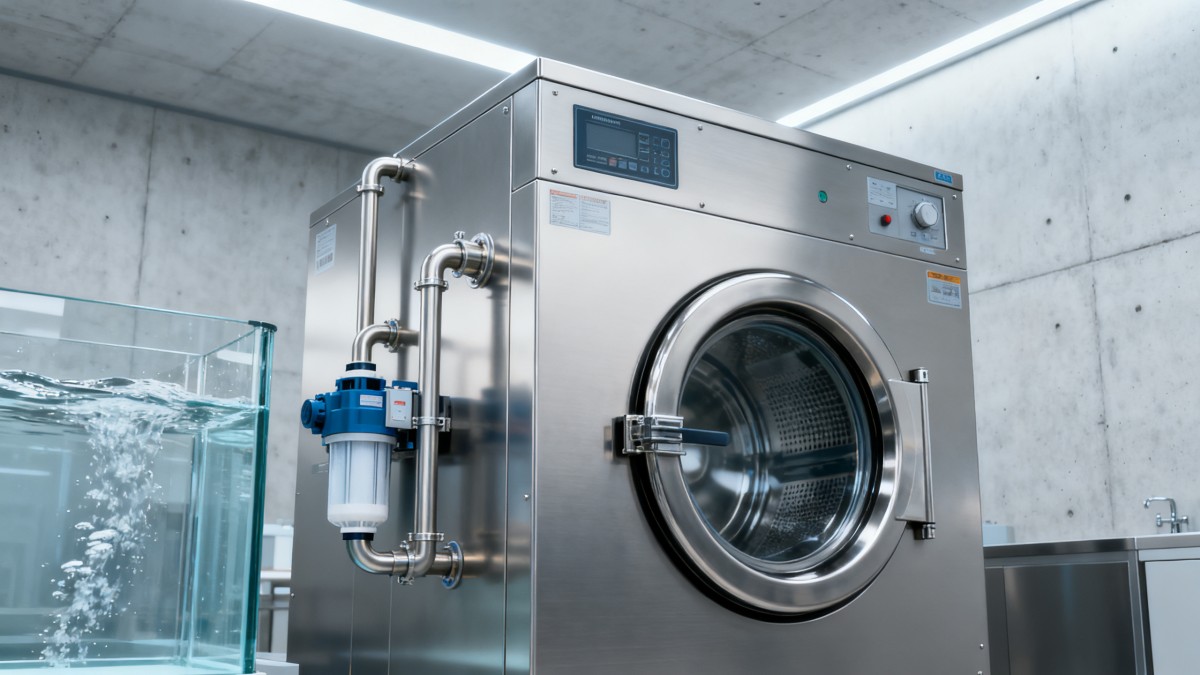
This update reflects a tightening of technical market access conditions for water-intensive industrial equipment entering Saudi Arabia. It is not merely a procedural adjustment but a structural recalibration of compliance expectations — one that elevates water-efficiency durability to parity with energy efficiency in regulatory weight. Current interpretation should treat SASO 2663:2026 as a binding framework with pending operational detail, requiring proactive alignment rather than reactive compliance.
Source: SASO official standard publication notice for SASO 2663:2026, dated May 10, 2026.
Note: Full test methodology, enforcement timeline, and transitional provisions remain pending official clarification and are under observation.
Technical Specifications
- How to Select Electronic Hotel Key Card Locks for Guest Rooms and Staff AreasAuthor :Safety Compliance Lead
- How to Select Lab Instruments for Reliable Chemical Analysis WorkflowsAuthor :Precision Metrology Expert
- How to Size a UPS for Server Rooms: Load, Runtime, and Redundancy FactorsAuthor :Grid Infrastructure Analyst
Expert Insights

Chief Security Architect
Dr. Thorne specializes in the intersection of structural engineering and digital resilience. He has advised three G7 governments on industrial infrastructure security.
Related Analysis
- Sep 17, 2026How to Select Electronic Hotel Key Card Locks for Guest Rooms and Staff AreasAuthor :Safety Compliance Lead
- Sep 16, 2026How to Select Lab Instruments for Reliable Chemical Analysis WorkflowsAuthor :Precision Metrology Expert
- Sep 15, 2026How to Size a UPS for Server Rooms: Load, Runtime, and Redundancy FactorsAuthor :Grid Infrastructure Analyst
Core Sector // 01
Security & Safety
- How to Size a Wafer Butterfly Valve for HVAC Chilled-Water and Heating LoopsAuthor :Environmental Engineering Director

- How Pressure Class and Joint Design Affect Long-Term Performance of Ductile Iron Pipes in Drainage InfrastructureAuthor :Environmental Engineering Director

- How Ductile Iron Pipe Joints Affect Installation Reliability and Leak ControlAuthor :Environmental Engineering Director

- How to Size Effluent Treatment Equipment for Variable Industrial Wastewater LoadsAuthor :Environmental Engineering Director

- US Battery Push Raises New Entry Rules for SuppliersAuthor :Environmental Engineering Director

- EU EMC Rule Tightens for Water Treatment ExportsAuthor :Environmental Engineering Director

- EU REACH Restriction Targets PFAS Water Treatment ImportsAuthor :Environmental Engineering Director

- EU Mandates EN 14113:2026 for Water Treatment ExportsAuthor :Environmental Engineering Director