How to vet an Environment & Ecology exporter before buying
Author
Date Published
Reading Time
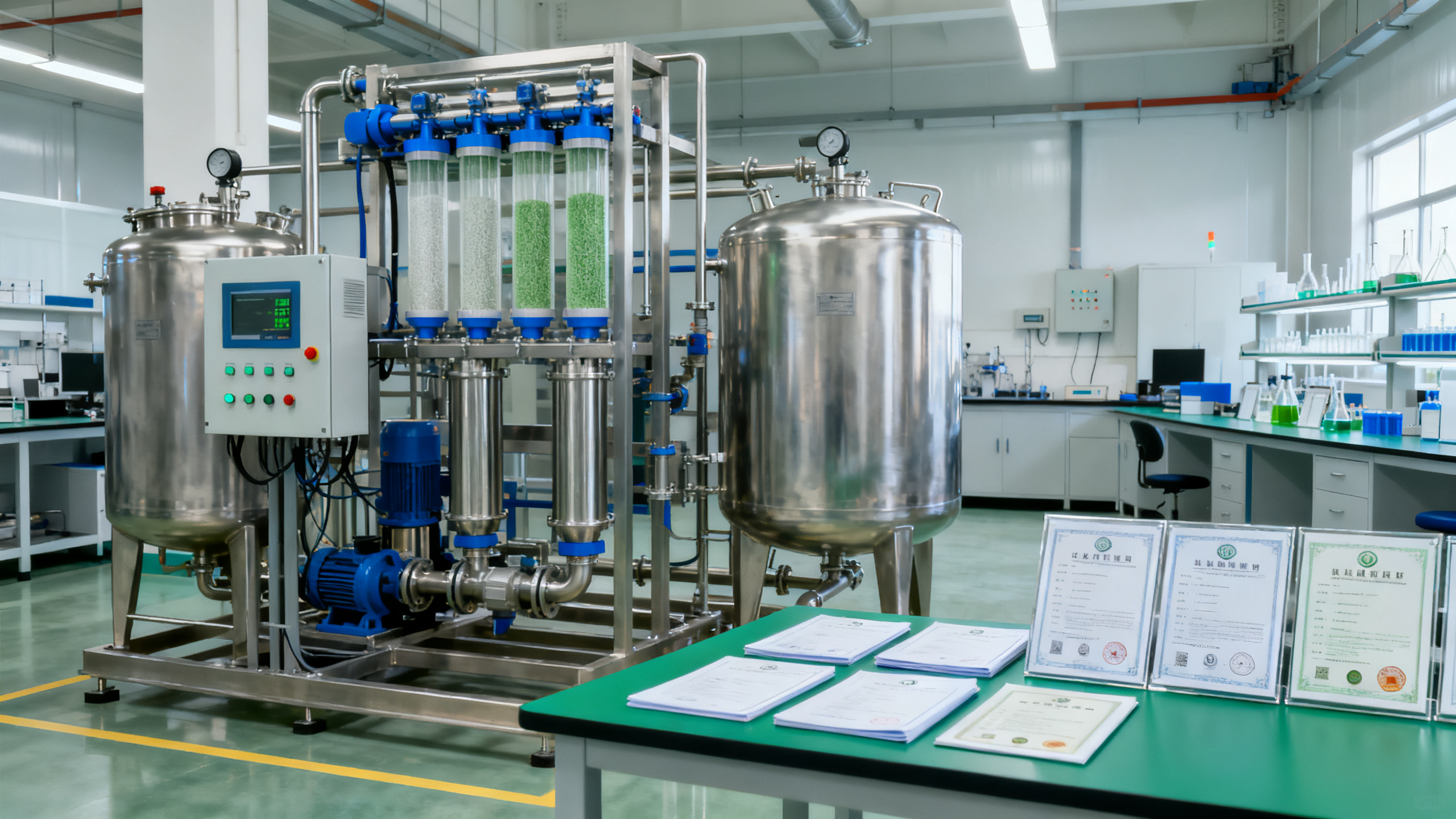
Choosing an Environment & Ecology exporter now requires sharper judgment than it did even a few years ago.
Regulations are tightening, documentation is becoming more transparent, and supply chain risk is under heavier scrutiny across industrial sectors.
Price still matters, but it no longer tells the full story.
A qualified Environment & Ecology exporter can support compliance, stable operations, and long-term environmental performance.
A weak exporter can create delays, audit failures, and hidden lifecycle costs.
This guide explains how market changes are reshaping supplier vetting and what signals deserve the closest attention before buying.
Why the Environment & Ecology exporter review process is getting stricter
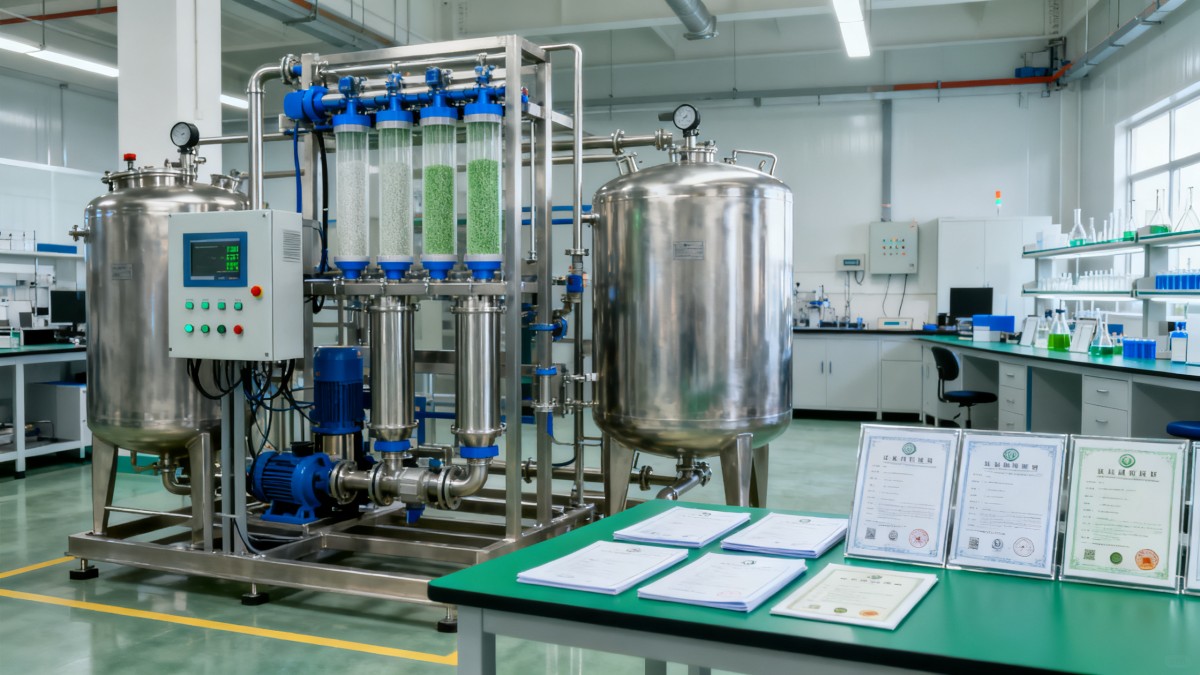
Industrial buyers are no longer evaluating only delivery speed and unit price.
They are examining product traceability, environmental claims, testing depth, and export readiness with far greater care.
This shift affects filtration systems, pollution control components, monitoring devices, treatment equipment, and related ecological solutions.
The modern Environment & Ecology exporter is expected to prove not only manufacturing ability, but also regulatory discipline.
That includes clear technical files, repeatable quality control, and reliable post-shipment support.
In many projects, environmental equipment now sits inside broader infrastructure contracts.
As a result, one supplier failure can affect commissioning schedules, acceptance testing, and final project sign-off.
Several market signals explain why Environment & Ecology exporter due diligence is rising
The pressure is not coming from a single source.
It comes from regulations, industrial decarbonization, digital verification, and growing buyer expectations for measurable environmental performance.
Key drivers behind tighter exporter screening
Because of these drivers, the best Environment & Ecology exporter is usually the one with fewer gaps, not just lower quotes.
The strongest Environment & Ecology exporter signals appear in documentation, not marketing
Brochures can look polished, but exporter quality is revealed in records, response speed, and technical consistency.
A dependable Environment & Ecology exporter should provide verifiable data with minimal hesitation.
Documents worth checking first
- Business registration and export license status
- ISO certifications and scope details
- CE, UL, RoHS, REACH, or market-specific certificates where relevant
- Material test reports and factory inspection records
- Quality manuals, traceability procedures, and calibration evidence
- Reference projects with matching environmental applications
Certificate numbers should be checked against issuing bodies whenever possible.
Inconsistent names, expired files, or vague certificate scopes are immediate warning signs.
If the Environment & Ecology exporter claims advanced environmental performance, test methods should also be disclosed.
Without method transparency, claims are difficult to trust.
Operational risk often comes from hidden weaknesses in manufacturing and export execution
An exporter may pass a document review yet still struggle with execution.
That is why capacity and process control should be reviewed alongside certifications.
What to assess beyond paperwork
- Production stability across peak and normal demand periods
- Availability of incoming, in-process, and final inspection checkpoints
- Packaging standards for corrosive, fragile, or moisture-sensitive goods
- Experience with destination market labels, customs papers, and shipping marks
- Corrective action speed when defects or delays appear
A reliable Environment & Ecology exporter should explain lead times by process stage, not by rough promises.
It should also show how nonconforming parts are isolated and recorded.
When these systems are weak, defect risk grows quickly during scaling.
Environmental claims now shape buying decisions more directly than before
The market increasingly rewards exporters that can connect product performance with measurable ecological outcomes.
This is especially true in wastewater treatment, emissions control, filtration, recycling, and environmental monitoring applications.
However, not every Environment & Ecology exporter supports these claims with evidence.
Questions that reveal claim quality
- Which standards were used to test environmental performance?
- Are third-party reports available?
- What operating conditions were used during testing?
- Do field results match laboratory results?
- Are maintenance intervals and consumable needs clearly defined?
These questions matter because environmental products often perform differently under real industrial loads.
A capable Environment & Ecology exporter will discuss limitations openly and propose fit-for-purpose configurations.
The impact of exporter quality reaches multiple business stages
Exporter selection affects more than the purchase order.
It influences engineering review, installation efficiency, compliance audits, maintenance planning, and total lifecycle cost.
Where weak exporter performance creates friction
This is why Environment & Ecology exporter evaluation should be treated as a risk control activity, not only a sourcing activity.
The most useful vetting focus areas are practical and easy to compare
A structured review helps compare exporters fairly.
It also reduces the chance of overlooking hidden weaknesses behind attractive pricing.
Core points to prioritize
- Certification validity and scope relevance
- Product traceability from raw material to shipment
- Factory quality system maturity
- Export document accuracy and destination familiarity
- Technical responsiveness during pre-sale review
- Evidence of stable field performance
- After-sales support and corrective action discipline
A strong Environment & Ecology exporter usually scores consistently across all these points.
A weak one often performs well in one area while hiding major gaps in another.
A smart next step is to validate claims through staged verification
The safest buying decisions are built in layers.
Start with document review, then move to technical clarification, sample checks, and factory validation if risk exposure is high.
Suggested verification sequence
- Screen certificates, licenses, and references
- Compare technical files against actual project requirements
- Request recent test reports and traceability samples
- Verify quality controls through audit or video inspection
- Approve a trial order before full-scale commitment
This approach gives a clearer picture of whether an Environment & Ecology exporter can support reliable supply over time.
It also helps separate exporters with real capability from those relying on generic claims.
Before placing the next order, build a short evaluation checklist based on compliance, evidence quality, export readiness, and operational fit.
A disciplined review of any Environment & Ecology exporter can reduce risk, protect project outcomes, and support stronger long-term sourcing decisions.
When the environmental stakes are high, careful vetting is not a delay.
It is part of responsible industrial execution.
Technical Specifications
- How to Select Electronic Hotel Key Card Locks for Guest Rooms and Staff AreasAuthor :Safety Compliance Lead
- How to Select Lab Instruments for Reliable Chemical Analysis WorkflowsAuthor :Precision Metrology Expert
- How to Size a UPS for Server Rooms: Load, Runtime, and Redundancy FactorsAuthor :Grid Infrastructure Analyst
Expert Insights

Chief Security Architect
Dr. Thorne specializes in the intersection of structural engineering and digital resilience. He has advised three G7 governments on industrial infrastructure security.
Related Analysis
- Sep 17, 2026How to Select Electronic Hotel Key Card Locks for Guest Rooms and Staff AreasAuthor :Safety Compliance Lead
- Sep 16, 2026How to Select Lab Instruments for Reliable Chemical Analysis WorkflowsAuthor :Precision Metrology Expert
- Sep 15, 2026How to Size a UPS for Server Rooms: Load, Runtime, and Redundancy FactorsAuthor :Grid Infrastructure Analyst
Core Sector // 01
Security & Safety
- How to Size a Wafer Butterfly Valve for HVAC Chilled-Water and Heating LoopsAuthor :Environmental Engineering Director

- How Pressure Class and Joint Design Affect Long-Term Performance of Ductile Iron Pipes in Drainage InfrastructureAuthor :Environmental Engineering Director

- How Ductile Iron Pipe Joints Affect Installation Reliability and Leak ControlAuthor :Environmental Engineering Director

- How to Size Effluent Treatment Equipment for Variable Industrial Wastewater LoadsAuthor :Environmental Engineering Director

- US Battery Push Raises New Entry Rules for SuppliersAuthor :Environmental Engineering Director

- EU EMC Rule Tightens for Water Treatment ExportsAuthor :Environmental Engineering Director

- EU REACH Restriction Targets PFAS Water Treatment ImportsAuthor :Environmental Engineering Director

- EU Mandates EN 14113:2026 for Water Treatment ExportsAuthor :Environmental Engineering Director