China's Plum Safety Concerns Spark Global Supply Chain Review
Author
Date Published
Reading Time
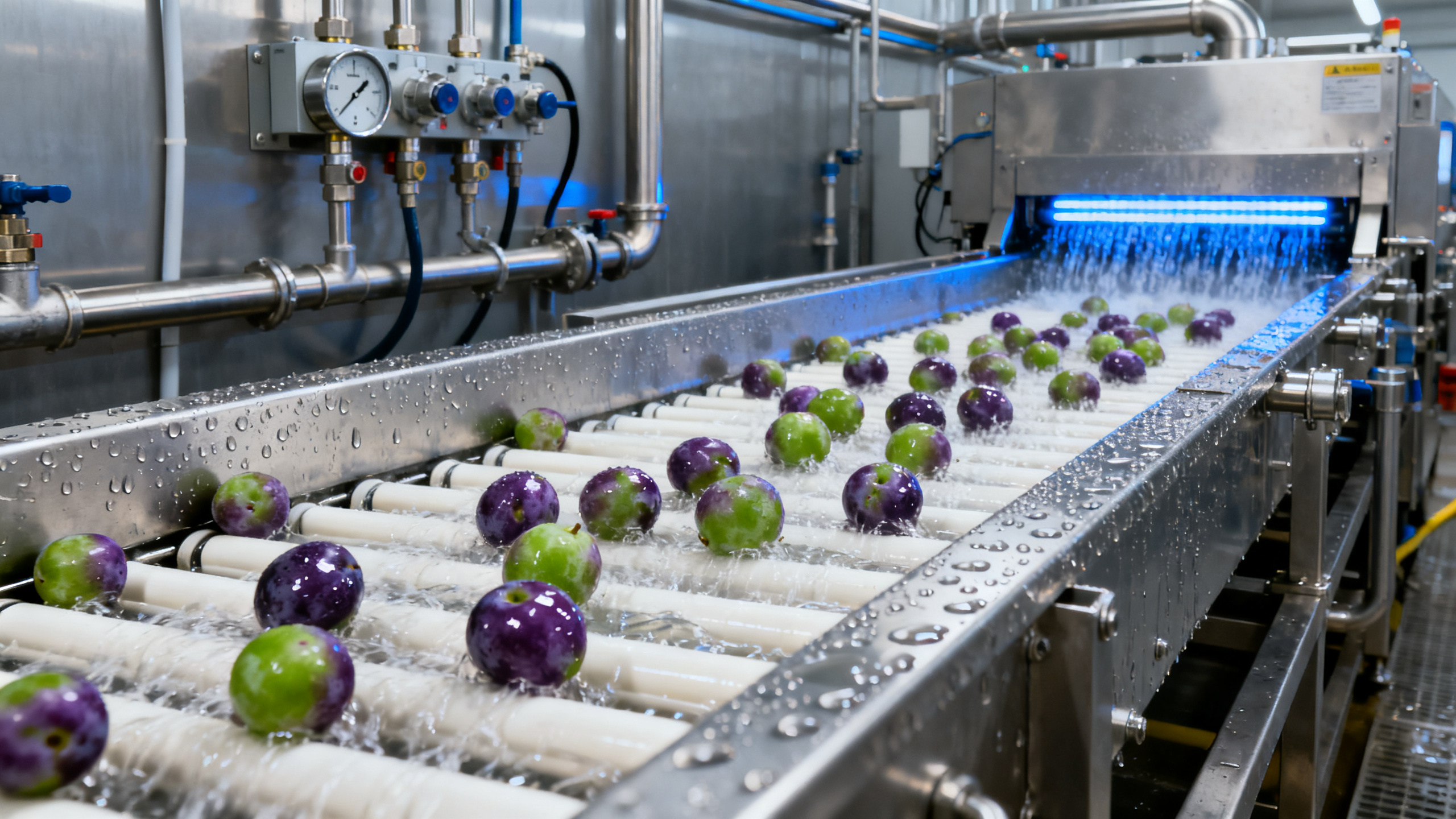
On May 20, 2026, a viral short video by an orchardist in Xianju, Zhejiang — describing four decades of plum cultivation culminating in just seven days of optimal acidity and sweetness — drew unprecedented attention from international food safety buyers. This came amid intensifying scrutiny over pesticide residue testing results for Fujian-grown plums, collectively triggering urgent re-evaluation of Good Agricultural Practice (GAP) and GlobalG.A.P. certification validity among Chinese fruit post-harvest treatment suppliers. The ripple effect has extended beyond fresh produce into industrial cleaning agents, food-grade water treatment equipment, and sterile packaging materials — with importers now requiring third-party microbial challenge test reports as a condition for continued sourcing.
Event Overview
On May 20, 2026, a short video posted by a Xianju, Zhejiang-based plum grower went viral globally. In it, the grower recounted his lifelong commitment to sustainable plum cultivation, emphasizing seasonal precision and minimal intervention. Concurrently, recent laboratory findings from Fujian province indicated non-compliant pesticide residue levels in certain commercial plum batches, prompting official retesting by China’s Ministry of Agriculture and Rural Affairs. No regulatory enforcement action or product recall has been announced to date. Multiple importing countries have confirmed initiating internal audits of their Chinese fruit suppliers’ certification documentation and sanitation protocols.
Industries Affected
Direct Trading Enterprises: Export-oriented trading firms face immediate pressure to verify and re-submit updated GAP/GlobalG.A.P. certificates — particularly those covering post-harvest washing, waxing, and cooling stages. Buyers are now requesting not only valid certifications but also dated evidence of annual surveillance audits and corrective action records. Delays in document validation risk shipment holds or order cancellations, especially for air-freighted premium fruit consignments.
Raw Material Procurement Enterprises: Companies sourcing agricultural inputs — including food-grade surfactants, chlorine-free disinfectants, and edible coating agents — are seeing revised technical specifications from downstream clients. Some European and Japanese importers now require full disclosure of active ingredient concentrations, batch-level stability data, and compatibility testing with common plum cultivars (e.g., ‘Dongkui’, ‘Anhai’). Procurement teams must now cross-check supplier SDS (Safety Data Sheets) against newly referenced ISO 22000:2018 Annex SL clause 8.5.2 on control of external providers.
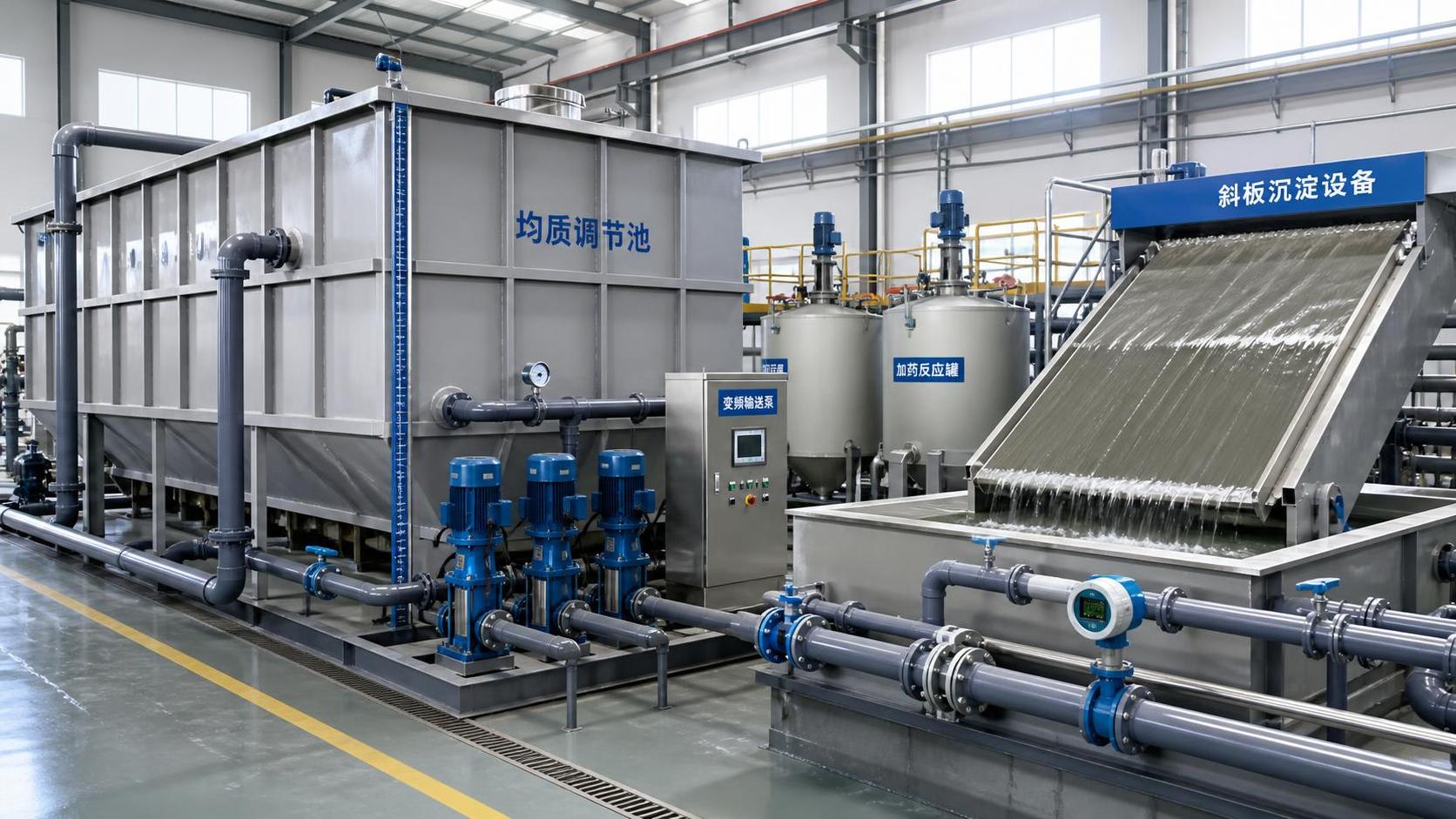
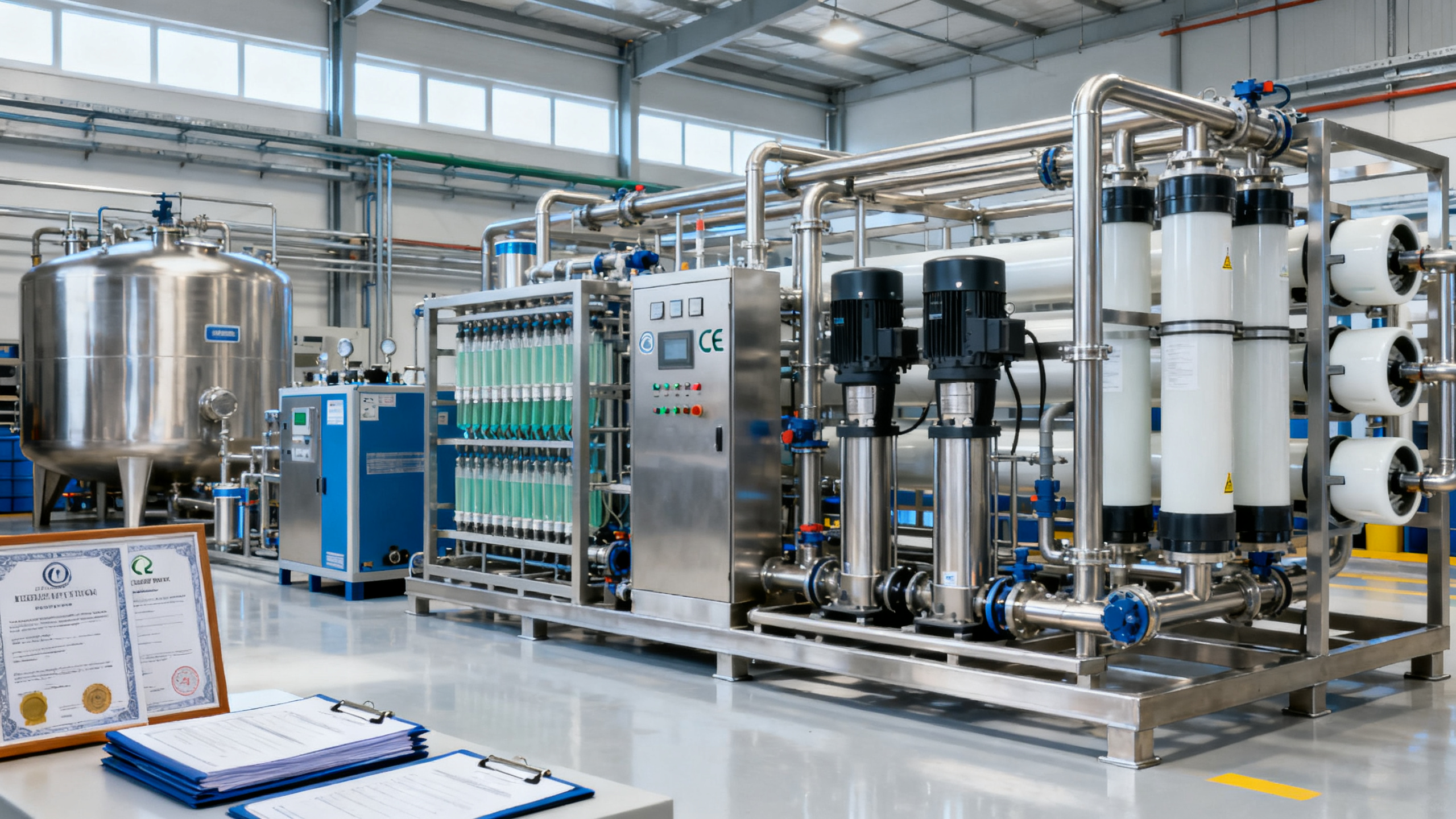
Manufacturing Enterprises: Producers of food-grade water treatment systems and low-temperature sterilization packaging lines report increased technical inquiry volume — especially around validation protocols for microbial reduction efficacy under real-world plum surface topography conditions. Notably, demand is rising for equipment pre-validated against Escherichia coli, Salmonella spp., and Penicillium expansum challenge tests per ISO 18593:2018 methodology. Manufacturers lacking such test reports are being excluded from tender shortlists.
Supply Chain Service Providers: Third-party certification bodies, microbiological testing labs, and cold-chain logistics auditors are experiencing surging demand for expedited GAP recertification cycles and on-site microbial challenge assessments. However, capacity constraints exist: only 17 accredited labs in China currently hold CNAS recognition for ISO 11133:2014-based challenge testing on fruit surfaces. Lead times for such services have extended from 10 to 22 working days on average.
Key Focus Areas and Recommended Actions
Validate and Localize Certification Documentation
Exporters should audit all existing GAP/GlobalG.A.P. certificates for scope alignment with actual post-harvest processes — especially any use of fungicides, sanitizers, or wax emulsions not explicitly listed in the certified Standard Operating Procedures. Where gaps exist, initiate revision requests with certifiers no later than June 10, 2026, to avoid Q3 audit bottlenecks.
Prepare Microbial Challenge Evidence Proactively
Rather than waiting for buyer requests, firms should commission challenge testing using surrogate pathogens (Bacillus atrophaeus spores for dry heat; Listeria innocua for aqueous sanitation) on representative plum samples. Reports must specify inoculation method (dip vs. spray), dwell time, temperature, and recovery technique — aligning with ISO 18593:2018 Annex B guidance.
Map Input Traceability to Final Consignment
Procurement departments must implement dual-layer traceability: (1) upstream — lot numbers and CoAs for all cleaning agents, coatings, and packaging films used in plum handling; and (2) downstream — consignment-level linkage between treated fruit batches and corresponding test reports. ERP modules supporting this granularity are now prioritized in procurement evaluations.
Editorial Perspective / Industry Observation
Observably, this episode reflects a structural shift — not merely a compliance checkpoint, but a recalibration of trust architecture in global agri-food trade. Analysis shows that buyer demands now converge on *process transparency* rather than static certification stamps. From an industry perspective, the requirement for microbial challenge data signals growing reliance on performance-based verification over procedural adherence alone. Current trends suggest that certification validity windows may soon be tied to documented challenge-test frequency — potentially evolving into a de facto renewal criterion. This is better understood as a maturation of due diligence standards, not a punitive escalation.
Conclusion
This incident underscores how localized agricultural narratives — amplified through digital storytelling — can rapidly reshape global procurement expectations. Rather than indicating systemic failure, it reveals heightened sensitivity to process integrity across the entire post-harvest value chain. A rational interpretation is that stakeholders are adjusting calibration points for quality assurance, not abandoning established frameworks. Long-term resilience will favor firms that treat certifications as living documents — continuously validated, contextually adapted, and technically substantiated.
Source Attribution
Primary sources include official notices issued by China’s Ministry of Agriculture and Rural Affairs (MARA) on May 21, 2026 (Ref: MARA-AGRI/NOT/2026-087); public statements from GlobalG.A.P. Secretariat (May 22, 2026); and verified audit summaries from Bureau Veritas and SGS Asia Pacific regional offices. Ongoing developments regarding potential updates to EU Regulation (EC) No 396/2005 Annexes and revisions to China’s GB 2763–2021 maximum residue limits remain under observation.
Technical Specifications
- How to Select Electronic Hotel Key Card Locks for Guest Rooms and Staff AreasAuthor :Safety Compliance Lead
- How to Select Lab Instruments for Reliable Chemical Analysis WorkflowsAuthor :Precision Metrology Expert
- How to Size a UPS for Server Rooms: Load, Runtime, and Redundancy FactorsAuthor :Grid Infrastructure Analyst
Expert Insights

Chief Security Architect
Dr. Thorne specializes in the intersection of structural engineering and digital resilience. He has advised three G7 governments on industrial infrastructure security.
Related Analysis
- Sep 17, 2026How to Select Electronic Hotel Key Card Locks for Guest Rooms and Staff AreasAuthor :Safety Compliance Lead
- Sep 16, 2026How to Select Lab Instruments for Reliable Chemical Analysis WorkflowsAuthor :Precision Metrology Expert
- Sep 15, 2026How to Size a UPS for Server Rooms: Load, Runtime, and Redundancy FactorsAuthor :Grid Infrastructure Analyst
Core Sector // 01
Security & Safety
- How to Size a Wafer Butterfly Valve for HVAC Chilled-Water and Heating LoopsAuthor :Environmental Engineering Director

- How Pressure Class and Joint Design Affect Long-Term Performance of Ductile Iron Pipes in Drainage InfrastructureAuthor :Environmental Engineering Director

- How Ductile Iron Pipe Joints Affect Installation Reliability and Leak ControlAuthor :Environmental Engineering Director

- How to Size Effluent Treatment Equipment for Variable Industrial Wastewater LoadsAuthor :Environmental Engineering Director

- US Battery Push Raises New Entry Rules for SuppliersAuthor :Environmental Engineering Director

- EU EMC Rule Tightens for Water Treatment ExportsAuthor :Environmental Engineering Director

- EU REACH Restriction Targets PFAS Water Treatment ImportsAuthor :Environmental Engineering Director

- EU Mandates EN 14113:2026 for Water Treatment ExportsAuthor :Environmental Engineering Director