IMO New Rule Requires AI Water Quality Alert for Ship Treatment Systems
Author
Date Published
Reading Time
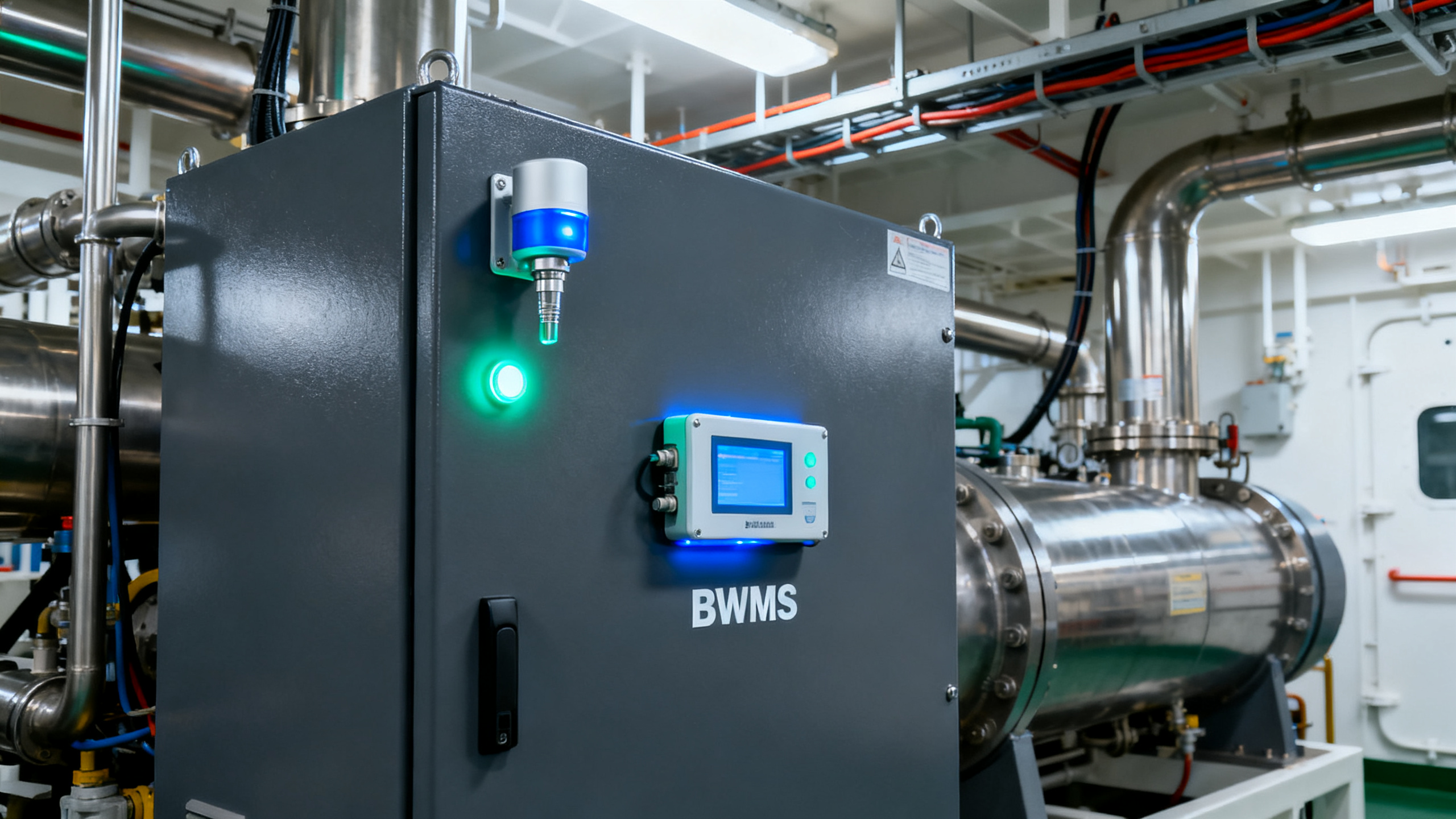
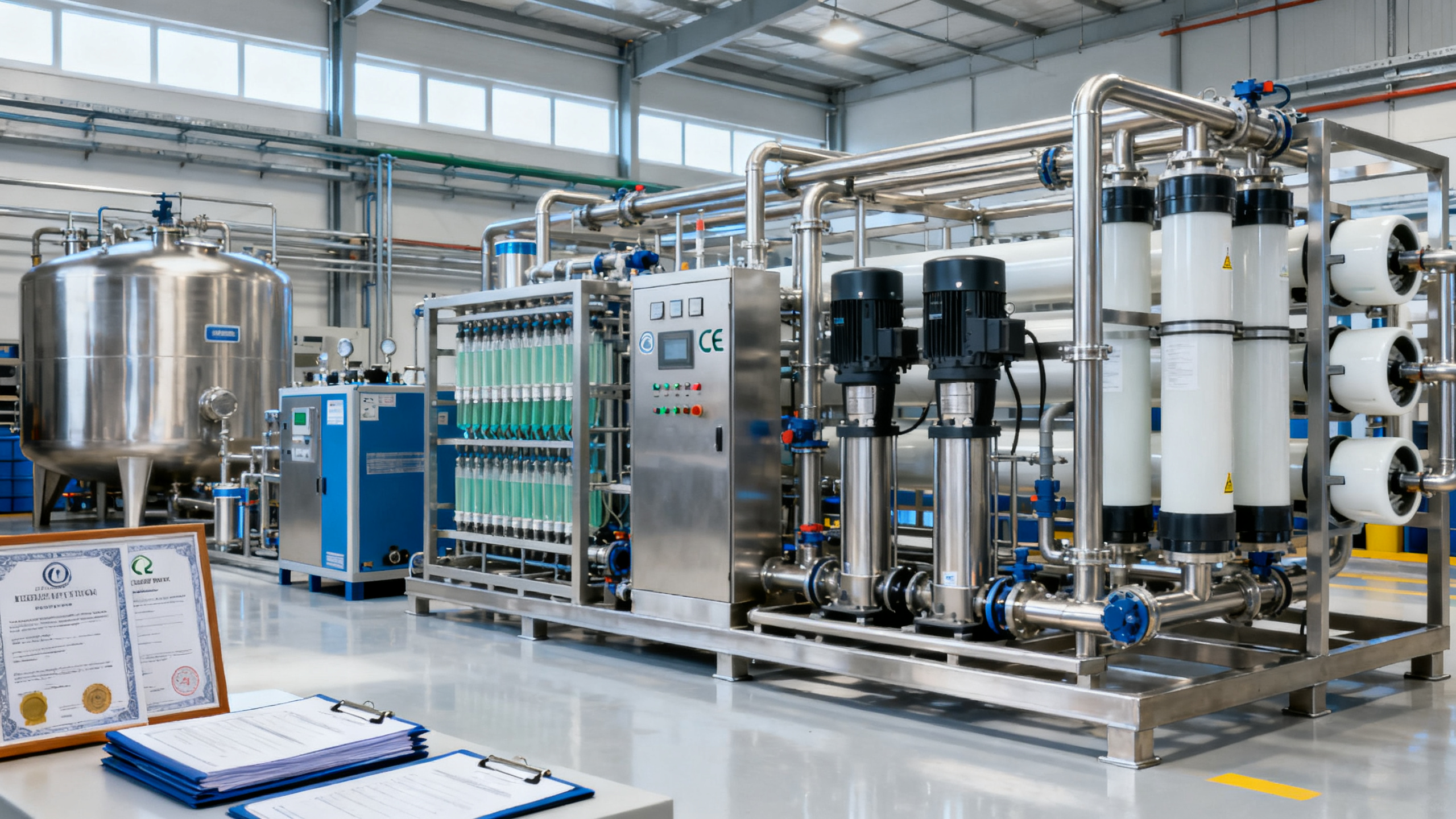
On May 11, 2026, the International Maritime Organization (IMO) brought into force resolution MEPC.382(80), mandating that marine industrial water treatment equipment — specifically ballast water management systems (BWMS) and sewage treatment plants — integrate an AI-based water quality anomaly alert module compliant with IEC 62443-4-2 Security Level 2 (SL2). This development directly affects Chinese manufacturers exporting such equipment, who must complete AI algorithm certification and classification society type approval by Q3 2026 to retain eligibility for IMO BWMS certificates. The rule signals a material shift in technical compliance expectations for maritime environmental technology suppliers.
Event Overview
On May 11, 2026, IMO officially activated resolution MEPC.382(80). The resolution requires all shipboard ballast water and sewage treatment systems to incorporate an AI-driven water quality anomaly detection and alerting module meeting the cybersecurity and functional safety requirements of IEC 62443-4-2 SL2. Chinese industrial water treatment equipment exporters must obtain both AI algorithm certification and formal type approval from recognized classification societies before the end of Q3 2026; failure to do so will result in ineligibility for IMO BWMS certification.
Industries Affected
Export-Oriented Equipment Manufacturers
These companies supply BWMS or marine sewage treatment units to international shipbuilders and operators. They are directly affected because IMO BWMS certification is a prerequisite for market access in most flag states and major ports. Without valid certification, their products cannot be installed on vessels engaged in international voyages.
Classification Society-Affiliated Testing & Certification Bodies
Organizations accredited to perform type approval under the IMO BWMS Code now face new evaluation criteria. Their testing protocols must cover AI model validation, real-time anomaly detection performance, cybersecurity resilience (per IEC 62443-4-2 SL2), and integration robustness within the full treatment system architecture.
AI Algorithm Developers & Integrators Serving Marine Equipment Suppliers
Firms providing embedded AI modules — especially those specializing in time-series anomaly detection for water quality parameters (e.g., turbidity, residual biocide, microbial load, pH drift) — are now subject to stricter verification pathways. Their algorithms must be traceable, auditable, and validated against marine-specific operational profiles (e.g., salinity shifts, biofouling cycles, intermittent power).
What Enterprises and Practitioners Should Monitor and Do Now
Track official guidance from IMO and leading classification societies
The IMO has not yet published detailed implementation guidelines for AI module assessment. Classification societies (e.g., DNV, LR, CCS, ABS) are expected to issue technical notes or interim procedures in H2 2026. Exporters should subscribe to updates from their designated approval body and attend upcoming webinars on MEPC.382(80) interpretation.
Confirm which product lines fall under mandatory scope — and prioritize certification accordingly
Not all marine water treatment devices require BWMS certification (e.g., freshwater cooling systems or non-discharge greywater units may be excluded). Companies should verify whether their specific models are classified as ‘ballast water management systems’ or ‘sewage treatment plants’ under MARPOL Annex IV and the BWMS Code — only those categories trigger the AI module requirement.
Distinguish between policy announcement and operational readiness timelines
While the rule entered into force on May 11, 2026, IMO allows existing certified systems to remain in service under grandfathering provisions unless major modifications occur. However, all new type approvals issued after Q3 2026 must include AI module compliance. Therefore, lead times for certification — including algorithm training, hardware-software integration testing, and cybersecurity audit — must be factored into current R&D and production planning.
Initiate cross-functional alignment between engineering, compliance, and supply chain teams
Integrating an AI module involves firmware updates, sensor calibration upgrades, secure OTA update capability, and documentation for cybersecurity assurance cases. Engineering teams need to coordinate early with procurement (for certified microcontrollers or secure elements), QA (for data lineage and model version control), and regulatory affairs (to map evidence to IEC 62443-4-2 SL2 clauses).
Editorial Perspective / Industry Observation
Observably, MEPC.382(80) represents less an immediate operational disruption and more a structural signal: IMO is institutionalizing AI not as optional enhancement but as foundational infrastructure for environmental compliance verification. Analysis shows this aligns with broader trends in smart regulation — where regulators shift from auditing static design documents toward requiring real-time, auditable system behavior. From an industry perspective, the requirement is better understood as a catalyst for convergence between maritime environmental engineering and industrial cybersecurity disciplines. It does not yet mandate AI model retraining onboard, nor specify minimum detection accuracy thresholds — meaning current implementation flexibility remains, but the direction of travel is unambiguous.
Conclusion: This regulation marks a formal step toward embedding adaptive monitoring into core maritime environmental systems. Its significance lies not in immediate enforcement penalties, but in resetting baseline expectations for technical sovereignty, data integrity, and lifecycle accountability in marine water treatment. For stakeholders, it is currently more accurate to interpret MEPC.382(80) as a compliance horizon — one that demands proactive alignment across product development, certification strategy, and supplier governance — rather than a finalized, fully scoped mandate.
Source: International Maritime Organization (IMO), Resolution MEPC.382(80), effective May 11, 2026.
Note: Detailed technical annexes and classification society implementation guidance are pending publication and remain under observation.
Technical Specifications
- How to Select Electronic Hotel Key Card Locks for Guest Rooms and Staff AreasAuthor :Safety Compliance Lead
- How to Select Lab Instruments for Reliable Chemical Analysis WorkflowsAuthor :Precision Metrology Expert
- How to Size a UPS for Server Rooms: Load, Runtime, and Redundancy FactorsAuthor :Grid Infrastructure Analyst
Expert Insights

Chief Security Architect
Dr. Thorne specializes in the intersection of structural engineering and digital resilience. He has advised three G7 governments on industrial infrastructure security.
Related Analysis
- Sep 17, 2026How to Select Electronic Hotel Key Card Locks for Guest Rooms and Staff AreasAuthor :Safety Compliance Lead
- Sep 16, 2026How to Select Lab Instruments for Reliable Chemical Analysis WorkflowsAuthor :Precision Metrology Expert
- Sep 15, 2026How to Size a UPS for Server Rooms: Load, Runtime, and Redundancy FactorsAuthor :Grid Infrastructure Analyst
Core Sector // 01
Security & Safety
- How to Size a Wafer Butterfly Valve for HVAC Chilled-Water and Heating LoopsAuthor :Environmental Engineering Director

- How Pressure Class and Joint Design Affect Long-Term Performance of Ductile Iron Pipes in Drainage InfrastructureAuthor :Environmental Engineering Director

- How Ductile Iron Pipe Joints Affect Installation Reliability and Leak ControlAuthor :Environmental Engineering Director

- How to Size Effluent Treatment Equipment for Variable Industrial Wastewater LoadsAuthor :Environmental Engineering Director

- US Battery Push Raises New Entry Rules for SuppliersAuthor :Environmental Engineering Director

- EU EMC Rule Tightens for Water Treatment ExportsAuthor :Environmental Engineering Director

- EU REACH Restriction Targets PFAS Water Treatment ImportsAuthor :Environmental Engineering Director

- EU Mandates EN 14113:2026 for Water Treatment ExportsAuthor :Environmental Engineering Director