How to vet an Environment & Ecology exporter before ordering
Author
Date Published
Reading Time
Choosing an Environment & Ecology exporter is not just about price or delivery speed. It directly affects compliance, operational continuity, environmental performance, and brand credibility across industrial projects.
A weak exporter may deliver inconsistent materials, incomplete certifications, or poor technical support. Those gaps can trigger customs delays, failed inspections, system downtime, and expensive replacement cycles.
This guide outlines a practical method to evaluate an Environment & Ecology exporter before ordering. The goal is simple: reduce supply risk and improve long-term procurement confidence.
What an Environment & Ecology exporter typically provides
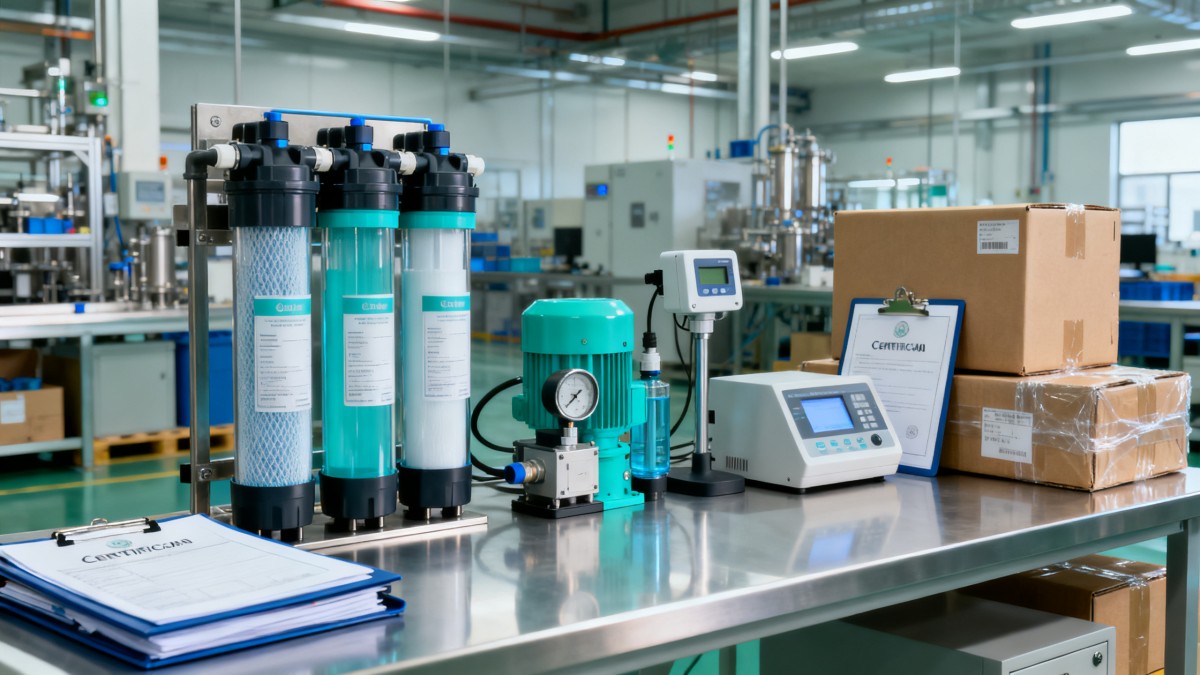
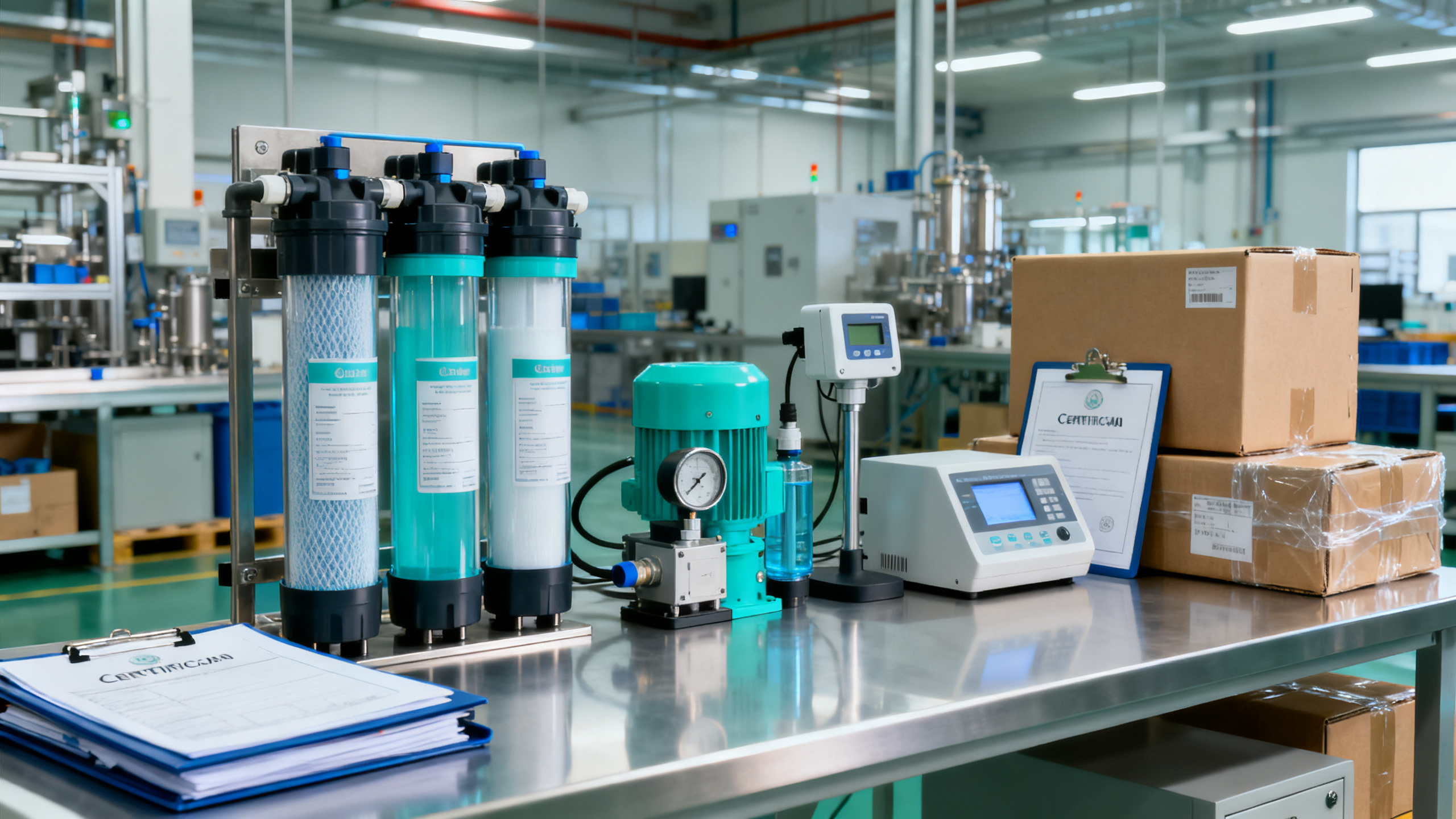
In industrial trade, an Environment & Ecology exporter usually supplies products or systems linked to pollution control, environmental monitoring, waste treatment, water handling, emissions reduction, and ecological protection.
Examples include filtration units, wastewater components, gas treatment assemblies, environmental sensors, containment materials, laboratory instruments, and supporting mechanical or electrical accessories.
The exporter may act as a manufacturer, an integrated sourcing partner, or a trading company with technical coordination capabilities. Vetting should reflect that business model.
This distinction matters because manufacturing control, engineering depth, and after-sales accountability vary significantly between direct factories and export intermediaries.
Why exporter verification matters in today’s industrial market
Environmental equipment sits inside a highly regulated, performance-sensitive supply chain. Failure is not only a technical problem; it can become a legal, financial, and reputational issue.
Global buyers now face tighter documentation checks, sanctions screening, carbon reporting pressure, and stricter proof of origin requirements. That raises the importance of exporter due diligence.
- More projects require CE, UL, ISO, RoHS, REACH, or local environmental conformity records.
- Cross-border shipments face greater customs scrutiny on labeling and technical files.
- End users increasingly demand lifecycle reliability, not only initial purchase cost.
- ESG and audit trails now influence supplier approval in many infrastructure programs.
For that reason, selecting an Environment & Ecology exporter should follow a structured process, similar to evaluating a strategic industrial supplier.
Core verification criteria before placing an order
A reliable review starts with evidence, not claims. Sales presentations are useful, but decision quality depends on verifiable records and technical consistency.
1. Legal identity and export legitimacy
Confirm registered company name, business scope, export license status, tax registration, and operating address. Match these details across invoices, certificates, and shipping documents.
If the Environment & Ecology exporter uses multiple affiliated entities, ask which entity signs contracts, receives payment, and takes liability for product performance.
2. Product compliance and certification control
Do not accept certificates at face value. Verify issuing bodies, scope, validity dates, and model numbers. Ensure certificates match the actual product offered.
Request technical files, test reports, material declarations, safety data sheets, and calibration records where relevant. Missing detail is a warning sign.
3. Manufacturing capability and quality systems
If the exporter claims factory ownership, request production flowcharts, inspection procedures, equipment lists, and batch traceability methods. ISO 9001 alone is not enough.
For environmental products, process stability matters. Small variations in materials, coatings, or tolerances can affect filtration efficiency, corrosion resistance, or measurement accuracy.
4. Technical communication and engineering support
A strong Environment & Ecology exporter can explain specifications clearly, identify operating limits, and recommend suitable standards for the destination market.
Test responsiveness with detailed questions. Ask about temperature range, media compatibility, maintenance cycles, spare parts, and installation constraints.
5. Supply chain resilience
Review lead times, critical sub-suppliers, safety stock policy, and contingency plans. A good exporter should explain how it manages shortages, substitutions, and peak demand.
This is especially important when ordering custom environmental assemblies or projects requiring repeat shipments over long construction schedules.
A practical due diligence checklist
The table below helps organize pre-order screening for any Environment & Ecology exporter. It can support internal approval and reduce subjective judgments.
Typical exporter types and how risk differs
Not every Environment & Ecology exporter operates the same way. Risk assessment should reflect the exporter’s real role in the supply chain.
- Factory-direct exporter: Better process visibility, but quality depends on internal controls and export experience.
- Trading exporter: Flexible sourcing and broader catalog, but consistency depends on supplier management discipline.
- Project integrator: Useful for multi-item packages, yet document control and coordination quality become critical.
- OEM/ODM partner: Strong for customization, though intellectual property and approval samples need tighter control.
When the business model is unclear, ask directly who manufactures, who inspects, and who guarantees conformity after shipment.
How to validate product performance before full commitment
Pre-order validation should move from documents to proof. That means samples, pilot orders, third-party inspection, or witness testing when risk is material.
For sensors or treatment components, compare stated performance with realistic operating conditions. Lab values may differ from field conditions involving dust, salinity, vibration, or variable loads.
- Request a controlled sample or reference unit.
- Review drawings, bill of materials, and critical dimensions.
- Set acceptance criteria before production begins.
- Use pre-shipment inspection for first orders or high-value lots.
- Document any approved deviation in writing.
A disciplined exporter will support this process instead of resisting it. Resistance often indicates weak internal controls or unstable sourcing.
Commercial terms that should never be overlooked
Even a technically capable Environment & Ecology exporter can create risk through unclear commercial terms. Technical approval should be matched with contract discipline.
Review Incoterms, packaging standards, warranty scope, spare parts commitments, claims process, and document delivery timing. These details affect landed cost and operational readiness.
Payment structure should reflect risk. For new suppliers, phased payments tied to milestones or inspection results can improve control without damaging cooperation.
Common warning signs during exporter screening
Certain patterns often signal elevated risk. One red flag may not end the process, but several together deserve serious caution.
- Certificates with mismatched model names or expired dates
- Unclear factory location or refusal to share audit evidence
- Large price gaps without technical explanation
- Slow, vague, or contradictory replies to specification questions
- No traceability for batches, materials, or test records
- Pressure to skip samples, inspection, or written confirmation
A disciplined next step for supplier approval
The best way to vet an Environment & Ecology exporter is to combine legal verification, technical review, compliance checks, and controlled commercial onboarding.
Start with document screening, then move to sample validation, factory or third-party audit evidence, and a limited first order with measurable acceptance criteria.
For complex industrial sourcing, a structured evaluation framework creates stronger trust signals, lower total risk, and better long-term supply performance than price comparison alone.
If exporter selection affects environmental compliance, plant uptime, or project delivery, use a written checklist and keep every approval decision evidence-based.
Technical Specifications
- How to Select Electronic Hotel Key Card Locks for Guest Rooms and Staff AreasAuthor :Safety Compliance Lead
- How to Select Lab Instruments for Reliable Chemical Analysis WorkflowsAuthor :Precision Metrology Expert
- How to Size a UPS for Server Rooms: Load, Runtime, and Redundancy FactorsAuthor :Grid Infrastructure Analyst
Expert Insights

Chief Security Architect
Dr. Thorne specializes in the intersection of structural engineering and digital resilience. He has advised three G7 governments on industrial infrastructure security.
Related Analysis
- Sep 17, 2026How to Select Electronic Hotel Key Card Locks for Guest Rooms and Staff AreasAuthor :Safety Compliance Lead
- Sep 16, 2026How to Select Lab Instruments for Reliable Chemical Analysis WorkflowsAuthor :Precision Metrology Expert
- Sep 15, 2026How to Size a UPS for Server Rooms: Load, Runtime, and Redundancy FactorsAuthor :Grid Infrastructure Analyst
Core Sector // 01
Security & Safety
- How to Size a Wafer Butterfly Valve for HVAC Chilled-Water and Heating LoopsAuthor :Environmental Engineering Director

- How Pressure Class and Joint Design Affect Long-Term Performance of Ductile Iron Pipes in Drainage InfrastructureAuthor :Environmental Engineering Director

- How Ductile Iron Pipe Joints Affect Installation Reliability and Leak ControlAuthor :Environmental Engineering Director

- How to Size Effluent Treatment Equipment for Variable Industrial Wastewater LoadsAuthor :Environmental Engineering Director

- US Battery Push Raises New Entry Rules for SuppliersAuthor :Environmental Engineering Director

- EU EMC Rule Tightens for Water Treatment ExportsAuthor :Environmental Engineering Director

- EU REACH Restriction Targets PFAS Water Treatment ImportsAuthor :Environmental Engineering Director

- EU Mandates EN 14113:2026 for Water Treatment ExportsAuthor :Environmental Engineering Director