EU Launches New Trade Tool Targeting 'Overcapacity' in Water Treatment & Security Equipment
Author
Date Published
Reading Time
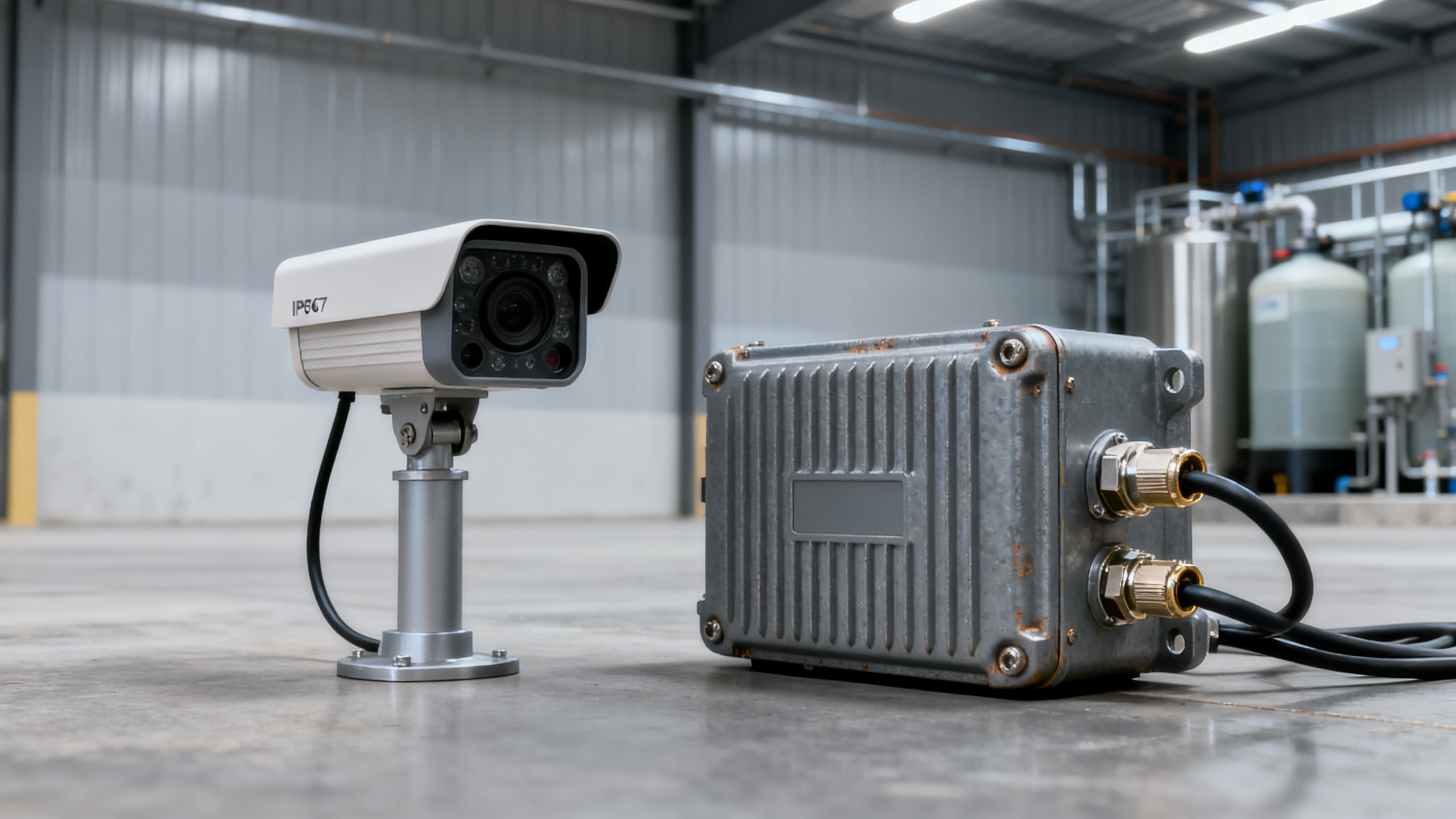
On May 21, 2026, the European Commission accelerated development of a new trade instrument targeting alleged ‘structural overcapacity’ in certain Chinese industrial exports — with industrial water treatment systems and CCTV surveillance equipment among the first categories designated for enhanced scrutiny. This move signals potential operational and compliance implications for manufacturers, exporters, importers, and supply chain service providers active in these sectors.
Event Overview
On May 21, 2026, the European Commission announced it is fast-tracking a new trade remedy tool aimed at addressing perceived ‘structural overcapacity’ in selected Chinese industrial products. The initial list includes industrial water treatment systems, CCTV monitoring equipment, circuit breakers, and sealing components. The Chinese Ministry of Commerce responded by stating the term ‘overcapacity’ lacks consistency with WTO rules and warned of firm countermeasures against discriminatory measures. As a result, EU importers may soon be required to conduct additional due diligence and supply chain audits for affected Chinese goods.
Which Subsectors Are Affected
Direct Exporters and Trading Companies
Companies exporting industrial water treatment systems or CCTV equipment from China to the EU face heightened regulatory visibility. The designation implies increased risk of customs inquiries, documentation requirements, and potential delays at EU borders — especially if shipments fall within the named product categories.
Manufacturers and OEMs
Producers supplying components (e.g., sealing parts, circuit breakers) integrated into larger water treatment or security systems may encounter downstream pressure. EU-based system integrators or brand owners could request additional origin tracing, production capacity disclosures, or factory audit reports — even if the final assembled product is not explicitly listed.
Supply Chain and Logistics Service Providers
Firms offering customs brokerage, certification support, or logistics coordination for EU-bound shipments of affected items may see rising demand for verification services — including technical classification reviews, origin documentation validation, and pre-shipment compliance checks.
What Relevant Companies or Practitioners Should Monitor and Do Now
Track official EU policy language and implementation timelines
The tool remains under development; no formal regulation has entered into force as of May 21, 2026. Stakeholders should monitor updates from the European Commission’s Directorate-General for Trade and the Official Journal of the European Union for draft texts, scope definitions, and procedural details.
Identify whether your products fall within the named categories — including subcomponents and technical specifications
‘Industrial water treatment systems’ and ‘CCTV monitoring equipment’ are broad terms. Analysis shows that tariff codes, functional descriptions, and end-use applications will likely determine inclusion — not just brand or marketing labels. Companies should cross-reference their HS codes and technical datasheets against preliminary EU guidance when released.
Distinguish between political signaling and enforceable obligations
Observably, this initiative reflects a broader policy shift rather than an immediate customs barrier. While EU importers may begin voluntary audits now, mandatory requirements — such as standardized due diligence protocols — would require formal adoption through delegated acts or implementing regulations.
Prepare documentation and internal traceability for high-risk SKUs
Current best practice involves compiling production capacity data, export volumes per destination, and supplier tier information for products aligned with the listed categories. This supports rapid response if audited — without implying admission of ‘overcapacity’ or violating commercial confidentiality.
Editorial Perspective / Industry Observation
This development is better understood as a strategic signal than an operational constraint — at least for now. Analysis shows the EU is testing a conceptual framework that could evolve into a broader, sector-agnostic trade instrument. From an industry perspective, its significance lies less in immediate tariffs or quotas, and more in how it reshapes expectations around transparency, capacity reporting, and supply chain accountability in EU market access. Continued attention is warranted because the scope may expand beyond the initial four categories, and alignment with other G7 initiatives on ‘resilient sourcing’ remains possible.
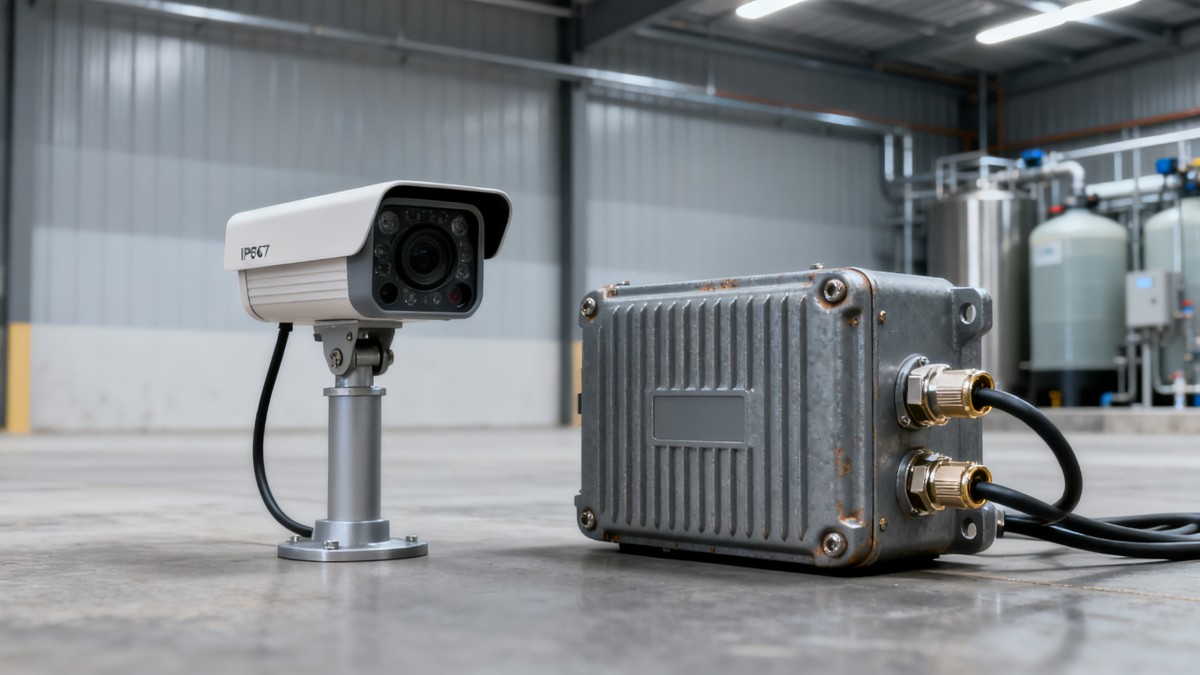
Conclusion: This initiative does not yet impose binding restrictions, but it introduces a new layer of regulatory anticipation for exporters and supply chain actors in water treatment, electronic security, and related electro-mechanical component sectors. It is more accurately interpreted as an early-stage policy probe — one that prioritizes information gathering and norm-setting over enforcement, yet carries tangible implications for documentation readiness, classification clarity, and stakeholder communication strategies.
Source: European Commission press release (May 21, 2026); Statement by China’s Ministry of Commerce (May 21, 2026). Note: Formal regulatory text, detailed scope criteria, and enforcement mechanisms remain pending and are subject to ongoing observation.
Technical Specifications
- How to Select Electronic Hotel Key Card Locks for Guest Rooms and Staff AreasAuthor :Safety Compliance Lead
- How to Select Lab Instruments for Reliable Chemical Analysis WorkflowsAuthor :Precision Metrology Expert
- How to Size a UPS for Server Rooms: Load, Runtime, and Redundancy FactorsAuthor :Grid Infrastructure Analyst
Expert Insights

Chief Security Architect
Dr. Thorne specializes in the intersection of structural engineering and digital resilience. He has advised three G7 governments on industrial infrastructure security.
Related Analysis
- Sep 17, 2026How to Select Electronic Hotel Key Card Locks for Guest Rooms and Staff AreasAuthor :Safety Compliance Lead
- Sep 16, 2026How to Select Lab Instruments for Reliable Chemical Analysis WorkflowsAuthor :Precision Metrology Expert
- Sep 15, 2026How to Size a UPS for Server Rooms: Load, Runtime, and Redundancy FactorsAuthor :Grid Infrastructure Analyst
Core Sector // 01
Security & Safety
- How to Size a Wafer Butterfly Valve for HVAC Chilled-Water and Heating LoopsAuthor :Environmental Engineering Director

- How Pressure Class and Joint Design Affect Long-Term Performance of Ductile Iron Pipes in Drainage InfrastructureAuthor :Environmental Engineering Director

- How Ductile Iron Pipe Joints Affect Installation Reliability and Leak ControlAuthor :Environmental Engineering Director

- How to Size Effluent Treatment Equipment for Variable Industrial Wastewater LoadsAuthor :Environmental Engineering Director

- US Battery Push Raises New Entry Rules for SuppliersAuthor :Environmental Engineering Director

- EU EMC Rule Tightens for Water Treatment ExportsAuthor :Environmental Engineering Director

- EU REACH Restriction Targets PFAS Water Treatment ImportsAuthor :Environmental Engineering Director

- EU Mandates EN 14113:2026 for Water Treatment ExportsAuthor :Environmental Engineering Director