How to vet an Environment & Ecology exporter before buying
Author
Date Published
Reading Time
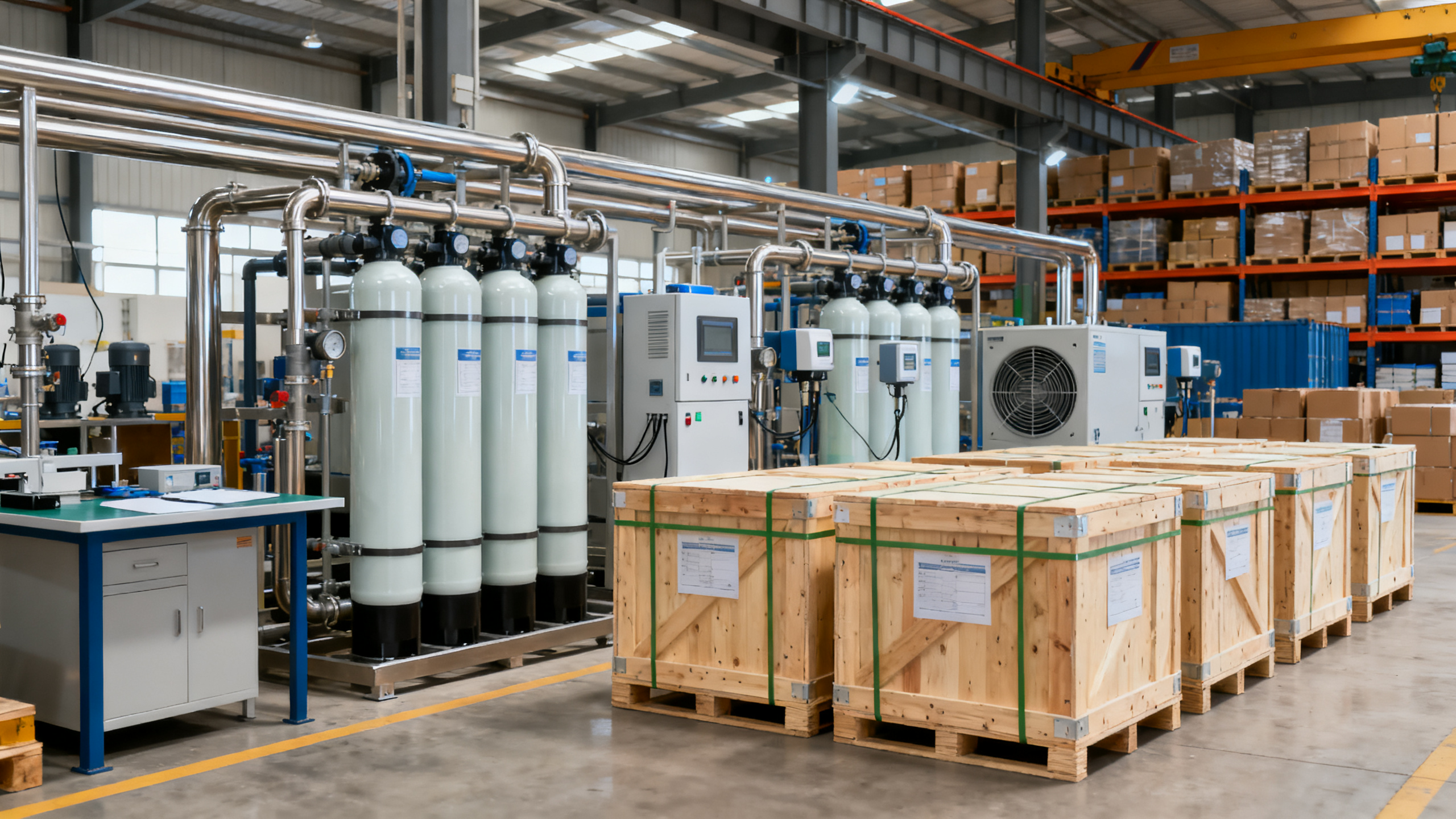
Choosing an Environment & Ecology exporter is more than comparing prices—it requires checking certifications, technical capability, compliance history, and delivery reliability. For procurement professionals, a careful vetting process helps reduce project risk, ensure environmental performance, and protect long-term value. This guide explains the key factors to review before you commit to a supplier.
Why procurement teams must vet an Environment & Ecology exporter differently
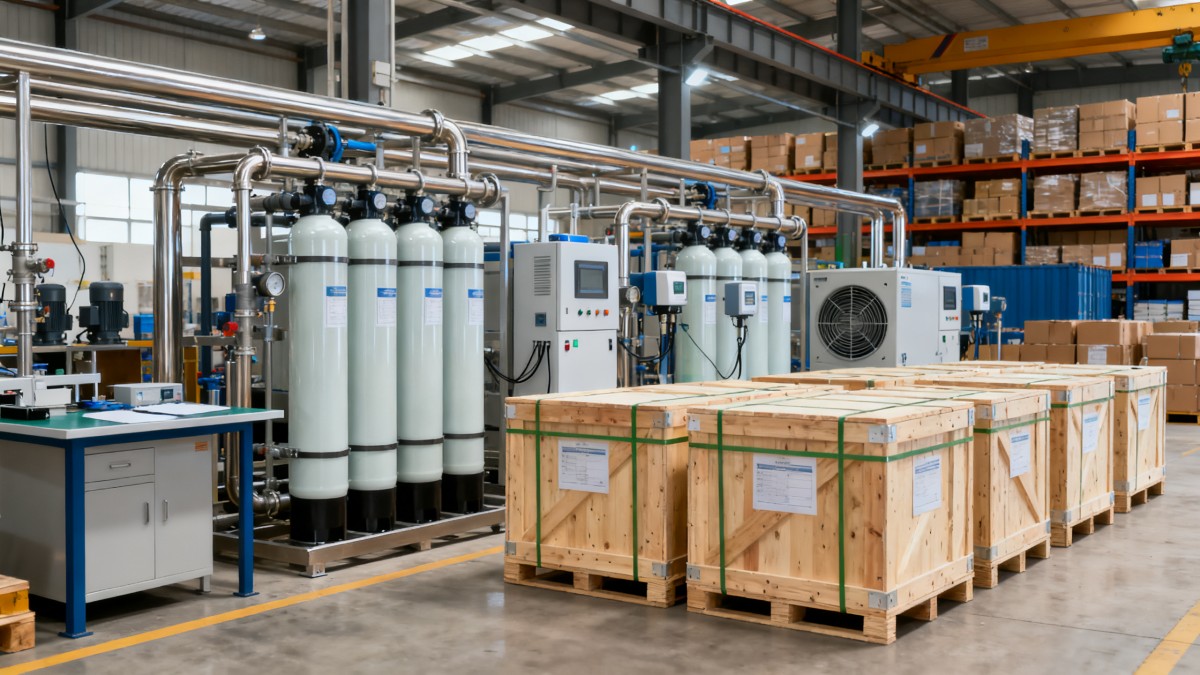
In industrial sourcing, Environment & Ecology products often sit at the intersection of compliance, process stability, and public accountability. That makes an Environment & Ecology exporter very different from a generic trading vendor selling low-risk consumables.
A poor supplier choice can lead to permit delays, failed inspections, weak environmental controls, shutdown exposure, or expensive retrofits. For EPC contractors, plant operators, and procurement directors, the supplier review process must be technical, documented, and repeatable.
This matters across wastewater treatment systems, air pollution control equipment, environmental monitoring devices, industrial filtration assemblies, containment solutions, and related infrastructure components. In each case, performance on paper is not enough. You need proof of manufacturing discipline, export readiness, and after-sales support.
- Environmental systems are often linked to statutory discharge, emissions, or safety requirements, so product failure may trigger legal and operational consequences.
- Specifications are frequently project-based, which means engineering alignment, material selection, and documentation quality directly affect installation success.
- Export execution is not only about shipping goods. It includes packing integrity, traceability, customs documentation, certificates, and response speed when deviations occur.
For buyers operating under tight schedules and compliance pressure, a structured vetting framework reduces surprises. It also improves supplier comparison when quotations look similar but real capability differs.
What should you check first before shortlisting an Environment & Ecology exporter?
Start with the basics, but do not stop there. Legal registration, export history, factory background, and product scope are only the first screening layer. The real task is to verify whether the exporter can consistently support industrial-grade environmental applications.
The table below gives procurement teams a practical first-pass screening model for an Environment & Ecology exporter before moving to technical review or sample evaluation.
A supplier that cannot provide clear supporting documents at this stage is usually not ready for mission-critical industrial orders. Early document discipline is often a strong signal of later project discipline.
Fast red flags in the first conversation
- They avoid discussing standards, operating limits, or materials of construction.
- They send generic brochures without linking products to application conditions.
- They promise very short lead times before reviewing drawings, media conditions, or compliance needs.
- They cannot explain who handles pre-shipment inspection, packaging control, or post-delivery technical questions.
Which technical and compliance factors matter most?
A reliable Environment & Ecology exporter should be able to discuss not only product dimensions and price, but also performance under actual operating conditions. Procurement teams should ask for evidence tied to media compatibility, design life, tolerance, inspection method, and relevant regulatory expectations.
For environmental equipment and components, specifications often vary by temperature, pressure, pH, particle size, flow range, corrosion risk, duty cycle, and site regulations. A qualified exporter must know how those variables affect product selection.
Technical review points that should not be skipped
- Material compatibility: confirm whether wetted parts, coatings, seals, or housings suit the fluid, gas, or waste stream involved.
- Performance verification: review capacity curves, filtration ratings, collection efficiency ranges, or sensor accuracy where relevant.
- Inspection method: ask how critical dimensions, leak integrity, electrical safety, or calibration are checked before shipment.
- Documentation readiness: ensure datasheets, manuals, packing lists, and certificates match the purchase order exactly.
When environmental systems are linked to public infrastructure, industrial plants, or regulated process lines, the difference between “available” and “fit for duty” is significant. Exporters with real sector experience can identify this early and help avoid costly rework.
Common certifications and compliance references to verify
The exact certificate depends on the product category and destination market, but procurement teams can still use a structured review matrix. The next table helps compare what documents may be relevant and what they actually tell you.
The strongest exporters explain what each document covers, what it does not cover, and whether your project needs additional testing, witness inspection, or destination-specific paperwork.
How do you compare manufacturers, exporters, and trading companies?
Many buyers ask whether they should work directly with a manufacturer or use an Environment & Ecology exporter with wider sourcing access. The answer depends on project complexity, documentation burden, and how many product categories you need to consolidate.
A manufacturer may offer deeper product control, while an experienced exporter may provide stronger cross-category sourcing, communication support, and shipment coordination. A trading company can be useful, but only if it adds real technical and compliance value.
Practical comparison model
Use the following comparison table when qualifying supply options for industrial environmental projects, especially where schedule pressure and multi-line procurement are involved.
This comparison also explains why procurement teams should ask who owns the quality plan, who prepares technical files, and who takes responsibility when a shipment fails inspection. Titles alone do not reveal execution ability.
What does a robust vetting process look like in practice?
A disciplined supplier approval process does not need to be slow. It needs to be structured. Procurement teams can move faster by using a staged model that screens risk early and escalates only qualified candidates to deeper review.
Recommended evaluation workflow
- Pre-qualification: collect company data, export scope, product lists, and baseline certificates.
- Technical matching: send duty conditions, drawings, media details, and required standards for review.
- Document audit: check datasheets, test methods, quality procedures, and sample inspection records.
- Commercial review: compare quotation structure, Incoterms, lead time assumptions, warranty wording, and deviation list.
- Final control plan: agree on inspection points, packing requirements, shipping documents, and communication channels.
This staged approach helps buyers avoid a common mistake: issuing a purchase order before technical deviations are closed. In environmental systems, small unresolved deviations can become major field problems.
Questions that reveal real supplier capability
- Which parts of the product are made in-house, and which are outsourced?
- How do you control incoming materials, dimensional checks, and final inspection?
- What destination markets do you currently support, and what paperwork is commonly required there?
- How do you handle non-conformance reports, replacement parts, or urgent technical clarifications after shipment?
How should buyers evaluate cost, lead time, and total risk?
The cheapest Environment & Ecology exporter is rarely the lowest-cost supplier over the full project cycle. Buyers should compare total landed value, not only ex-works price or the first quotation headline.
A low initial quote can hide weak packaging, missing documents, poor material traceability, or long response times when corrective action is needed. These gaps create indirect cost through delay, re-inspection, replacement freight, and engineering rework.
Cost factors beyond unit price
- Inspection cost if third-party witness checks are needed because supplier records are incomplete.
- Downtime exposure if a non-compliant item blocks site installation or commissioning.
- Rework cost when material grade, connection type, or environmental rating does not match the approved design.
- Administrative burden caused by repeated document correction, customs issues, or shipment discrepancies.
Lead time should also be tested. Ask what portion is raw material procurement, production, inspection, packaging, and export booking. A supplier that can explain lead time structure is usually more credible than one that gives only a round number.
Where does Global Industrial Core add value for procurement teams?
For industrial buyers, the challenge is not finding suppliers online. The challenge is identifying which suppliers can meet technical, compliance, and delivery requirements under real project conditions. That is where Global Industrial Core supports a more informed sourcing process.
GIC focuses on foundational industrial systems, including Environment & Ecology applications tied to infrastructure reliability, plant safety, and operational continuity. This perspective is especially relevant for EPC contractors, facility managers, and procurement leaders handling high-stakes purchases.
How that support translates into procurement benefit
- Better supplier screening through a stronger understanding of technical documentation, inspection logic, and compliance relevance.
- Clearer comparison between exporters, manufacturers, and multi-category sourcing partners in industrial contexts.
- Improved risk recognition around environmental systems where product failure can affect permitting, safety, or plant continuity.
- More confidence when evaluating technical whitepapers, testing records, and supplier claims presented during bidding.
For procurement teams that must justify decisions internally, this kind of structured intelligence helps turn supplier selection into a defendable process rather than a price-driven guess.
FAQ: common buyer questions about selecting an Environment & Ecology exporter
How do I know whether an Environment & Ecology exporter is technically capable?
Ask them to review your operating conditions and return a clear technical response, not just a quotation. A capable exporter should discuss materials, limits, inspection points, documentation, and likely application risks in practical terms.
Is certification enough to approve a supplier?
No. Certificates support confidence, but they do not prove that the exact product configuration fits your duty conditions. Always connect certification review to drawings, datasheets, test evidence, and shipment control procedures.
What is the most overlooked risk during exporter selection?
Documentation mismatch is often underestimated. Even when the product is usable, inconsistent model numbers, missing declarations, or incorrect packing records can delay customs clearance, site approval, or payment release.
Should I request samples or a factory audit?
If the order is high value, technically sensitive, or linked to regulated performance, yes. A sample, virtual audit, or third-party inspection can reveal process maturity, finishing quality, and documentation control before you commit to bulk purchasing.
Why choose us for sourcing intelligence and next-step support?
If you are evaluating an Environment & Ecology exporter for an industrial project, GIC can support a more disciplined decision process. Our focus is not generic supplier listing. It is technical and sourcing intelligence built for buyers managing compliance, performance, and delivery risk.
You can engage with us to clarify product parameters, compare sourcing routes, review supplier documentation logic, assess likely lead time risks, and identify which compliance items deserve deeper verification before order placement.
- Need help confirming environmental equipment parameters or matching a product to process conditions?
- Need a structured checklist for supplier qualification, certification review, or pre-shipment control?
- Need support comparing quotations, delivery schedules, customization feasibility, or sample arrangements?
- Need guidance on how to discuss certification scope, documentation gaps, or total procurement risk with shortlisted exporters?
Contact us with your application details, required standards, target market, and delivery window. That allows a faster discussion around product selection, documentation priorities, sample support, quotation comparison, and export-readiness checks before you proceed.
Technical Specifications
- How to Select Electronic Hotel Key Card Locks for Guest Rooms and Staff AreasAuthor :Safety Compliance Lead
- How to Select Lab Instruments for Reliable Chemical Analysis WorkflowsAuthor :Precision Metrology Expert
- How to Size a UPS for Server Rooms: Load, Runtime, and Redundancy FactorsAuthor :Grid Infrastructure Analyst
Expert Insights

Chief Security Architect
Dr. Thorne specializes in the intersection of structural engineering and digital resilience. He has advised three G7 governments on industrial infrastructure security.
Related Analysis
- Sep 17, 2026How to Select Electronic Hotel Key Card Locks for Guest Rooms and Staff AreasAuthor :Safety Compliance Lead
- Sep 16, 2026How to Select Lab Instruments for Reliable Chemical Analysis WorkflowsAuthor :Precision Metrology Expert
- Sep 15, 2026How to Size a UPS for Server Rooms: Load, Runtime, and Redundancy FactorsAuthor :Grid Infrastructure Analyst
Core Sector // 01
Security & Safety
- How to Size a Wafer Butterfly Valve for HVAC Chilled-Water and Heating LoopsAuthor :Environmental Engineering Director

- How Pressure Class and Joint Design Affect Long-Term Performance of Ductile Iron Pipes in Drainage InfrastructureAuthor :Environmental Engineering Director

- How Ductile Iron Pipe Joints Affect Installation Reliability and Leak ControlAuthor :Environmental Engineering Director

- How to Size Effluent Treatment Equipment for Variable Industrial Wastewater LoadsAuthor :Environmental Engineering Director

- US Battery Push Raises New Entry Rules for SuppliersAuthor :Environmental Engineering Director

- EU EMC Rule Tightens for Water Treatment ExportsAuthor :Environmental Engineering Director

- EU REACH Restriction Targets PFAS Water Treatment ImportsAuthor :Environmental Engineering Director

- EU Mandates EN 14113:2026 for Water Treatment ExportsAuthor :Environmental Engineering Director