How to vet an Environment & Ecology exporter before buying
Author
Date Published
Reading Time
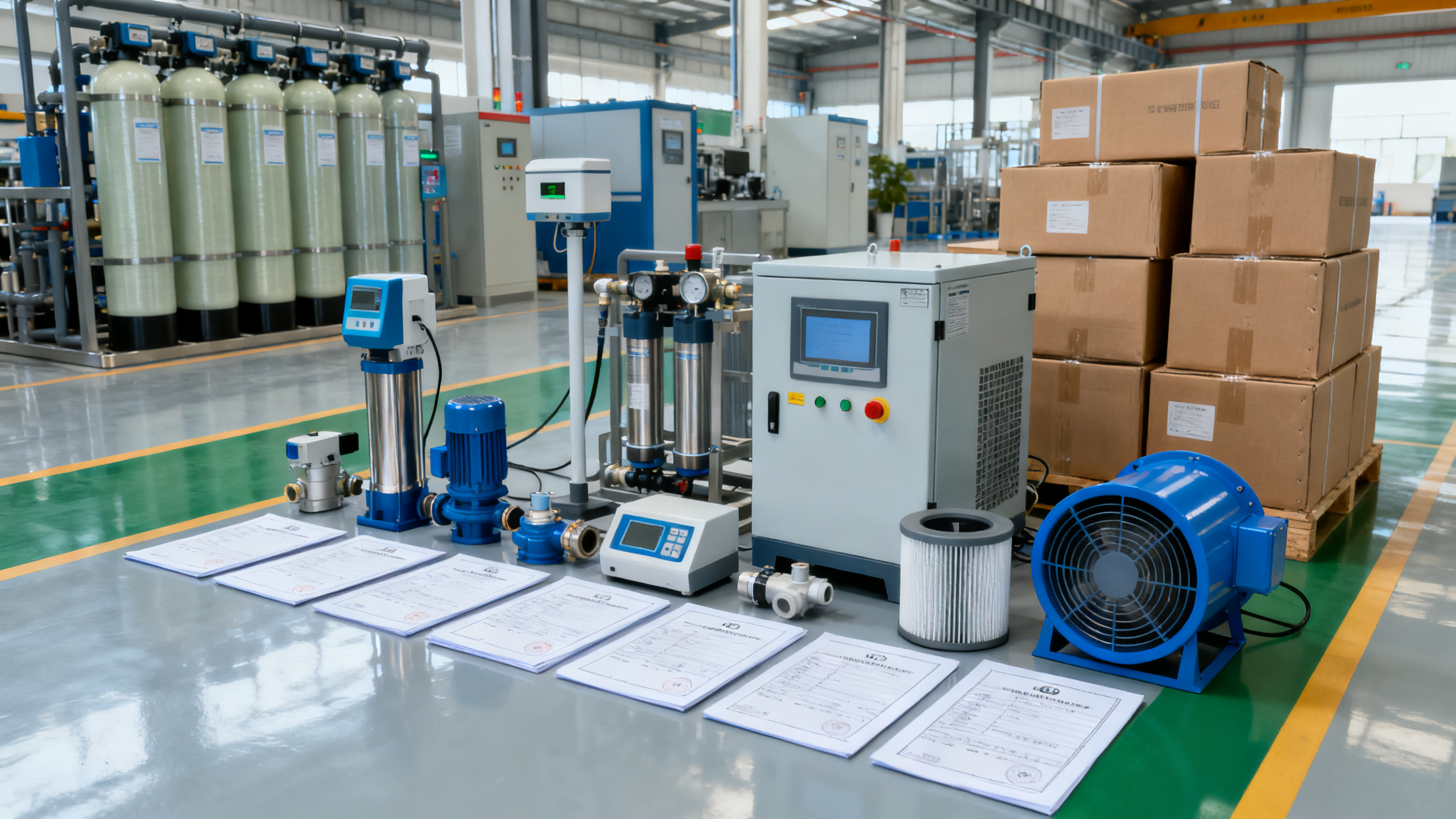
Choosing the right Environment & Ecology exporter is more than a price comparison—it is a risk-control decision that affects compliance, sustainability, and long-term operational performance. Careful supplier vetting reduces exposure to quality failures, certification gaps, shipment delays, and hidden lifecycle costs. In industrial sourcing, a structured review process creates better buying confidence and stronger operational resilience.
Understanding the role of an Environment & Ecology exporter
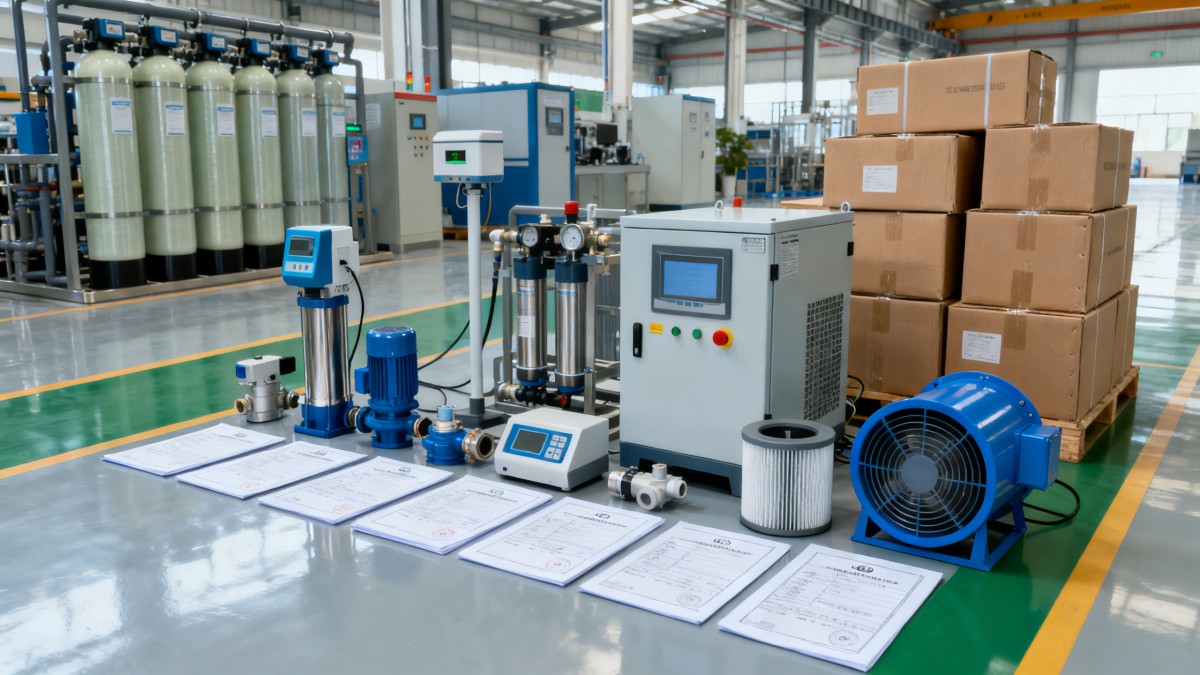
An Environment & Ecology exporter supplies products, systems, or materials linked to environmental protection, resource management, pollution control, and ecological compliance.
This may include wastewater treatment components, air filtration units, monitoring instruments, recycling systems, containment materials, and eco-oriented industrial equipment.
In the broader industrial market, these exporters often support infrastructure, utilities, manufacturing plants, construction projects, and remediation programs.
Because environmental systems affect legal compliance and public safety, supplier selection must go beyond brochures and generic catalogs.
A reliable Environment & Ecology exporter should demonstrate technical competence, traceable production, stable documentation, and a clear understanding of destination-market standards.
Why supplier vetting matters in today’s industrial landscape
Environmental equipment now sits under closer regulatory, financial, and reputational scrutiny than ever before.
A weak exporter can create downstream losses through failed inspections, permit delays, replacement costs, and poor field performance.
Current market pressure points make vetting essential:
- Tighter environmental regulations across major import markets
- Demand for verified ESG and sustainability documentation
- Higher expectations for product traceability and testing records
- Greater supply chain volatility and logistics disruption risk
- Need for compatibility with existing industrial systems
When evaluating an Environment & Ecology exporter, buyers should treat supplier approval as part of project risk management, not only vendor onboarding.
Core checks before selecting an Environment & Ecology exporter
The most effective vetting process starts with evidence, not claims. Several checkpoints should be reviewed before any commercial commitment.
1. Verify legal identity and export capability
Confirm the registered company name, business license, export license status, and operating history.
Check whether the exporter is the manufacturer, a trading company, or a mixed sourcing entity. This affects control, lead time, and accountability.
2. Review certifications and compliance scope
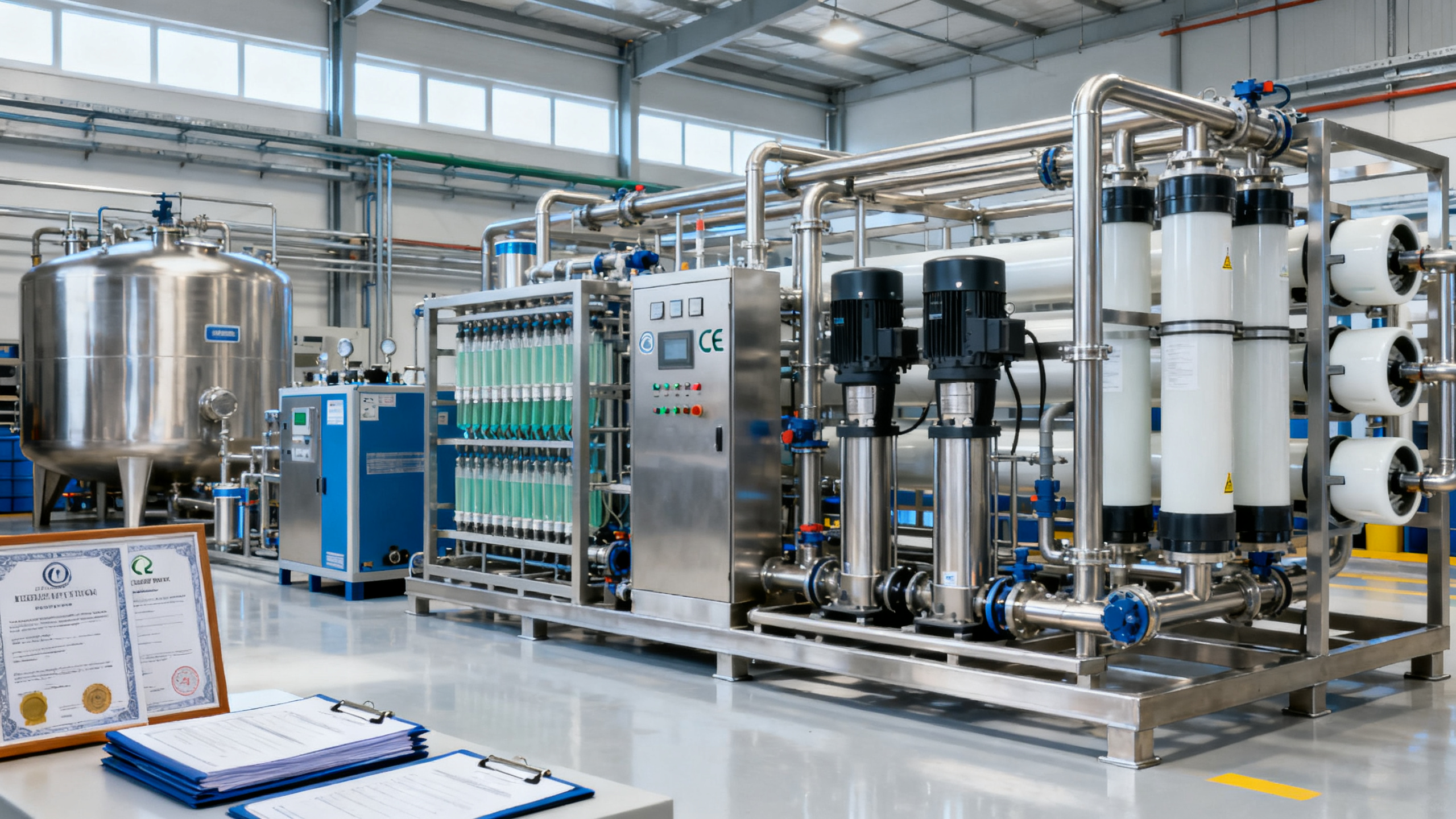
A credible Environment & Ecology exporter should provide valid certificates relevant to the product and destination market.
Common references may include ISO 9001, ISO 14001, CE, RoHS, REACH, UL, or industry-specific test reports.
Do not only ask whether certificates exist. Confirm the issuing body, validity period, covered product models, and test standard numbers.
3. Assess technical documentation quality
Poor documentation often signals weak engineering discipline. Request datasheets, drawings, material specifications, installation guides, and maintenance instructions.
Documents should be consistent, clearly versioned, and technically complete. Missing tolerances or unclear operating limits are warning signs.
4. Examine production and quality controls
Ask how raw materials are sourced, inspected, processed, and recorded. Request details on incoming inspection, in-process control, final testing, and nonconformance handling.
A dependable Environment & Ecology exporter should explain its quality workflow without hesitation.
5. Check delivery performance and packaging standards
Environmental products are often sensitive to moisture, contamination, vibration, or incorrect storage orientation.
Review packaging methods, export marking, palletization, container loading, and damage prevention procedures.
A practical evaluation framework for comparison
A structured matrix helps compare exporters on more than price. It also improves internal alignment during sourcing review.
Business value of choosing the right exporter
A well-vetted Environment & Ecology exporter contributes value beyond the initial order price.
The right supplier supports stable commissioning, lower maintenance burden, cleaner audits, and stronger lifecycle economics.
This matters especially when environmental systems are tied to permits, emissions thresholds, water discharge limits, or public reporting requirements.
- Reduced risk of compliance failures at site level
- Better consistency across repeat orders and multi-site projects
- Stronger documentation for inspection and client review
- Lower hidden costs from rework and replacement
- Improved resilience in global industrial supply chains
Typical supplier types and sourcing scenarios
Not every Environment & Ecology exporter fits every project. Matching supplier type to application improves outcomes.
Warning signs that should trigger deeper review
Several red flags frequently appear during early supplier screening. These should not be ignored.
- Certificates with mismatched company names or expired dates
- Datasheets copied from unrelated brands or inconsistent units
- Unclear factory location or refusal to share audit materials
- Large claims without project references or testing proof
- Very low prices paired with vague specifications
- Slow answers on warranty, traceability, or spare parts
A trustworthy Environment & Ecology exporter may not be the cheapest, but should be transparent, documented, and technically consistent.
Practical steps before placing the first order
Before committing to volume, a staged buying approach helps reduce uncertainty.
- Request a full compliance document pack
- Compare technical parameters line by line
- Review sample reports or pre-shipment inspection records
- Run a pilot order before long-term commitment
- Define acceptance criteria in the purchase contract
- Clarify Incoterms, packing scope, and claim procedures
For complex environmental systems, third-party inspection or technical review can add valuable control before shipment.
Moving from supplier screening to confident procurement
Selecting an Environment & Ecology exporter should be based on verified capability, compliance discipline, and dependable execution.
The most reliable decisions come from combining document review, technical validation, production visibility, and controlled trial purchasing.
Use a repeatable checklist, keep evidence on file, and compare suppliers with objective criteria instead of headline price alone.
That approach helps build a safer, more resilient sourcing process and supports better long-term results from every Environment & Ecology exporter relationship.
Technical Specifications
- How to Select Electronic Hotel Key Card Locks for Guest Rooms and Staff AreasAuthor :Safety Compliance Lead
- How to Select Lab Instruments for Reliable Chemical Analysis WorkflowsAuthor :Precision Metrology Expert
- How to Size a UPS for Server Rooms: Load, Runtime, and Redundancy FactorsAuthor :Grid Infrastructure Analyst
Expert Insights

Chief Security Architect
Dr. Thorne specializes in the intersection of structural engineering and digital resilience. He has advised three G7 governments on industrial infrastructure security.
Related Analysis
- Sep 17, 2026How to Select Electronic Hotel Key Card Locks for Guest Rooms and Staff AreasAuthor :Safety Compliance Lead
- Sep 16, 2026How to Select Lab Instruments for Reliable Chemical Analysis WorkflowsAuthor :Precision Metrology Expert
- Sep 15, 2026How to Size a UPS for Server Rooms: Load, Runtime, and Redundancy FactorsAuthor :Grid Infrastructure Analyst
Core Sector // 01
Security & Safety
- How to Size a Wafer Butterfly Valve for HVAC Chilled-Water and Heating LoopsAuthor :Environmental Engineering Director

- How Pressure Class and Joint Design Affect Long-Term Performance of Ductile Iron Pipes in Drainage InfrastructureAuthor :Environmental Engineering Director

- How Ductile Iron Pipe Joints Affect Installation Reliability and Leak ControlAuthor :Environmental Engineering Director

- How to Size Effluent Treatment Equipment for Variable Industrial Wastewater LoadsAuthor :Environmental Engineering Director

- US Battery Push Raises New Entry Rules for SuppliersAuthor :Environmental Engineering Director

- EU EMC Rule Tightens for Water Treatment ExportsAuthor :Environmental Engineering Director

- EU REACH Restriction Targets PFAS Water Treatment ImportsAuthor :Environmental Engineering Director

- EU Mandates EN 14113:2026 for Water Treatment ExportsAuthor :Environmental Engineering Director