First-Class Constructor Bonus Raised to $80,000 for Municipal & Transport Specialties (2026)
Author
Date Published
Reading Time
Effective 2026, a newly issued internal policy by central state-owned enterprises raises the one-time certification bonus for First-Class Constructors specializing in Municipal Engineering and Transportation Engineering to USD 80,000. This update signals heightened strategic emphasis on infrastructure execution capability—particularly in Industrial Water Treatment (municipal water plant EPC), Power Transmission (transportation-grid integration), and Steel & Metal Profiles (bridge structural steel)—and may influence overseas procurement confidence in Chinese EPC contractors.
Event Overview
An internal document from a central state-owned enterprise confirms that, starting in 2026, the lump-sum incentive for holding a First-Class Constructor qualification in Municipal or Transportation Engineering will be increased to USD 80,000. No official public release date or broader regulatory framework has been confirmed; the information originates solely from this internal personnel policy.
Industries Affected
Engineering Procurement Construction (EPC) Contractors
These firms directly execute integrated infrastructure projects. The bonus increase targets talent retention and recruitment in two high-priority technical domains—Municipal and Transportation Engineering—where project complexity and compliance rigor are especially high. Impact manifests primarily in upgraded bidding competitiveness for municipal water treatment EPC tenders and transport-related grid-integration contracts, where certified lead engineers are mandatory.
Specialized Fabrication & Component Suppliers
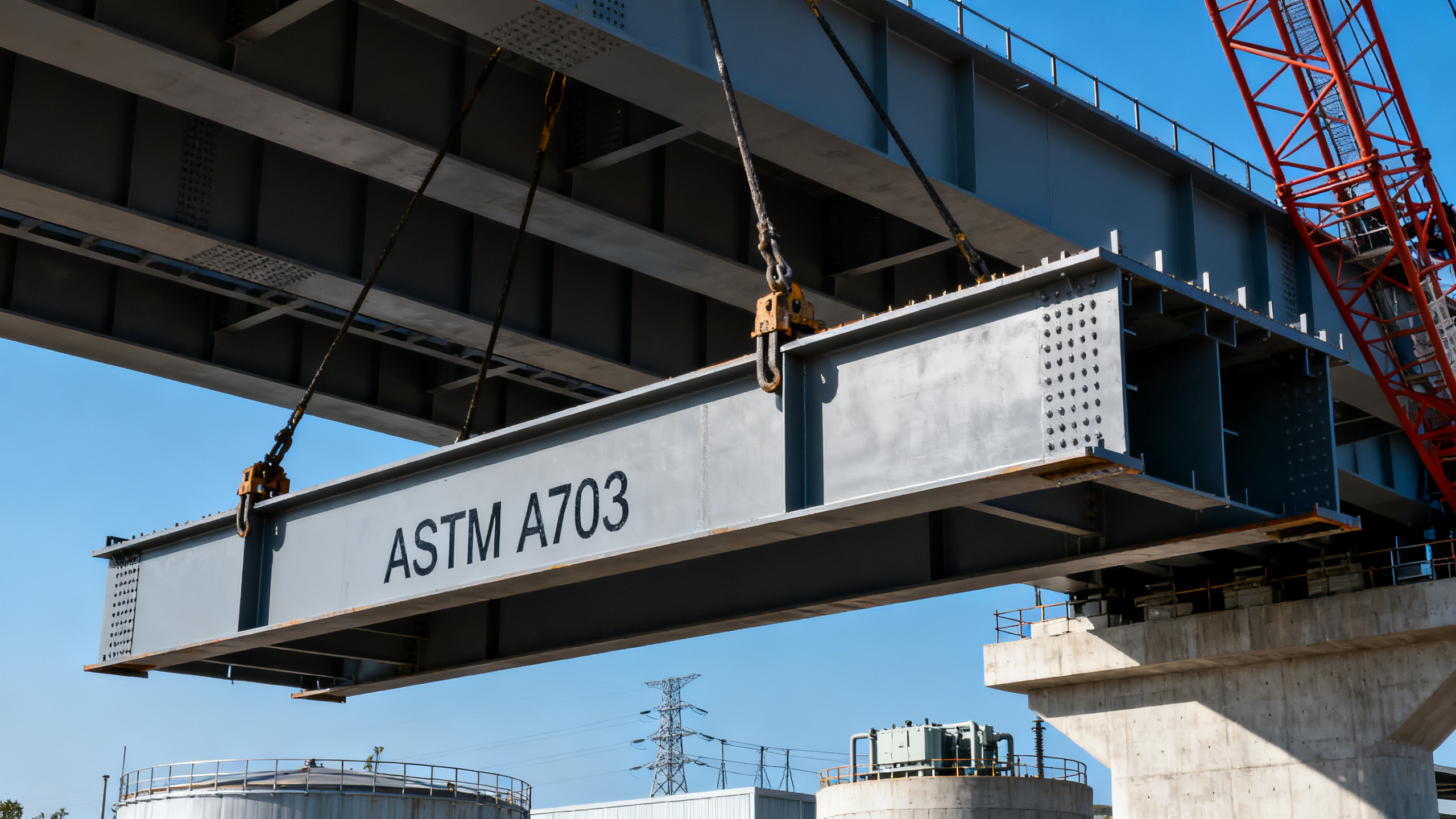
Suppliers of steel and metal profiles for bridge structures—and other civil infrastructure elements—face indirect but tangible effects. As EPC contractors strengthen engineering capacity in transportation projects, demand for precision-fabricated, code-compliant structural components is likely to rise. This may accelerate order cycles and tighten specification alignment requirements, particularly for ISO 3834-certified welding or ASTM A709-grade materials.
Industrial Water Treatment System Integrators
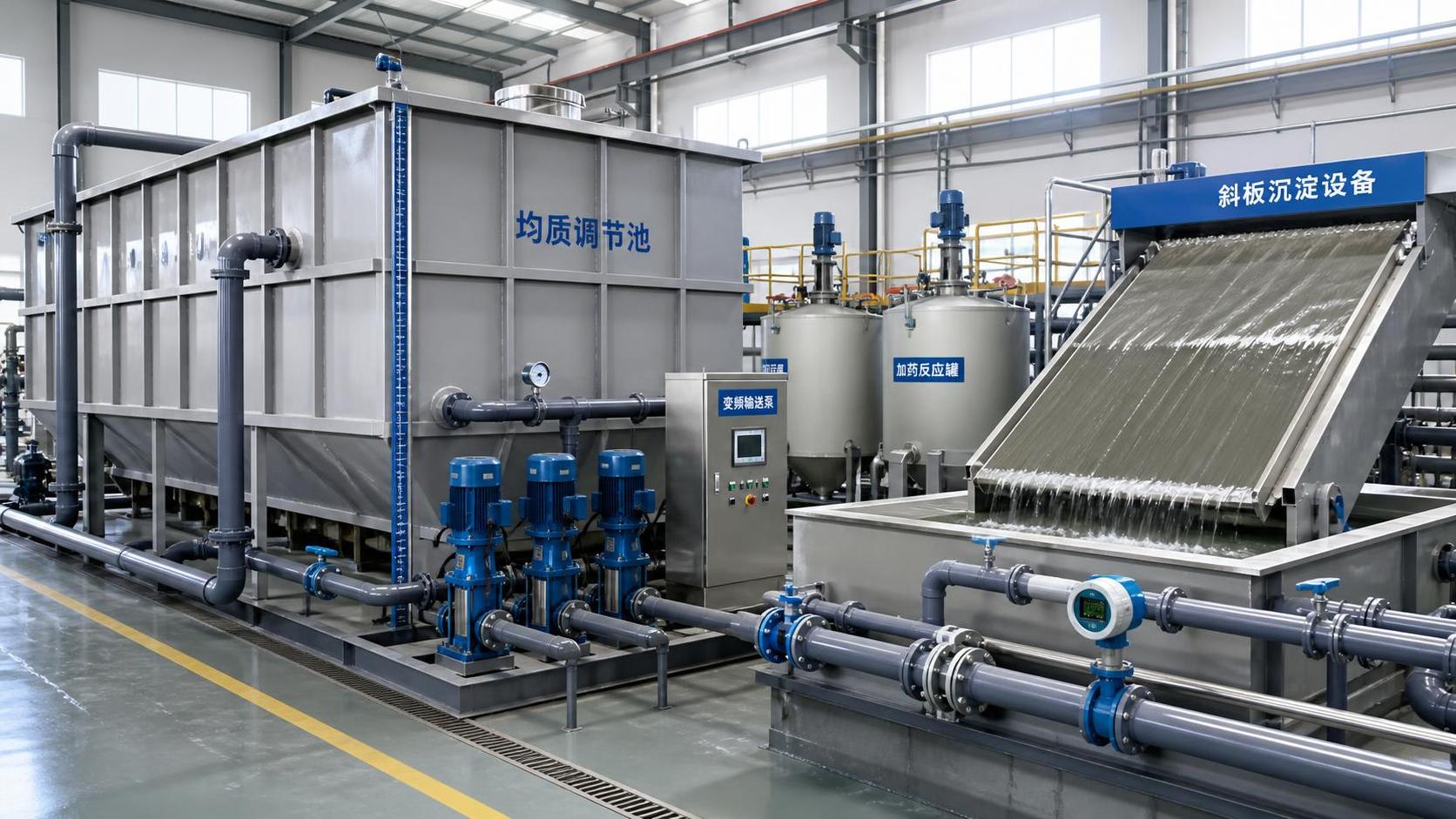
Firms delivering EPC services for municipal water plants rely heavily on certified municipal constructors for design validation, commissioning sign-off, and regulatory handover. With higher retention incentives for these professionals, integrators may observe improved continuity in project execution timelines and fewer delays due to personnel turnover during critical phases such as hydraulic testing or discharge permit approval.
Power Transmission Infrastructure Support Providers
Vendors supporting grid-transport integration—including those supplying cable laying equipment, GIS substation modules, or SCADA integration services—may experience upstream demand shifts. Stronger engineering leadership on the contractor side could translate into earlier and more technically precise scope definition, affecting vendor engagement timing and documentation depth required during pre-bid technical consultations.
Key Considerations for Enterprises and Professionals
Monitor official policy rollout and eligibility criteria
The current figure (USD 80,000) stems from an internal SOE document—not a national regulation. Enterprises should track whether this becomes standardized across major SOEs or evolves into a Ministry of Housing and Urban-Rural Development guideline. Eligibility conditions (e.g., registration duration, project experience thresholds, or employer type restrictions) remain unconfirmed and warrant verification before operational planning.
Assess impact on key project categories and regional markets
Municipal water treatment and transport-grid integration projects—especially those under China’s Belt and Road Initiative or domestic ‘14th Five-Year Plan’ urban renewal programs—are most likely to reflect this incentive in practice. Firms active in Southeast Asia, Central Asia, or African infrastructure corridors should assess whether local partner EPC capacity upgrades align with this talent strategy.
Distinguish policy signal from immediate business effect
This is a human capital incentive—not a direct funding mechanism or procurement rule change. Its influence on delivery quality or overseas buyer confidence will unfold gradually, contingent on actual certification uptake, project assignment patterns, and third-party verification of performance outcomes. Short-term commercial decisions should not presume automatic improvement in tender win rates or contract execution speed.
Review internal staffing models and subcontractor vetting criteria
Contractors and integrators may need to adjust engineer deployment protocols and subcontractor qualification checklists—particularly where municipal or transportation constructor certification is now a contractual prerequisite. Preemptive alignment with HR policies and subcontractor agreements helps avoid scope disputes during audit or commissioning stages.
Editorial Observation / Industry Perspective
Observably, this policy functions primarily as a strategic signal—not an operational shift. It reflects prioritization of two engineering disciplines essential to infrastructure resilience and cross-sector integration (e.g., water-energy-transport linkages), rather than a broad-based industry-wide reform. Analysis shows the USD 80,000 benchmark is significantly above prior internal benchmarks (previously reported at USD 30,000–50,000), suggesting intensified competition for scarce, qualified personnel. From an industry perspective, it is better understood as a targeted workforce stabilization measure within a subset of SOE-led EPC execution, not yet evidence of systemic regulatory or market transformation. Continued observation is warranted to determine whether similar incentives emerge in environmental, rail, or port engineering specialties.
Ultimately, this update underscores how human capital policy—though internal and non-regulatory—can shape technical capability perception, especially in internationally benchmarked infrastructure delivery. Its significance lies less in immediate financial impact and more in its role as a leading indicator of where state-backed engineering capacity is being deliberately reinforced. For stakeholders, it is best interpreted not as a market catalyst, but as a contextual marker of evolving execution priorities within China’s infrastructure export ecosystem.
Source Disclosure: Primary source is an internal personnel policy document circulated within a central state-owned enterprise. No public regulatory notice, MOHURD announcement, or national standard revision has been confirmed. Ongoing monitoring is recommended for formal policy codification, inter-enterprise adoption patterns, and third-party verification of associated project performance metrics.
Technical Specifications
- How to Select Electronic Hotel Key Card Locks for Guest Rooms and Staff AreasAuthor :Safety Compliance Lead
- How to Select Lab Instruments for Reliable Chemical Analysis WorkflowsAuthor :Precision Metrology Expert
- How to Size a UPS for Server Rooms: Load, Runtime, and Redundancy FactorsAuthor :Grid Infrastructure Analyst
Expert Insights

Chief Security Architect
Dr. Thorne specializes in the intersection of structural engineering and digital resilience. He has advised three G7 governments on industrial infrastructure security.
Related Analysis
- Sep 17, 2026How to Select Electronic Hotel Key Card Locks for Guest Rooms and Staff AreasAuthor :Safety Compliance Lead
- Sep 16, 2026How to Select Lab Instruments for Reliable Chemical Analysis WorkflowsAuthor :Precision Metrology Expert
- Sep 15, 2026How to Size a UPS for Server Rooms: Load, Runtime, and Redundancy FactorsAuthor :Grid Infrastructure Analyst
Core Sector // 01
Security & Safety
- How to Size a Wafer Butterfly Valve for HVAC Chilled-Water and Heating LoopsAuthor :Environmental Engineering Director

- How Pressure Class and Joint Design Affect Long-Term Performance of Ductile Iron Pipes in Drainage InfrastructureAuthor :Environmental Engineering Director

- How Ductile Iron Pipe Joints Affect Installation Reliability and Leak ControlAuthor :Environmental Engineering Director

- How to Size Effluent Treatment Equipment for Variable Industrial Wastewater LoadsAuthor :Environmental Engineering Director

- US Battery Push Raises New Entry Rules for SuppliersAuthor :Environmental Engineering Director

- EU EMC Rule Tightens for Water Treatment ExportsAuthor :Environmental Engineering Director

- EU REACH Restriction Targets PFAS Water Treatment ImportsAuthor :Environmental Engineering Director

- EU Mandates EN 14113:2026 for Water Treatment ExportsAuthor :Environmental Engineering Director