How to Choose Odor Control Systems for Waste and Water Facilities
Author
Date Published
Reading Time
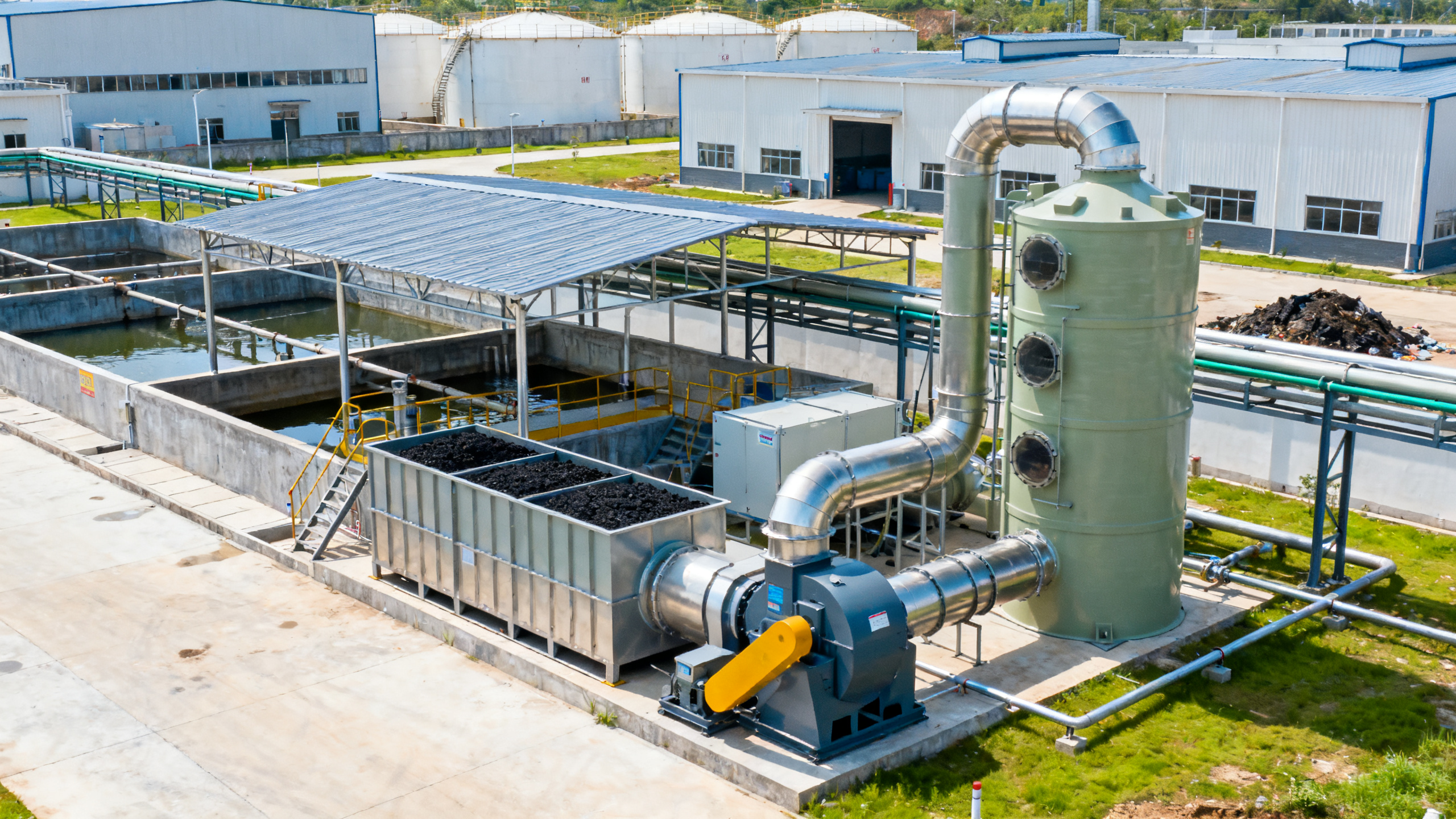
How to Choose Odor Control Systems for Waste and Water Facilities
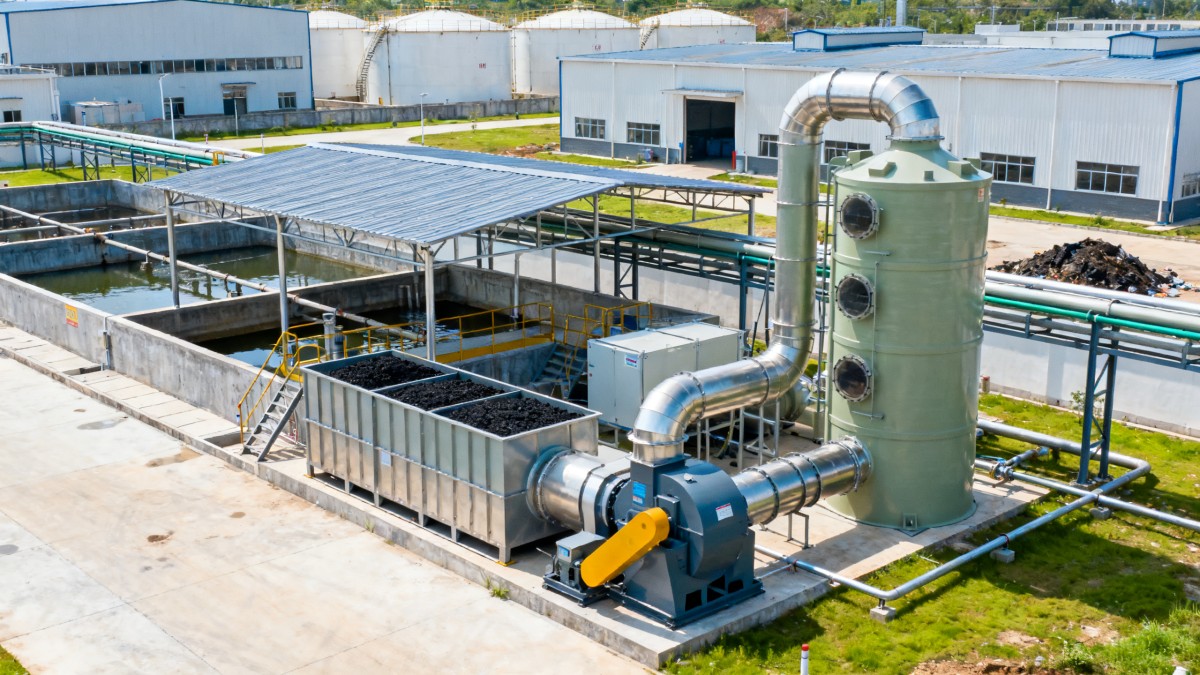
Choosing odor control systems for waste and water facilities is rarely a simple equipment decision.
It affects permit compliance, operator exposure, neighborhood complaints, and the total cost of running the site.
That is why early selection work matters as much as final performance guarantees.
The best odor control systems match the air stream, contaminant profile, operating pattern, and maintenance reality of the facility.
A system that works well on paper can still fail if loading swings, moisture, corrosion, or operator access were underestimated.
In practice, smart selection means comparing technology fit before comparing supplier price.
This guide breaks down the factors that usually drive better decisions across design, procurement, commissioning, and daily operation.
Start with the Odor Source, Not the Equipment List
Many odor control systems are selected too early, before the odor problem is clearly defined.
That creates unnecessary oversizing in some areas and poor control in others.
Start by mapping each emission point.
Typical sources include headworks, sludge handling, equalization tanks, digesters, pump stations, chemical storage, and dewatering buildings.
Then define what is actually in the air stream.
Hydrogen sulfide is common, but ammonia, mercaptans, VOCs, and organic acids may also shape technology choice.
Two questions matter early.
- Is the odor load constant or highly variable?
- Is the issue mostly nuisance odor, corrosion risk, or both?
Those answers narrow the field quickly and keep odor control systems aligned with the real duty.
Know Which Technology Fits the Duty
There is no universal best option among odor control systems.
The right answer depends on contaminants, airflow, removal target, footprint, utilities, and staffing.
Activated Carbon Systems
Activated carbon odor control systems are widely used for low to moderate flow rates and predictable contaminant loads.
They are compact, relatively simple, and often attractive for covered process areas or remote stations.
However, media life can change fast when humidity, H2S spikes, or organics exceed design assumptions.
Chemical Scrubbers
Chemical scrubber odor control systems work well for high concentrations and demanding removal requirements.
They are especially effective when hydrogen sulfide and ammonia require targeted treatment stages.
The tradeoff is a higher operating burden, including reagent handling, water balance, scaling control, and instrumentation care.
Biofilters and Bioscrubbers
Biological odor control systems are attractive when energy use, chemical reduction, and sustainability goals are important.
They can be very effective on large air volumes with suitable contaminant ranges.
Still, they need stable moisture, temperature control, and good operator discipline.
If seasonal extremes are severe, performance stability needs close review.
Hybrid Configurations
More facilities now use hybrid odor control systems.
A scrubber may remove bulk contaminants, while a carbon polishing stage handles residual odor.
This approach often improves resilience when influent quality changes over time.
Evaluate Five Technical Inputs Before Final Selection
Shortlisting odor control systems becomes easier when the evaluation criteria are explicit.
Five inputs usually separate workable proposals from risky ones.
- Airflow and turndown range. Design for average and peak conditions, not nameplate airflow alone.
- Contaminant composition. Include concentration, compound mix, humidity, and temperature.
- Removal target. Define whether the goal is ppm reduction, odor units, or complaint reduction.
- Materials of construction. Corrosion resistance matters across housings, ducts, fans, and fasteners.
- Utility and maintenance support. Confirm chemical supply, water quality, drainage, access, and spare parts.
This is also where specification discipline becomes valuable.
If the design basis is vague, supplier comparisons become hard to trust.
Consider Site Conditions Early
The same odor control systems can perform very differently across sites.
That is often due to layout and operating context rather than core technology.
Review the following before final approval.
- Available footprint and height restrictions
- Distance from odor source to treatment unit
- Duct routing and pressure loss
- Access for media changeout or packing maintenance
- Cold weather, coastal exposure, or heat stress
- Noise and visual constraints near communities
From recent project trends, tighter sites are pushing more compact odor control systems into consideration.
That can work well, but only if service access stays practical.
Look Beyond CAPEX to Real Lifecycle Cost
Low first cost can hide expensive operating consequences.
For odor control systems, lifecycle cost usually tells the more useful story.
A practical comparison should include more than equipment price.
This broader view often changes the ranking of odor control systems during procurement.
Check Compliance, Monitoring, and Vendor Claims Carefully
Regulatory pressure around odor and emissions is becoming more visible in many regions.
That means odor control systems should be reviewed against current permit conditions and likely future expectations.
Ask suppliers to show evidence, not just removal percentages.
- Reference projects with similar wastewater characteristics
- Performance data at comparable airflow and contaminant levels
- Instrument list and monitoring philosophy
- Materials certifications and corrosion design basis
- Commissioning scope and operator training content
More importantly, define how success will be verified after startup.
Without clear acceptance criteria, even strong odor control systems can become a dispute later.
A Practical Selection Workflow
When schedules are tight, structure helps.
A simple workflow can keep odor control systems selection grounded and defensible.
- Characterize odor sources and collect representative air data.
- Define performance targets, operating profile, and compliance needs.
- Screen feasible odor control systems by technology fit and site limits.
- Compare lifecycle cost, maintenance burden, and failure consequences.
- Validate supplier references and confirm testing assumptions.
- Lock in commissioning, monitoring, and spare parts requirements.
This process sounds basic, but it prevents many common selection errors.
It also gives procurement teams a cleaner basis for evaluating bids.
Final Decision Criteria That Hold Up Over Time
The best odor control systems are not simply the highest removal units in a brochure.
They are the systems that keep performing under actual plant conditions, with real staffing and real variability.
When comparing options, give more weight to stability, maintainability, and proven field performance.
That usually leads to better long-term value than chasing the lowest initial quote.
For waste and water facilities, odor control systems should be specified as part of operating strategy, not just as auxiliary equipment.
A disciplined selection process now reduces complaints, protects assets, and lowers avoidable cost later.
That is the standard worth designing for.
Technical Specifications
- Air Handling Unit Supplier Checklist: Performance Data, Lead Times, and SupportAuthor :Environmental Engineering Director
- Buying Fiberglass Water Tanks Wholesale: Compare Quotes and Delivery CostsAuthor :Environmental Engineering Director
- Choosing an XLPE Power Cable Supplier: Test Reports, Traceability, and Lead TimesAuthor :Grid Infrastructure Analyst
Expert Insights

Chief Security Architect
Dr. Thorne specializes in the intersection of structural engineering and digital resilience. He has advised three G7 governments on industrial infrastructure security.
Related Analysis
- Oct 19, 2026Air Handling Unit Supplier Checklist: Performance Data, Lead Times, and SupportAuthor :Environmental Engineering Director
- Oct 18, 2026Buying Fiberglass Water Tanks Wholesale: Compare Quotes and Delivery CostsAuthor :Environmental Engineering Director
- Oct 17, 2026Choosing an XLPE Power Cable Supplier: Test Reports, Traceability, and Lead TimesAuthor :Grid Infrastructure Analyst
Core Sector // 01
Security & Safety
- Buying Fiberglass Water Tanks Wholesale: Compare Quotes and Delivery CostsAuthor :Environmental Engineering Director

- How to Select Industrial pH Meters for Continuous Wastewater Process ControlAuthor :Environmental Engineering Director

- How to Size a Rinse Fill Cap Machine for Your Bottle Format and Target OutputAuthor :Environmental Engineering Director

- How to Size a Heavy-Duty Submersible Sewage Pump for High-Solids Lift StationsAuthor :Environmental Engineering Director

- How to Size a Wafer Butterfly Valve for HVAC Chilled-Water and Heating LoopsAuthor :Environmental Engineering Director

- How Pressure Class and Joint Design Affect Long-Term Performance of Ductile Iron Pipes in Drainage InfrastructureAuthor :Environmental Engineering Director

- How Ductile Iron Pipe Joints Affect Installation Reliability and Leak ControlAuthor :Environmental Engineering Director

- How to Size Effluent Treatment Equipment for Variable Industrial Wastewater LoadsAuthor :Environmental Engineering Director