Saudi Arabia Updates Washer Standard: Water Treatment Modules Must Pass Water-Saving Test
Author
Date Published
Reading Time
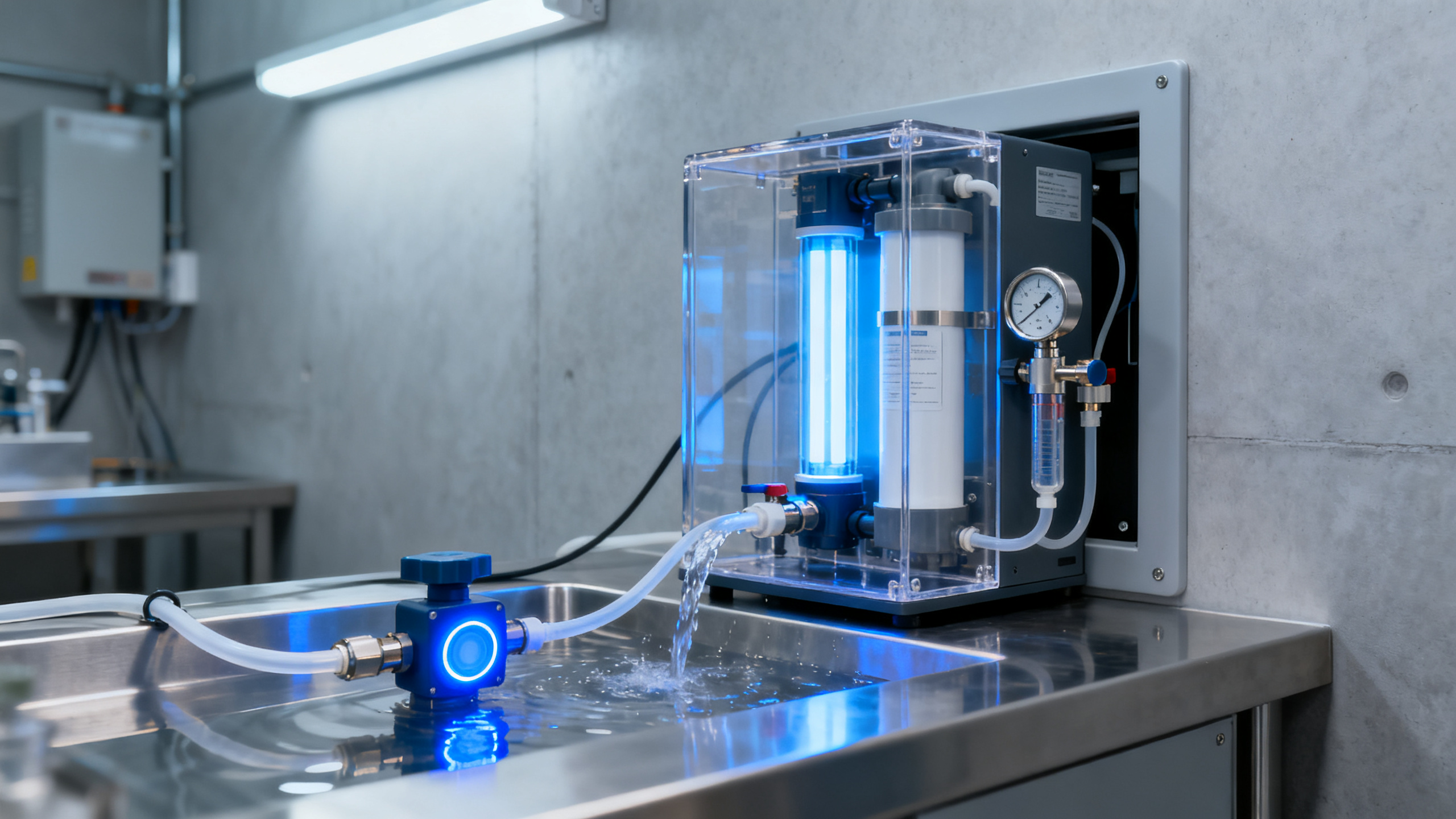
Saudi Arabia’s Standards Organization (SASO) issued an update to its national standard SASO 2663 on May 20, 2026 — introducing mandatory water-efficiency testing for industrial-grade water treatment modules integrated into washing machines destined for the Saudi market. The revision signals a tightening of sustainability-linked technical barriers, directly affecting exporters, component suppliers, and certification service providers across the global home appliance supply chain.
Event Overview
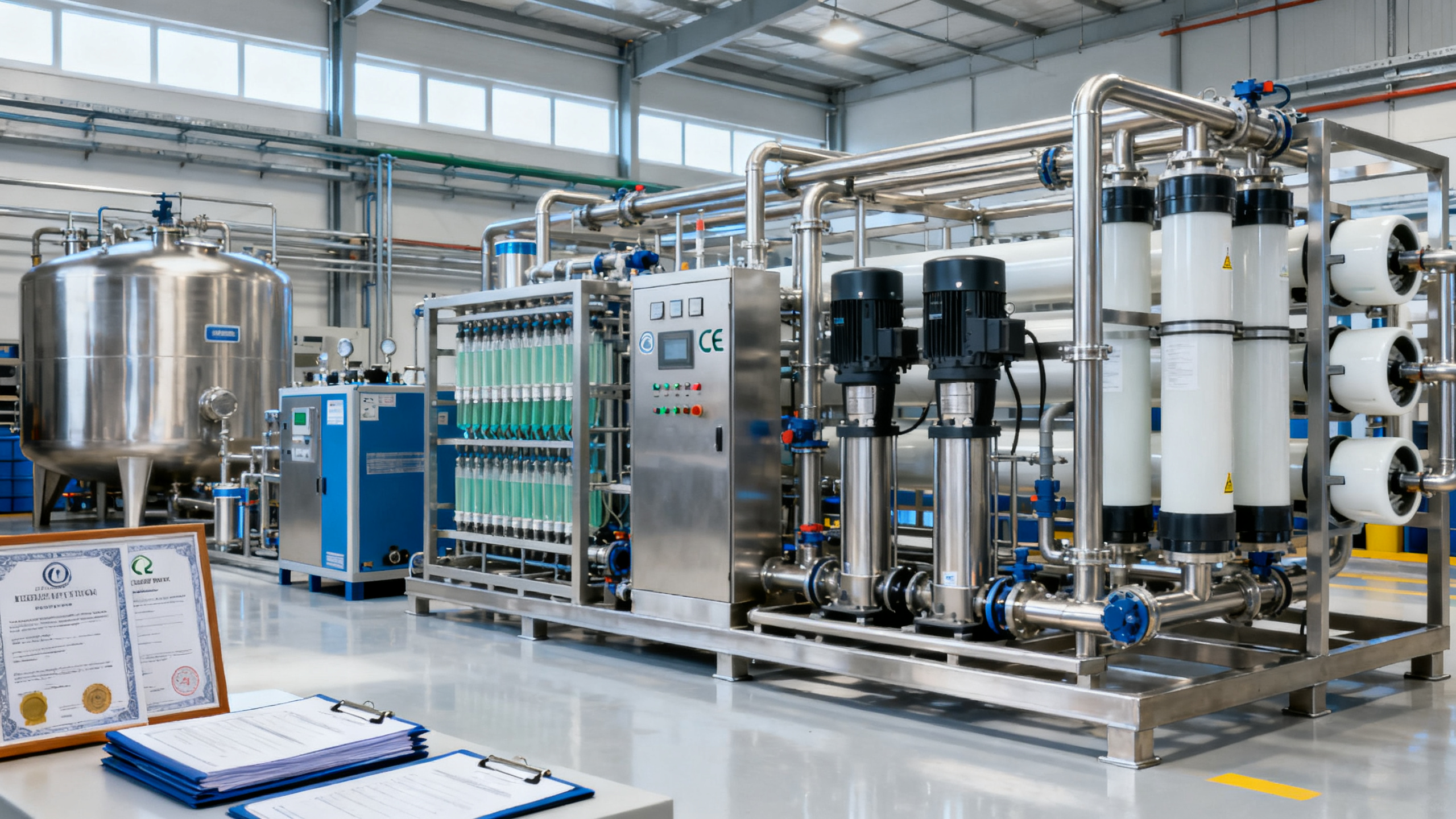
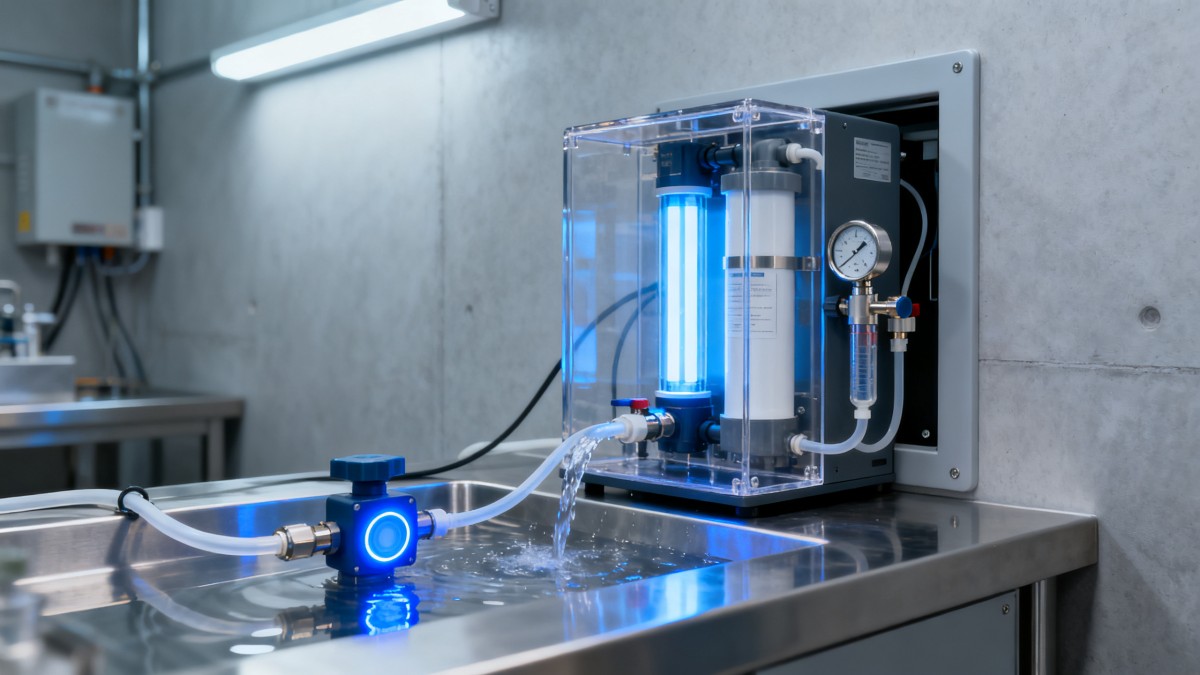
On May 20, 2026, SASO published SASO 2663:2026, amending the previous edition to require all washing machines exported to Saudi Arabia and equipped with built-in industrial water treatment modules — including water softening, scale inhibition, and UV disinfection units — to undergo a newly mandated ‘Water Efficiency Ratio’ (WER) test. Compliance is now a prerequisite for obtaining the SASO Certificate of Conformity (CoC). Several Chinese manufacturers of industrial water treatment systems have initiated accelerated CoC applications, with SGS reporting expedited review pathways under its ‘Green Channel’ program.
Industries Affected
Direct Exporters & Trading Companies
Exporters placing finished washing machines in the Saudi market must now verify WER compliance not only for the appliance as a whole but specifically for any integrated water treatment module — even if sourced from third-party suppliers. This increases pre-shipment validation complexity, extends time-to-market, and may trigger redesign or re-certification of legacy models previously cleared under SASO 2663:2022.
Raw Material & Component Suppliers
Suppliers of membranes, ion-exchange resins, UV-LED arrays, and scale-inhibiting chemical dosing systems face heightened scrutiny: their components must now support demonstrable WER performance when embedded in final products. While not directly certified, their technical specifications and test reports may be audited during CoC issuance — increasing demand for traceable, test-ready documentation aligned with SASO’s WER methodology.
Contract Manufacturers & OEMs
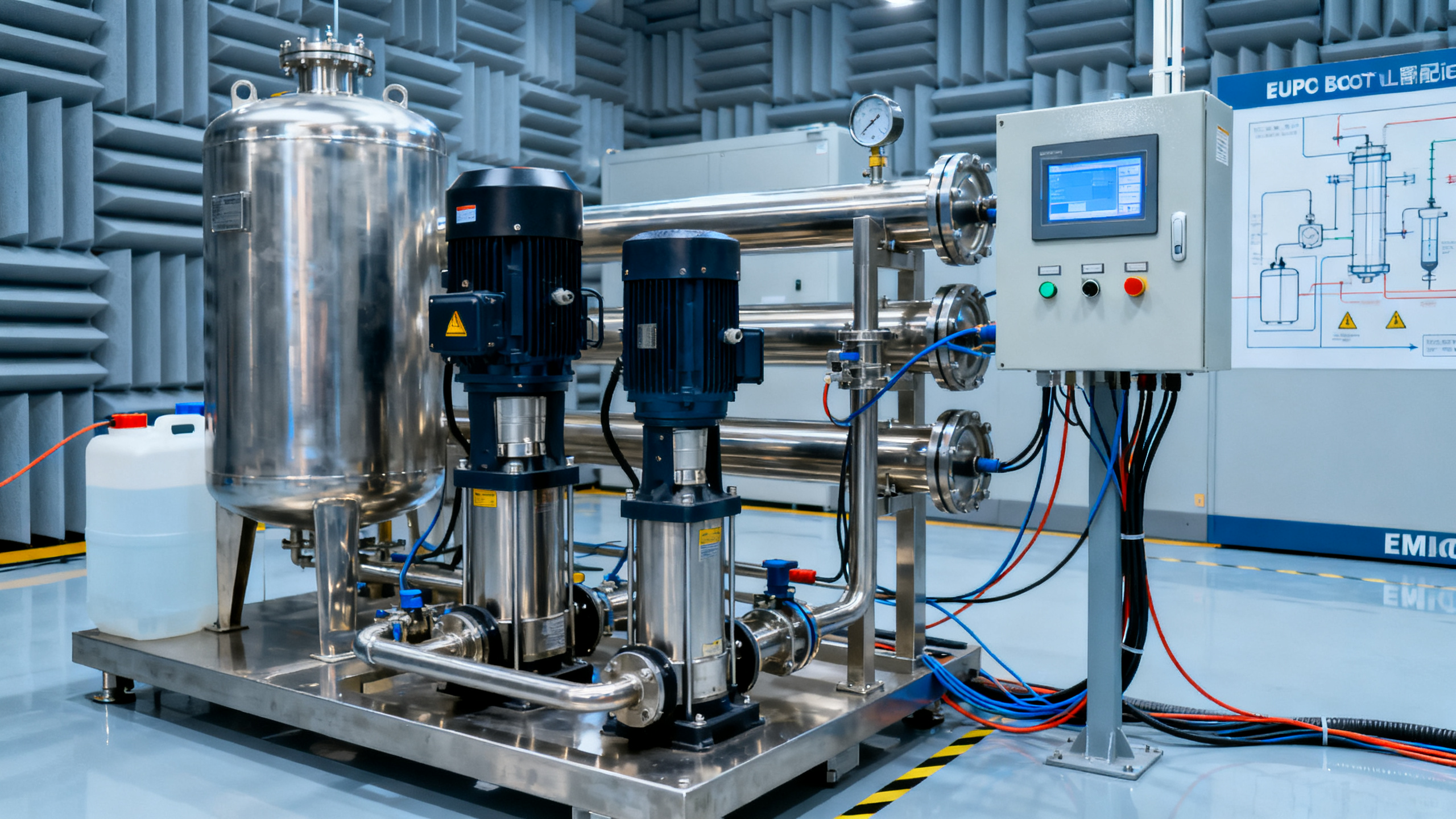
OEMs assembling washers for global brands — particularly those integrating proprietary or co-developed water treatment subsystems — must adapt production line validation protocols. WER testing requires full-system functional operation under standardized load and cycle conditions; this necessitates updated test benches, operator training, and internal calibration of flow meters and energy measurement tools per SASO’s Annex D requirements.
Supply Chain Service Providers
Certification bodies, testing laboratories, and regulatory consultants are adjusting service portfolios to accommodate WER testing capacity and technical interpretation. Notably, the Green Channel support from SGS reflects growing demand for parallel assessment — combining safety, EMC, and now WER — without sequential bottlenecks. However, current WER test capacity remains concentrated among accredited labs in GCC and select East Asian hubs, creating potential lead-time constraints for smaller applicants.
Key Considerations & Recommended Actions
Verify Module-Level WER Eligibility Early
Manufacturers should request WER test reports from water treatment module suppliers *before* final integration — rather than relying on post-assembly verification. SASO accepts third-party WER data only if generated using identical test configurations (inlet pressure, hardness level, temperature, cycle profile) specified in SASO 2663:2026 Annex D.
Review Existing CoC Validity
CoCs issued under SASO 2663:2022 remain valid until expiry *only if* no changes are made to the water treatment subsystem. Any hardware or firmware update affecting flow rate, dwell time, or regeneration frequency triggers re-assessment — regardless of model number continuity.
Engage Accredited Labs with GCC-Recognized WER Capability
Not all ISO/IEC 17025-accredited labs are authorized for SASO WER testing. Applicants must confirm lab accreditation scope explicitly includes ‘SASO 2663:2026 Clause 6.4.2 — Water Efficiency Ratio Testing’ — a requirement separate from general energy or water consumption testing.
Editorial Insight / Industry Observation
Observably, this amendment marks a strategic shift: SASO is moving beyond energy and safety compliance toward *functional resource efficiency* as a core market access criterion. Unlike EU Ecodesign regulations — which apply at product category level — SASO’s WER test targets *subsystems*, suggesting future expansions may cover other embedded modules (e.g., heat recovery, AI-based load sensing). Analysis shows that while the immediate burden falls on Chinese and Turkish exporters, the underlying driver is Saudi Vision 2030’s water security agenda — making alignment with local utility standards (e.g., SALA, the Saudi Water Authority’s benchmarking framework) increasingly relevant for long-term market positioning.
Conclusion
This update is not merely a technical adjustment but a signal of evolving regulatory priorities in key Gulf markets: sustainability performance is becoming non-negotiable at the component level. For global suppliers, responsiveness hinges less on passing a single test and more on embedding water-efficiency accountability across R&D, sourcing, and quality assurance workflows. A reactive approach risks marginalization; a proactive one offers differentiation in a tightening compliance landscape.
Source Attribution
Official source: SASO Standard SASO 2663:2026, published May 20, 2026 (available via www.saso.gov.sa).
Supporting information: SGS Middle East Regulatory Bulletin, Issue #Q2-2026; Saudi Water Authority (SWA) Technical Guidance Note SWA-TG-2025-07 (pending public release).
Note: Implementation timeline for enforcement — including transition periods for existing CoCs — remains pending formal announcement by SASO and is under active monitoring.
Technical Specifications
- How to Select Electronic Hotel Key Card Locks for Guest Rooms and Staff AreasAuthor :Safety Compliance Lead
- How to Select Lab Instruments for Reliable Chemical Analysis WorkflowsAuthor :Precision Metrology Expert
- How to Size a UPS for Server Rooms: Load, Runtime, and Redundancy FactorsAuthor :Grid Infrastructure Analyst
Expert Insights

Chief Security Architect
Dr. Thorne specializes in the intersection of structural engineering and digital resilience. He has advised three G7 governments on industrial infrastructure security.
Related Analysis
- Sep 17, 2026How to Select Electronic Hotel Key Card Locks for Guest Rooms and Staff AreasAuthor :Safety Compliance Lead
- Sep 16, 2026How to Select Lab Instruments for Reliable Chemical Analysis WorkflowsAuthor :Precision Metrology Expert
- Sep 15, 2026How to Size a UPS for Server Rooms: Load, Runtime, and Redundancy FactorsAuthor :Grid Infrastructure Analyst
Core Sector // 01
Security & Safety
- How to Size a Wafer Butterfly Valve for HVAC Chilled-Water and Heating LoopsAuthor :Environmental Engineering Director

- How Pressure Class and Joint Design Affect Long-Term Performance of Ductile Iron Pipes in Drainage InfrastructureAuthor :Environmental Engineering Director

- How Ductile Iron Pipe Joints Affect Installation Reliability and Leak ControlAuthor :Environmental Engineering Director

- How to Size Effluent Treatment Equipment for Variable Industrial Wastewater LoadsAuthor :Environmental Engineering Director

- US Battery Push Raises New Entry Rules for SuppliersAuthor :Environmental Engineering Director

- EU EMC Rule Tightens for Water Treatment ExportsAuthor :Environmental Engineering Director

- EU REACH Restriction Targets PFAS Water Treatment ImportsAuthor :Environmental Engineering Director

- EU Mandates EN 14113:2026 for Water Treatment ExportsAuthor :Environmental Engineering Director