Citi Raises Agricultural Commodity Forecasts; Fertilizer Costs Pressure Water Treatment Chemicals
Author
Date Published
Reading Time
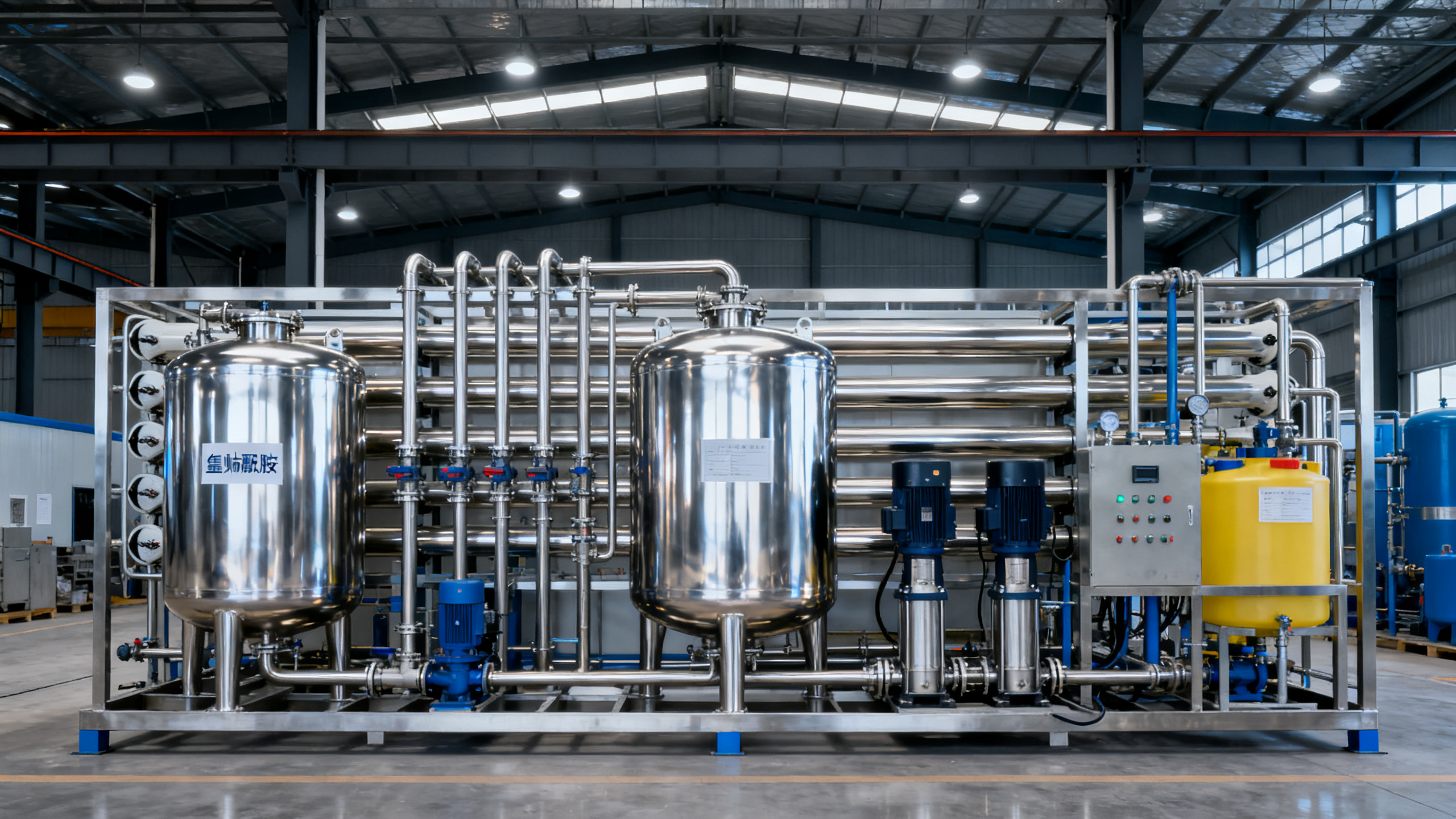
Citi Global Markets revised its price forecasts for major agricultural commodities upward on May 21, 2026, citing persistent El Niño–driven supply constraints. The update signals structural cost pressure on industrial water treatment chemicals—particularly flocculants and corrosion/antiscalant agents—and carries implications for Chinese exporters of integrated water treatment systems, especially those serving Southeast Asia and the Middle East.
Event Overview
During a May 21, 2026, investor call, Citi stated that nitrogen, phosphorus, and potassium fertilizer prices are expected to maintain structural upside under ongoing El Niño conditions. The bank forecasted year-on-year increases of +12%–18% in global fertilizer prices for the second half of 2026. This trend is anticipated to raise production costs for industrial water treatment chemical formulations. As a result, Chinese manufacturers of export-oriented water treatment skid-mounted systems have reported longer delivery timelines and emerging requests from Southeast Asian and Middle Eastern clients for six-month price-lock clauses.
Industries Affected by Segment
Raw Material Procurement Enterprises
Fertilizer-derived feedstocks—including urea, ammonium phosphate, and potassium chloride—are key precursors for nitrogen- and phosphorus-based water treatment actives (e.g., polyacrylamide synthesis, phosphonate production). Rising input costs directly compress procurement margins and increase volatility in raw material budgeting.
Chemical Formulation & Manufacturing Enterprises
Producers of flocculants, scale inhibitors, and corrosion inhibitors face elevated formulation costs due to higher-priced nitrogenous and phosphorous intermediates. Cost pass-through may lag demand-side pricing power, squeezing gross margins—especially for standardized, high-volume product lines.
Integrated Equipment Exporters (OEM/ODM)
Chinese suppliers of packaged water treatment systems rely on stable chemical cost inputs for system commissioning, performance warranties, and lifecycle service contracts. Escalating chemical costs affect both upfront equipment pricing and long-term operational cost assumptions embedded in client proposals.
Distribution & Channel Partners (Regional)
Importers and regional distributors in Southeast Asia and the Middle East report increased buyer scrutiny over chemical cost transparency and forward-pricing certainty. Requests for multi-month price-lock agreements reflect weakening confidence in near-term cost stability—potentially compressing distributor working capital and margin buffers.
What Relevant Enterprises or Practitioners Should Monitor and Do Now
Track fertilizer price indices and regional import duty adjustments
Monitor publicly reported nitrogen, phosphate, and potash price benchmarks (e.g., CRU, FAO Fertilizer Price Index) and watch for tariff or regulatory changes in key import markets—including Indonesia, Vietnam, Saudi Arabia, and UAE—that could amplify landed cost volatility.
Review contractual terms with downstream buyers—especially duration and indexation clauses
Assess exposure to fixed-price commitments beyond three months. Where six-month price-lock requests are emerging, evaluate whether cost-plus or indexed pricing mechanisms (e.g., tied to monthly fertilizer averages) offer more sustainable alternatives than flat-rate locking.
Reassess inventory planning and buffer stock strategy for critical intermediates
Given lead-time sensitivity and rising input cost uncertainty, consider targeted pre-buying of high-exposure precursors (e.g., technical-grade urea, ATMP intermediates) where storage capacity and shelf-life allow—without overextending working capital.
Engage early with chemical suppliers on formulation optimization and alternative chemistries
Initiate technical discussions with upstream chemical partners on substitution pathways—for example, low-phosphorus antiscalants or bio-based flocculant co-formulants—that may mitigate exposure to phosphorus- and nitrogen-intensive inputs without compromising performance specs.
Editorial Perspective / Industry Observation
Analysis shows this development is less a short-term shock and more a signal of tightening structural cost linkages between agri-inputs and industrial specialty chemicals. Observably, fertilizer markets are no longer isolated to farming economics: they now serve as a leading indicator for downstream process-critical additives. From an industry perspective, the May 21 Citi update does not yet reflect realized price spikes—but rather confirms a sustained upward bias rooted in climate-driven supply constraints. Current relevance lies in its role as an early warning for procurement and pricing strategy recalibration—not as a trigger for immediate reactive measures.
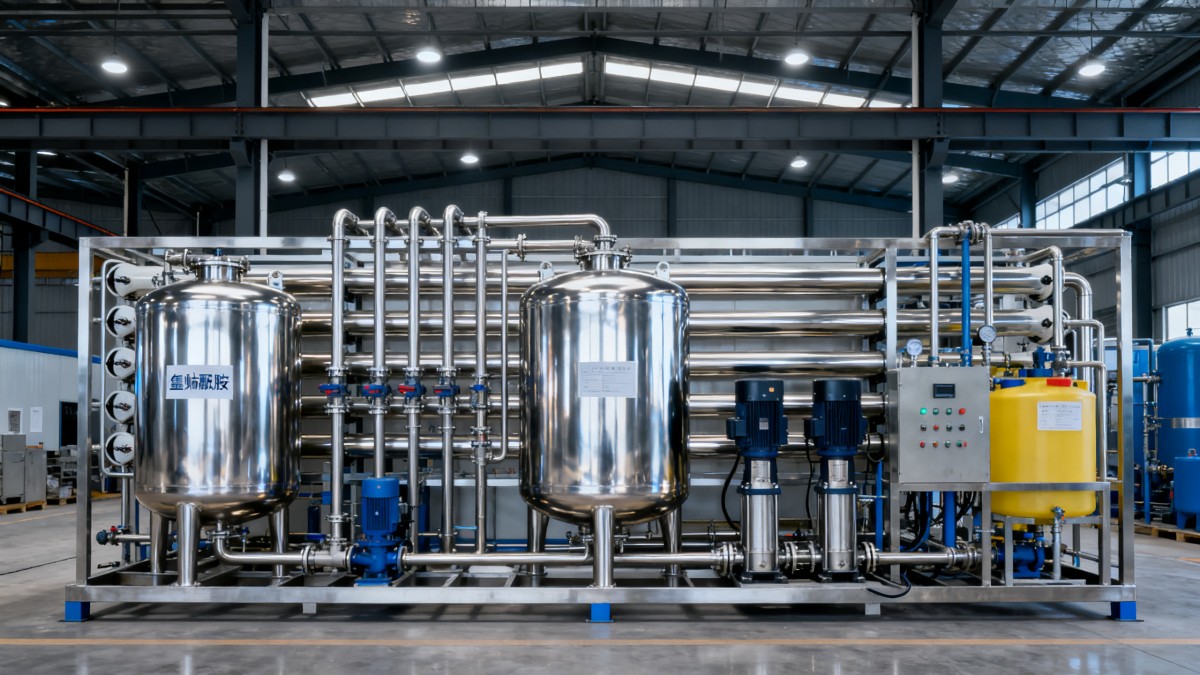
Conclusion: This revision underscores how macro-agricultural dynamics increasingly shape industrial chemical economics. It is best understood not as a discrete event, but as a reinforcing signal of cross-sector cost interdependence—requiring proactive alignment across procurement, R&D, sales, and contract management functions. A wait-and-see posture risks delayed response to cascading margin compression.
Source Disclosure:
Primary source: Citi Global Markets investor call, May 21, 2026.
Note: Fertilizer price forecasts (+12%–18% YoY H2 2026), client price-lock requests, and cost transmission to water treatment chemicals are confirmed statements from the call. Ongoing monitoring is advised for actual fertilizer index movements and regional policy responses, which remain subject to change.
Technical Specifications
- How to Select Electronic Hotel Key Card Locks for Guest Rooms and Staff AreasAuthor :Safety Compliance Lead
- How to Select Lab Instruments for Reliable Chemical Analysis WorkflowsAuthor :Precision Metrology Expert
- How to Size a UPS for Server Rooms: Load, Runtime, and Redundancy FactorsAuthor :Grid Infrastructure Analyst
Expert Insights

Chief Security Architect
Dr. Thorne specializes in the intersection of structural engineering and digital resilience. He has advised three G7 governments on industrial infrastructure security.
Related Analysis
- Sep 17, 2026How to Select Electronic Hotel Key Card Locks for Guest Rooms and Staff AreasAuthor :Safety Compliance Lead
- Sep 16, 2026How to Select Lab Instruments for Reliable Chemical Analysis WorkflowsAuthor :Precision Metrology Expert
- Sep 15, 2026How to Size a UPS for Server Rooms: Load, Runtime, and Redundancy FactorsAuthor :Grid Infrastructure Analyst
Core Sector // 01
Security & Safety
- How to Size a Wafer Butterfly Valve for HVAC Chilled-Water and Heating LoopsAuthor :Environmental Engineering Director

- How Pressure Class and Joint Design Affect Long-Term Performance of Ductile Iron Pipes in Drainage InfrastructureAuthor :Environmental Engineering Director

- How Ductile Iron Pipe Joints Affect Installation Reliability and Leak ControlAuthor :Environmental Engineering Director

- How to Size Effluent Treatment Equipment for Variable Industrial Wastewater LoadsAuthor :Environmental Engineering Director

- US Battery Push Raises New Entry Rules for SuppliersAuthor :Environmental Engineering Director

- EU EMC Rule Tightens for Water Treatment ExportsAuthor :Environmental Engineering Director

- EU REACH Restriction Targets PFAS Water Treatment ImportsAuthor :Environmental Engineering Director

- EU Mandates EN 14113:2026 for Water Treatment ExportsAuthor :Environmental Engineering Director