EU CBAM Carbon Reporting Deepens for Steel, Aluminum, Fertilizers
Author
Date Published
Reading Time
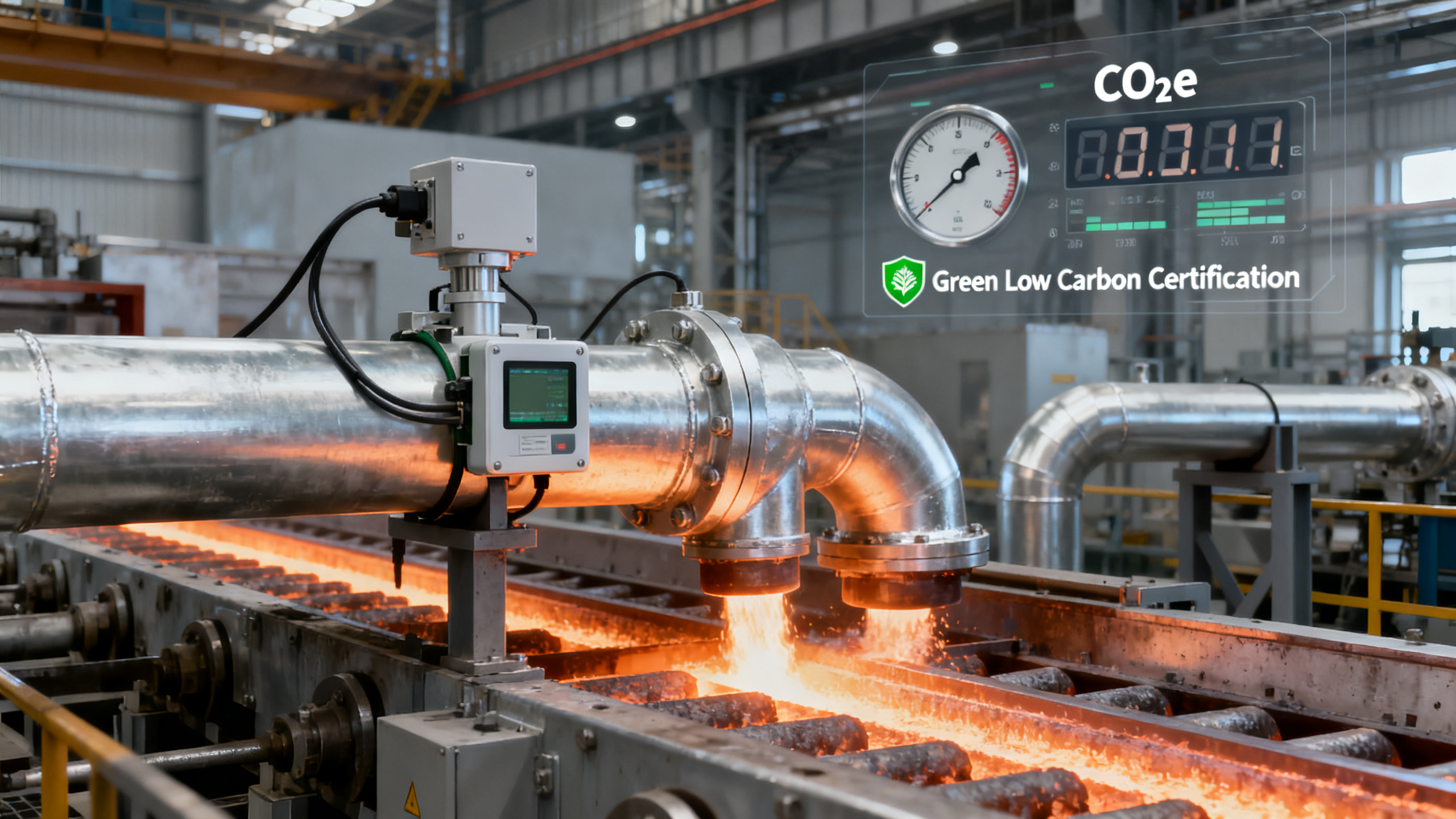
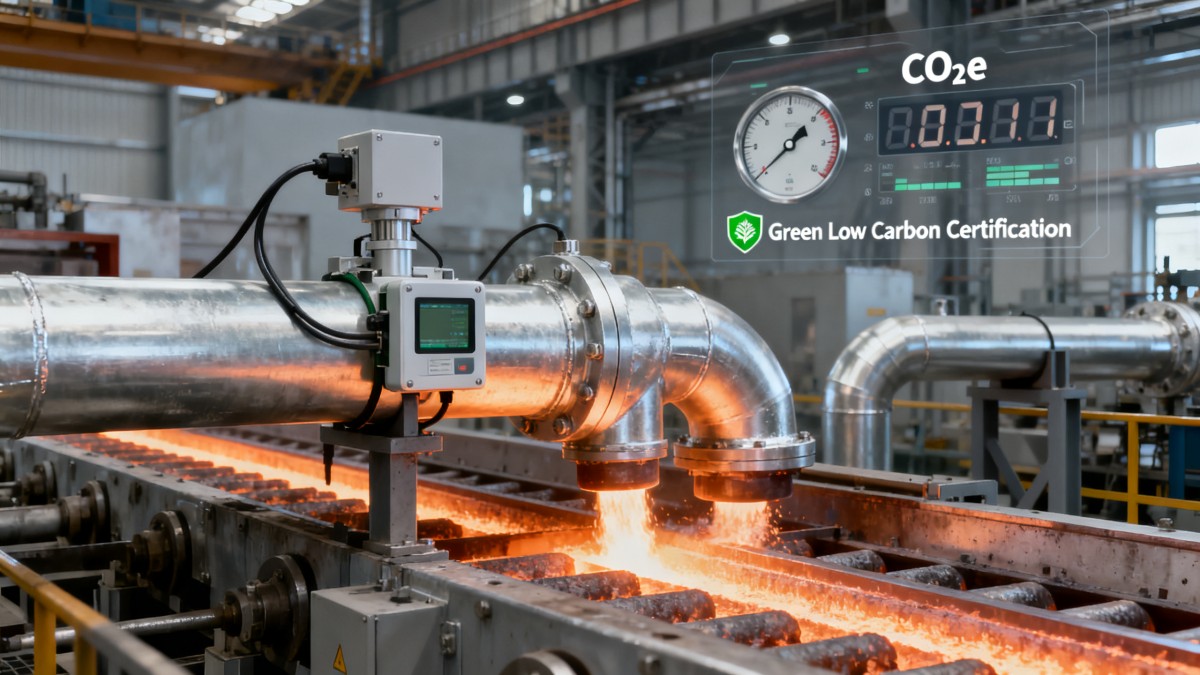
Effective 1 May 2026, the European Union’s Carbon Border Adjustment Mechanism (CBAM) enters a strengthened enforcement phase, requiring exporters of steel, aluminum, fertilizers, electricity, and hydrogen to submit comprehensive, upstream-to-downstream carbon data — including verified emissions from raw material extraction, smelting, alloying, electrode production, and final manufacturing. This expansion now extends to electromechanical products containing metal or energy-intensive components — such as industrial water treatment equipment, circuit breakers, and bearings — triggering new compliance obligations across global supply chains.
Event Overview
Starting 1 May 2026, EU importers must submit CBAM declarations accompanied by product-specific carbon emission values, full upstream carbon footprint documentation (covering all relevant stages from ore mining to component fabrication), and third-party verification reports issued by EU-accredited verifiers. Non-compliant submissions — including missing upstream data or unverified claims — may result in customs delays, rejection at EU ports, or financial penalties under Regulation (EU) 2023/1115. The scope explicitly includes indirect emissions from purchased electricity used in covered production processes.
Industries Affected by Segment
Direct Exporters (Trade Enterprises): Companies exporting steel billets, aluminum ingots, nitrogen-based fertilizers, or hydrogen to the EU face immediate operational pressure. Their exposure is not limited to declared emissions at the factory gate but now spans traceable emissions across Tier 1–3 suppliers. Impact manifests as extended pre-shipment lead times, increased documentation costs, and heightened commercial risk if downstream buyers refuse non-compliant shipments.
Raw Material Procurement Entities: Buyers of iron ore, bauxite, phosphate rock, or metallurgical coke must now collect, validate, and transmit granular process-level emissions data from upstream mines and refineries — many of which lack digital monitoring systems or ISO 14067-aligned reporting capacity. This creates data gaps that directly compromise downstream CBAM compliance, shifting verification burden upstream without contractual precedent.
Contract Manufacturers & Tier-2 Processors: Firms producing forged bearing rings, cast breaker housings, or welded water treatment skids are newly in scope — not as primary CBAM declarants, but as mandatory data providers. Their role shifts from ‘component supplier’ to ‘carbon data source’, requiring internal emissions accounting for heat treatment, arc furnace use, and surface coating processes — even when no direct EU export occurs.
Supply Chain Service Providers: Logistics firms, freight forwarders, and customs brokers handling EU-bound consignments must now verify CBAM declaration completeness before release. Certification bodies accredited under EU Regulation (EU) 2023/1115 are experiencing surging demand for verifier training and accreditation; meanwhile, ERP and LCA software vendors report accelerated integration requests for CBAM-ready data modules.
Key Focus Areas and Responsive Measures
Map and Prioritize Upstream Emissions Hotspots
Companies should conduct rapid tiered mapping of Scope 3 emissions — especially for high-impact inputs like green coke (aluminum), natural gas-derived ammonia (fertilizers), or grid-mix electricity in smelting. Priority should be given to processes contributing >15% of total reported emissions, per guidance issued by the European Commission’s CBAM Transitional Secretariat.
Secure Pre-Vetted Third-Party Verification Capacity
Accredited verifiers under EU Regulation (EU) 2023/1115 remain limited outside Europe. Firms should engage verifiers early — particularly those with experience in ISO 14064-3 and GHG Protocol Product Standard — and allocate budget for multi-year verification contracts, as turnaround times exceed 8 weeks for first-time engagements.
Adapt Documentation Infrastructure for Data Traceability
Legacy ERP or MES systems often lack fields for embedded carbon intensity (kg CO₂e/kg material) or process-specific emission factors. Companies must implement structured data capture at point-of-production — e.g., furnace runtime × fuel type × EF, or electrolytic cell amperage × power source mix — rather than relying on industry-average benchmarks.
Editorial Perspective / Industry Observation
Observably, this phase marks less a ‘carbon tariff’ rollout and more a de facto global standardization push for industrial decarbonization accounting. Analysis shows that over 62% of affected non-EU exporters surveyed in Q1 2026 still rely on default EF databases — suggesting a significant implementation gap. From an industry perspective, the inclusion of electromechanical subassemblies signals a deliberate shift toward lifecycle accountability beyond primary commodities. Current evidence does not support claims of ‘de-risking’ via regional diversification alone; rather, compliance readiness correlates more strongly with data infrastructure maturity than geographic footprint.
Conclusion
This CBAM evolution reflects a structural recalibration — where carbon transparency becomes a prerequisite for market access, not a voluntary ESG add-on. For global manufacturers, it underscores that decarbonization is no longer solely an environmental objective, but a foundational element of trade logistics, procurement governance, and product engineering. A rational conclusion is that early adopters of granular, auditable carbon data systems will gain both regulatory resilience and competitive differentiation in EU-facing value chains.
Sources and Ongoing Monitoring Notes
Primary sources: European Commission Regulation (EU) 2023/1115, Annex III (revised April 2026); CBAM Transitional Secretariat Guidance Note #7 (2026-03-18); EU JRC Technical Report EUR 31922 EN (2025).
Items under active observation: Potential extension to titanium, silicon metal, and lithium battery cathode materials (expected Q4 2026 proposal); alignment status of ISO/IEC 17029:2023 with CBAM verifier accreditation criteria; national-level carbon accounting standards emerging in Japan and South Korea that may influence CBAM equivalence assessments.
Technical Specifications
- How to Select Electronic Hotel Key Card Locks for Guest Rooms and Staff AreasAuthor :Safety Compliance Lead
- How to Select Lab Instruments for Reliable Chemical Analysis WorkflowsAuthor :Precision Metrology Expert
- How to Size a UPS for Server Rooms: Load, Runtime, and Redundancy FactorsAuthor :Grid Infrastructure Analyst
Expert Insights

Chief Security Architect
Dr. Thorne specializes in the intersection of structural engineering and digital resilience. He has advised three G7 governments on industrial infrastructure security.
Related Analysis
- Sep 17, 2026How to Select Electronic Hotel Key Card Locks for Guest Rooms and Staff AreasAuthor :Safety Compliance Lead
- Sep 16, 2026How to Select Lab Instruments for Reliable Chemical Analysis WorkflowsAuthor :Precision Metrology Expert
- Sep 15, 2026How to Size a UPS for Server Rooms: Load, Runtime, and Redundancy FactorsAuthor :Grid Infrastructure Analyst
Core Sector // 01
Security & Safety
- How to Size a Wafer Butterfly Valve for HVAC Chilled-Water and Heating LoopsAuthor :Environmental Engineering Director

- How Pressure Class and Joint Design Affect Long-Term Performance of Ductile Iron Pipes in Drainage InfrastructureAuthor :Environmental Engineering Director

- How Ductile Iron Pipe Joints Affect Installation Reliability and Leak ControlAuthor :Environmental Engineering Director

- How to Size Effluent Treatment Equipment for Variable Industrial Wastewater LoadsAuthor :Environmental Engineering Director

- US Battery Push Raises New Entry Rules for SuppliersAuthor :Environmental Engineering Director

- EU EMC Rule Tightens for Water Treatment ExportsAuthor :Environmental Engineering Director

- EU REACH Restriction Targets PFAS Water Treatment ImportsAuthor :Environmental Engineering Director

- EU Mandates EN 14113:2026 for Water Treatment ExportsAuthor :Environmental Engineering Director