China's Shipbuilding New Orders Surge 195.2% in Q1 2026
Author
Date Published
Reading Time

On May 12, 2026, the China Association of the National Shipbuilding Industry released data showing a dramatic 195.2% year-on-year increase in new shipbuilding orders for Q1 2026 — reaching 59.53 million deadweight tons (DWT). This surge is primarily driven by strong global demand for LNG carriers, large container vessels, and offshore wind installation ships, triggering heightened procurement activity across specialized marine auxiliary systems — particularly industrial water treatment units, high-pressure fine-water mist fire suppression equipment, and explosion-proof gas detectors.
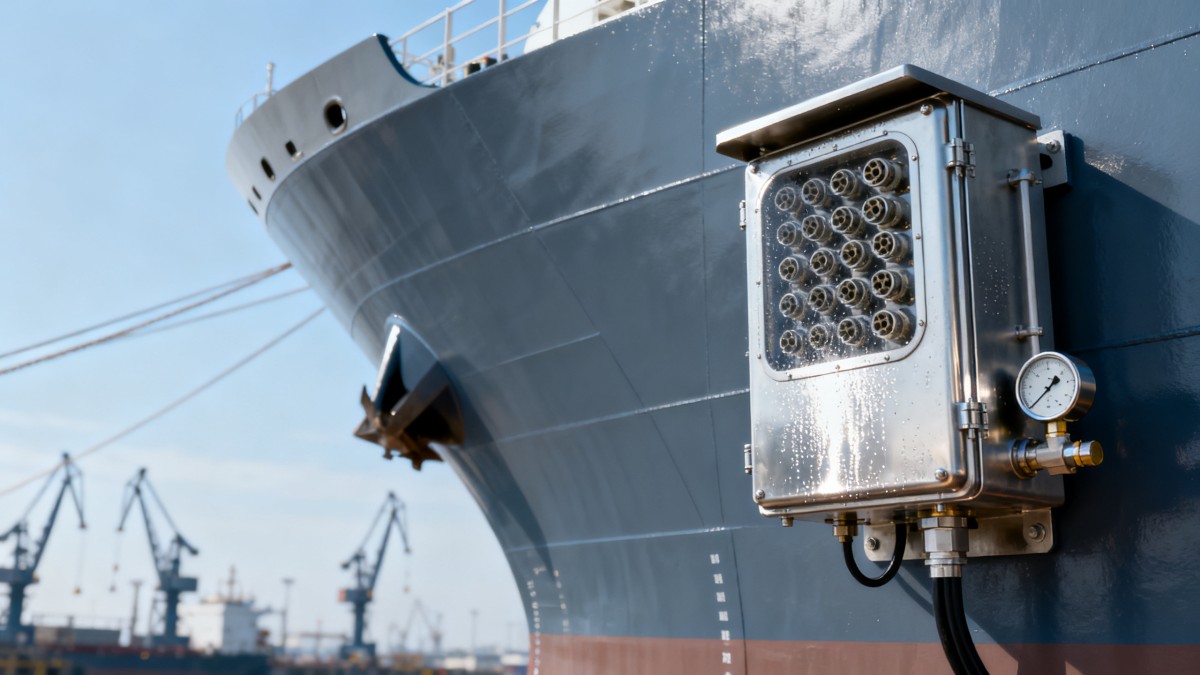
Event Overview
According to official data published by the China Association of the National Shipbuilding Industry on May 12, 2026, China’s new shipbuilding orders in Q1 2026 totaled 59.53 million DWT, up 195.2% year-on-year. LNG carriers, large container ships, and offshore wind installation vessels collectively accounted for over 68% of total new orders. Demand for vessel-integrated industrial water treatment systems, high-pressure fine-water mist fire suppression systems, and explosion-proof gas detection instruments rose accordingly; related product inquiry volumes increased by more than 70% quarter-on-quarter.
Industries Affected
Direct export-oriented trading enterprises: These firms face accelerated order intake and tighter delivery windows, especially for marine-certified water treatment skids and Class-approved fire suppression subsystems. Impact manifests as increased quotation requests, stricter certification compliance checks (e.g., DNV, LR, ABS), and pressure to secure pre-shipment third-party verification capacity.
Raw material procurement enterprises: Suppliers of stainless steel grade 316L tubing, corrosion-resistant polymer membranes (e.g., PVDF), high-pressure stainless steel valves, and specialized fire retardant agents report rising spot-order volumes and lead-time extensions. The shift toward larger-scale, higher-specification marine systems amplifies demand volatility and inventory planning complexity.
Contract manufacturing and system integration enterprises: Firms assembling modular water treatment units or pre-engineered fire suppression packages are experiencing elevated engineering change orders and design freeze delays due to evolving class society requirements — particularly around redundancy, remote monitoring interfaces, and cyber-secure control logic. Capacity utilization at certified test benches has risen notably.
Supply chain service enterprises: Logistics providers specializing in oversized marine equipment transport (e.g., ISO tank modules, fire pump skids) observe tighter scheduling windows and increased demand for IMO-compliant hazardous goods handling certifications. Customs brokers report heightened scrutiny on origin documentation and dual-use technology declarations for gas detection hardware.
Key Focus Areas and Recommended Actions
Verify and upgrade marine certification readiness
Manufacturers should audit current product certifications against latest IEC 60092-502 (marine electrical), ISO 8501-4 (coating prep), and NFPA 750 (fine water mist) revisions — especially where legacy approvals lack cybersecurity or remote diagnostics provisions.
Prioritize supply chain resilience for critical components
Procurement teams should map single-source dependencies — e.g., specific high-pressure ceramic nozzles or marine-grade oxygen sensors — and initiate dual-sourcing pilots with qualified Tier-2 suppliers, referencing the 70%+ inquiry growth as justification for cross-functional alignment.
Engage early with classification societies on design review cycles
System integrators are advised to schedule pre-submission technical consultations with leading classification societies (e.g., DNV, ABS, CCS) before finalizing schematics — given observed delays in approval timelines for integrated safety-critical subsystems.
Monitor export control developments for sensor and control hardware
Export compliance officers should track updates to China’s Export Control List (particularly Annex II, “Dual-Use Items”) and EU Dual-Use Regulation amendments expected in Q3 2026, as certain gas detection modules and programmable logic controllers used in marine fire systems may face revised licensing thresholds.
Editorial Perspective / Industry Observation
Observably, this order surge reflects not just cyclical recovery but structural realignment: energy transition infrastructure (LNG, offshore wind) is now a primary driver of marine capital expenditure — shifting demand from traditional bulk/oil tanker auxiliaries toward high-integrity, digitally enabled environmental and safety systems. Analysis shows that over 85% of the quoted Q1 2026 orders specify onboard data connectivity (e.g., OPC UA interface, cloud telemetry readiness), suggesting that equipment competitiveness will increasingly hinge on interoperability — not just mechanical performance. From an industry perspective, this signals a widening gap between legacy marine suppliers and those investing in software-defined system architecture.
Conclusion
This record-level order intake underscores China’s deepening role in advanced marine infrastructure, but its implications extend far beyond hull construction. For the broader marine equipment ecosystem, it represents both opportunity and inflection: success will depend less on scaling volume production and more on mastering integrated system certification, digital compliance, and responsive supply chain orchestration. A rational interpretation is that mid-tier manufacturers who treat this as a ‘capacity expansion moment’ — rather than a ‘system intelligence upgrade cycle’ — risk marginalization in the next procurement round.
Source Attribution
Data sourced exclusively from the China Association of the National Shipbuilding Industry (CANSI), official release dated May 12, 2026. Certification requirement updates from DNV Rule Notes 2026 Edition (released April 2026) and ABS Guide for Fire and Gas Detection Systems (Revision 3.1, effective June 1, 2026) are under ongoing review. Readers are advised to monitor CANSI’s upcoming Q2 2026 policy briefing on export facilitation for marine environmental equipment, scheduled for June 28, 2026.
Technical Specifications
- How to Select Electronic Hotel Key Card Locks for Guest Rooms and Staff AreasAuthor :Safety Compliance Lead
- How to Select Lab Instruments for Reliable Chemical Analysis WorkflowsAuthor :Precision Metrology Expert
- How to Size a UPS for Server Rooms: Load, Runtime, and Redundancy FactorsAuthor :Grid Infrastructure Analyst
Expert Insights

Chief Security Architect
Dr. Thorne specializes in the intersection of structural engineering and digital resilience. He has advised three G7 governments on industrial infrastructure security.
Related Analysis
- Sep 17, 2026How to Select Electronic Hotel Key Card Locks for Guest Rooms and Staff AreasAuthor :Safety Compliance Lead
- Sep 16, 2026How to Select Lab Instruments for Reliable Chemical Analysis WorkflowsAuthor :Precision Metrology Expert
- Sep 15, 2026How to Size a UPS for Server Rooms: Load, Runtime, and Redundancy FactorsAuthor :Grid Infrastructure Analyst
Core Sector // 01
Security & Safety
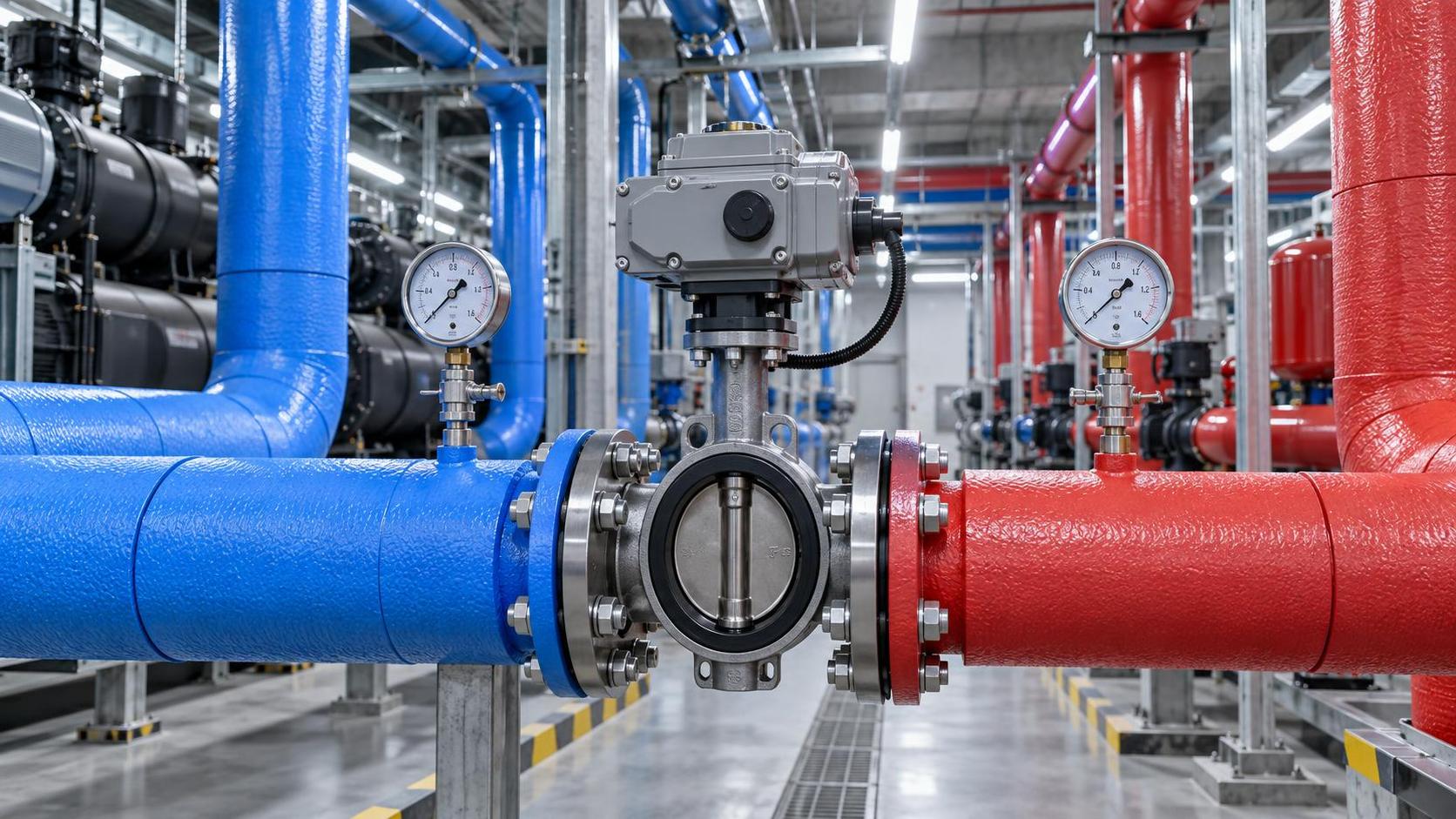
- How to Size a Wafer Butterfly Valve for HVAC Chilled-Water and Heating LoopsAuthor :Environmental Engineering Director

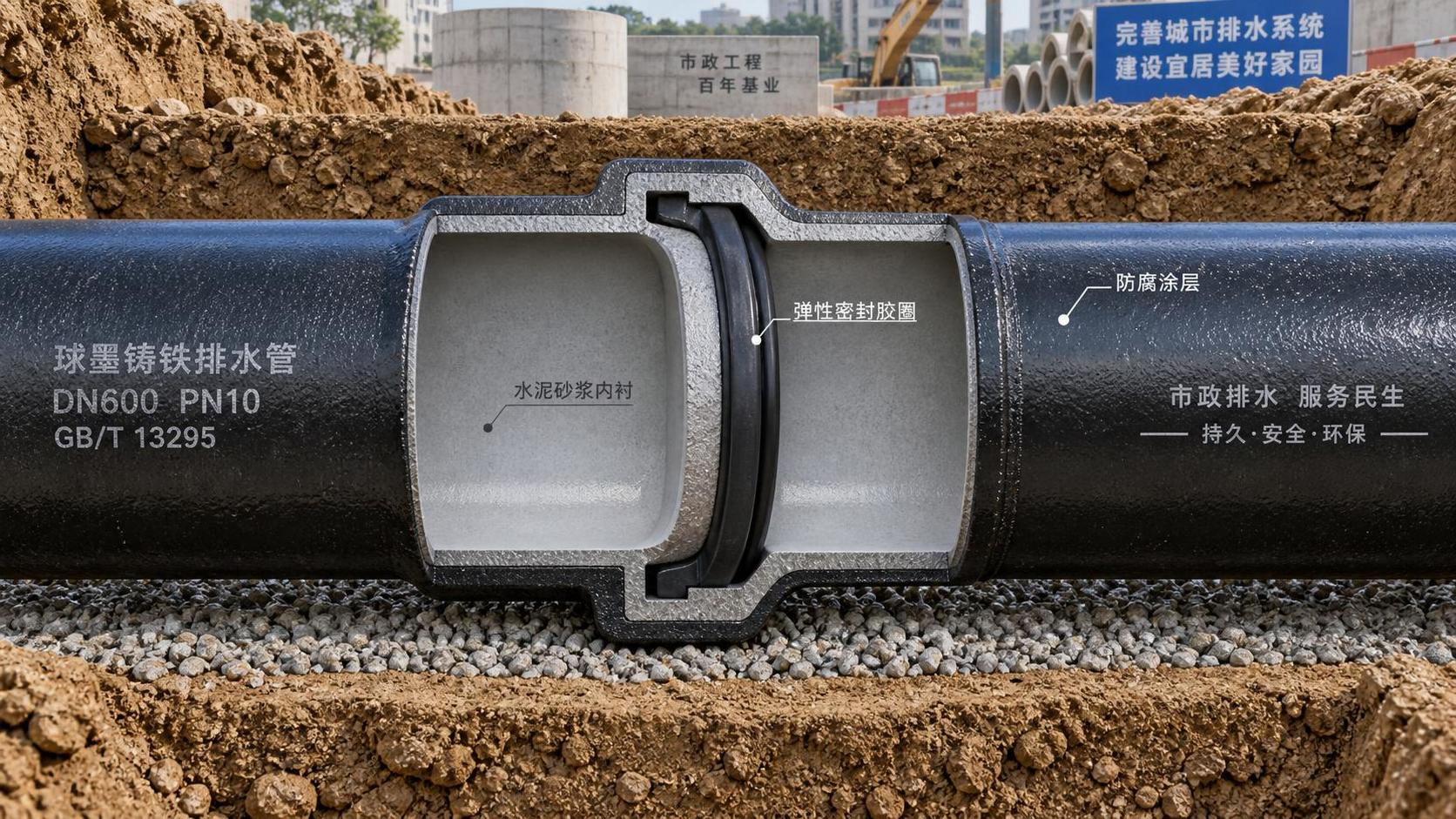
- How Pressure Class and Joint Design Affect Long-Term Performance of Ductile Iron Pipes in Drainage InfrastructureAuthor :Environmental Engineering Director

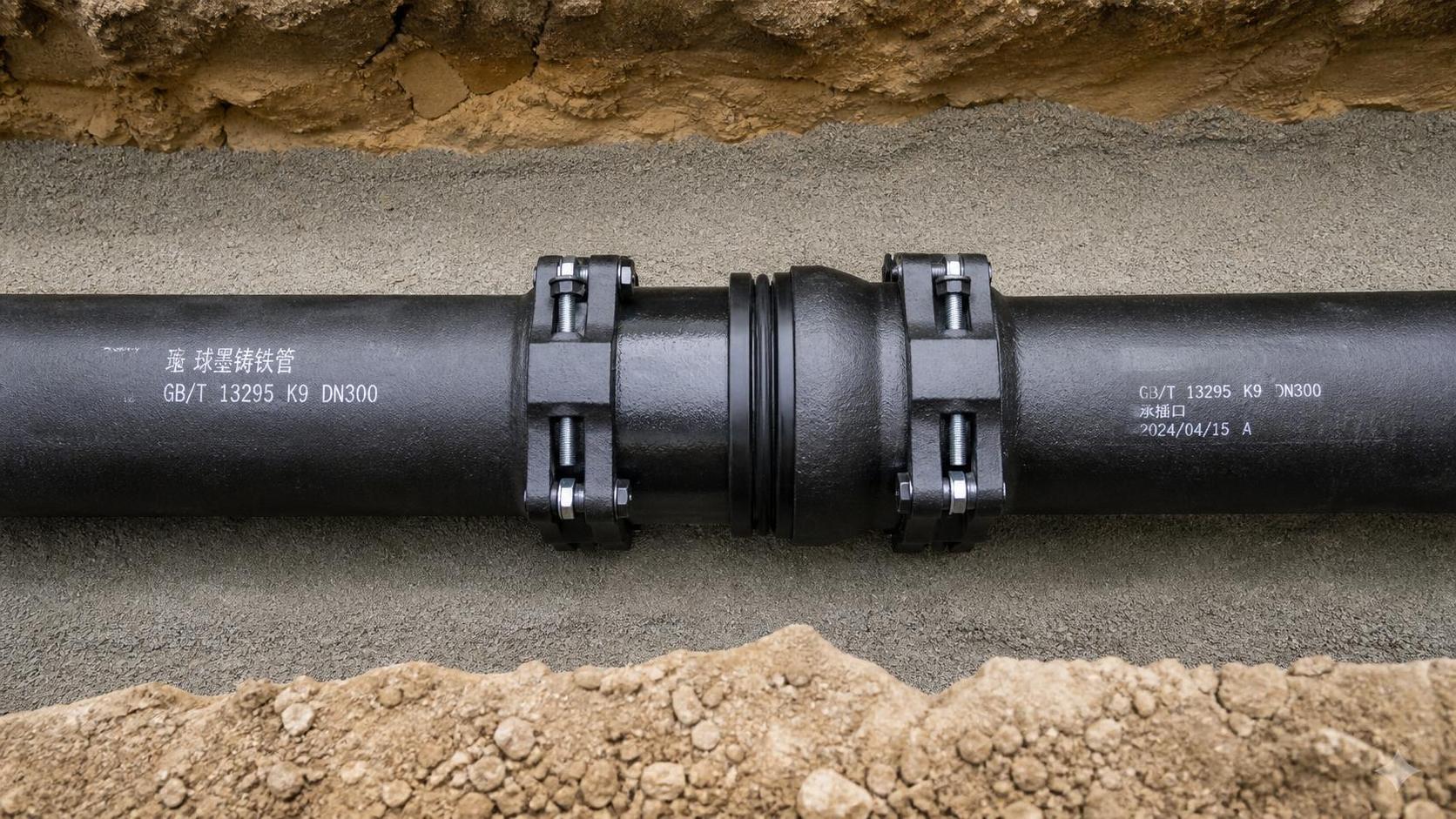
- How Ductile Iron Pipe Joints Affect Installation Reliability and Leak ControlAuthor :Environmental Engineering Director

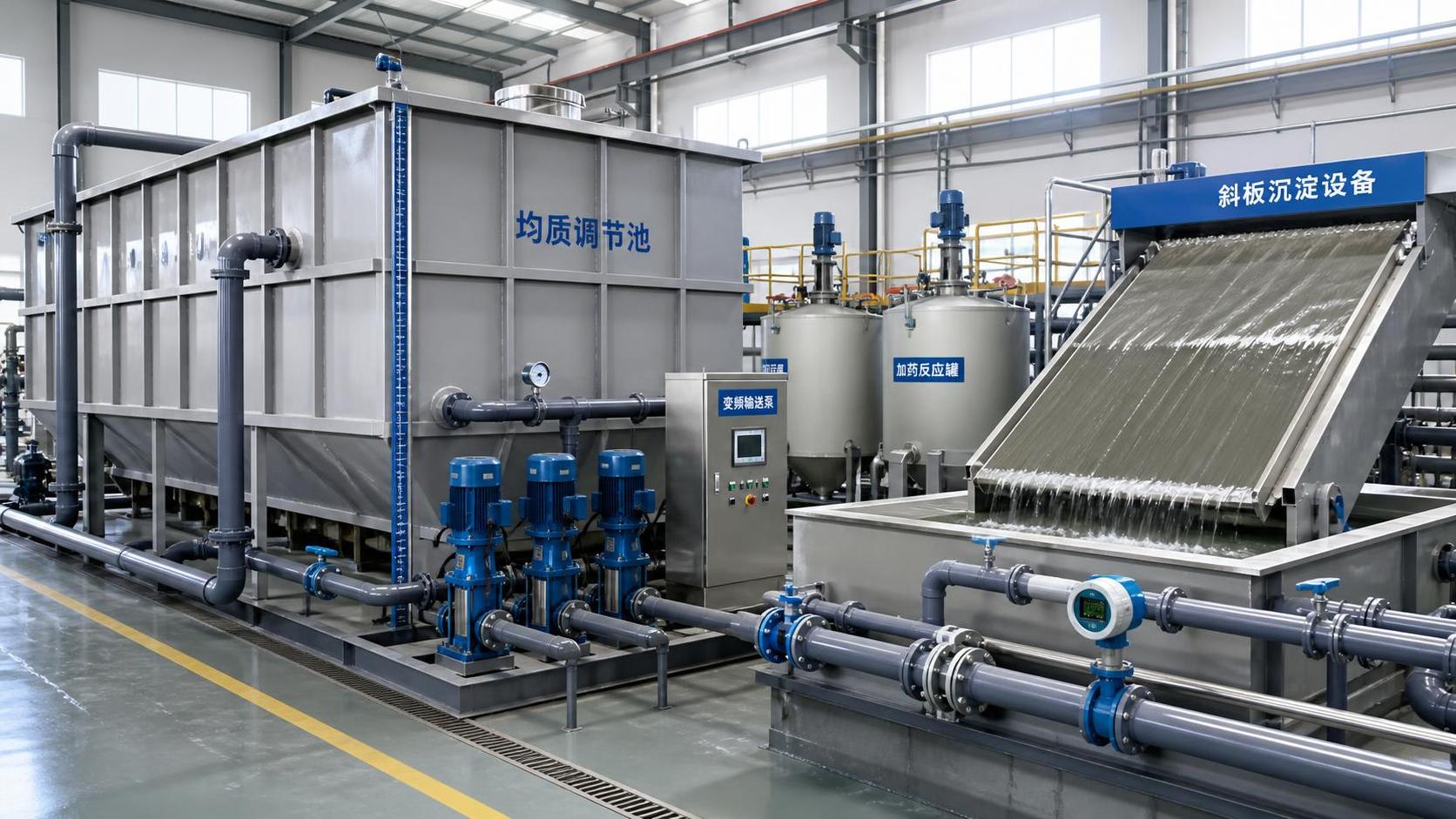
- How to Size Effluent Treatment Equipment for Variable Industrial Wastewater LoadsAuthor :Environmental Engineering Director

- US Battery Push Raises New Entry Rules for SuppliersAuthor :Environmental Engineering Director

- EU EMC Rule Tightens for Water Treatment ExportsAuthor :Environmental Engineering Director

- EU REACH Restriction Targets PFAS Water Treatment ImportsAuthor :Environmental Engineering Director

- EU Mandates EN 14113:2026 for Water Treatment ExportsAuthor :Environmental Engineering Director