China's Ministry of Ecology and Environment Releases New Guidelines for Greenhouse Gas Emission Accounting and Reporting
Author
Date Published
Reading Time

China's Ministry of Ecology and Environment Releases New Guidelines for Greenhouse Gas Emission Accounting and Reporting
Introduction
On March 25, 2026, China's Ministry of Ecology and Environment officially issued the updated Guidelines for Greenhouse Gas Emission Accounting and Reporting for the power industry. The new version introduces clear rules for carbon accounting boundaries of CCUS projects, methods for calculating renewable energy substitution, and a three-tier data quality verification mechanism. The simultaneous launch of the Direct Reporting System 2.0, which supports real-time validation, automatic anomaly alerts, and provincial-level penetration supervision, initially covers 1,127 coal-fired and gas-fired power plants. This development is particularly relevant for the power generation sector, renewable energy providers, and carbon capture technology developers, as it marks a significant step in China's efforts to standardize and enhance the accuracy of carbon emission reporting.

Event Overview
The newly released guidelines focus on three key updates: First, they clarify the accounting boundaries for Carbon Capture, Utilization, and Storage (CCUS) projects, addressing a previously ambiguous area in emission reporting. Second, they introduce standardized methods for calculating the emission reduction effects of renewable energy substitution in power generation. Third, they establish a three-level data quality verification mechanism to ensure the reliability of reported emissions data. The upgraded Direct Reporting System 2.0 enhances transparency and oversight capabilities, enabling real-time data validation and automated anomaly detection. These changes apply immediately to the 1,127 coal and gas power plants included in the first phase of implementation.
Impact on Specific Sub-Sectors
Power Generation Companies
The guidelines directly affect power generation companies, particularly those operating coal-fired and gas-fired plants. The new CCUS accounting rules may incentivize investments in carbon capture technologies, while the renewable energy substitution methodology could prompt utilities to increase their procurement of clean energy. The stringent data verification requirements will likely necessitate upgrades to internal monitoring and reporting systems.
Renewable Energy Providers
For renewable energy producers, the standardized calculation methods for emission reductions create a more transparent framework for demonstrating the climate benefits of their output. This could lead to increased demand for renewable energy certificates and power purchase agreements from conventional generators seeking to improve their emission profiles.

Carbon Capture Technology Developers
The explicit inclusion of CCUS projects in the accounting framework provides much-needed clarity for technology providers and project developers. The guidelines may accelerate commercialization of carbon capture solutions by creating a standardized way to account for and report their emission reduction contributions.
Key Focus Areas and Recommended Actions
Immediate Compliance Review
Affected power plants should immediately review their current emission accounting practices against the new guidelines, particularly focusing on the CCUS project boundaries and renewable energy attribution methods. Early alignment will prevent reporting discrepancies when the system goes live.
Data Management System Upgrades
The enhanced verification requirements and real-time reporting capabilities of System 2.0 suggest that companies should evaluate whether their current data collection and management systems can meet the new standards. Investments in IoT monitoring devices and data integration platforms may be warranted.
Strategic Planning for CCUS and Renewables
The guidelines create new opportunities to monetize emission reductions through CCUS and renewable energy investments. Companies should assess how these accounting changes affect the business case for such projects and consider adjusting their long-term decarbonization strategies accordingly.
Editor's Perspective
From an industry standpoint, these guidelines represent more than just technical adjustments to reporting requirements. They signal China's continued commitment to refining its carbon accounting infrastructure as part of broader climate goals. The inclusion of CCUS and renewable energy methodologies suggests policymakers are actively working to create frameworks that support emerging decarbonization technologies. While the immediate impact is limited to power generation, the approaches developed here may eventually extend to other heavy industries. The three-tier verification system indicates a growing emphasis on data accuracy, which could foreshadow more stringent compliance enforcement in the future.
Conclusion
The updated guidelines mark an important evolution in China's carbon emission management system, particularly for the power sector. By addressing previously unclear areas like CCUS accounting and renewable energy attribution, they provide a more comprehensive framework for emission reporting. The enhanced reporting system's real-time capabilities suggest a shift toward more dynamic regulatory oversight. For industry stakeholders, these changes present both compliance challenges and opportunities to better quantify and potentially monetize emission reduction efforts. The guidelines should be viewed as part of an ongoing process to refine China's carbon accounting standards, with likely future expansions to additional sectors and emission sources.
Source Information
Primary source: Official release by China's Ministry of Ecology and Environment on March 25, 2026. The implementation progress of the Direct Reporting System 2.0 and its impact on power plants will require ongoing monitoring as the system becomes operational.
Technical Specifications
- Air Handling Unit Supplier Checklist: Performance Data, Lead Times, and SupportAuthor :Environmental Engineering Director
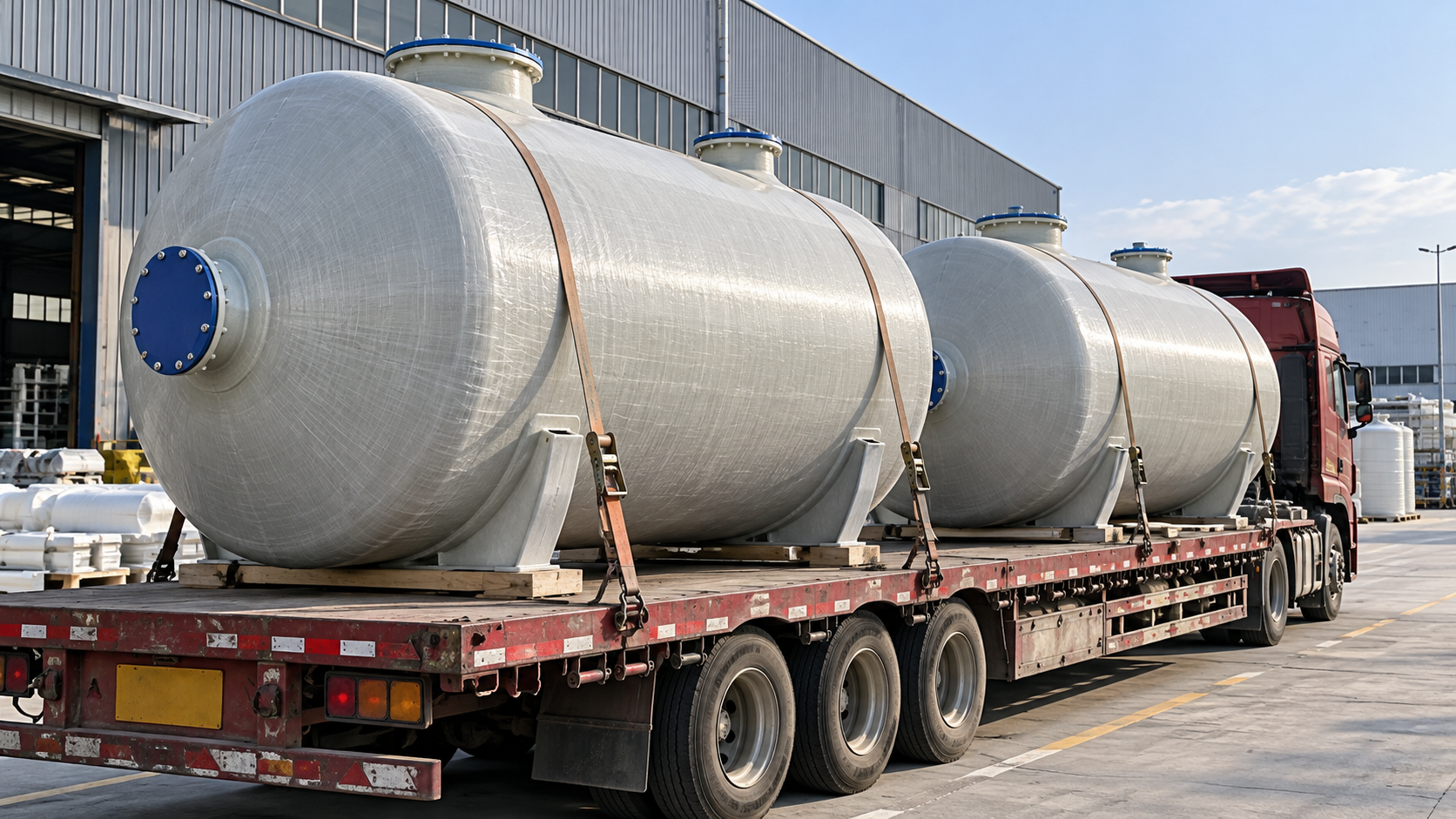
- Buying Fiberglass Water Tanks Wholesale: Compare Quotes and Delivery CostsAuthor :Environmental Engineering Director
- Choosing an XLPE Power Cable Supplier: Test Reports, Traceability, and Lead TimesAuthor :Grid Infrastructure Analyst
Expert Insights

Chief Security Architect
Dr. Thorne specializes in the intersection of structural engineering and digital resilience. He has advised three G7 governments on industrial infrastructure security.
Related Analysis
- Oct 19, 2026Air Handling Unit Supplier Checklist: Performance Data, Lead Times, and SupportAuthor :Environmental Engineering Director
- Oct 18, 2026Buying Fiberglass Water Tanks Wholesale: Compare Quotes and Delivery CostsAuthor :Environmental Engineering Director
- Oct 17, 2026Choosing an XLPE Power Cable Supplier: Test Reports, Traceability, and Lead TimesAuthor :Grid Infrastructure Analyst
Core Sector // 01
Security & Safety
- Buying Fiberglass Water Tanks Wholesale: Compare Quotes and Delivery CostsAuthor :Environmental Engineering Director

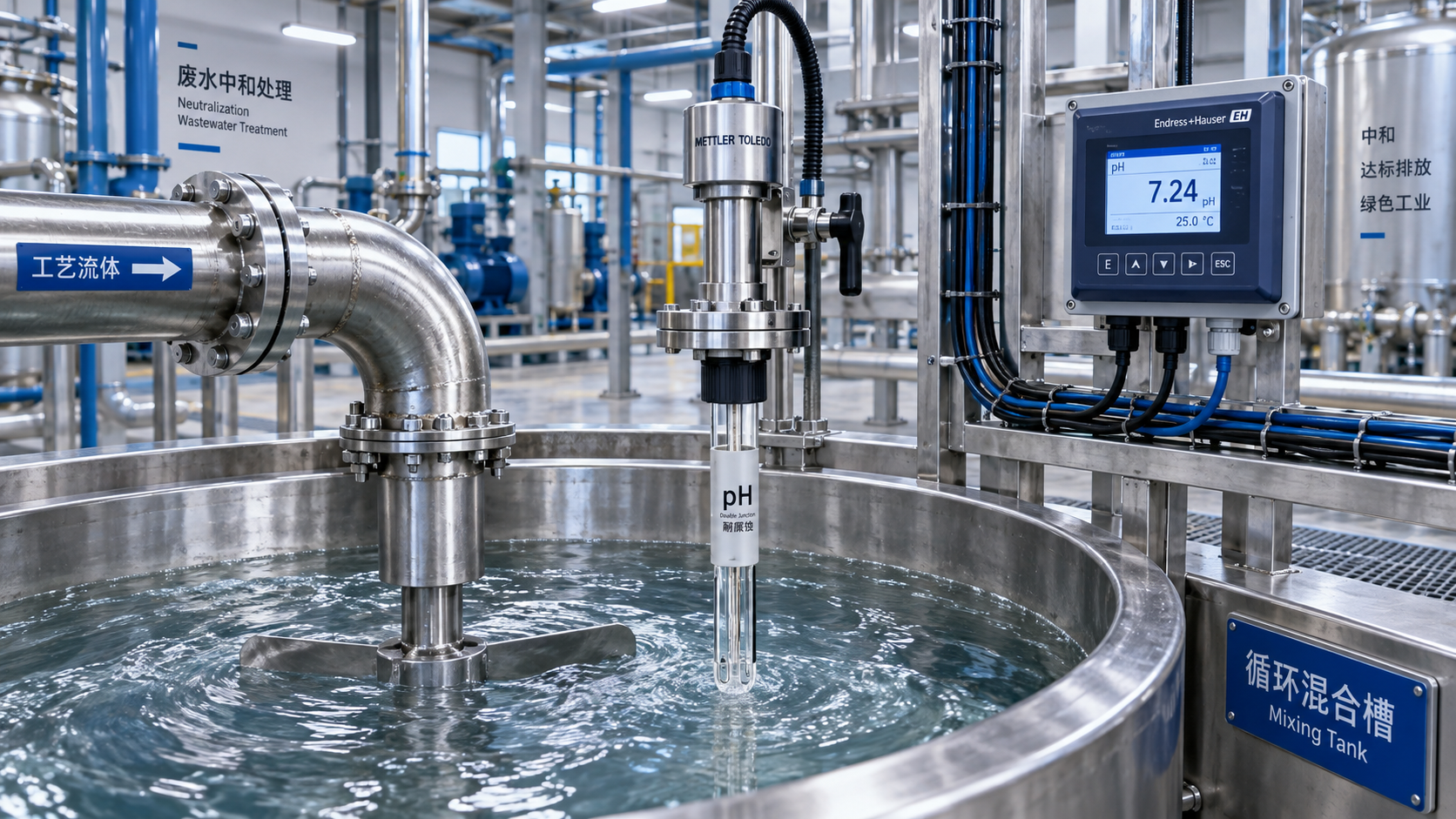
- How to Select Industrial pH Meters for Continuous Wastewater Process ControlAuthor :Environmental Engineering Director

- How to Size a Rinse Fill Cap Machine for Your Bottle Format and Target OutputAuthor :Environmental Engineering Director

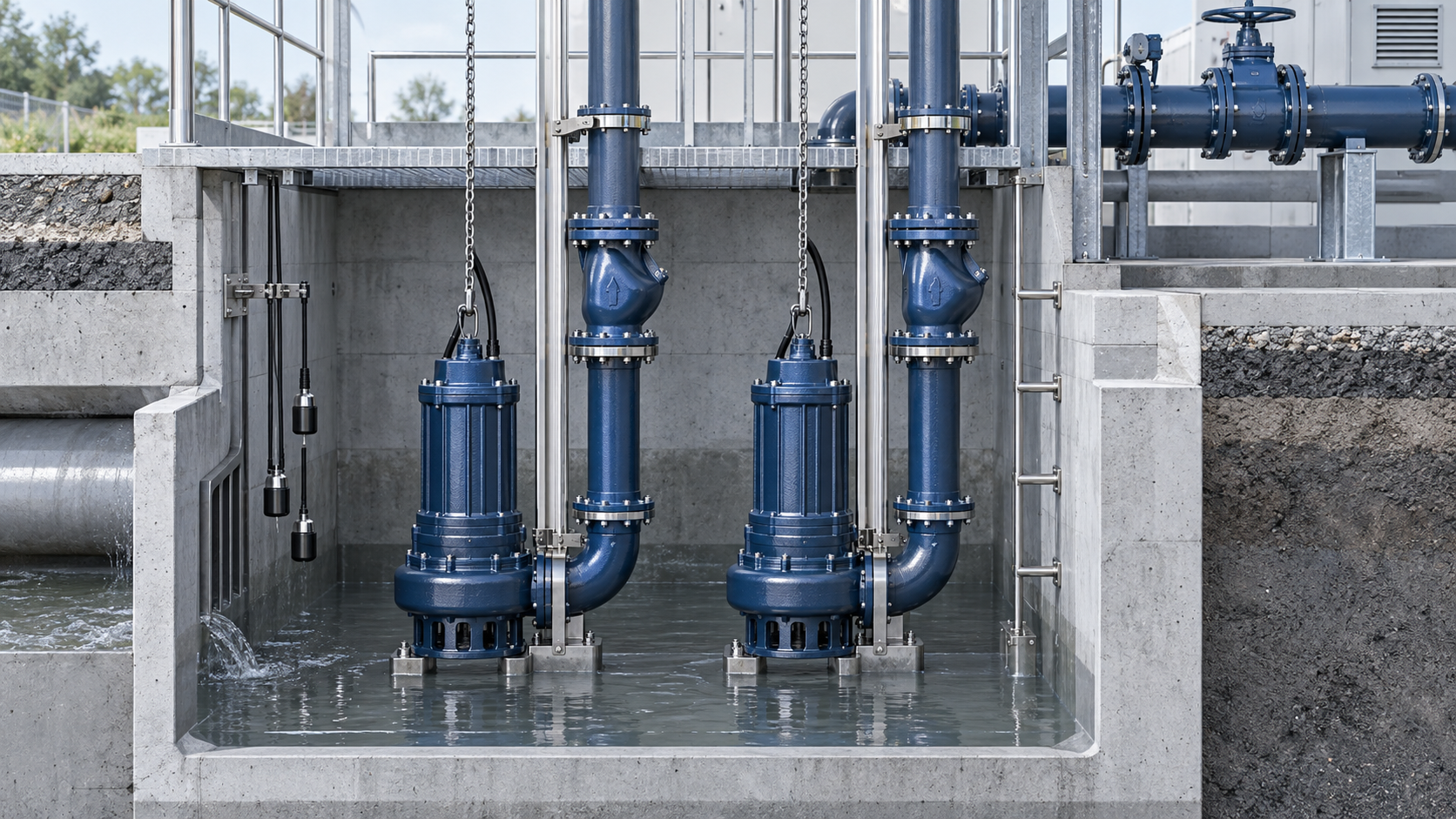
- How to Size a Heavy-Duty Submersible Sewage Pump for High-Solids Lift StationsAuthor :Environmental Engineering Director

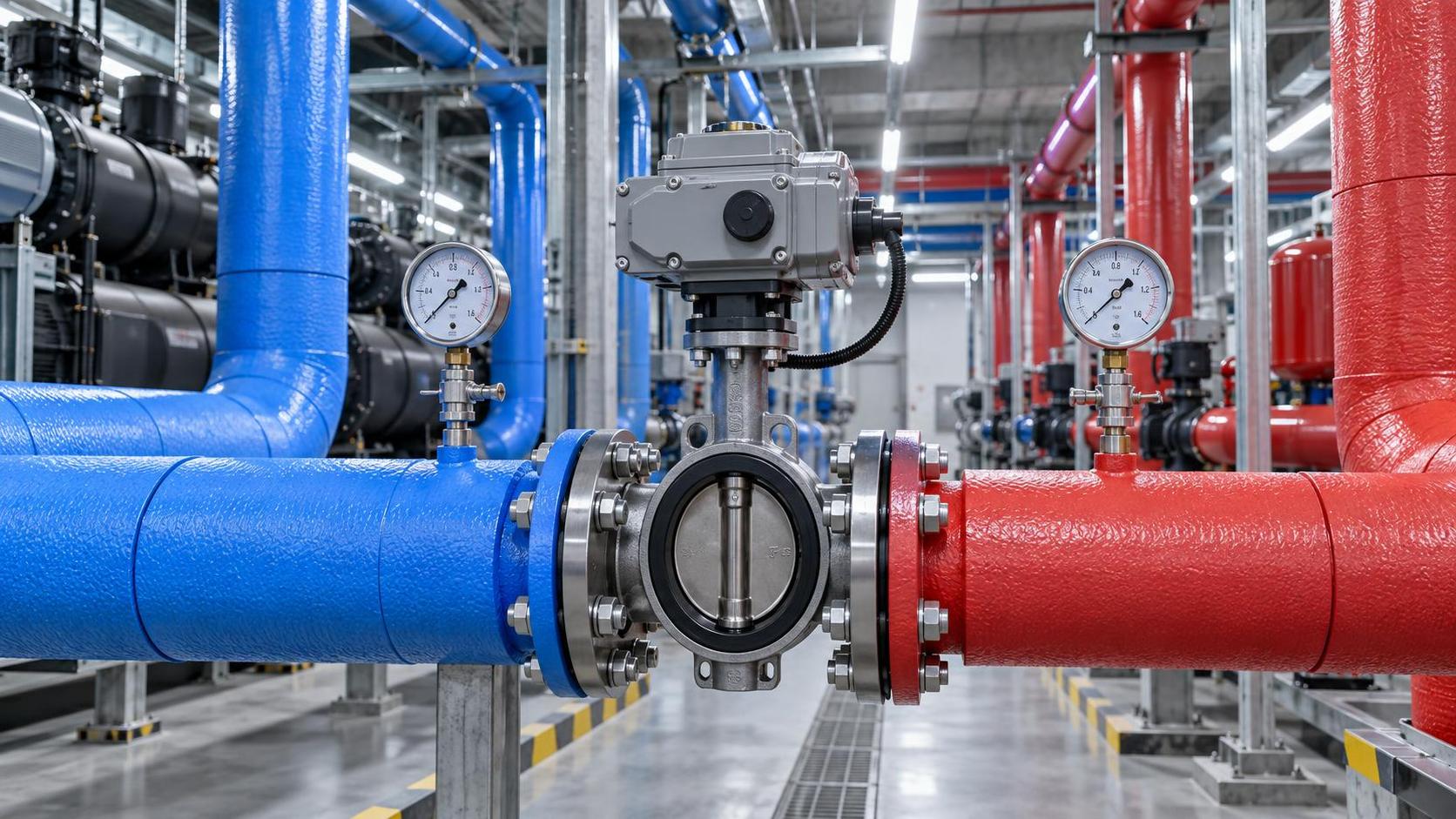
- How to Size a Wafer Butterfly Valve for HVAC Chilled-Water and Heating LoopsAuthor :Environmental Engineering Director

- How Pressure Class and Joint Design Affect Long-Term Performance of Ductile Iron Pipes in Drainage InfrastructureAuthor :Environmental Engineering Director

- How Ductile Iron Pipe Joints Affect Installation Reliability and Leak ControlAuthor :Environmental Engineering Director

- How to Size Effluent Treatment Equipment for Variable Industrial Wastewater LoadsAuthor :Environmental Engineering Director