China Adds 38 New Undergraduate Majors Including Industrial Intelligence and Carbon Management
Author
Date Published
Reading Time
China’s Ministry of Education has released the General Catalogue of Undergraduate Majors for Ordinary Higher Education Institutions (2026), adding 38 new undergraduate programs—including ‘Industrial Intelligence’, ‘Carbon Emission Management’, and ‘Intelligent Detection Technology’. Though the exact release date is not publicly specified, the catalogue represents a targeted talent supply-side reform aligned with upgrading industrial exports. Export-oriented enterprises in testing & measurement equipment, industrial water treatment systems, and solid waste management solutions are among those most directly affected—particularly as demand grows for higher engineer density and customized technical service capabilities over the next 3–5 years.
Event Overview
The Ministry of Education officially issued the General Catalogue of Undergraduate Majors for Ordinary Higher Education Institutions (2026), which includes 38 newly approved undergraduate majors. Confirmed additions include ‘Industrial Intelligence’, ‘Carbon Emission Management’, and ‘Intelligent Detection Technology’. No official implementation timeline or transitional provisions have been disclosed beyond the catalogue’s publication.
Industries Affected by This Development
Export-oriented manufacturers of green and intelligent industrial equipment: These firms—especially those supplying testing & measurement instruments, industrial water treatment systems, and solid waste management technologies—face rising expectations for embedded engineering support and application-specific customization. The new majors signal a future increase in domestically trained talent familiar with both domain-specific industrial processes and emerging digital/low-carbon tooling.
Engineering service providers supporting industrial exports: Firms offering commissioning, calibration, lifecycle maintenance, or regulatory compliance support for exported equipment may see intensified competition—and growing client demand—for personnel fluent in integrated industrial AI, emissions tracking protocols, and automated inspection standards.
Domestic technology integrators serving export supply chains: Companies that adapt foreign-designed subsystems or localize control interfaces for overseas markets will likely encounter tighter integration requirements, particularly where intelligent detection logic or carbon performance reporting must align with buyer-specified operational data frameworks.
What Relevant Enterprises or Professionals Should Monitor and Do Now
Track official implementation guidance from provincial education authorities
While the catalogue is national in scope, curriculum design, accreditation timelines, and first cohort enrollment dates will be determined at provincial level. Early announcements from key provinces (e.g., Jiangsu, Guangdong, Zhejiang) may indicate regional talent availability patterns relevant to hiring planning.
Map current technical service gaps against the three new major domains
Specifically assess whether internal capacity shortfalls exist in: (1) deploying AI-augmented process diagnostics on legacy production lines; (2) quantifying, verifying, and reporting Scope 1/2 emissions for export documentation; or (3) integrating real-time sensor-based quality assurance into final inspection workflows. Prioritize roles where academic training now formally aligns with these functions.
Distinguish policy signaling from near-term hiring impact
Graduates from these new majors will not enter the labor market before 2030 (assuming standard four-year programs). Current recruitment should focus on upskilling existing engineers—especially in cross-domain literacy (e.g., automation + environmental compliance)—rather than waiting for newly minted specialists.
Review technical documentation and customer-facing materials for terminology alignment
Update product datasheets, service agreements, and after-sales training modules to reflect standardized terms now codified in the catalogue—such as ‘intelligent detection’ (not just ‘automated inspection’) or ‘carbon management’ (not only ‘emissions reporting’)—to improve interoperability with future university-trained partners and clients.
Editorial Perspective / Industry Observation
Observably, this catalogue update functions primarily as a forward-looking signal—not an immediate operational shift. It reflects institutional recognition of skill mismatches emerging at the intersection of industrial digitization and decarbonization, particularly in capital equipment export segments. Analysis shows the emphasis on ‘industrial intelligence’ and ‘intelligent detection’ correlates with rising global buyer requirements for predictive maintenance readiness and audit-ready quality traceability. From an industry perspective, the inclusion of ‘carbon emission management’—distinct from broader environmental science programs—suggests growing expectation that engineers, not just sustainability officers, must interpret and operationalize carbon accounting frameworks within plant-level control systems. Current more appropriate interpretation is that this is a multi-year calibration of academic infrastructure, not a sudden inflection in workforce composition.
Concluding, this development underscores a structural shift in how China is preparing technical talent to support its evolving position in global industrial value chains—particularly where precision, compliance, and intelligence are becoming non-negotiable features of exported equipment. It is best understood not as a near-term hiring lever, but as a mid-term indicator of tightening technical service expectations across green and smart industrial exports.
Source: Ministry of Education of the People’s Republic of China — General Catalogue of Undergraduate Majors for Ordinary Higher Education Institutions (2026). Note: Implementation schedules, curriculum details, and first graduation cohorts remain pending official provincial-level announcements and are subject to ongoing observation.
Technical Specifications
- How to Select Electronic Hotel Key Card Locks for Guest Rooms and Staff AreasAuthor :Safety Compliance Lead
- How to Select Lab Instruments for Reliable Chemical Analysis WorkflowsAuthor :Precision Metrology Expert
- How to Size a UPS for Server Rooms: Load, Runtime, and Redundancy FactorsAuthor :Grid Infrastructure Analyst
Expert Insights

Chief Security Architect
Dr. Thorne specializes in the intersection of structural engineering and digital resilience. He has advised three G7 governments on industrial infrastructure security.
Related Analysis
- Sep 17, 2026How to Select Electronic Hotel Key Card Locks for Guest Rooms and Staff AreasAuthor :Safety Compliance Lead
- Sep 16, 2026How to Select Lab Instruments for Reliable Chemical Analysis WorkflowsAuthor :Precision Metrology Expert
- Sep 15, 2026How to Size a UPS for Server Rooms: Load, Runtime, and Redundancy FactorsAuthor :Grid Infrastructure Analyst
Core Sector // 01
Security & Safety
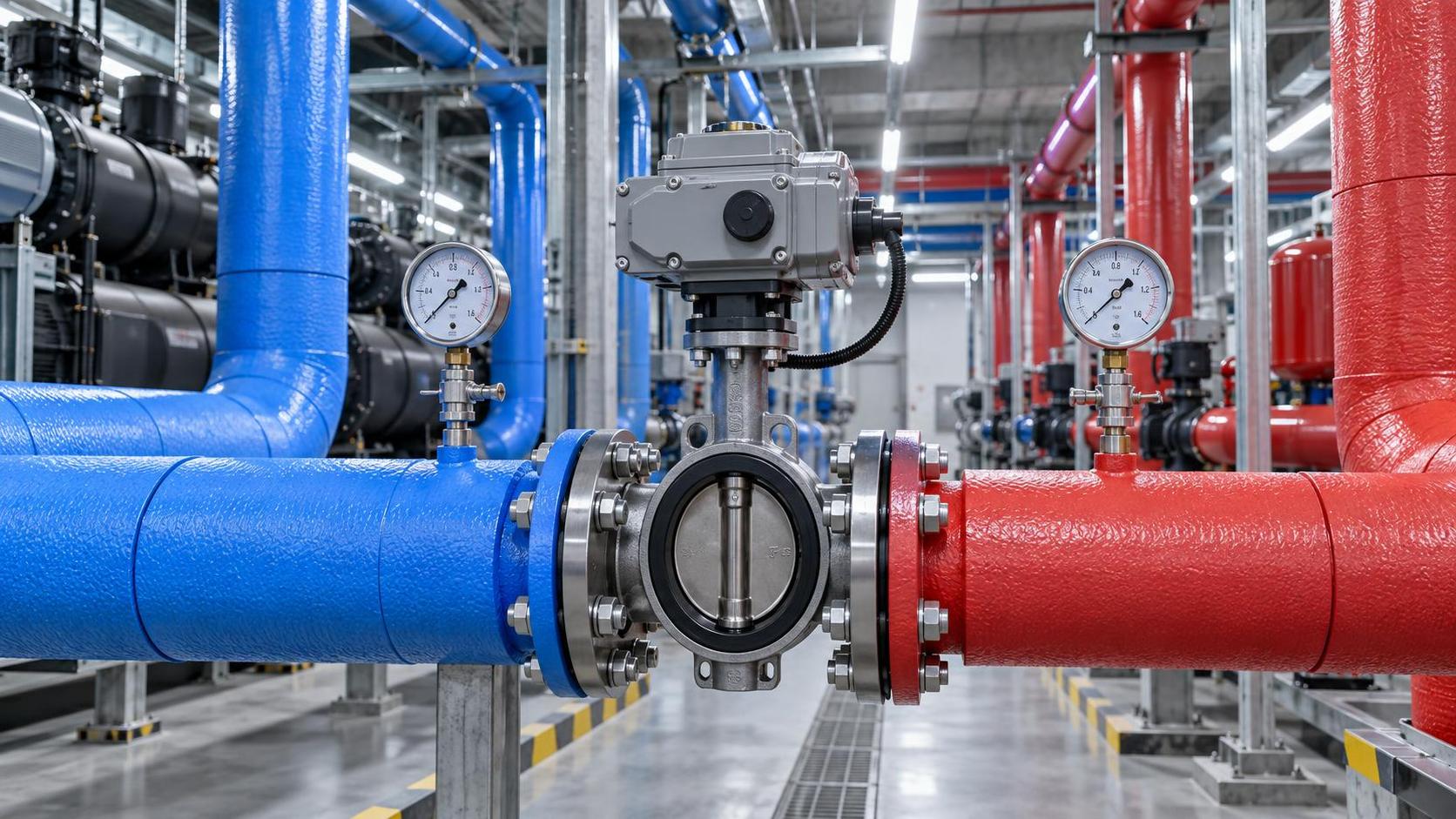
- How to Size a Wafer Butterfly Valve for HVAC Chilled-Water and Heating LoopsAuthor :Environmental Engineering Director

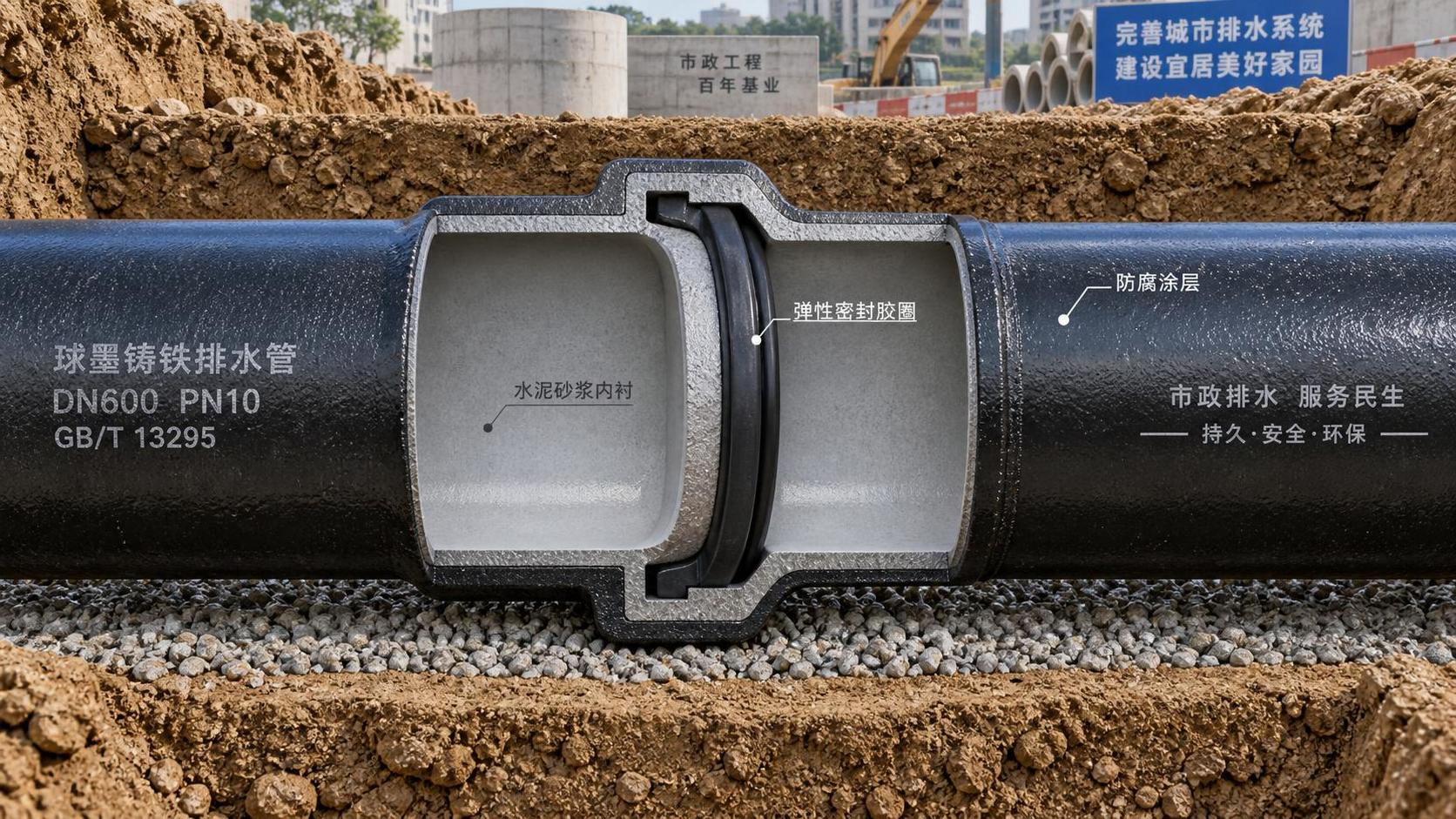
- How Pressure Class and Joint Design Affect Long-Term Performance of Ductile Iron Pipes in Drainage InfrastructureAuthor :Environmental Engineering Director

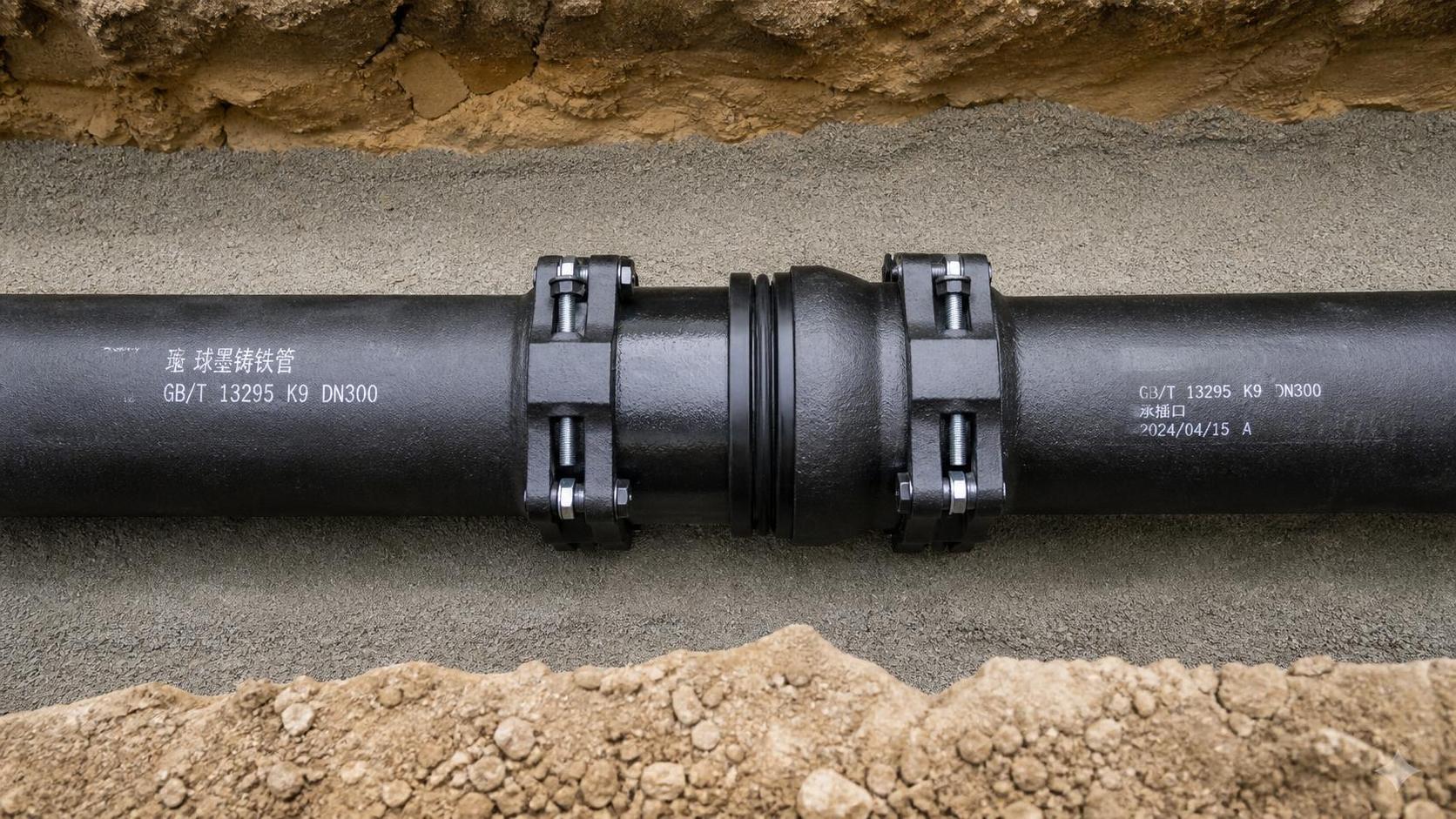
- How Ductile Iron Pipe Joints Affect Installation Reliability and Leak ControlAuthor :Environmental Engineering Director

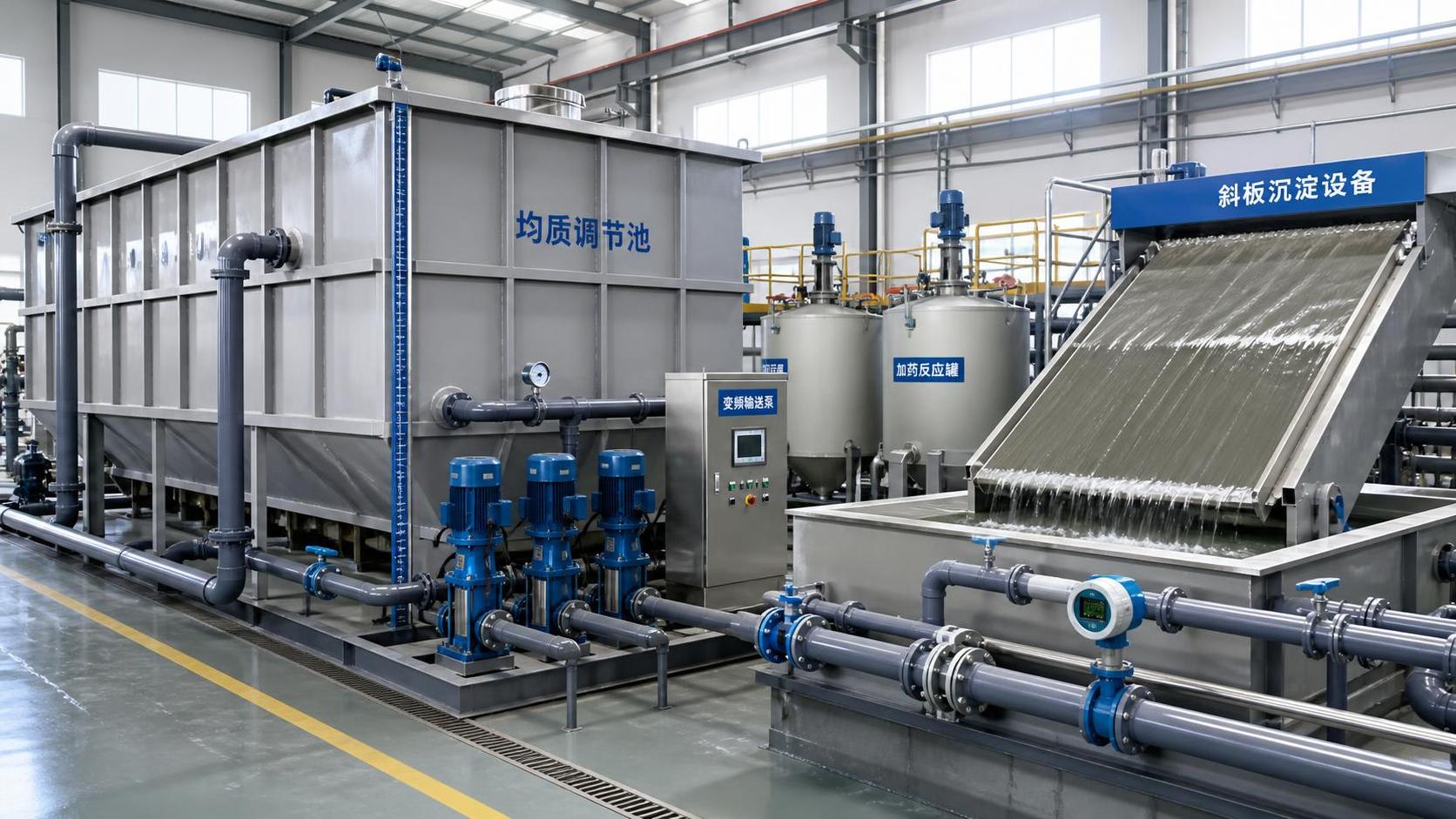
- How to Size Effluent Treatment Equipment for Variable Industrial Wastewater LoadsAuthor :Environmental Engineering Director

- US Battery Push Raises New Entry Rules for SuppliersAuthor :Environmental Engineering Director

- EU EMC Rule Tightens for Water Treatment ExportsAuthor :Environmental Engineering Director

- EU REACH Restriction Targets PFAS Water Treatment ImportsAuthor :Environmental Engineering Director

- EU Mandates EN 14113:2026 for Water Treatment ExportsAuthor :Environmental Engineering Director