CBP Ruling Shifts Smart Air Purifiers to HTS 9027.80
Author
Date Published
Reading Time
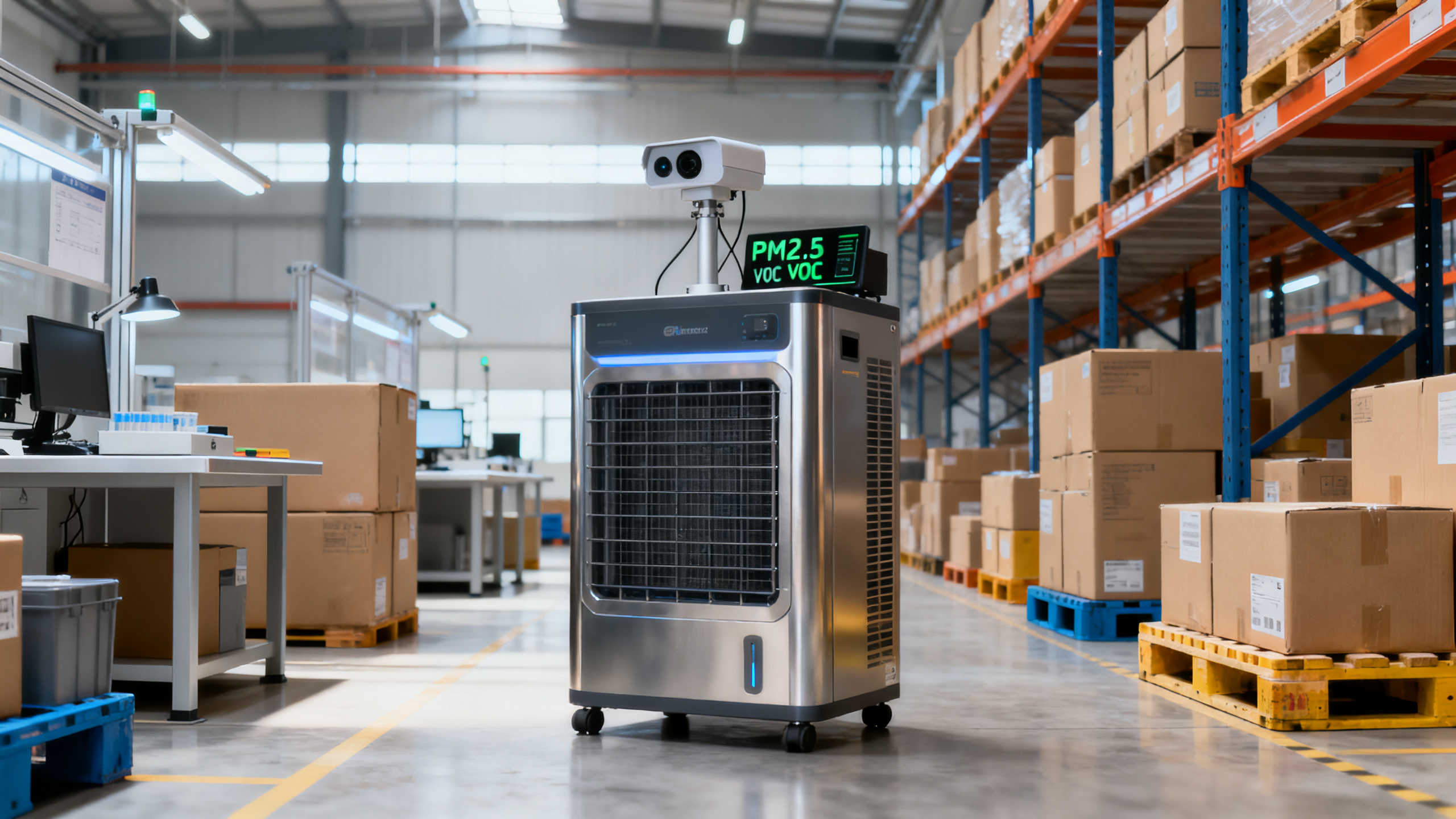
On June 29, 2026, U.S. Customs and Border Protection issued binding ruling HQ H347822, changing how certain industrial air purifiers with IoT-enabled PM2.5 and VOC sensing are classified for U.S. import purposes. Instead of being treated as air purifiers under HTS 8421.39, these products were placed under HTS 9027.80 as measuring instruments. For U.S. importers, distributors, and suppliers sourcing from China and ASEAN, the development matters because it combines a higher duty rate with added verification tied to measurement accuracy.
What the ruling confirms
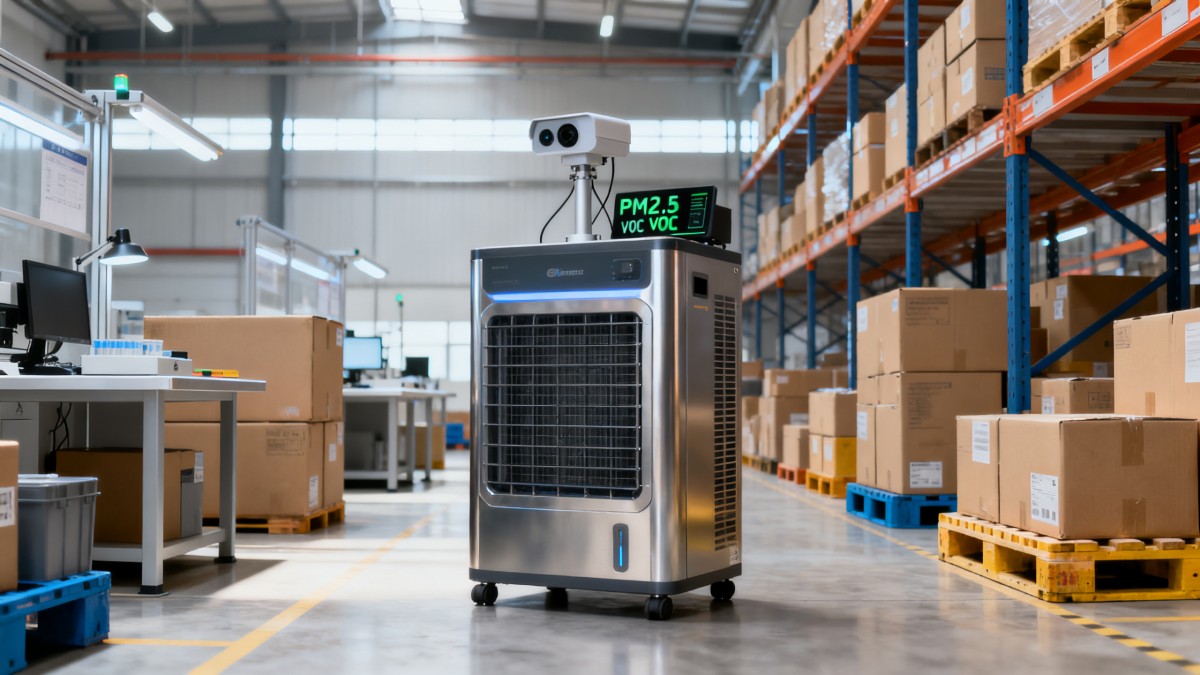
The confirmed facts are narrow but commercially significant. CBP issued binding ruling HQ H347822 on 2026-06-29. The ruling applies to smart industrial air purifiers equipped with real-time PM2.5 and VOC sensors. Under this ruling, the products are classified under HTS 9027.80 as measuring instruments rather than under HTS 8421.39 as air purifiers.
The reclassification changes the applicable duty rate from 2.5% to 4.2%. The summary provided also indicates that affected shipments become subject to FDA and UL verification related to measurement accuracy.
Where the business impact is likely to appear first
Import decisions may need a product-by-product review
From an industry perspective, U.S. importers are likely to feel the effect first because tariff classification sits directly at the entry and cost level. Products marketed primarily as air treatment equipment but sold with real-time sensing functions may now require closer review before shipment. The main pressure points are landed cost calculation, customs documentation, and import planning for goods sourced from China and ASEAN.
Distributors may face new compliance questions from customers
Distributors are also exposed because the ruling changes the compliance profile of the product, not only the tariff line. What deserves closer attention is that FDA and UL verification tied to measurement accuracy can affect how products are presented, documented, and cleared. In practice, this may influence lead-time expectations, product onboarding, and customer communication around specifications and delivery timing.
Manufacturers and suppliers may need to support classification and verification
For manufacturers and upstream suppliers, the impact is less about the U.S. entry filing itself and more about the supporting materials behind the product. Analysis shows that when a product is treated as a measuring instrument, the sensor function is no longer a minor feature in commercial terms. That can make technical descriptions, sensor-related documentation, and consistency between product claims and shipment records more important in cross-border transactions.
Supply chain service providers may see added documentation risk
Customs brokers, compliance teams, and logistics coordinators may also need to adjust workflows. The likely impact is concentrated in classification review, document checks, and exception handling where a product has both purification and sensing functions. The key issue is not broader market disruption, but a more exacting review standard for a specific smart equipment category.
What companies should watch now
Track whether similar products fall into the same reading
Companies should closely compare their own smart industrial air purifier models with the product profile described in the ruling. The practical question is whether real-time PM2.5 and VOC sensing is positioned as a central operating feature, because that appears closely tied to the new classification outcome in the information provided.
Review landed cost assumptions and contract exposure
Businesses with active U.S.-bound orders should revisit duty assumptions where pricing, quotation validity, or margin planning was built around HTS 8421.39. Analysis shows that even a limited tariff change can become commercially relevant when it affects repeated shipments or distributor pricing commitments.
Prepare for documentation tied to measurement accuracy
The summary indicates that affected shipments may face FDA and UL verification for measurement accuracy. Companies should therefore pay attention to whether current product files, declarations, and technical support materials are sufficient for that scrutiny. This is less about making new claims and more about aligning shipment documentation with how the product is being classified and reviewed.
Keep customer and supplier communication precise
Where supply chains involve China or ASEAN production and U.S. distribution, communication discipline becomes important. What deserves closer attention is the gap between a product's commercial identity as an air purifier and its customs treatment as a measuring instrument. That distinction can affect order discussions, compliance representations, and delivery expectations.
Why this reads as more than a routine tariff update
Observably, this development is not just about a modest duty increase. It points to a regulatory view that embedded sensing capability can shape the primary customs identity of an industrial device. That is an important signal for companies selling connected equipment that combines a physical function with real-time data measurement.
At the same time, it is more appropriate to understand this as a targeted and actionable signal rather than a confirmed across-the-board shift for all air treatment equipment. The ruling described here is specific, and the information provided does not establish how broadly CBP will apply the same logic beyond the cited product type. Continued observation is therefore warranted.
How the market should interpret the ruling today
The immediate takeaway is practical: a defined category of smart industrial air purifiers now carries a different tariff and compliance profile in the U.S. market. For affected businesses, this is not a theoretical classification debate but a matter of cost, documentation, and shipment readiness.
In neutral terms, the ruling is best understood as a concrete near-term compliance change and a longer-term indicator that sensor-driven functionality may receive greater weight in customs treatment. It does not by itself prove a wider policy reset, but it is significant enough that importers, distributors, and suppliers should not treat it as an isolated paperwork issue.
Basis of this article and points for continued verification
This article is based on the user-provided news title, event date, and event summary concerning CBP binding ruling HQ H347822 dated 2026-06-29. No specific official source link was provided in the input, so the exact official publication record still requires ongoing verification.
For this type of development, source categories that are typically relevant include official agency announcements, customs rulings, company disclosures, industry association updates, authoritative media reporting, and compliance-related certification documents. Further attention should remain on any later official clarification, scope interpretation for similar products, and whether additional guidance affects classification practice or verification requirements.
Technical Specifications
- Air Handling Unit Supplier Checklist: Performance Data, Lead Times, and SupportAuthor :Environmental Engineering Director
- Buying Fiberglass Water Tanks Wholesale: Compare Quotes and Delivery CostsAuthor :Environmental Engineering Director
- Choosing an XLPE Power Cable Supplier: Test Reports, Traceability, and Lead TimesAuthor :Grid Infrastructure Analyst
Expert Insights

Chief Security Architect
Dr. Thorne specializes in the intersection of structural engineering and digital resilience. He has advised three G7 governments on industrial infrastructure security.
Related Analysis
- Oct 19, 2026Air Handling Unit Supplier Checklist: Performance Data, Lead Times, and SupportAuthor :Environmental Engineering Director
- Oct 18, 2026Buying Fiberglass Water Tanks Wholesale: Compare Quotes and Delivery CostsAuthor :Environmental Engineering Director
- Oct 17, 2026Choosing an XLPE Power Cable Supplier: Test Reports, Traceability, and Lead TimesAuthor :Grid Infrastructure Analyst
Core Sector // 01
Security & Safety
- Air Handling Unit Supplier Checklist: Performance Data, Lead Times, and SupportAuthor :Environmental Engineering Director

- How to Select Industrial Emission Control Systems for High-Dust Manufacturing LinesAuthor :Environmental Engineering Director

- Environmental Technologies for Heavy Industry: Choosing Cleaner Production SolutionsAuthor :Environmental Engineering Director

- Selecting Air Compliance Equipment for Dust, Fumes, and VOC ControlAuthor :Environmental Engineering Director

- EU Rule Tightens EN 1822-2 for Industrial Air PurifiersAuthor :Environmental Engineering Director

- EU Eco-Design Rules Tighten for Air PurifiersAuthor :Environmental Engineering Director

- Low-Maintenance Dust and Fume Control Systems: Best Options for Welding ShopsAuthor :Environmental Engineering Director

- EPA Sets VOC Labeling Rule for Air PurifiersAuthor :Environmental Engineering Director