Low Voltage Switchboard Selection: Key Ratings, Protection Levels, and Installation Needs
Author
Date Published
Reading Time
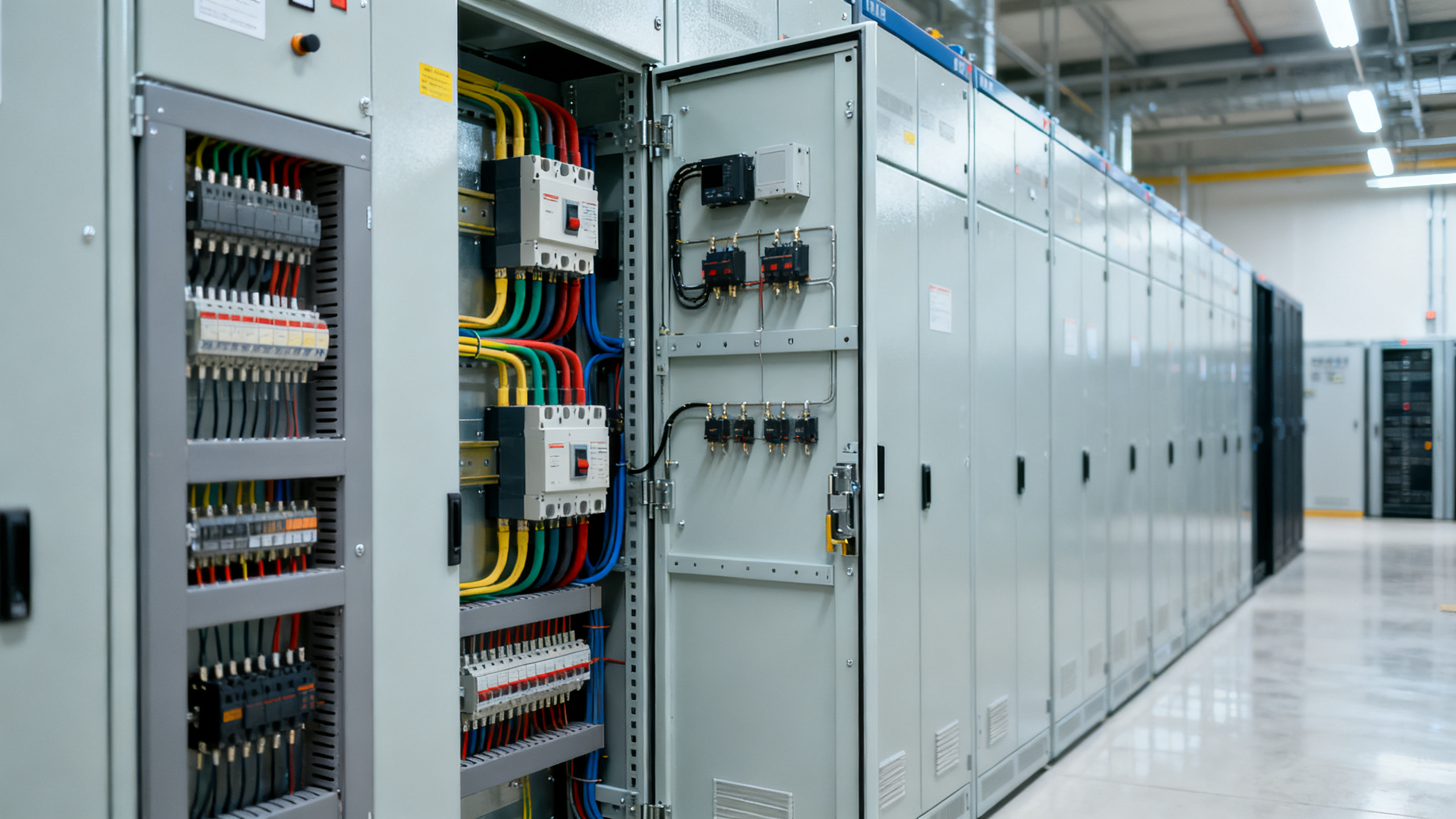
Low Voltage Switchboard Selection: Key Ratings, Protection Levels, and Installation Needs
Choosing the right low voltage switchboard is a critical decision for project managers balancing safety, compliance, uptime, and installation constraints.
From current ratings and short-circuit performance to IP protection levels and site-specific layout needs, every specification affects long-term reliability and project delivery.
This guide explains how to assess a low voltage switchboard with more confidence, fewer surprises, and better technical clarity during selection.
Why Low Voltage Switchboard Selection Matters Early
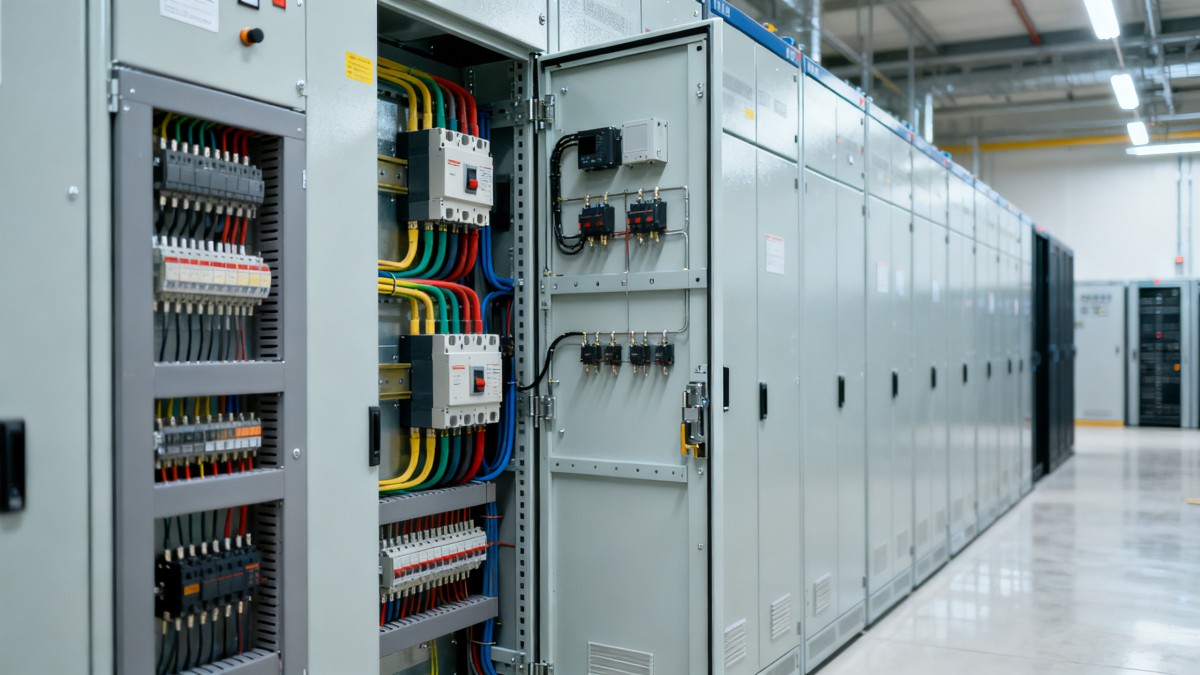
A low voltage switchboard is not just a power distribution box.
It is the control point for power continuity, equipment protection, and maintenance access across the whole facility.
When selection happens too late, teams often face layout conflicts, cable routing changes, and expensive redesigns.
That risk grows in plants, data-intensive facilities, utility rooms, and mixed-use industrial sites.
In practical terms, the wrong low voltage switchboard can create heat issues, clearance problems, and weak fault resilience.
A better selection process starts with the actual operating profile, not only the purchase budget.
Start with the Core Electrical Ratings
The first checkpoint in low voltage switchboard selection is current rating.
You need the rated current of the incoming feeder, each outgoing section, and the expected diversity factor.
Do not size only for present loads.
Allow realistic headroom for future expansion, seasonal peaks, and process upgrades.
Voltage rating is just as important.
The low voltage switchboard must match the system voltage, insulation level, and frequency of the installation.
Then comes short-circuit performance.
This is where many selection errors become costly.
The switchboard must withstand and clear the available fault current at the installation point.
A board with insufficient short-circuit rating may pass basic review, yet fail under actual fault conditions.
Key ratings to verify
- Rated operational voltage and insulation voltage
- Rated current of busbars and feeders
- Short-time withstand current and peak withstand current
- Frequency compatibility, usually 50 Hz or 60 Hz
- Temperature rise limits under full operating load
If one of these ratings is vague in supplier documents, pause the decision and ask for certified test data.
Check Protection Levels Beyond the IP Number
Protection level is often reduced to one quick question: what IP rating is needed?
That matters, but it is only part of a sound low voltage switchboard evaluation.
IP ratings define resistance to solids and water ingress.
An indoor electrical room may only require moderate protection.
A humid process area, dusty workshop, or semi-outdoor utility zone may require much more.
Still, real protection also depends on enclosure sealing, ventilation design, gasketing, and door integrity over time.
In many projects, the bigger issue is not water spray.
It is dust buildup, heat accumulation, or corrosive exposure that slowly reduces service life.
Protection factors worth reviewing
- IP rating based on the real site environment
- Internal segregation for operator safety and fault containment
- Arc fault mitigation features where risk is elevated
- Corrosion resistance for coastal, chemical, or washdown areas
- Ventilation method and filter maintenance needs
A low voltage switchboard should be protected enough for the environment without creating avoidable thermal stress.
Match the Low Voltage Switchboard to Installation Reality
A technically strong board can still become a poor choice if it does not fit the site.
Installation constraints deserve the same weight as electrical ratings.
Start with available floor space, wall proximity, and front or rear access requirements.
Then review cable entry direction, trench layout, overhead routing, and bending radius limits.
This becomes even more important in retrofit projects.
Existing rooms rarely provide ideal space for a new low voltage switchboard.
You may need split sections, transport breaks, or modular assemblies to move equipment into place safely.
That is why installation planning should happen before final procurement approval, not after it.
Practical installation checks
- Confirm transport dimensions against doors, lifts, and access corridors.
- Verify maintenance clearance in front of each functional section.
- Check base frame, floor loading, and anchoring needs.
- Review top or bottom cable entry before civil works are frozen.
- Align ventilation and room cooling with expected heat loss.
These checks save time because they prevent installation-day surprises that delay energization.
Evaluate Compliance, Testing, and Manufacturer Depth
A low voltage switchboard should never be selected on catalog appearance alone.
Compliance records and test evidence matter far more than polished sales language.
Ask whether the assembly complies with relevant IEC, UL, CE, or local regulatory requirements.
Also check whether verification is based on full type testing, design verification, or partial evidence.
The more demanding the application, the more important documented testing becomes.
Manufacturer capability also affects project risk.
A capable supplier can support drawings, coordination studies, factory acceptance testing, and spare parts planning.
That support is often the difference between a smooth handover and a frustrating commissioning phase.
Common Selection Mistakes That Create Long-Term Risk
Some low voltage switchboard mistakes look minor during procurement, then grow into expensive operating issues.
One common mistake is choosing the lowest enclosure protection without reviewing the actual site conditions.
Another is underestimating future load growth.
That forces early retrofit work and disrupts operations sooner than expected.
A third mistake is ignoring coordination between the low voltage switchboard and upstream or downstream protection devices.
Without coordination, nuisance trips or selective protection failures become more likely.
There is also a softer risk: poor documentation that makes maintenance slower for years.
Red flags during evaluation
- Incomplete short-circuit data
- No clear heat dissipation information
- Unclear testing scope or certification status
- Layout drawings that ignore service access
- Expansion options that exist only in theory
When these warning signs appear, it is usually smarter to slow the buying decision than to accelerate it.
A Practical Low Voltage Switchboard Decision Framework
A useful selection process keeps technical review simple, structured, and evidence-based.
Start with the system duty, then narrow choices using constraints that cannot be negotiated.
- Define load profile, fault level, voltage, and future capacity margin.
- Map environmental exposure, access limits, and installation conditions.
- Filter suppliers by compliance evidence and engineering support capability.
- Review drawings, heat loss, and maintainability before final comparison.
- Confirm testing, documentation, and commissioning scope before purchase order release.
This approach keeps the low voltage switchboard decision grounded in operational reality.
It also helps compare options fairly when several suppliers appear similar on paper.
In the end, the best low voltage switchboard is the one that fits the electrical duty, the environment, and the site without compromise.
Final Takeaway
Low voltage switchboard selection works best when safety, performance, protection, and installation are reviewed together.
That broader view reduces project friction and supports more reliable long-term operation.
Before closing a supplier decision, verify ratings, inspect protection logic, challenge layout assumptions, and request formal test evidence.
Those steps take time up front, but they usually save much more time during installation and commissioning.
If the next purchase involves a low voltage switchboard, use this checklist-driven review to make the decision more defensible, practical, and future-ready.
Technical Specifications
- How to Select an Emissions Monitoring System Analyzer for Compliance ReportingAuthor :Precision Metrology Expert
- How to Select an Access Control Management System for Multi-Site FacilitiesAuthor :Safety Compliance Lead
- Portable Gas Monitor Calibration: How Often Is It Needed for Safe Confined-Space Work?Author :Precision Metrology Expert
Expert Insights

Chief Security Architect
Dr. Thorne specializes in the intersection of structural engineering and digital resilience. He has advised three G7 governments on industrial infrastructure security.
Related Analysis
- Sep 21, 2026How to Select an Emissions Monitoring System Analyzer for Compliance ReportingAuthor :Precision Metrology Expert
- Sep 20, 2026How to Select an Access Control Management System for Multi-Site FacilitiesAuthor :Safety Compliance Lead
- Sep 19, 2026Portable Gas Monitor Calibration: How Often Is It Needed for Safe Confined-Space Work?Author :Precision Metrology Expert
Core Sector // 01
Security & Safety
- How to Size a UPS for Server Rooms: Load, Runtime, and Redundancy FactorsAuthor :Grid Infrastructure Analyst

- How to Choose a Step-Down Transformer for a Control Panel: Key Sizing FactorsAuthor :Grid Infrastructure Analyst

- How Often Should Overseas Power Systems Undergo Safety Inspections?Author :Grid Infrastructure Analyst

- How to Choose Panels for Extreme-Cold Industrial Sites?Author :Grid Infrastructure Analyst

- What Should a Cross-Border EPC Equipment Procurement Reference Include?Author :Grid Infrastructure Analyst

- How to Compare Low-Voltage Equipment for Panel IntegrationAuthor :Grid Infrastructure Analyst

- IEC-Compliant Power Infrastructure: Key Design and Verification RequirementsAuthor :Grid Infrastructure Analyst

- Updated EN 61000-6-4:2026 Raises EMC Compliance Bar for EU-Bound Industrial EquipmentAuthor :Grid Infrastructure Analyst