Grid Investment and AI Demand Sustain Momentum for Power Equipment
Author
Date Published
Reading Time
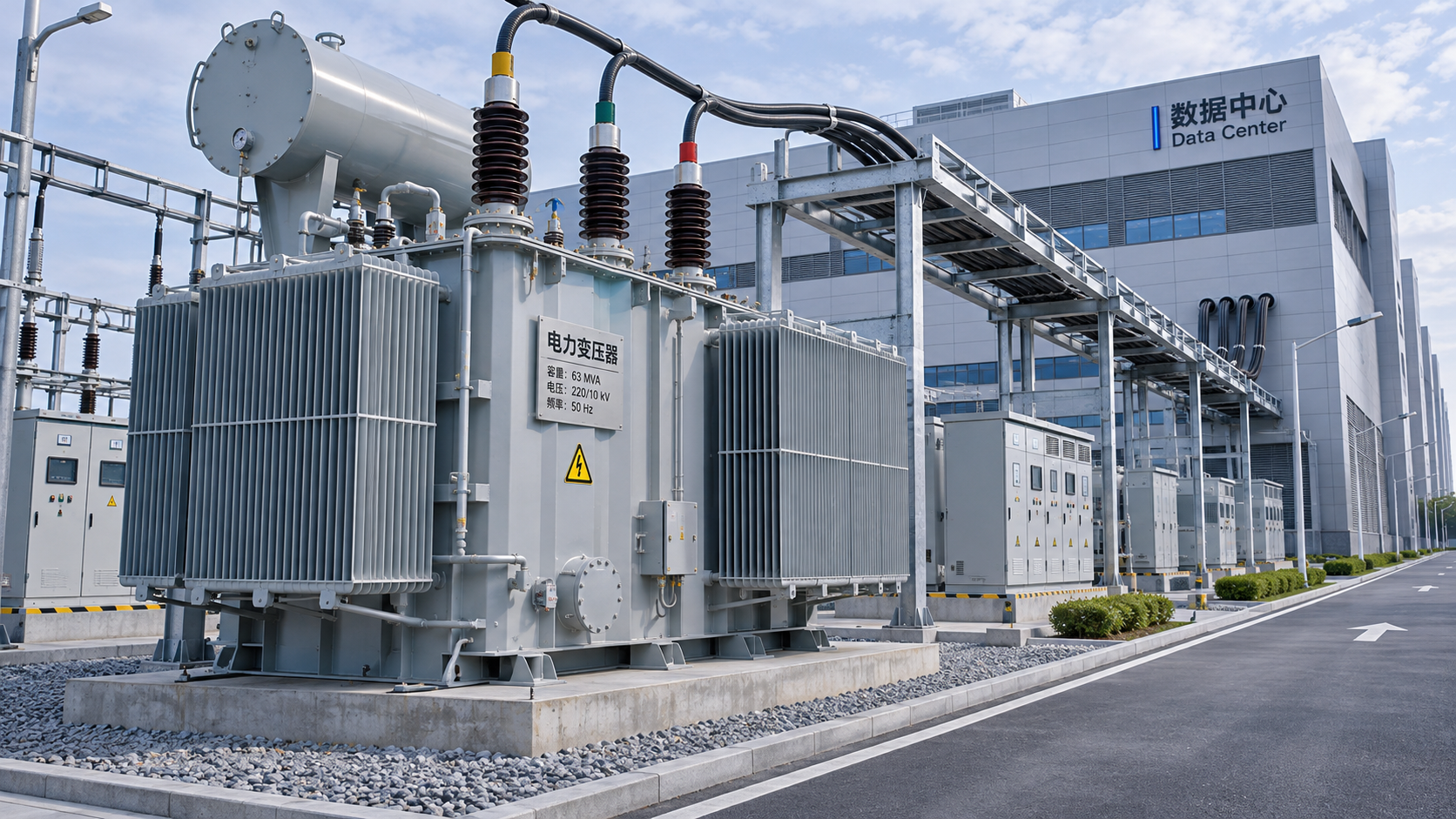
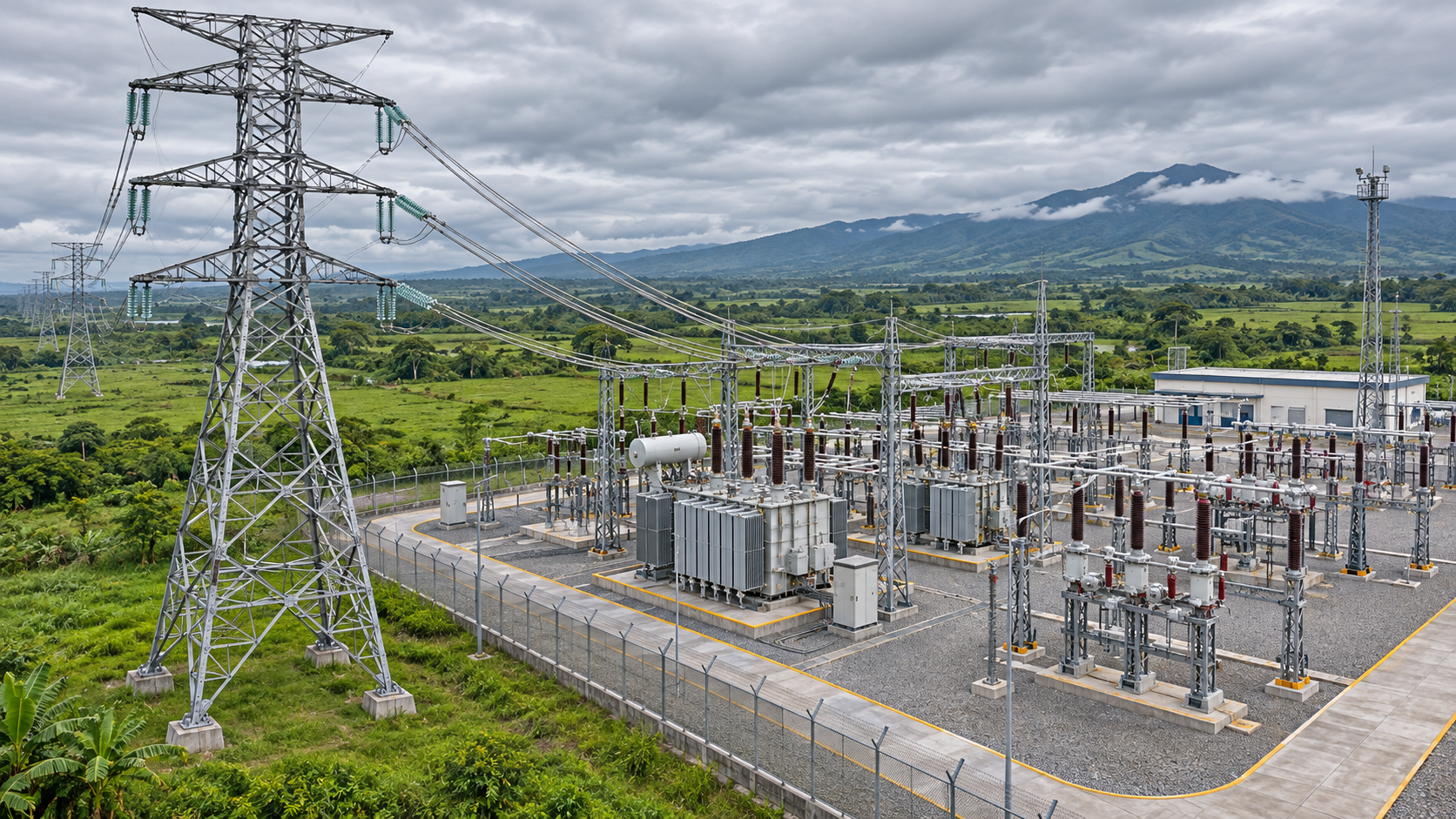
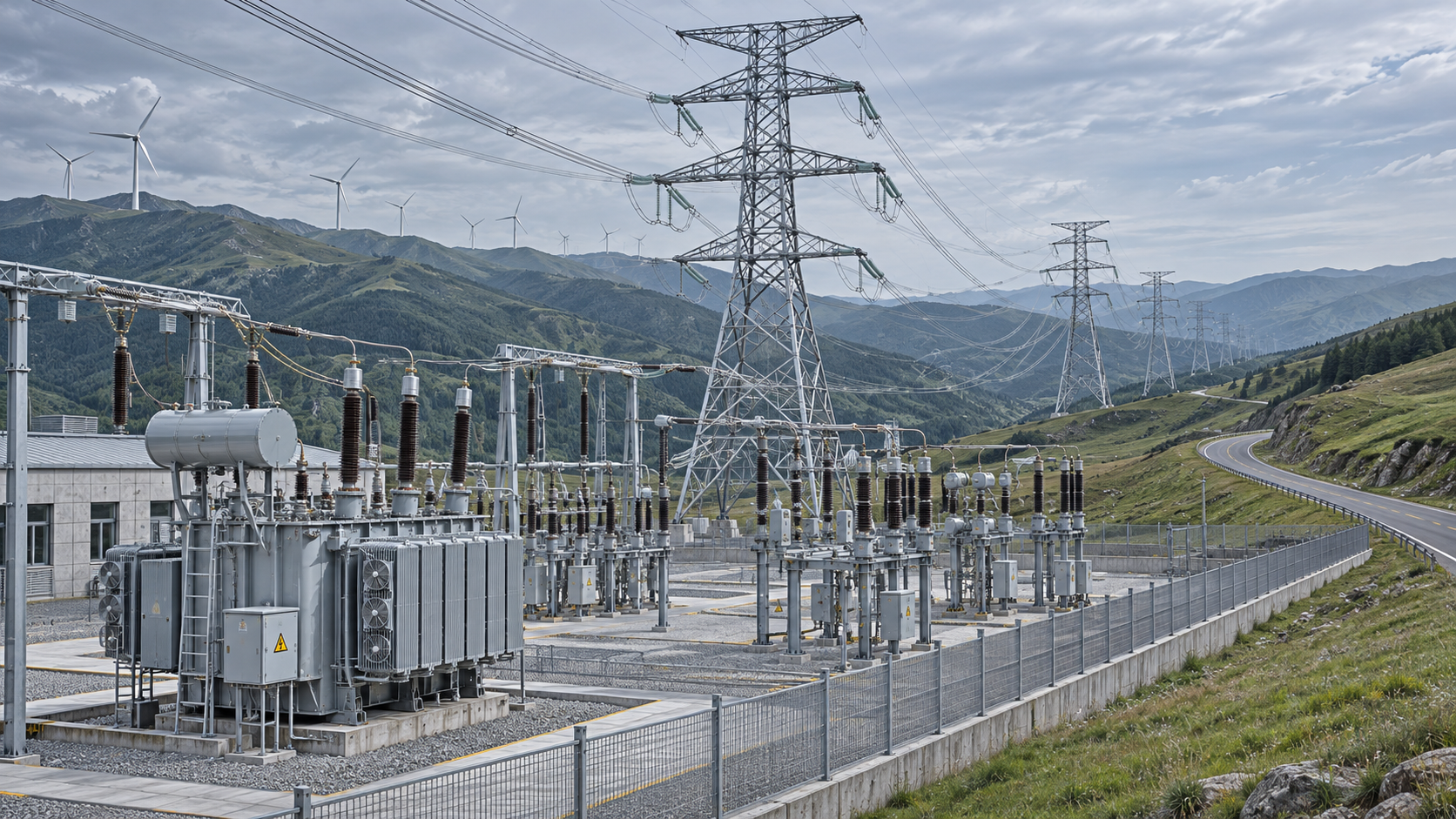
Increased grid investment and demand linked to artificial intelligence are drawing attention to power equipment procurement and exports, according to a report by Securities Times. The timing of the reported developments was not specified. No new policy, regulation, standard or trade rule was identified in the supplied information; the developments are nevertheless relevant to manufacturers, exporters and equipment buyers assessing future specifications and delivery needs.
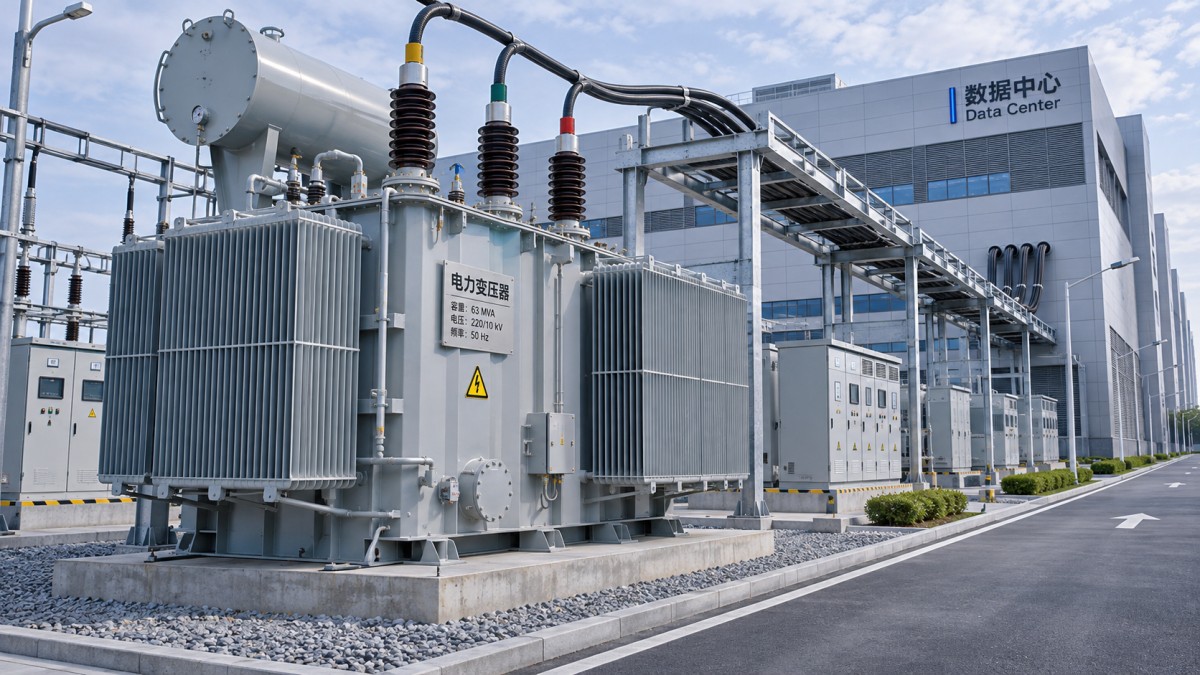
Transformer Exports and AI Power Demand
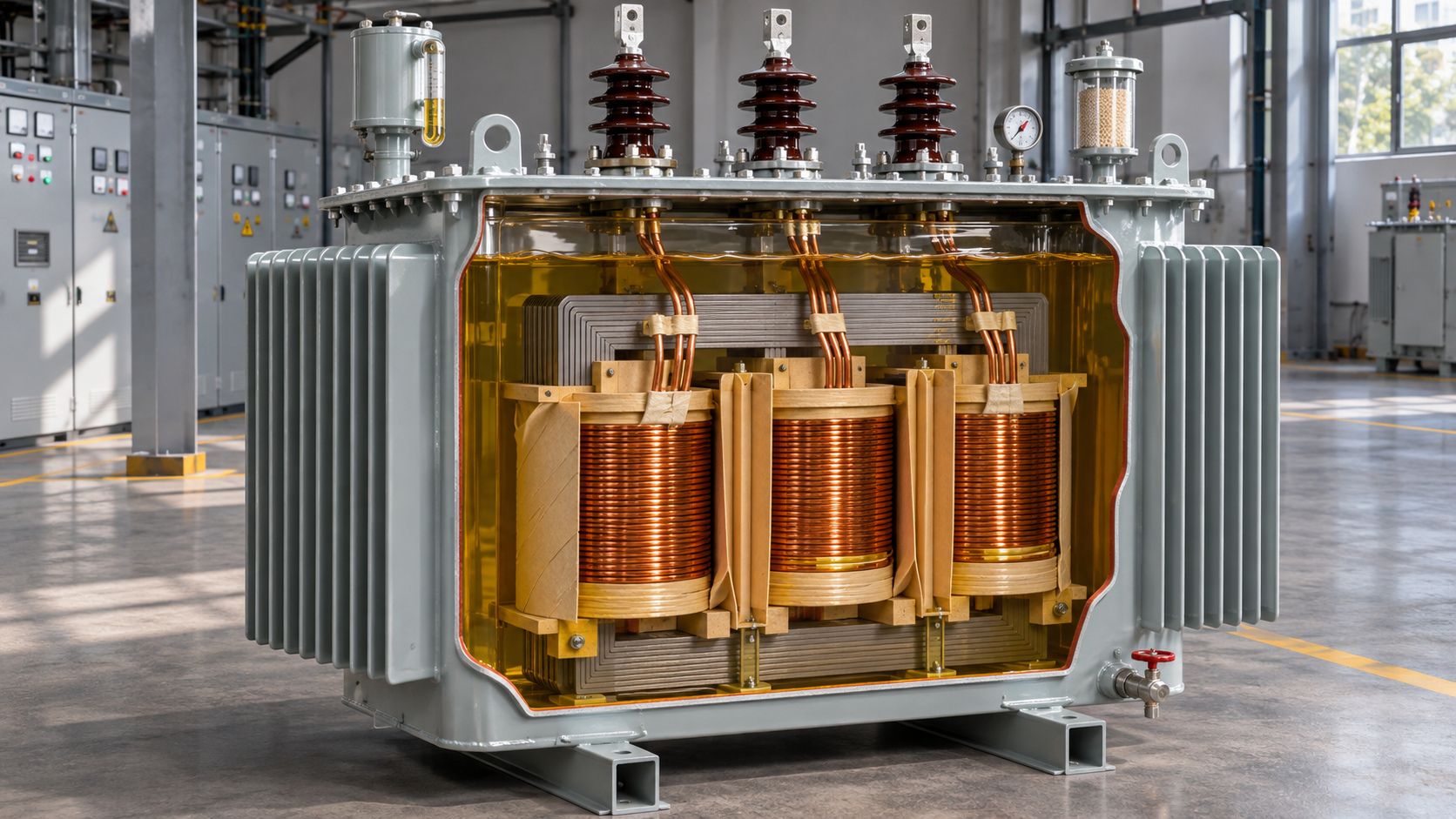
Securities Times reported that the power equipment sector has recently been active and that grid investment continues to increase. Citing customs data, the China Electrical Equipment Industry Association reported that transformer exports reached 6.63 billion yuan in September, up 46.2% year on year. The year was not specified.
The International Energy Agency projects that electricity consumption by AI data centers will grow fourfold by 2030 and that AI-related electricity demand could account for 4% of the global total in 2026. The supplied report also describes Chinese companies as having an early-mover advantage in technologies such as solid-state transformers.
Where Demand Could Affect Equipment Supply
Manufacturers and Grid Buyers
Analysis suggests that stronger grid investment could influence purchasing plans for power equipment, while the reported export growth may lead manufacturers to review how they allocate production and delivery capacity. Buyers and suppliers may need to pay closer attention to product specifications, supplier qualifications and delivery schedules in individual procurement documents. The input does not establish any change to mandatory procurement rules.
Exporters and Supply Chain Partners
For transformer exporters and their logistics and service partners, the reported increase in export value is a reason to monitor order requirements and trade execution. Depending on the transaction, businesses may need to check applicable documentation, product certification and delivery terms. No specific change to customs procedures or certification requirements is identified in the supplied information.
Data Center Equipment Suppliers
The AI electricity projections suggest potential demand for supporting power equipment, but they do not establish orders for particular products. Equipment suppliers and integrators may therefore benefit from examining customer specifications and validating whether proposed technologies meet the operating and delivery requirements of each project.
Checks for Procurement and Delivery
Review Technical Documents
Manufacturers and buyers can compare tender documents and technical specifications with the capabilities of the equipment offered, including any proposed solid-state transformer solutions. Where testing or certification is relevant, the applicable requirements should be verified for the specific product and transaction rather than assumed from the market report.
Confirm Export Documentation
Exporters can review contracts, product documentation and any applicable certification or customs requirements with their counterparties. They should also monitor official trade information for changes that could affect documentation or delivery, as no new trade rule was specified in the input.
Assess Capacity and Lead Times
Procurement teams and suppliers may wish to review production capacity, supplier qualifications and delivery schedules against actual orders and project plans. The reported demand indicators alone do not establish a delivery timetable or a shortage.
A Demand Signal, Not a New Rule
From an editorial perspective, this information is best understood as a market and investment signal, not evidence that a new policy or compliance requirement has taken effect. Subsequent official statements, tender documents, certification guidance and trade execution may clarify whether project-specific requirements change. Market feedback and actual orders will also matter when assessing how AI-related electricity demand translates into equipment purchases.
Keeping Expectations Proportionate
Grid investment, transformer exports and projected AI electricity consumption provide reasons for power equipment businesses to monitor procurement and supply decisions closely. At this stage, companies can use the report to guide verification and planning while treating demand projections and possible business effects as observations rather than guaranteed outcomes or enacted rules.
Basis for This Report and Further Verification
This article is based on the supplied news title, the statement that the event date was not specified, and the supplied event summary. The summary attributes the market report to Securities Times, the export figures to the China Electrical Equipment Industry Association citing customs data, and the electricity projections to the International Energy Agency.
No specific official source link was provided in the input, so the underlying figures and projections require continued verification. Relevant materials to monitor include official announcements, customs and trade information, industry association releases, standards documents and authoritative media reports, as well as any subsequent policy details, certification guidance, tender changes, trade execution and industry feedback.
Expert Insights

Chief Security Architect
Dr. Thorne specializes in the intersection of structural engineering and digital resilience. He has advised three G7 governments on industrial infrastructure security.
Related Analysis
- Nov 22, 2026McKinsey: India Needs Up to $400 Billion to Meet Steel Capacity Growth GoalAuthor :
- Nov 22, 2026Choosing Geotextile Fabric for Landfill Drainage and Liner ProtectionAuthor :Environmental Engineering Director
- Nov 21, 2026Japan's Steel Exports Could Fall to Lowest Level Since 1999 in 2026Author :
Core Sector // 01
Security & Safety
- Ecuador Awards Contract for 500 kV Peru–Ecuador Power InterconnectionAuthor :Grid Infrastructure Analyst

- Four Countries Sign Agreement on Cross-Border Clean Power CorridorAuthor :Grid Infrastructure Analyst

- Distribution Transformer Oil: Insulation, Cooling and Key PropertiesAuthor :Grid Infrastructure Analyst

- National Grid's 90-Kilometre Transmission Project Enters Pre-Application StageAuthor :Grid Infrastructure Analyst

- Global Data Center Switchgear Market Forecast to Reach $25.89 Billion by 2036Author :Grid Infrastructure Analyst

- Grid Investment and AI Demand Sustain Momentum for Power EquipmentAuthor :Grid Infrastructure Analyst

- Choosing Floor Standing Metal Enclosures: Size, IP Rating and CoolingAuthor :Grid Infrastructure Analyst

- Choosing an Industrial Electrical Infrastructure Supplier: Compliance and Lead TimesAuthor :Grid Infrastructure Analyst