Four Countries Sign Agreement on Cross-Border Clean Power Corridor
Author
Date Published
Reading Time
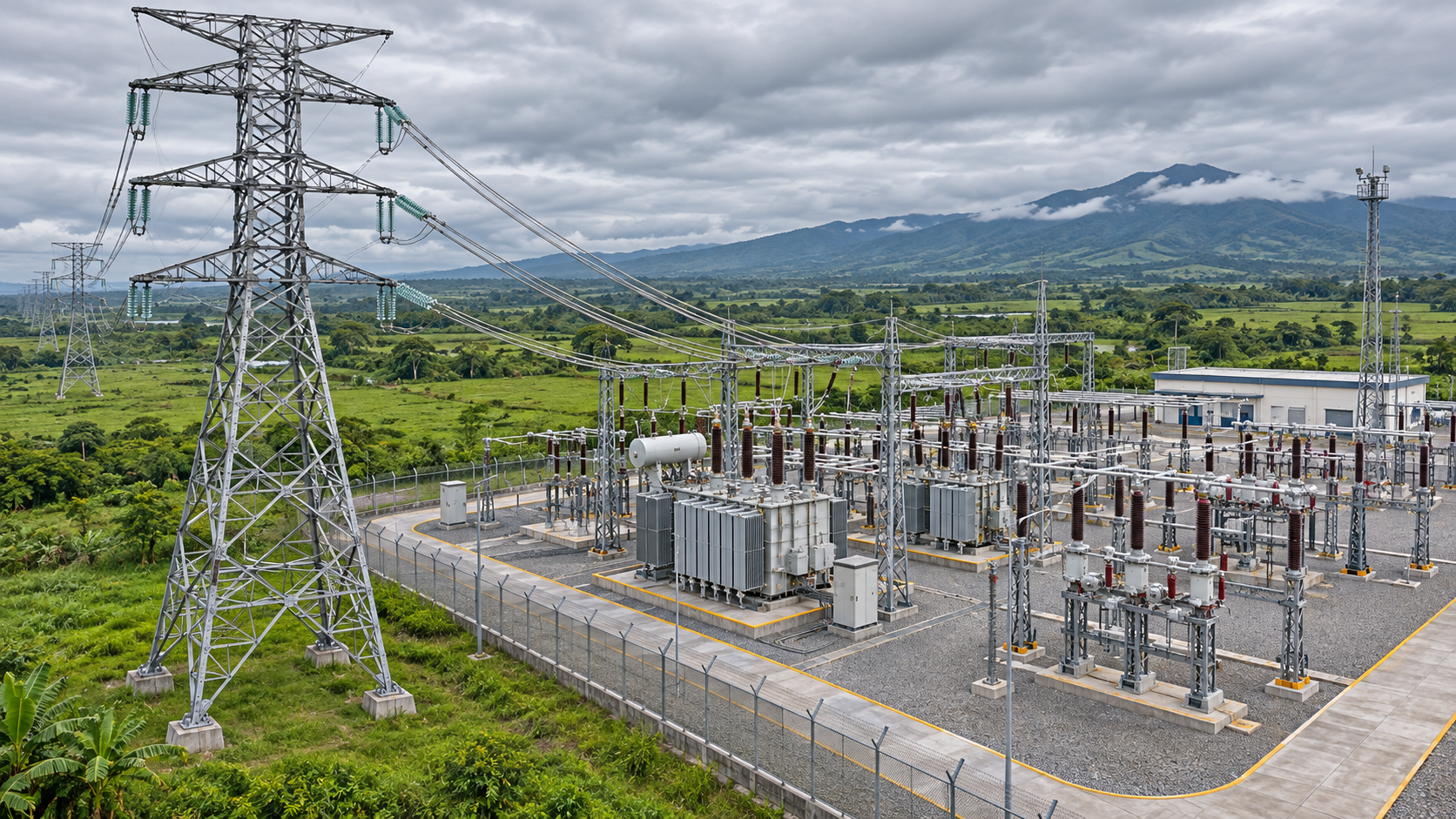
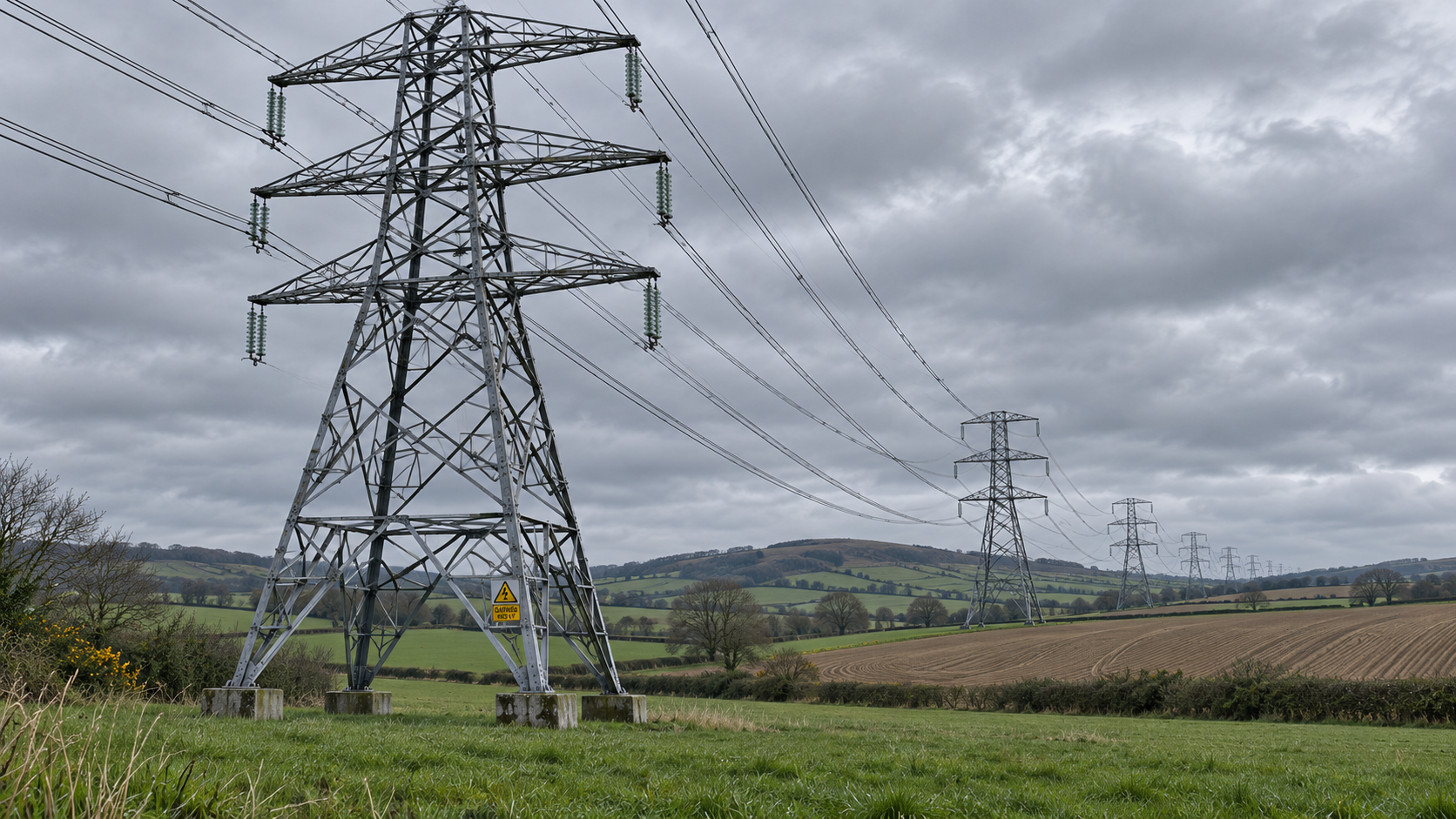
Azerbaijan, Georgia, Türkiye and Bulgaria have signed a cooperation agreement to develop a cross-border clean power corridor, with the event date not specified in the information provided. The initiative is intended to support regional renewable energy integration and electricity interconnection. For manufacturers, suppliers and project participants, its significance lies in the potential demand for transmission equipment and the prospect of closer alignment between technical standards across markets.
Four-country agreement sets out a clean electricity objective
The agreement brings together Azerbaijan, Georgia, Türkiye and Bulgaria to develop a cross-border clean power corridor. Its stated aims are to promote the integration of renewable energy in the region and strengthen electricity interconnection.
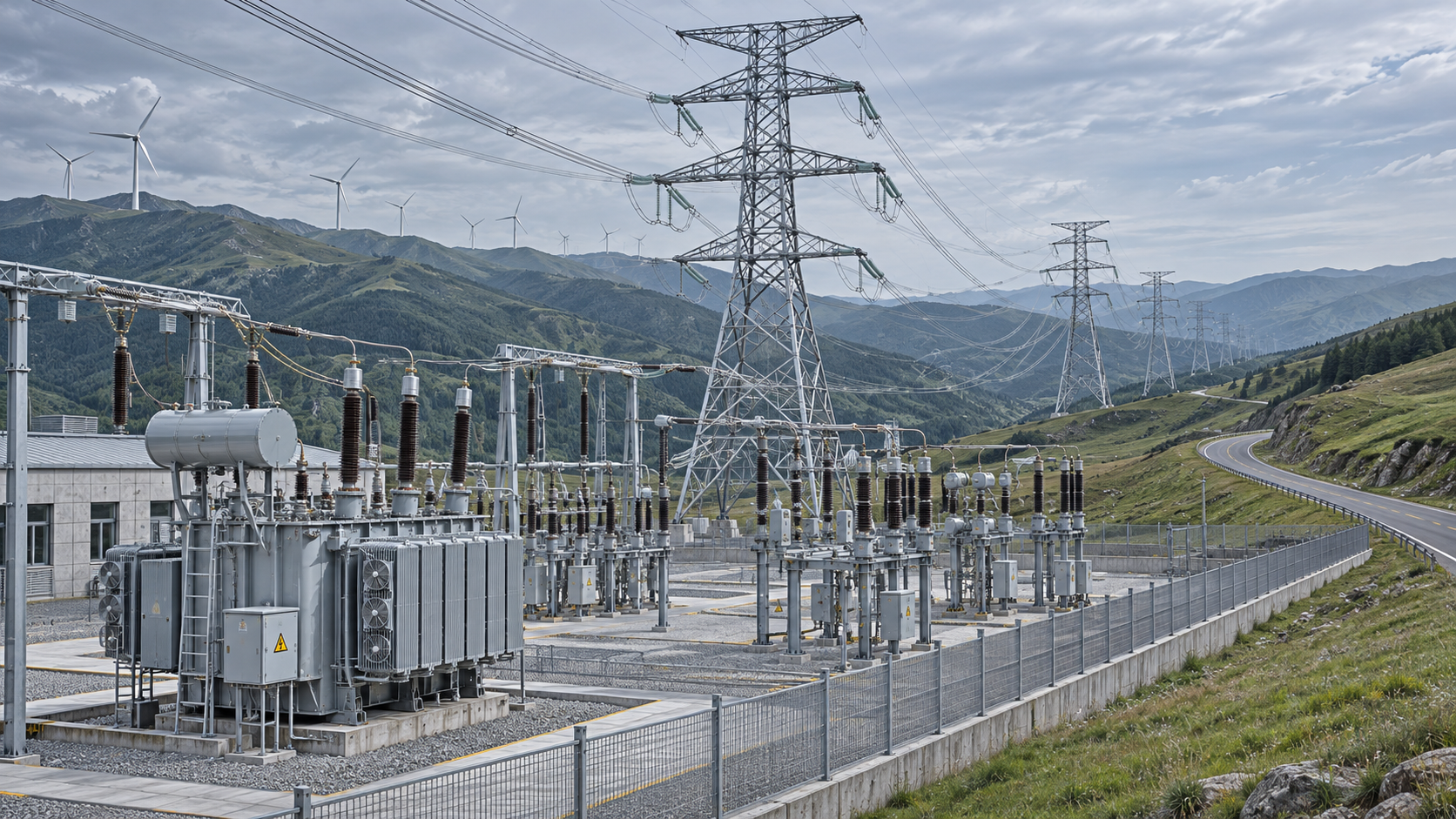
The supplied event summary identifies high-voltage transmission equipment, switchgear and transformers as categories expected to see increased cross-border demand. It also identifies coordination and alignment of relevant international technical standards as an anticipated outcome. The information provided does not specify the date of the agreement or its implementation details.
Where the corridor could reshape equipment demand
Transmission equipment enters a cross-border planning context
From an industry perspective, the agreement could give suppliers of high-voltage transmission equipment a reason to examine opportunities across the four participating markets together. If the corridor progresses into defined projects, purchasing decisions may need to account for how equipment works across interconnected sections, as well as the specifications of individual buyers.
That distinction matters commercially. A product suitable for one procurement package may need additional technical evidence or design adjustments for another. Manufacturers could therefore face questions about equipment ratings, interfaces, operating conditions and documentation before they can assess whether an opportunity is commercially viable. These are areas for verification; the agreement summary does not establish any particular equipment specification.
Switchgear and transformer suppliers may face detailed comparisons
Analysis suggests that switchgear and transformer manufacturers could be affected through both potential order volumes and the way buyers compare technical submissions. Cross-border interconnection may place particular attention on compatibility between equipment, system protection arrangements and the evidence used to demonstrate performance.
For suppliers, the practical issue is not simply whether a product exists in a catalogue. Buyers may need to determine whether a proposed configuration fits the relevant project design and whether test documentation addresses the requirements stated in a tender. At this stage, no common procurement specification or mandatory certification route has been identified in the supplied information.
Integrators, contractors and service providers could influence delivery
Equipment integrators and engineering contractors may have to translate different project requirements into coordinated purchasing and installation plans if projects are developed under the corridor. Their exposure could extend from reviewing technical bids to managing interfaces between transmission equipment, switchgear and transformers.
Testing providers and after-sales businesses may also see opportunities if project owners seek independent evidence of equipment performance or support over the service life of installed assets. The scope of such work would depend on future contracts and applicable requirements. The agreement alone does not confirm which services will be procured or who will provide them.
Cross-border suppliers need visibility on trade execution
For exporters and supply-chain service providers, the possible commercial effect extends beyond manufacturing. Different delivery destinations and contractual arrangements could require careful review of shipping documents, delivery responsibilities, acceptance procedures and the allocation of costs.
These are areas where project-specific instructions could affect pricing and schedules. The supplied summary does not announce a change to customs rules, trade preferences or import procedures. Businesses should therefore treat any assumed trade advantage or new administrative obligation as unconfirmed until supported by relevant documentation.
What suppliers can prepare before specifications emerge
Map requirements to the actual procurement package
A useful first step would be to identify which equipment and services a company could offer for a future corridor project, then compare existing technical files with the requirements once they are published. Relevant materials may include product specifications, drawings, test reports, quality records and operating instructions.
Where a tender refers to standards or certification, suppliers can check the exact edition, scope and evidence requested, as well as whether equivalent documentation is accepted. The prospect of standards alignment does not itself establish a single common standard or make existing certificates automatically valid across all four markets. Any such conclusion would require confirmation from the applicable project documents and competent sources.
Review interfaces as carefully as individual products
For manufacturers and integrators, early technical preparation could focus on how proposed equipment connects with other parts of an electricity system. Depending on future specifications, this may involve reviewing electrical ratings, control interfaces, protection arrangements and the documentation needed to demonstrate compatibility.
Suppliers considering an alternative component or design could also assess whether supporting test evidence is available and whether a buyer would need to approve the substitution. The relevant criteria remain unknown, so any assessment made now should be treated as preliminary and updated when project-specific requirements are available.
Keep commercial and delivery assumptions visible
Procurement teams may find it useful to separate confirmed capabilities from assumptions about future orders. A preliminary review could cover manufacturing capacity, potential lead times, supplier qualifications and the availability of technical documents for the equipment most relevant to the corridor.
For cross-border quotations, businesses can also consider how transport, installation support, acceptance testing and after-sales responsibilities would be addressed in a contract. There is no confirmed delivery schedule in the supplied information. Decisions to reserve capacity or commit to inventory would therefore depend on each company's assessment of risk and on firmer procurement signals.
Track changes in requirements through the bid process
If procurement proceeds, requirements could develop between an initial project announcement and final contract documents. Suppliers may benefit from recording the version of each specification used in their technical and commercial offers and checking later revisions for changes affecting cost, compliance evidence or delivery.
Questions about test reports, product equivalence and acceptance criteria can be raised with the relevant buyer when a procurement process provides a channel for clarification. Until such documents exist and can be reviewed, these steps are practical preparation rather than established obligations under the agreement.
An agreement to watch, with execution still to be defined
The signed cooperation agreement is a confirmed development in the supplied summary. The broader implications for technical standards, purchasing and trade are better understood as an execution signal and an area for continued observation. The information available does not establish that new technical rules have taken effect or that procurement has begun.
Subsequent details could materially change the assessment for suppliers. These include how the corridor is divided into projects, what equipment is specified, which standards are referenced, how conformity is demonstrated and how responsibilities are allocated across contracts. The timing and form of any such details are not provided.
Market feedback will also matter if procurement advances. For example, suppliers' ability to meet stated specifications and buyers' treatment of alternative technical evidence could affect competition and delivery planning. Those outcomes cannot be inferred from the signing alone.
Planning for opportunity without assuming an order
The corridor agreement connects a renewable energy and interconnection objective with potential demand for high-voltage transmission equipment, switchgear and transformers. It also points to the anticipated alignment of relevant international technical standards, an issue that could affect technical bids and compliance documentation.
For now, companies can use the announcement to identify relevant product lines, review existing evidence and monitor project communications. Commercial forecasts, certification decisions and delivery commitments should be revisited as verifiable requirements become available. The appropriate response is informed preparation based on a signed cooperation agreement, while the terms of implementation remain to be established.
Basis for this report and what remains to verify
This article is based on the user-provided news title, event timing and event summary. The timing was not specified. No specific official source link was provided in the input, so the agreement and subsequent developments require continued verification against available primary materials.
Relevant sources to monitor may include official announcements, regulatory publications, trade authority information, standards organization documents, industry association communications and authoritative media reports. Particular attention should be paid to implementation details, certification interpretations, tender documents, trade execution and feedback from participating businesses as information becomes available.
Expert Insights

Chief Security Architect
Dr. Thorne specializes in the intersection of structural engineering and digital resilience. He has advised three G7 governments on industrial infrastructure security.
Related Analysis
- Nov 22, 2026McKinsey: India Needs Up to $400 Billion to Meet Steel Capacity Growth GoalAuthor :
- Nov 22, 2026Choosing Geotextile Fabric for Landfill Drainage and Liner ProtectionAuthor :Environmental Engineering Director
- Nov 21, 2026Japan's Steel Exports Could Fall to Lowest Level Since 1999 in 2026Author :
Core Sector // 01
Security & Safety
- Ecuador Awards Contract for 500 kV Peru–Ecuador Power InterconnectionAuthor :Grid Infrastructure Analyst

- Four Countries Sign Agreement on Cross-Border Clean Power CorridorAuthor :Grid Infrastructure Analyst

- Distribution Transformer Oil: Insulation, Cooling and Key PropertiesAuthor :Grid Infrastructure Analyst

- National Grid's 90-Kilometre Transmission Project Enters Pre-Application StageAuthor :Grid Infrastructure Analyst

- Global Data Center Switchgear Market Forecast to Reach $25.89 Billion by 2036Author :Grid Infrastructure Analyst

- Grid Investment and AI Demand Sustain Momentum for Power EquipmentAuthor :Grid Infrastructure Analyst

- Choosing Floor Standing Metal Enclosures: Size, IP Rating and CoolingAuthor :Grid Infrastructure Analyst

- Choosing an Industrial Electrical Infrastructure Supplier: Compliance and Lead TimesAuthor :Grid Infrastructure Analyst