Ecuador Awards Contract for 500 kV Peru–Ecuador Power Interconnection
Author
Date Published
Reading Time
On November 17, 2026, Transelectric, a unit of Ecuador’s state electricity company Celec EP, awarded a contract worth approximately US$277.7 million for a 500 kV cross-border power interconnection project. The award is an execution signal for a defined transmission and substation package, rather than evidence of a newly issued regulation or standard. For contractors, equipment suppliers and testing providers, the development puts attention on the procurement documents, technical specifications and delivery arrangements that may govern participation in the project.
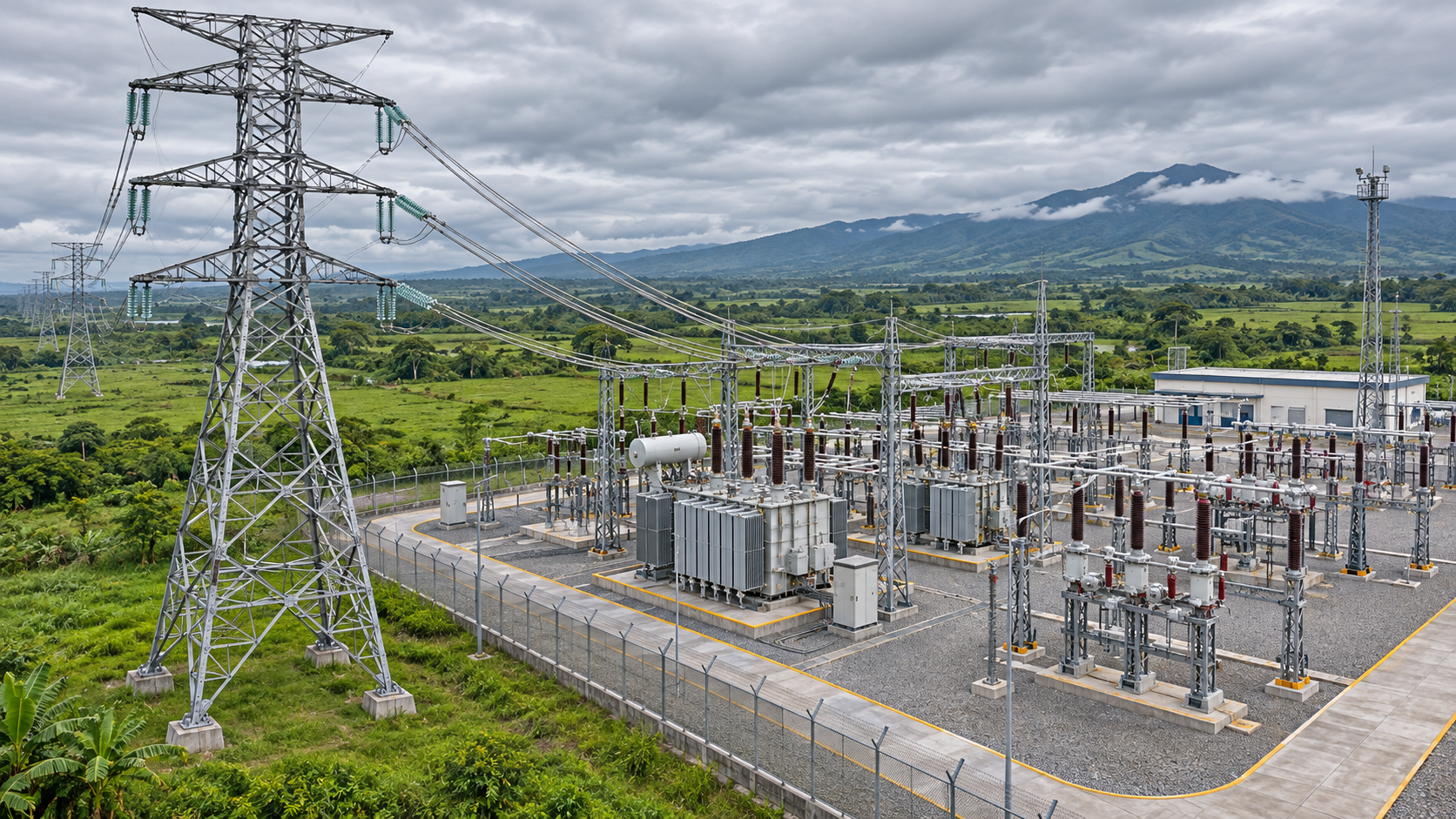
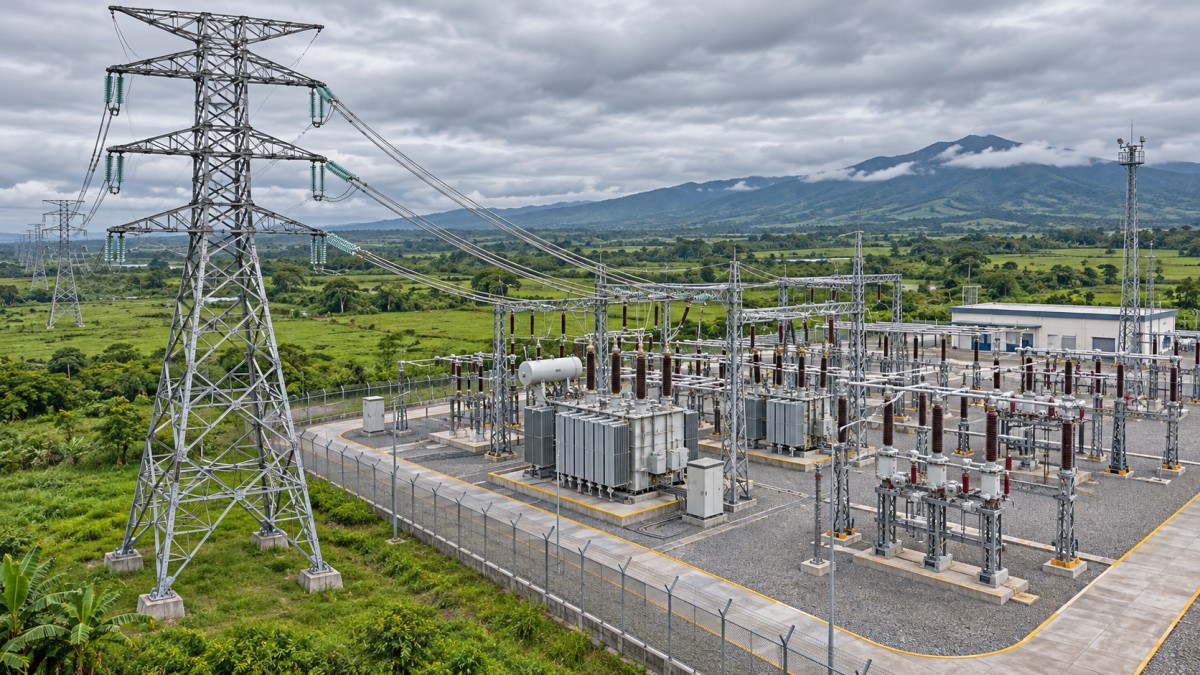
A transmission line and substation in the awarded package
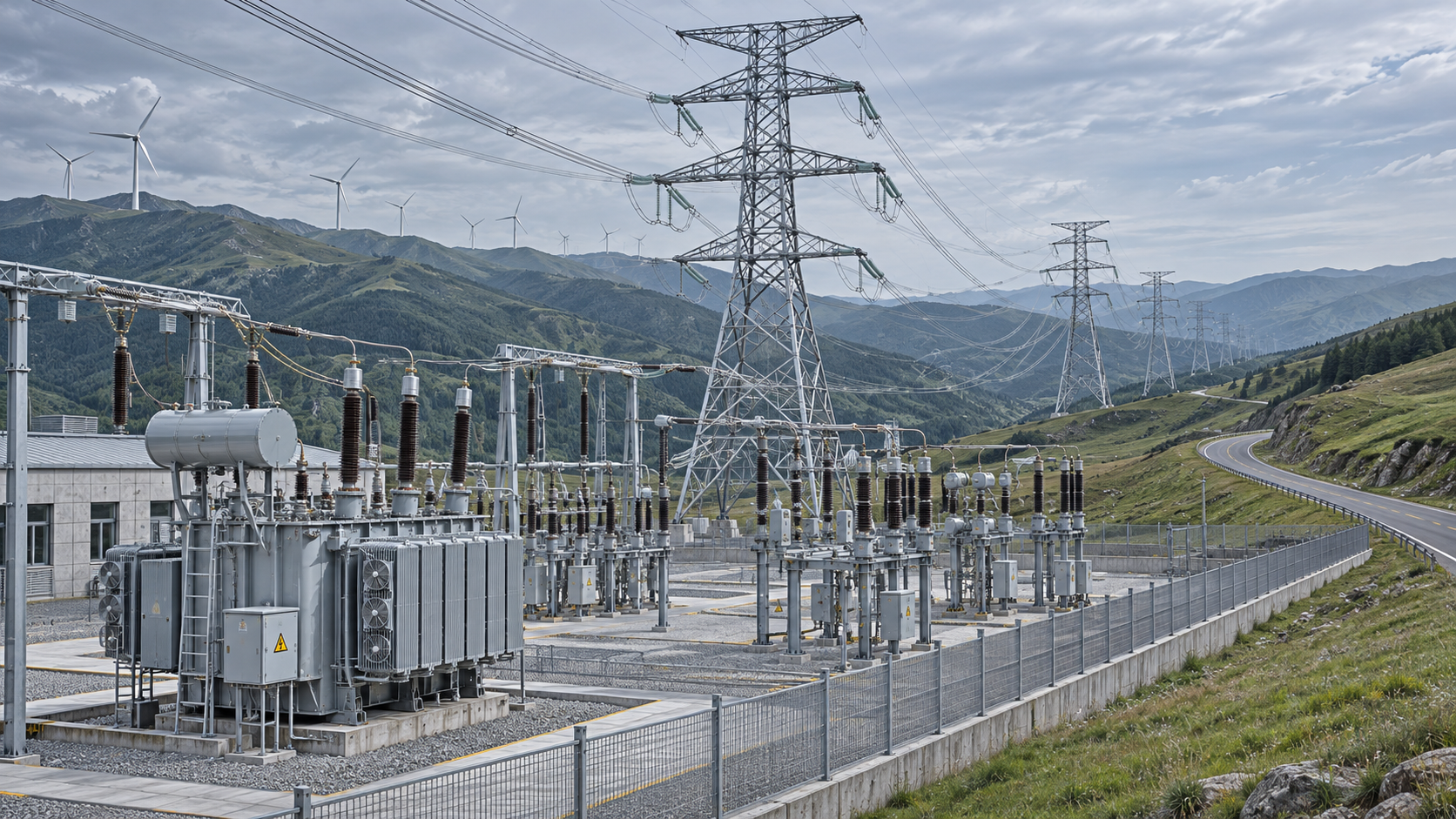
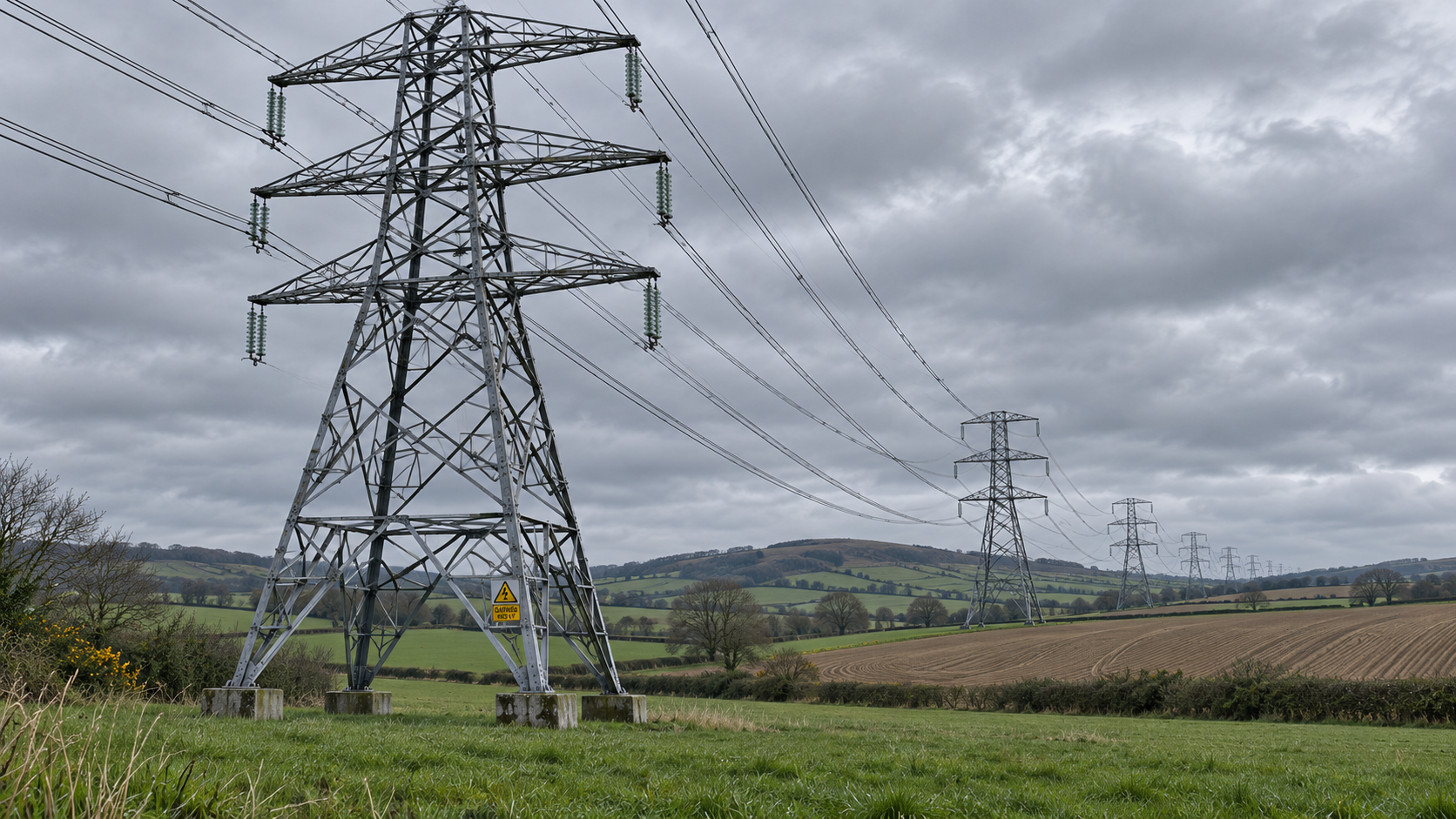
The project includes a 206.97-kilometer, 500 kV transmission line from the Chorrillos substation in Guayas province to Pasaje in El Oro province. It also includes construction of a new 600 MVA substation in Pasaje and related expansion work.
The contract covers civil works, the supply of equipment and materials, electromechanical installation, and testing and commissioning. Transelectric awarded the approximately US$277.7 million contract on November 17, 2026. The project forms part of a Peru–Ecuador cross-border transmission interconnection.
Where the award may affect the supply chain
Contractors face a package with several connected work streams
From an industry perspective, the stated scope brings civil construction, equipment supply, installation and commissioning into the same project package. Contractors considering work associated with it may need to examine how those activities are allocated and coordinated. A design or delivery decision in one work stream could affect another, particularly where the line connects with substation equipment or where installed systems must be tested together.
The information provided does not identify the contract recipient, its subcontracting plans or the applicable conditions of award. Analysis therefore points to a practical distinction: the award confirms that a contract has been granted, but it does not establish which additional opportunities will be available to other contractors. Firms interested in participation should look for the relevant contract or procurement documents before assessing scope, eligibility or timing.
Equipment suppliers may need closer specification alignment
The 500 kV line and 600 MVA substation create distinct equipment and material interfaces. Suppliers could be affected through requests for technical data, compatibility evidence, manufacturing schedules and documentation supporting installation or testing. The exact products, quantities and acceptance criteria are not supplied, so these should be treated as potential areas of inquiry rather than confirmed purchasing requirements.
For manufacturers and distributors, the commercial relevance may depend on how the awarded contractor sources the package and whether any further purchasing is required. A supplier with a potentially suitable product would still need to compare its proposed equipment with the actual project specification, including any requirements for electrical performance, interfaces, inspection and supporting documents. The award alone does not establish that an existing product approval or certification will be accepted.
Testing and integration work may depend on complete records
Because testing and commissioning are included in the stated scope, service providers and equipment integrators may have an interest in how responsibilities are defined across the line and substation. Analysis suggests that the availability and consistency of equipment records, installation information and test procedures could affect how efficiently interfaces are resolved. The specific tests, sequence, acceptance authority and commissioning schedule remain unconfirmed.
Companies preparing to offer services may therefore benefit from identifying the records they can provide and the interfaces they can support. They should avoid assuming that a particular test method, certificate or inspection arrangement applies until it appears in the relevant project documents. Where several parties contribute equipment or services, the allocation of responsibility for correcting discrepancies may also be commercially significant.
Trade and logistics exposure remains to be established
The project’s cross-border purpose may attract interest from businesses involved in equipment supply and delivery. However, the information provided does not identify the origin of equipment, import arrangements, customs treatment or the location of any supplier. The project description alone does not establish a change in trade rules or a requirement to move goods across a border.
If a proposed supply chain involves international shipments, participants may need to check the applicable commercial terms, documentation and delivery responsibilities for their own transactions. Those checks would be transaction-specific. They should not be read as evidence that a new customs procedure or certification regime has been introduced for this project.
Documents and interfaces worth checking before commitments
Establish the procurement route and scope
The first practical question is whether a business opportunity exists within the awarded package and, if so, through which procurement route. Interested firms can seek the applicable award information and any subsequent purchasing or subcontracting documents. These may clarify the identity of the contracting parties, the work available, submission procedures and the division between line, substation and installation activities.
Businesses should also distinguish between the overall contract value and the value of any potential supply or subcontract. The stated US$277.7 million figure relates to the awarded project contract; it does not indicate the budget available for a particular product category or service. Any assessment of commercial opportunity should wait for a defined scope and relevant terms.
Check technical and acceptance requirements at the interface
For equipment and engineering teams, a useful starting point is to identify which specification applies to each proposed item and how that item connects with the rest of the project. The stated voltage and substation capacity describe the project at a high level, but they do not provide a complete technical specification. They cannot, by themselves, establish equipment ratings, design criteria or acceptance procedures.
Analysis suggests that suppliers should be prepared to review drawings, interface requirements, installation instructions and applicable test provisions when these become available. They can also verify whether product documentation and test evidence meet the purchaser’s stated needs. Any reference to a standard, certification or approval should be checked against the actual contractual documents; none is identified in the information provided.
Assess delivery dependencies and supporting records
The inclusion of civil works, supply, installation and commissioning means that delivery planning may extend beyond the shipment of an individual item. A supplier or contractor could need to understand when equipment is required, what documentation must accompany it and how delivery aligns with installation and testing. Those dependencies are an analytical consideration, not a confirmed project schedule.
Before making commitments, participants can seek clarity on milestones, responsibilities for inspection and handling, and the process for addressing nonconformities. Where alternatives are proposed, they may also need to verify whether substitutions require technical review or purchaser acceptance. The supplied information does not say whether alternatives are permitted or how any approval process would work.
Follow the documents that govern actual participation
The award notice described in the input is a starting point for assessment, not a substitute for the documents governing a specific transaction. Firms can monitor further official statements and, where relevant, obtain procurement, contract and technical materials through the appropriate channels. Particular attention may be warranted if later documents clarify supplier qualification, documentation, inspection, testing or delivery terms.
For cross-border transactions that arise, a company can separately verify the trade and compliance requirements applicable to its goods and route. No specific change to those requirements is confirmed here. Similarly, firms involved in testing or certification should wait for the project’s stated criteria before treating any particular credential as mandatory.
What the award signals—and what remains open
At this stage, it is more appropriate to understand the development as a project execution signal than as the implementation of a new industry-wide rule. Transelectric has awarded a contract for a defined scope, according to the information supplied. That gives market participants a concrete project to evaluate, but the input does not describe a new law, regulation, technical standard, certification requirement or trade agreement.
What deserves closer attention is the distinction between project-specific obligations and broader regulatory change. The awarded contract and any associated procurement documents may establish requirements for participating parties. Their existence would not, on its own, demonstrate that the same requirements apply across the industry. Conversely, the absence of such details in the input does not determine which existing requirements may apply; those need to be checked against reliable documents and the relevant transaction.
Further information that could materially change an assessment includes the contract recipient, the procurement and subcontracting arrangements, detailed technical specifications, the delivery timetable and the criteria for testing and acceptance. Any later information about trade execution or industry feedback could also help businesses assess practical effects. None of those details is confirmed by the supplied summary, and their availability or timing should not be assumed.
A defined project, with implementation details still to verify
The award identifies a substantial transmission and substation package and gives contractors, suppliers and service providers a reason to examine possible project-specific requirements. Its practical significance will depend on the documents and arrangements that govern procurement, technical interfaces and delivery. For now, the measured response is to treat the award as a confirmed project development in the supplied information, while assessing commercial opportunities and compliance obligations only after the relevant details have been verified.
Basis for this report and continuing verification
This article is based on the user-provided news title, event date and event summary. No specific official source link was provided in the input, so the award and any subsequent implementation details still require continuing verification. Relevant source types may include official project or procurement announcements, regulatory publications, standards organization documents and authoritative industry reporting. Follow-up should focus on any available procurement documents, technical and certification requirements, trade execution where relevant, and feedback from participating businesses.
Expert Insights

Chief Security Architect
Dr. Thorne specializes in the intersection of structural engineering and digital resilience. He has advised three G7 governments on industrial infrastructure security.
Related Analysis
- Nov 22, 2026McKinsey: India Needs Up to $400 Billion to Meet Steel Capacity Growth GoalAuthor :
- Nov 22, 2026Choosing Geotextile Fabric for Landfill Drainage and Liner ProtectionAuthor :Environmental Engineering Director
- Nov 21, 2026Japan's Steel Exports Could Fall to Lowest Level Since 1999 in 2026Author :
Core Sector // 01
Security & Safety
- Ecuador Awards Contract for 500 kV Peru–Ecuador Power InterconnectionAuthor :Grid Infrastructure Analyst

- Four Countries Sign Agreement on Cross-Border Clean Power CorridorAuthor :Grid Infrastructure Analyst

- Distribution Transformer Oil: Insulation, Cooling and Key PropertiesAuthor :Grid Infrastructure Analyst

- National Grid's 90-Kilometre Transmission Project Enters Pre-Application StageAuthor :Grid Infrastructure Analyst

- Global Data Center Switchgear Market Forecast to Reach $25.89 Billion by 2036Author :Grid Infrastructure Analyst

- Grid Investment and AI Demand Sustain Momentum for Power EquipmentAuthor :Grid Infrastructure Analyst

- Choosing Floor Standing Metal Enclosures: Size, IP Rating and CoolingAuthor :Grid Infrastructure Analyst

- Choosing an Industrial Electrical Infrastructure Supplier: Compliance and Lead TimesAuthor :Grid Infrastructure Analyst