Distribution Transformer Oil: Insulation, Cooling and Key Properties
Author
Date Published
Reading Time
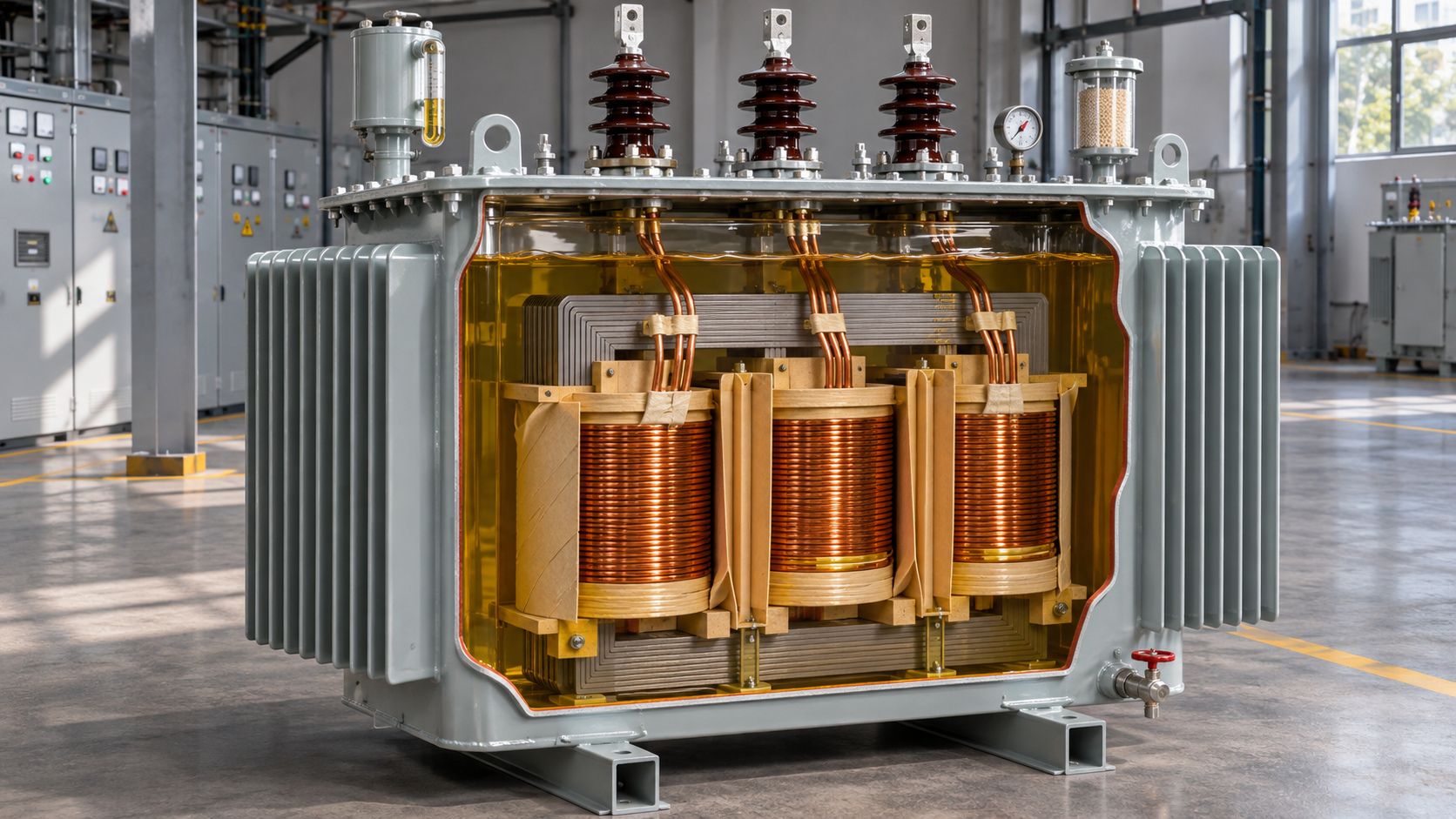
Power distribution transformer oil must do two jobs at once: provide electrical insulation and carry heat away from the windings and core. A fluid that performs well in a dielectric breakdown test may still be unsuitable if it contains excessive moisture, circulates poorly at the expected temperature, or is incompatible with the transformer’s materials and design.
A useful technical assessment starts with the transformer manufacturer’s fluid requirements and the operating environment, then considers the condition of both the liquid and the solid insulation. The right acceptance criteria also depend on whether the sample represents new fluid, fluid after filling, or oil that has been in service.
How transformer oil supports insulation and cooling
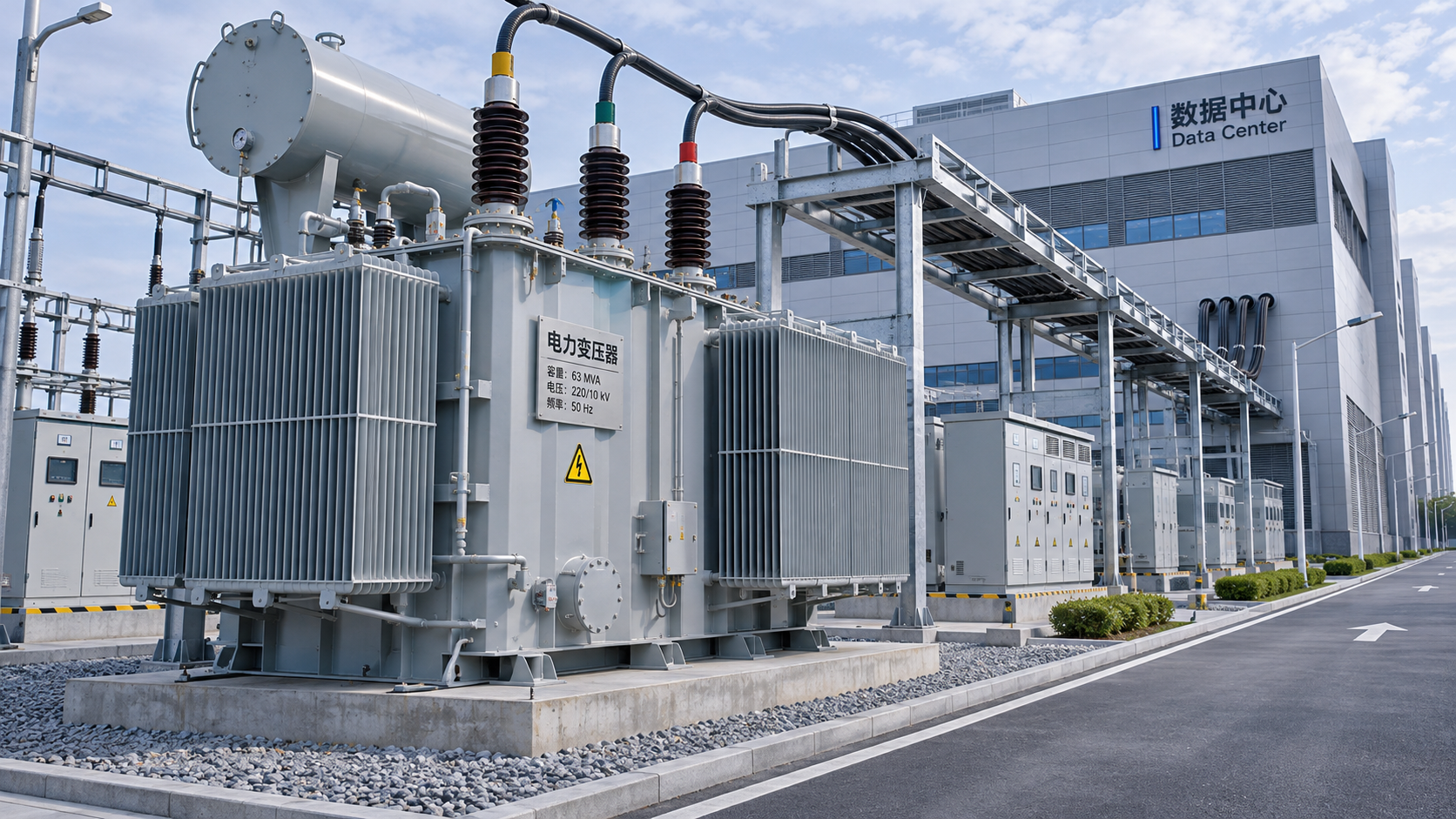
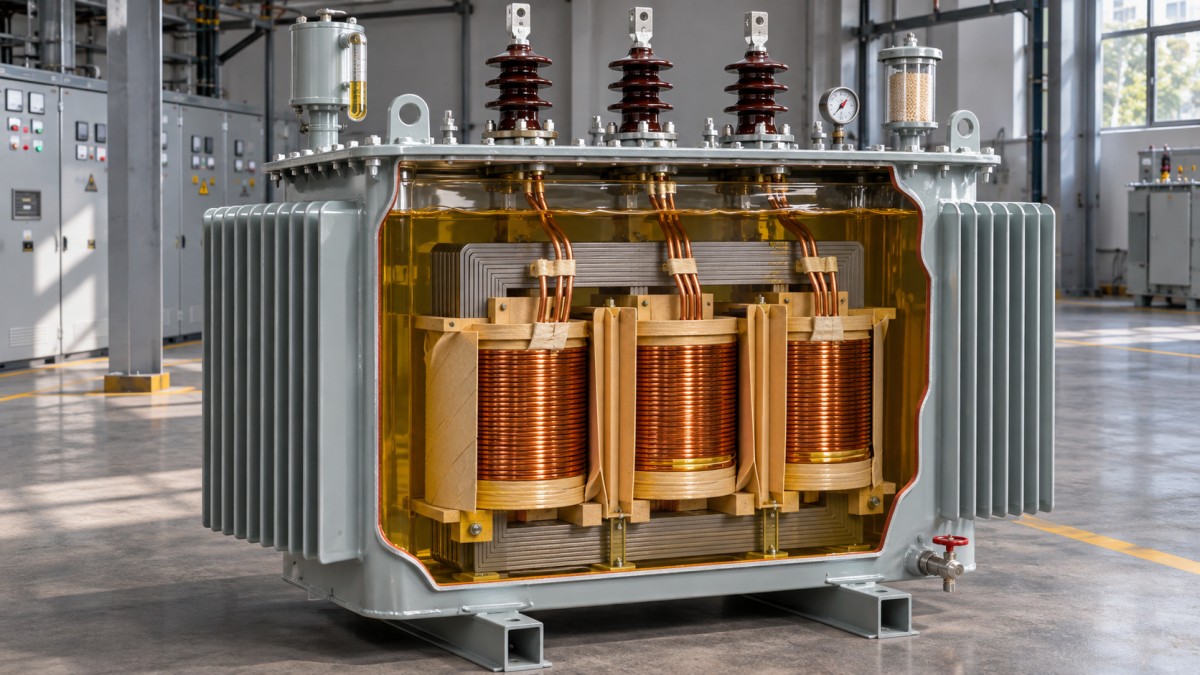
In a liquid-filled distribution transformer, insulating fluid occupies spaces around energized parts and within the insulation structure. It helps suppress electrical discharge and supports the dielectric performance of the oil-and-paper insulation system. It also reduces the exposure of internal components to air, although the extent of that protection depends on the transformer’s sealing and preservation system.
Heat generated in the windings and core passes into the surrounding fluid. As the oil warms, it circulates through the tank and cooling surfaces, where heat is transferred to the surrounding air. In many distribution transformers this circulation is driven naturally by temperature differences; other designs use assisted cooling. The fluid’s viscosity and the transformer’s cooling geometry both affect how readily heat moves away from hot components.
These functions are connected. High operating temperatures accelerate deterioration of the oil and paper insulation, while contamination or aging can reduce electrical performance. Evaluating the liquid separately from loading, cooling conditions and the condition of the transformer can therefore give an incomplete picture.
Properties that matter in a transformer oil assessment
There is no single test that establishes whether a fluid is suitable for every duty. A specification should combine the manufacturer’s requirements with tests that address electrical performance, thermal behavior, chemical stability and compatibility.
Dielectric breakdown strength
Dielectric breakdown voltage indicates how well a liquid sample withstands an electrical field under a defined test procedure. Low results can point to moisture, particles or other contamination. The result is useful for detecting a problem, but it is sensitive to sampling and test conditions and does not directly measure the condition of paper insulation.
A strong result should not be treated as proof that the oil is dry, chemically stable or free of all contaminants. If the result is unexpected, assess the sample alongside moisture and other relevant tests, and consider whether the sampling procedure introduced contamination.
Moisture content
Water can weaken the insulating system and affect the aging of cellulose insulation. Moisture moves between the liquid and the paper as temperature and equilibrium conditions change, so an oil sample provides only part of the picture. Sampling temperature and recent operating conditions matter when results are compared over time.
The same reported water concentration can have different implications in different fluids and at different temperatures. For in-service assessment, interpret the result using the relevant fluid type, test method and guidance for the equipment. Moisture control during storage, filling and maintenance is often as important as the initial quality of the delivered fluid.
Oxidation stability, acidity and deposits
Oxygen and heat can contribute to fluid oxidation. As oil ages, acids and other oxidation products may form; under unfavorable conditions, deposits can impair heat transfer and circulation. Acidity and related condition tests help track this process, while oxidation stability testing provides information about a new fluid’s resistance to deterioration under specified conditions.
Inhibited mineral oils contain additives intended to slow oxidation. Additive condition may therefore be relevant to a maintenance program, but adding an inhibitor is not a substitute for investigating the cause of accelerated aging or correcting a cooling problem.
Viscosity and low-temperature behavior
Viscosity affects how easily a fluid flows through the transformer. A more viscous liquid can circulate less readily, particularly during a cold start. Assess viscosity across the expected operating temperature range, not just at a convenient reference temperature, and consider the cooling arrangement specified for the unit.
Low-temperature properties also matter for outdoor equipment exposed to cold weather. A fluid’s pour point is one useful screening property, but it does not by itself establish that circulation and starting behavior will be satisfactory in a particular transformer.
Fire behavior and material compatibility
Fire point and flash point describe different aspects of a liquid’s response to heating under defined test conditions. Fire point is relevant when comparing insulating liquids for installations with fire-risk constraints, but it is not a complete fire assessment. Transformer design, protection, containment and applicable installation requirements still matter.
The fluid must also be compatible with seals, gaskets, coatings and other materials it contacts. Compatibility should cover long-term exposure and the temperatures expected in service. For replacement or retrofit projects, the existing fluid and any residue left in the equipment are part of that assessment.
Mineral oil or ester fluid?
Mineral insulating oil is widely used in distribution transformers and is available in formulations intended for transformer service. It is a practical choice where it meets the equipment specification and site requirements. Its behavior, maintenance needs and compatibility with the installed design are familiar to many operators.
Natural and synthetic ester insulating liquids are alternatives for equipment designed or approved to use them. Certain ester fluids have higher fire points than conventional mineral oils, which can be relevant where fire risk influences the installation design. Their moisture behavior and aging characteristics also differ from those of mineral oil, so interpretation rules should be specific to the fluid.
The trade-offs include viscosity, low-temperature performance, material compatibility and availability of suitable handling and test procedures. Natural esters in particular require attention to oxidation exposure and the transformer’s preservation system. A fluid should not be selected on fire point or biodegradability alone: the complete transformer and its operating conditions determine whether the choice is appropriate.
Switching an existing unit from mineral oil to an ester is a retrofit decision, not a routine top-up. Residual mineral oil can affect the properties of the resulting mixture, including fire performance. The retrofit procedure, target fluid condition, material compatibility and any required labeling should be established with the transformer manufacturer and fluid supplier before work begins.
Which standards apply to insulating oil?
Technical specifications commonly refer to IEC or ASTM standards, depending on the market and project. These documents serve different purposes: some set requirements for unused fluids, while others describe test methods or give guidance for supervising fluids in service.
- New-fluid specifications: IEC 60296 covers unused mineral insulating oils, while IEC 62770 and IEC 61099 address unused natural and synthetic ester liquids, respectively.
- In-service guidance: IEC 60422 addresses the supervision and maintenance of mineral insulating oils in electrical equipment. The fluid type and equipment context determine which guidance is relevant.
- Test methods: IEC and ASTM methods define procedures for properties such as breakdown voltage, water content and acidity. The method matters because results obtained under different procedures are not necessarily interchangeable.
A purchasing document should identify the applicable standard and edition, the fluid type, required property limits and test methods. It should also state when acceptance samples are taken. New oil at delivery can become contaminated during transport, storage or filling, so the condition of fluid in the transformer after processing deserves separate attention.
Reading oil test results in context
For an in-service unit, the most informative result is often a trend supported by consistent sampling. Compare results from the same transformer using compatible methods, and record the sampling point, date, oil temperature and relevant maintenance or operating changes. A sudden change may justify a repeat sample or further investigation; a gradual change can reveal deterioration that remains less obvious in a single report.
Commonly monitored properties include dielectric breakdown voltage, moisture and acidity. Depending on the equipment and its maintenance strategy, the assessment may also include interfacial tension, dissolved gas analysis or tests related to insulation aging. Dissolved gas analysis can help identify patterns associated with thermal or electrical faults, but interpretation depends on the transformer, gas concentrations and rate of change. It is not a stand-alone diagnosis.
Oil treatment can remove some contaminants, but it does not automatically restore aged paper insulation or resolve an underlying fault. Filtering or drying oil may improve measured liquid condition while moisture remains in the solid insulation and later redistributes. Likewise, replacing oil may address degraded fluid without correcting overheating, air ingress or another cause of deterioration.
When a result is outside the applicable criteria, the response should follow the equipment’s maintenance and safety procedures. Consider the severity and rate of change, the reliability of the sample, other diagnostic evidence and the consequences of continued operation before deciding on monitoring, treatment, further testing or removal from service.
A practical specification and review sequence
- Start with the equipment: identify the permitted fluid family, cooling design, material constraints and any manufacturer requirements for filling or retrofit.
- Define the duty: consider ambient temperature, expected loading, installation location, fire-risk requirements and access for maintenance.
- Specify the fluid and tests: select the applicable standard and edition, property limits, test methods and documentation for the chosen fluid.
- Control handling: establish clean, dry storage and transfer practices, as well as sampling and acceptance points after delivery and filling.
- Plan for service: set a baseline and a condition-monitoring approach suited to the transformer’s importance and operating conditions.
The most useful comparison between candidate fluids is therefore a comparison of complete operating conditions, not a ranking by one property. A fluid that meets the transformer design, arrives and remains clean and dry, and can be monitored with appropriate methods provides a stronger basis for reliable service than a fluid chosen solely for an attractive test result.
Expert Insights

Chief Security Architect
Dr. Thorne specializes in the intersection of structural engineering and digital resilience. He has advised three G7 governments on industrial infrastructure security.
Related Analysis
- Nov 22, 2026McKinsey: India Needs Up to $400 Billion to Meet Steel Capacity Growth GoalAuthor :
- Nov 22, 2026Choosing Geotextile Fabric for Landfill Drainage and Liner ProtectionAuthor :Environmental Engineering Director
- Nov 21, 2026Japan's Steel Exports Could Fall to Lowest Level Since 1999 in 2026Author :
Core Sector // 01
Security & Safety
- Ecuador Awards Contract for 500 kV Peru–Ecuador Power InterconnectionAuthor :Grid Infrastructure Analyst

- Four Countries Sign Agreement on Cross-Border Clean Power CorridorAuthor :Grid Infrastructure Analyst

- Distribution Transformer Oil: Insulation, Cooling and Key PropertiesAuthor :Grid Infrastructure Analyst

- National Grid's 90-Kilometre Transmission Project Enters Pre-Application StageAuthor :Grid Infrastructure Analyst

- Global Data Center Switchgear Market Forecast to Reach $25.89 Billion by 2036Author :Grid Infrastructure Analyst

- Grid Investment and AI Demand Sustain Momentum for Power EquipmentAuthor :Grid Infrastructure Analyst

- Choosing Floor Standing Metal Enclosures: Size, IP Rating and CoolingAuthor :Grid Infrastructure Analyst

- Choosing an Industrial Electrical Infrastructure Supplier: Compliance and Lead TimesAuthor :Grid Infrastructure Analyst