Electrical & Power Solutions for Industrial Projects: How to Match Systems to Load and Site
Author
Date Published
Reading Time
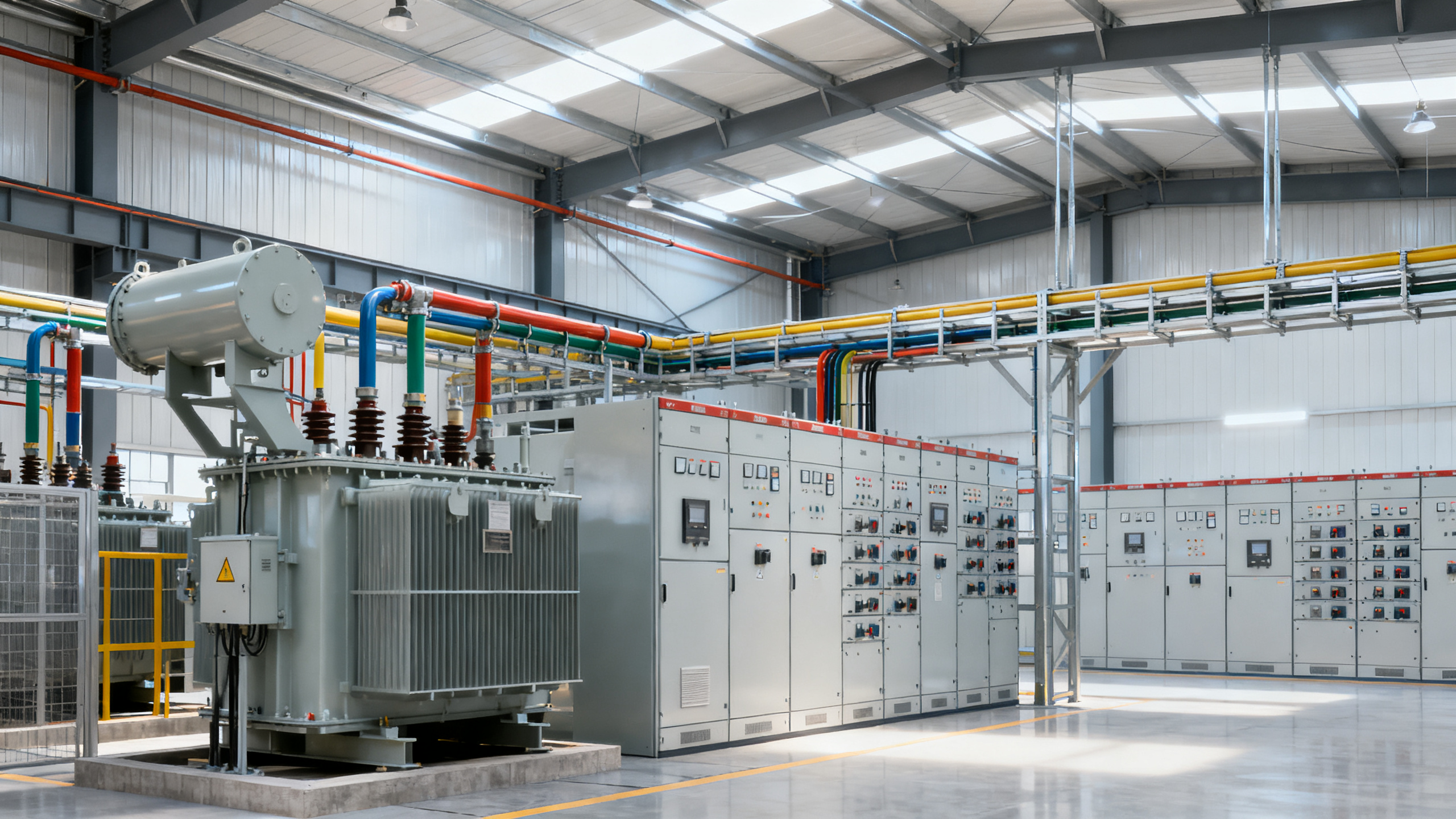
Why load and site context shape Electrical & Power solutions
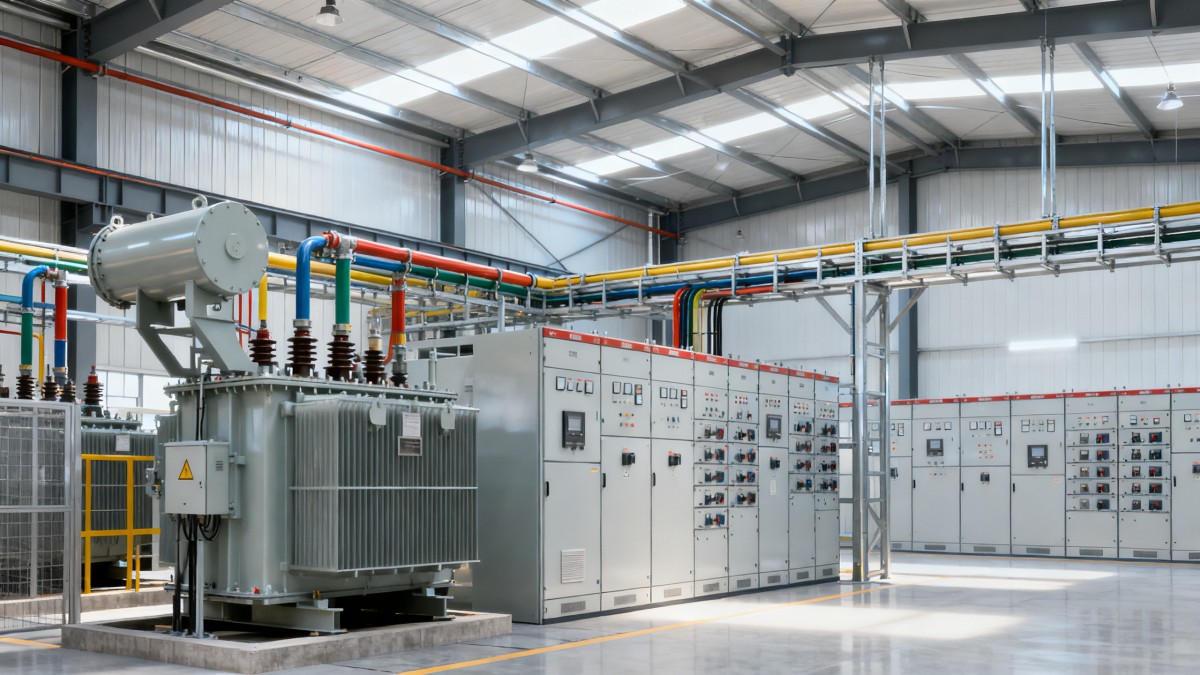
Industrial projects rarely fail because one component looks weak on paper.
They fail when Electrical & Power solutions are matched to nameplate data, but not to real operating conditions.
A water treatment plant, a metal processing line, and a logistics hub may all need stable power.
Yet their load behavior, downtime tolerance, environmental stress, and expansion logic are very different.
That is why early system matching matters more than late equipment replacement.
In practice, the best Electrical & Power solutions begin with four checks.
- How the load starts, fluctuates, and recovers after interruption.
- How temperature, dust, moisture, vibration, or corrosive air affect assets.
- Which compliance framework applies, including CE, UL, ISO, and local grid rules.
- How maintainability and future capacity influence total lifecycle risk.
This approach aligns with the way Global Industrial Core evaluates foundational systems.
The focus stays on resilience, verifiable performance, and technical fit, not only initial cost.
Different operating environments change the right answer
The same transformer rating or switchgear class does not perform equally well across sites.
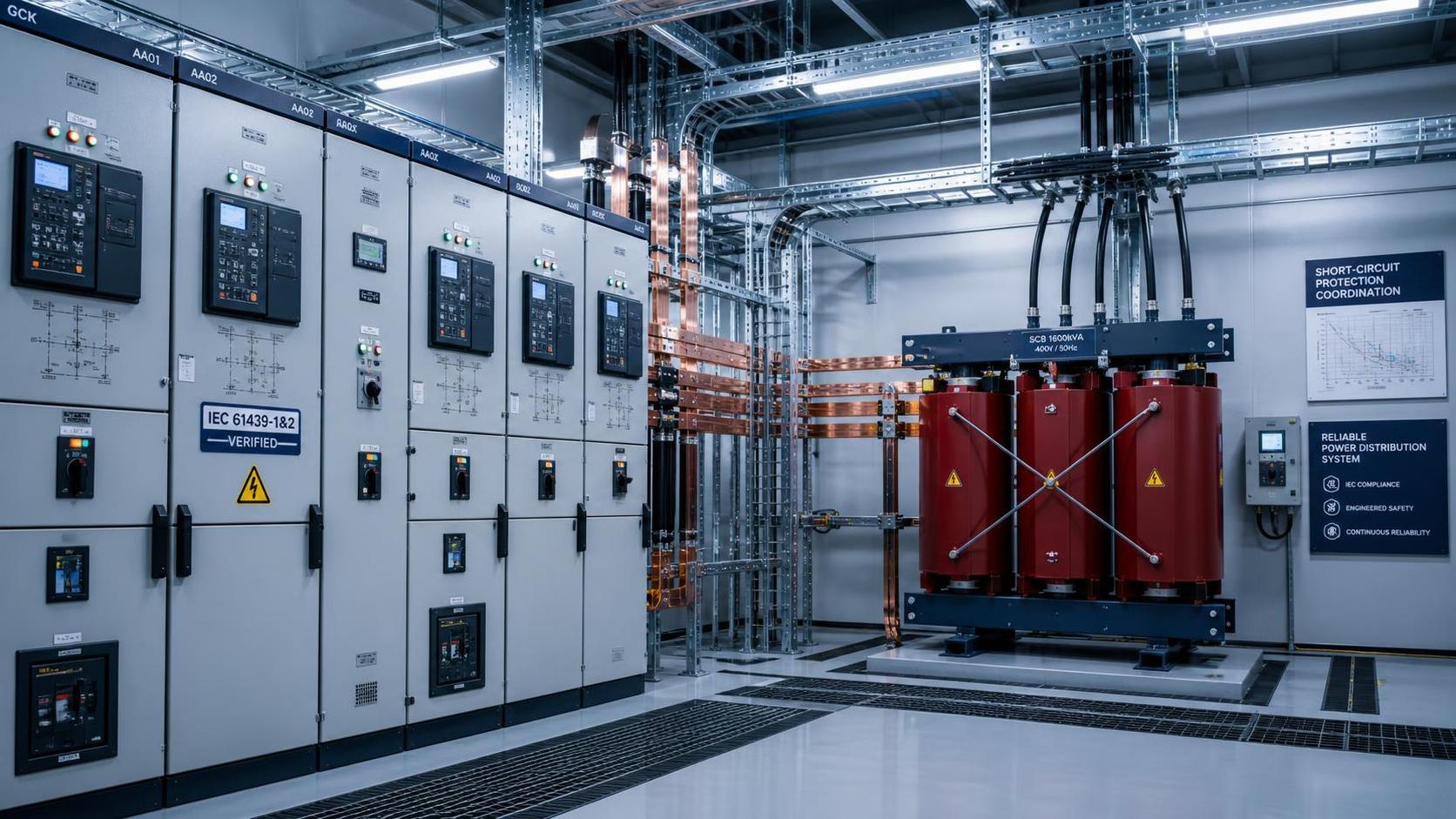
Indoor assembly halls usually prioritize continuity, selective protection, and compact distribution layouts.
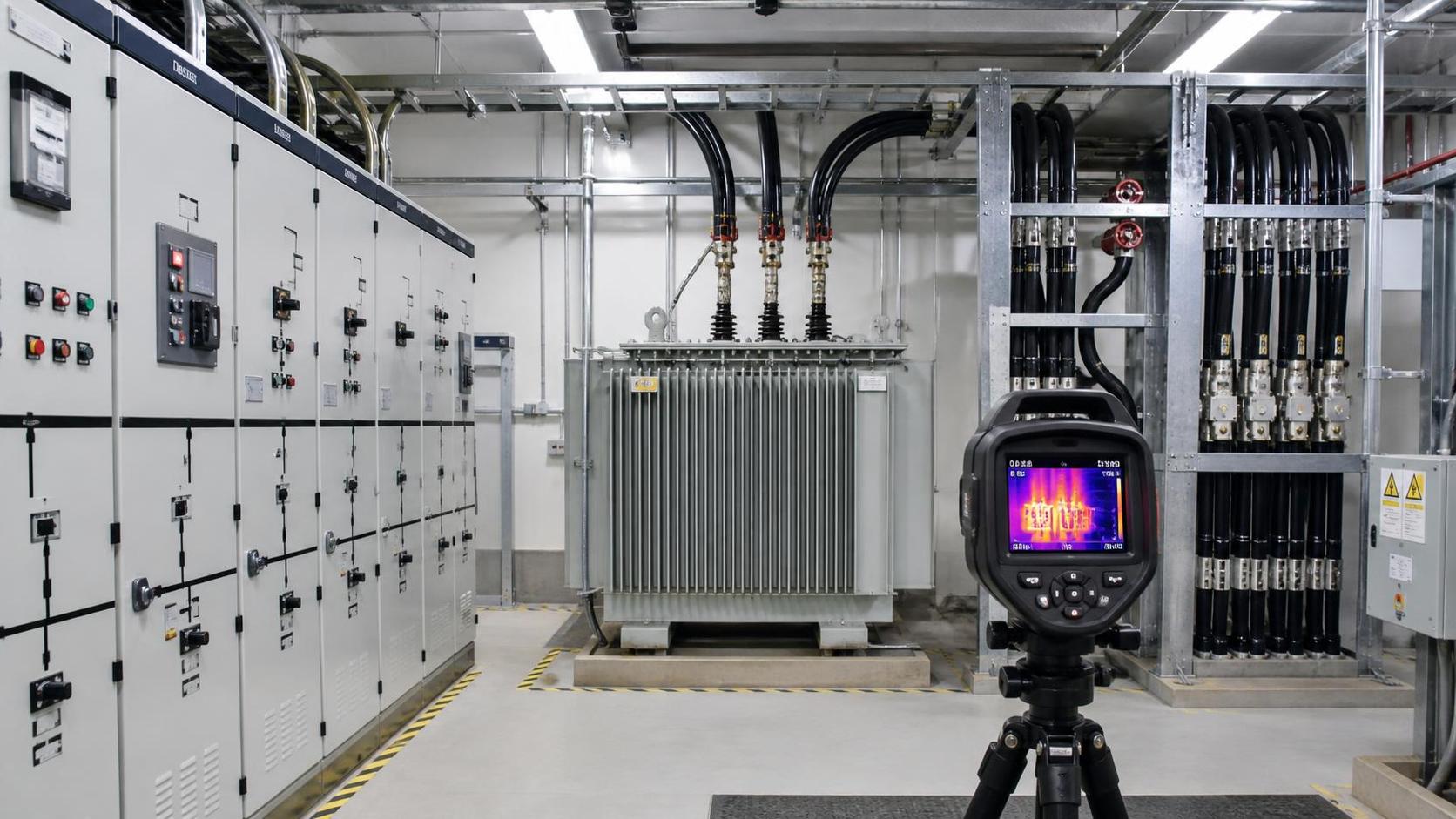
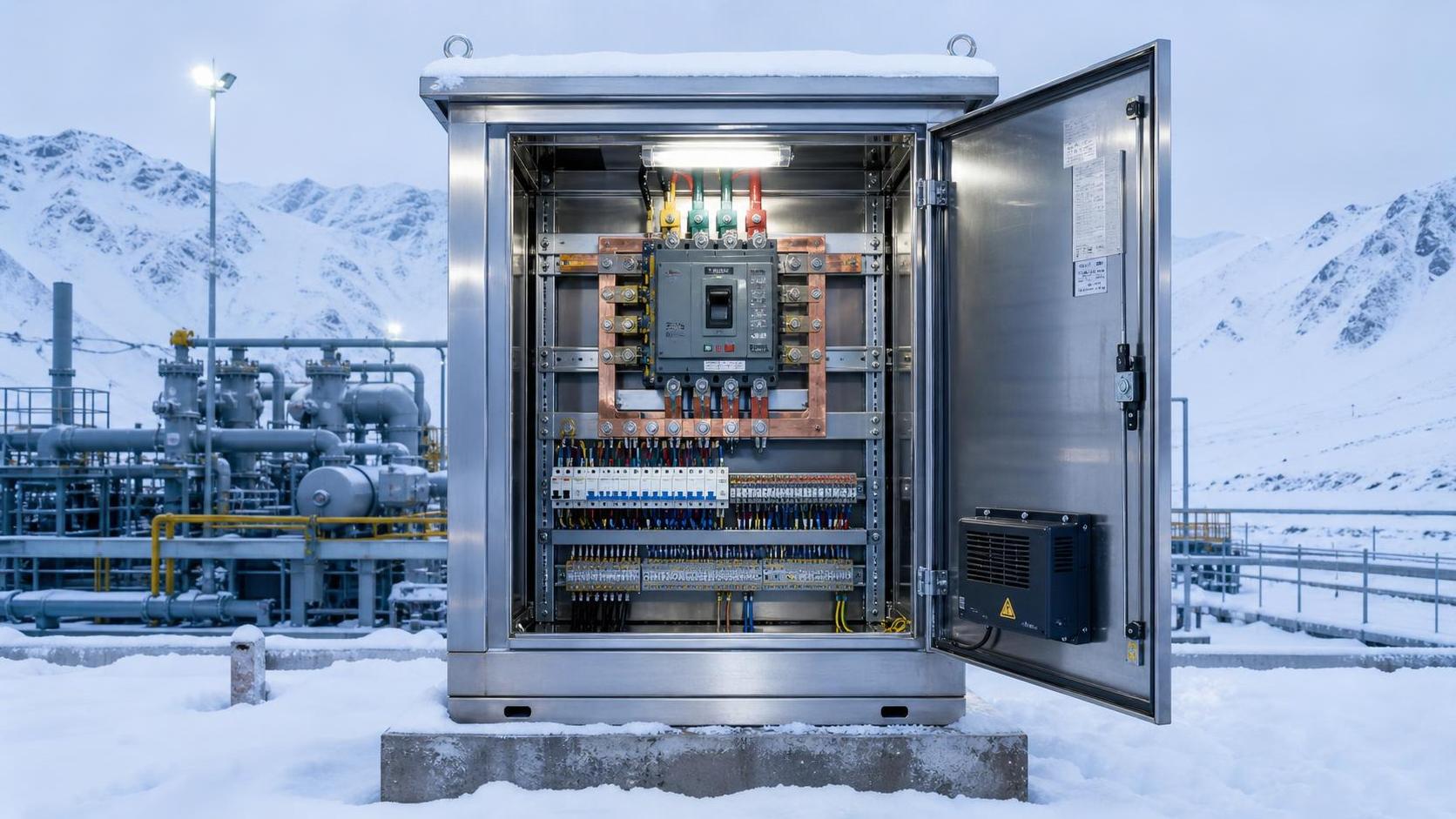
Outdoor utility zones often care more about enclosure protection, thermal stability, and weather-driven degradation.
In mining, cement, or bulk handling operations, dust becomes more than a housekeeping issue.
It affects cooling paths, insulation integrity, and maintenance intervals.
Coastal or chemical sites create another layer of risk.
Corrosive exposure can shorten panel life, weaken connectors, and undermine measurement reliability.
For these environments, Electrical & Power solutions need stronger material selection and enclosure strategy.
Where heavy motor loads dominate
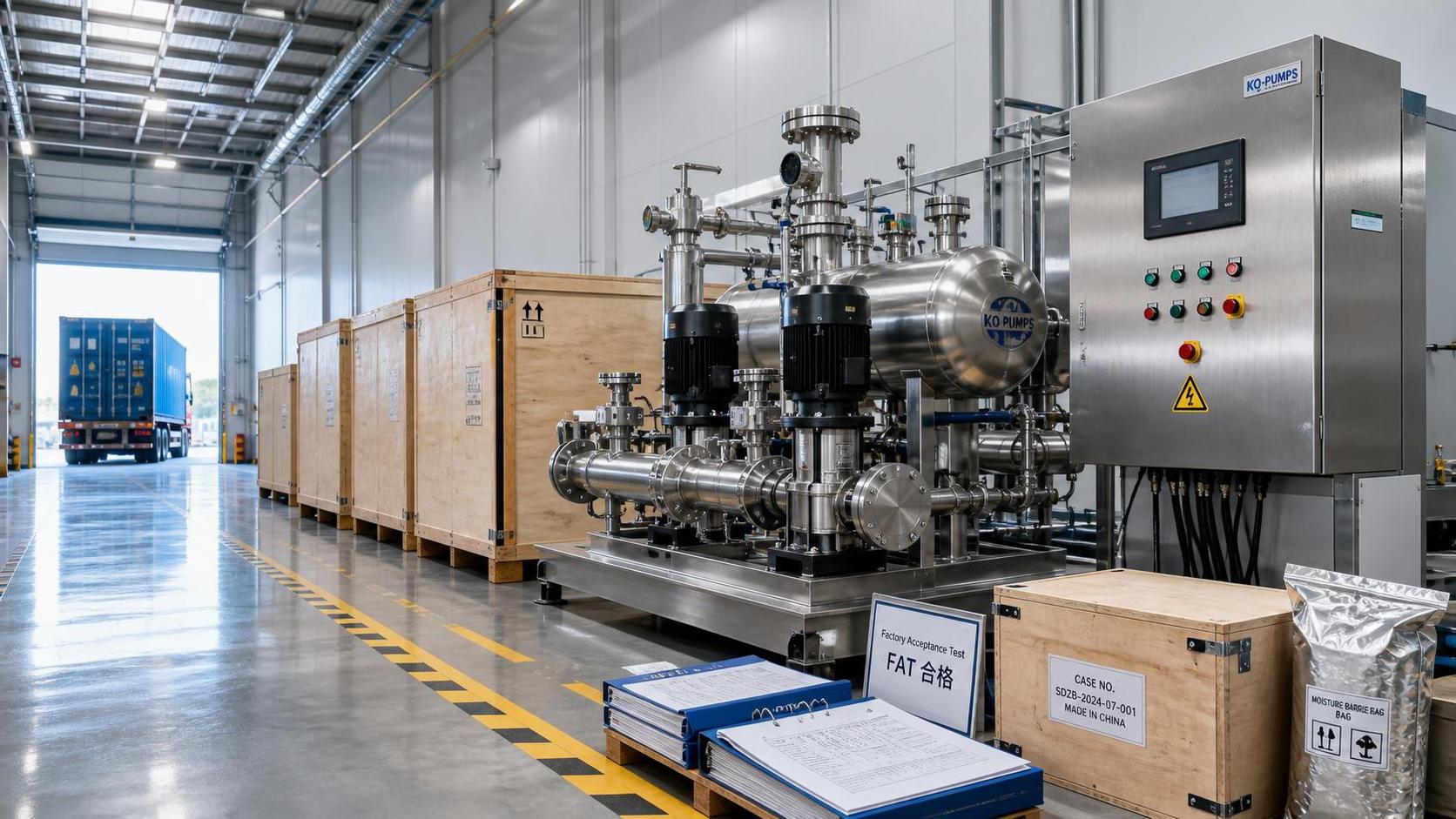
Pump stations, compressors, crushers, and conveyors usually challenge power systems during start-up.
Inrush current, harmonic distortion, and voltage dip matter more than headline efficiency claims.
Here, Electrical & Power solutions should be checked for motor starting method, feeder coordination, and short-circuit resilience.
Variable frequency drives may improve control, but they also change filtering and thermal design needs.
Where process continuity matters most
Pharmaceutical, food, electronics, and high-precision fabrication lines usually treat brief interruptions as major losses.
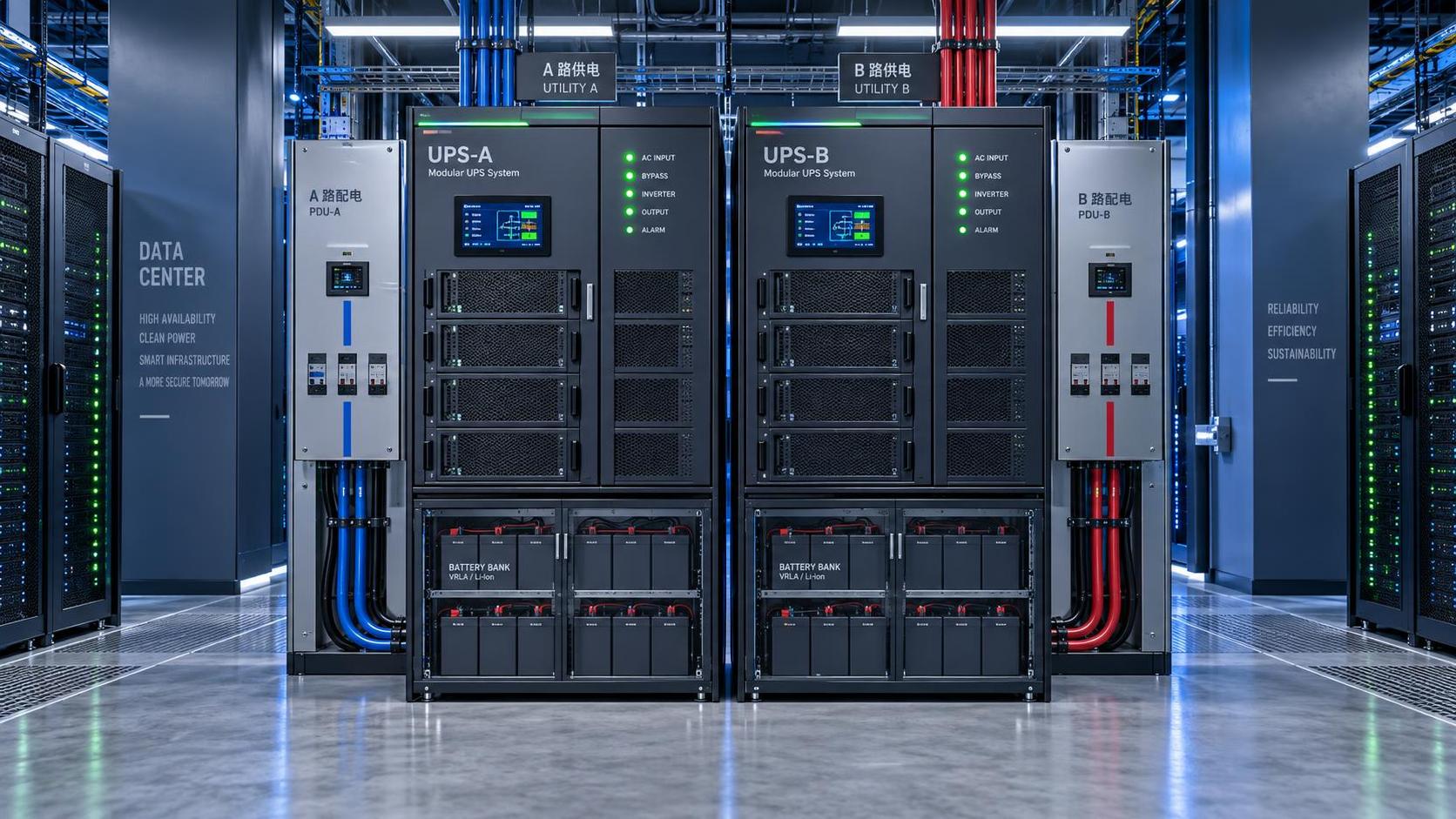
In these settings, power quality, redundancy, and fast fault isolation shape system selection.
The right Electrical & Power solutions often include layered backup paths, cleaner grounding design, and tighter monitoring.
High-frequency project scenarios usually focus on different priorities
A practical comparison makes selection easier before specifications are locked.
The point is not to force every site into a category.
It is to see why different facilities ask different questions before they accept the same Electrical & Power solutions.
Before choosing equipment, judge the load profile honestly
Load studies often look complete while missing real operational behavior.
A site may show moderate average demand, but still create severe peak stress.
That happens when several motors start together, when heaters cycle sharply, or when emergency recovery is rushed.
For Electrical & Power solutions, average load is only one part of the story.
It is usually better to map loads into three groups.
- Critical loads that require continuity or controlled shutdown.
- Dynamic loads that create start-up or harmonic stress.
- Flexible loads that can shift during maintenance or peak events.
Once these groups are clear, system architecture becomes easier to justify.
Backup power can be sized around truly critical functions.
Power conditioning can target the circuits that actually need it.
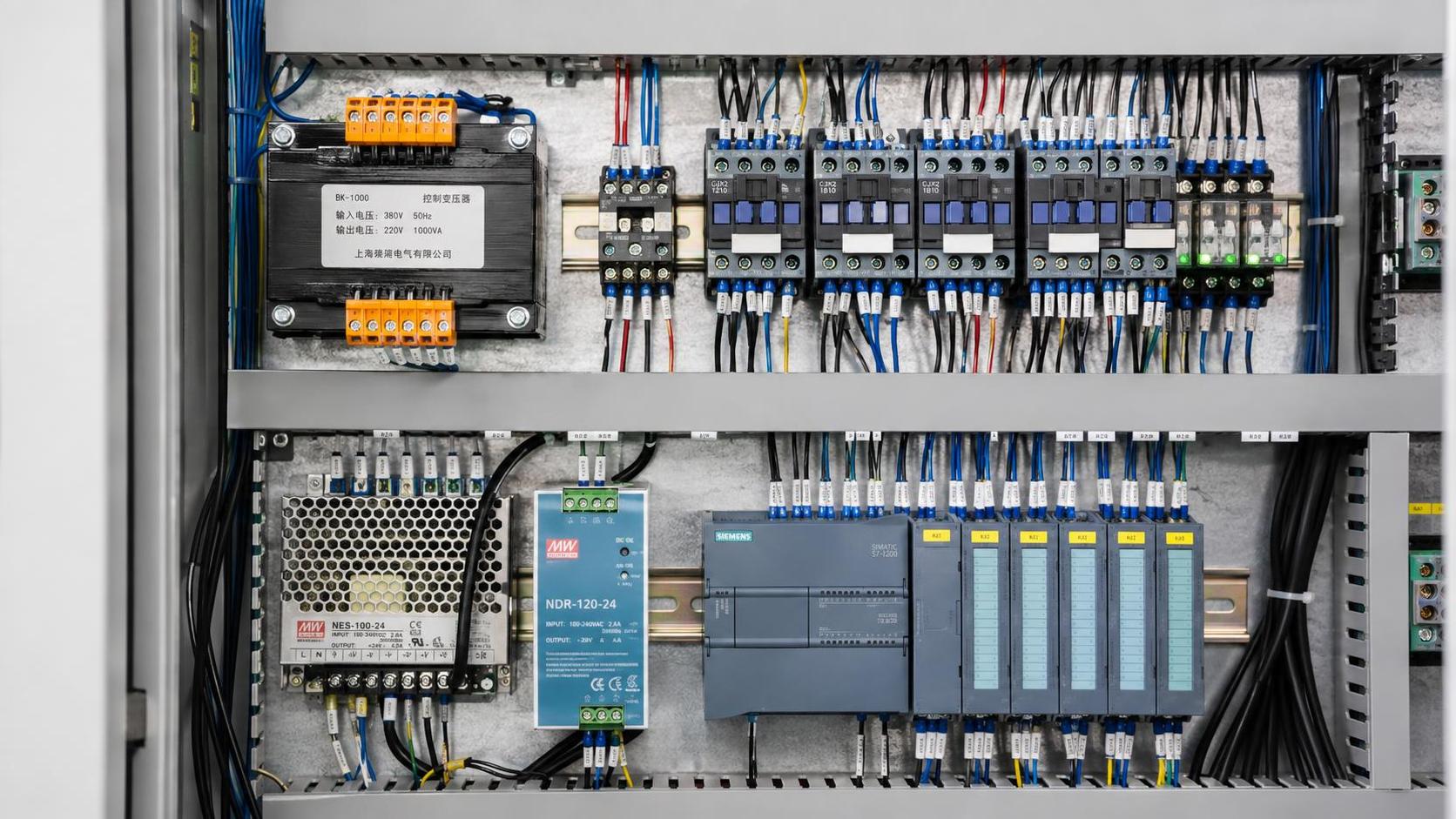
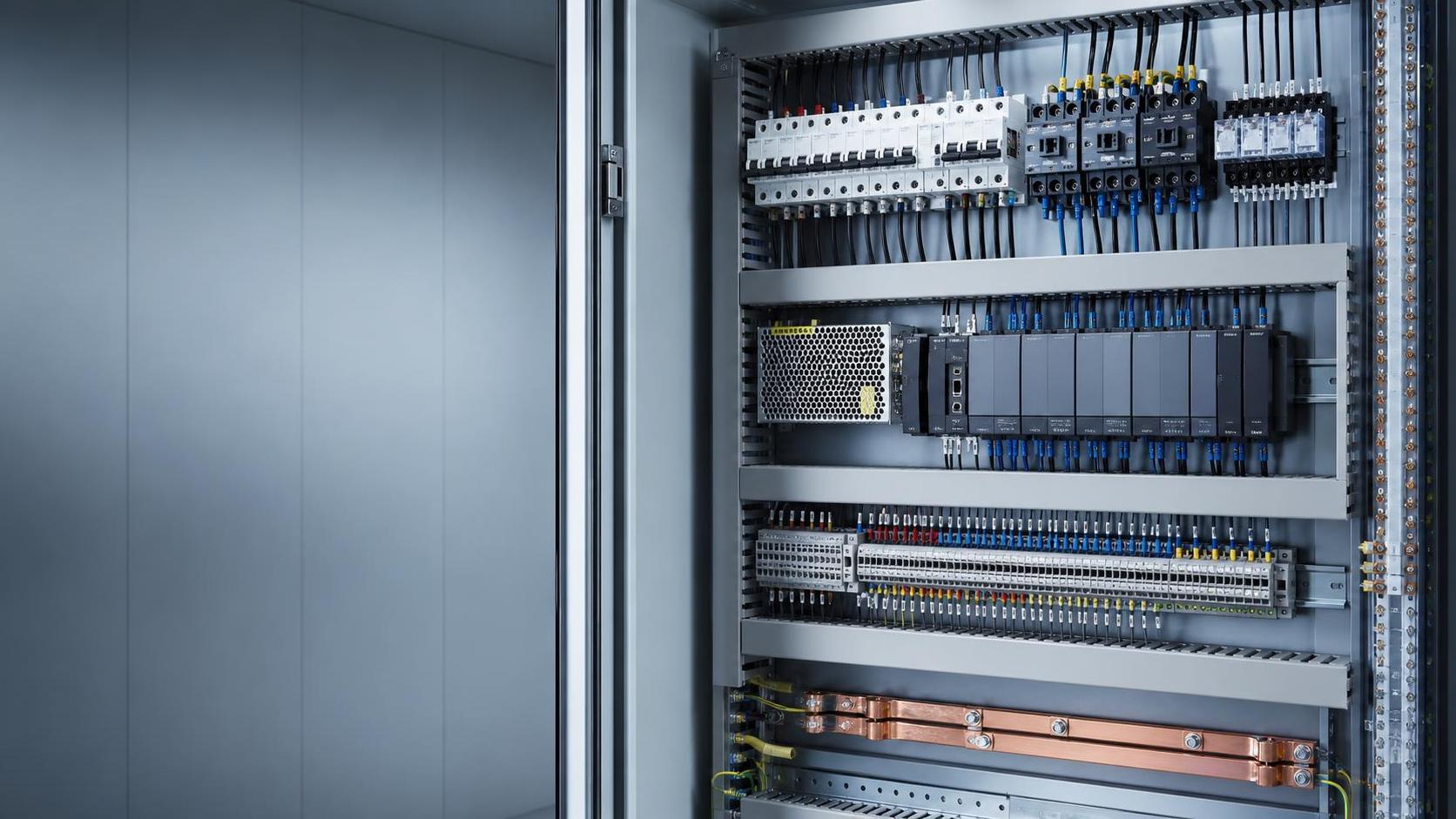
Cable sizing, protection coordination, and panel segmentation also become more rational.
Compliance and maintainability often decide long-term fit
Many specifications mention CE, UL, or ISO, but field suitability needs deeper review.
Certified components do not automatically create compliant system behavior.
Protection selectivity, grounding continuity, labeling, access clearance, and test documentation all matter.
This is where disciplined Electrical & Power solutions separate short-term procurement wins from durable project outcomes.
Maintainability should be judged with the same seriousness.
If routine inspection requires shutdown of unrelated feeders, the design is already carrying hidden operational cost.
If spare parts depend on one narrow vendor path, resilience is weaker than the data sheet suggests.
Global Industrial Core often frames this as infrastructure discipline.
The strongest systems are not merely compliant at commissioning.
They remain inspectable, traceable, and serviceable under real industrial pressure.
Where selection mistakes usually begin
Several mismatches appear repeatedly across industrial projects.
- Choosing Electrical & Power solutions by rated capacity, while ignoring transient load behavior.
- Comparing equipment cost without accounting for downtime exposure or maintenance access.
- Assuming similar plants have identical grounding, enclosure, or harmonic needs.
- Treating expansion as optional, then rebuilding distribution earlier than planned.
- Accepting compliance claims without checking integration, testing records, and site restrictions.
These mistakes usually come from incomplete context, not poor equipment alone.
A technically sound product can still be the wrong fit when duty cycle, environment, or service strategy are misunderstood.
A practical way to match Electrical & Power solutions before final approval
A useful review process does not need to be complicated.
It needs to force the right questions early enough.
- Define operating modes, including start-up, steady state, upset recovery, and maintenance isolation.
- Map critical, dynamic, and flexible loads to the distribution architecture.
- Confirm environmental stress factors, not only indoor or outdoor labels.
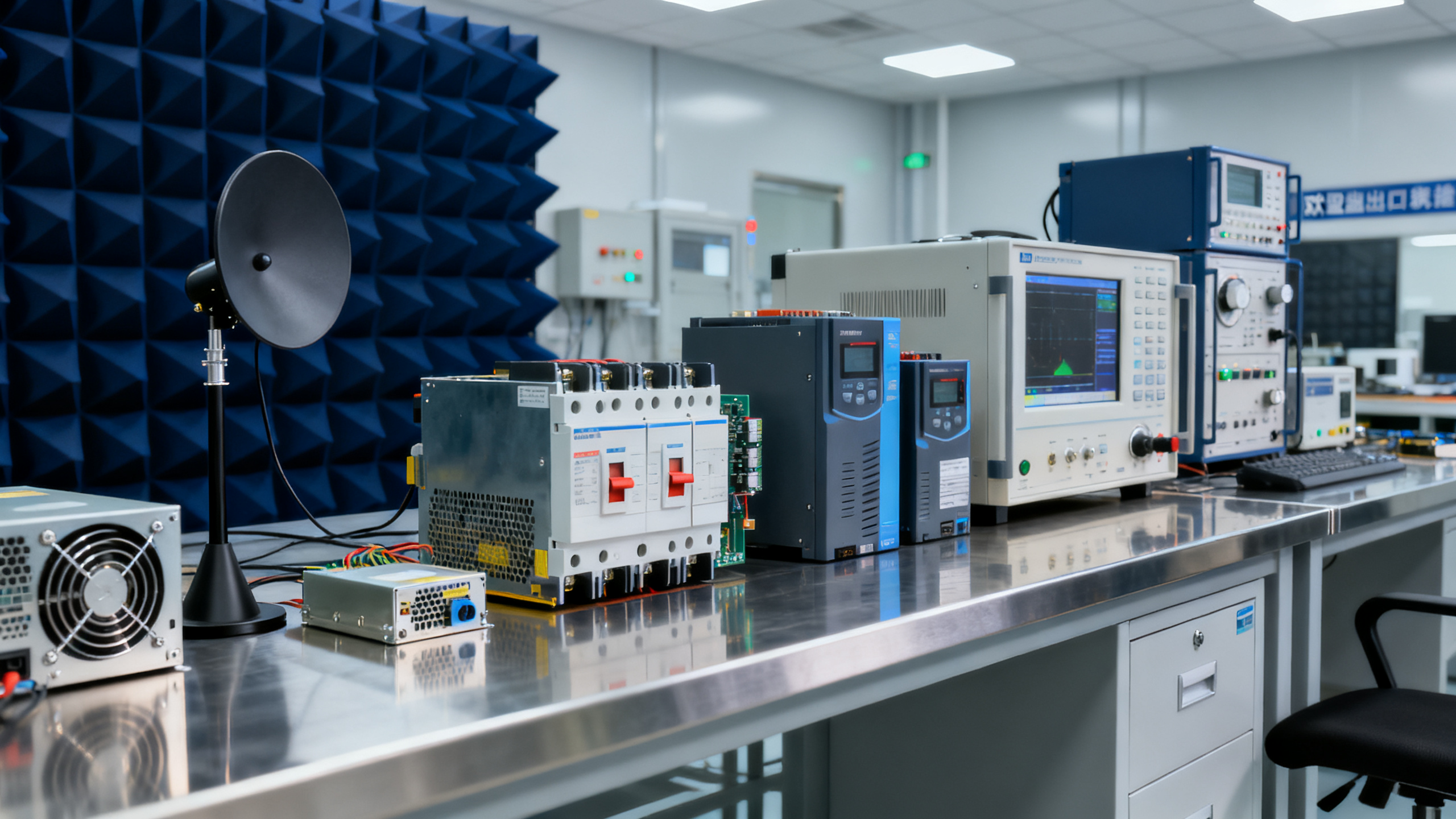
- Check standards, utility interface rules, and required test documentation.
- Review spare strategy, service access, and expansion capacity before sign-off.
When this sequence is followed, Electrical & Power solutions become easier to defend technically and financially.
The result is not just better equipment selection.
It is a more stable industrial foundation, with fewer surprises after energization.
The next practical step is to document actual site conditions, compare them against load behavior, and build a short list of non-negotiable system requirements.
That creates a clearer basis for evaluating Electrical & Power solutions, implementation difficulty, maintenance obligations, and long-term operational risk.
Technical Specifications
- How to Select Electronic Hotel Key Card Locks for Guest Rooms and Staff AreasAuthor :Safety Compliance Lead
- How to Select Lab Instruments for Reliable Chemical Analysis WorkflowsAuthor :Precision Metrology Expert
- How to Size a UPS for Server Rooms: Load, Runtime, and Redundancy FactorsAuthor :Grid Infrastructure Analyst
Expert Insights

Chief Security Architect
Dr. Thorne specializes in the intersection of structural engineering and digital resilience. He has advised three G7 governments on industrial infrastructure security.
Related Analysis
- Sep 17, 2026How to Select Electronic Hotel Key Card Locks for Guest Rooms and Staff AreasAuthor :Safety Compliance Lead
- Sep 16, 2026How to Select Lab Instruments for Reliable Chemical Analysis WorkflowsAuthor :Precision Metrology Expert
- Sep 15, 2026How to Size a UPS for Server Rooms: Load, Runtime, and Redundancy FactorsAuthor :Grid Infrastructure Analyst
Core Sector // 01
Security & Safety
- How to Size a UPS for Server Rooms: Load, Runtime, and Redundancy FactorsAuthor :Grid Infrastructure Analyst

- How to Choose a Step-Down Transformer for a Control Panel: Key Sizing FactorsAuthor :Grid Infrastructure Analyst

- How Often Should Overseas Power Systems Undergo Safety Inspections?Author :Grid Infrastructure Analyst

- How to Choose Panels for Extreme-Cold Industrial Sites?Author :Grid Infrastructure Analyst

- What Should a Cross-Border EPC Equipment Procurement Reference Include?Author :Grid Infrastructure Analyst

- How to Compare Low-Voltage Equipment for Panel IntegrationAuthor :Grid Infrastructure Analyst

- IEC-Compliant Power Infrastructure: Key Design and Verification RequirementsAuthor :Grid Infrastructure Analyst

- Updated EN 61000-6-4:2026 Raises EMC Compliance Bar for EU-Bound Industrial EquipmentAuthor :Grid Infrastructure Analyst