Stainless Steel Coil Market Trends: Why Buyers Are Rethinking Grade Choice, Inventory Planning, and Supplier Reliability
Author
Date Published
Reading Time
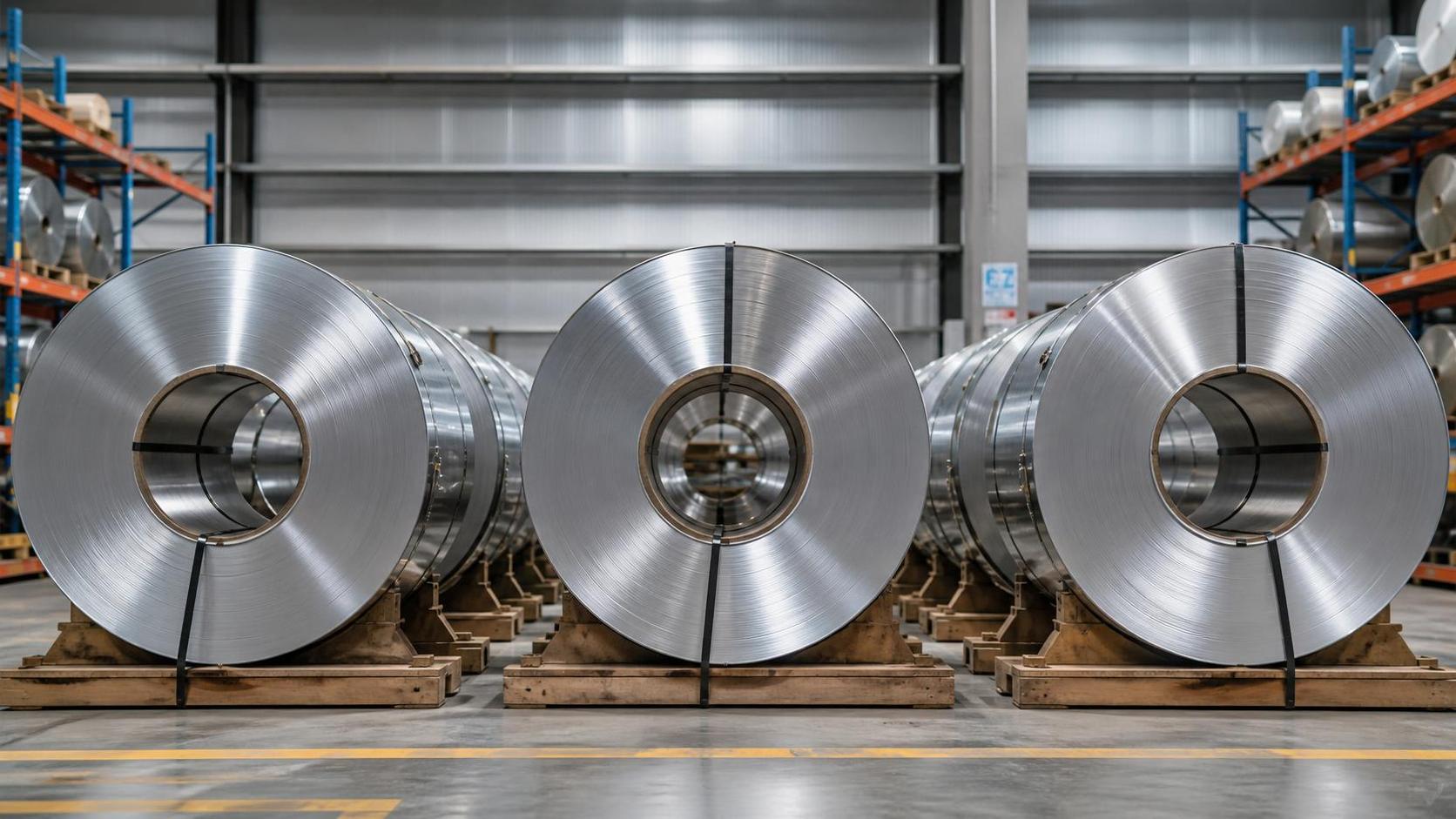
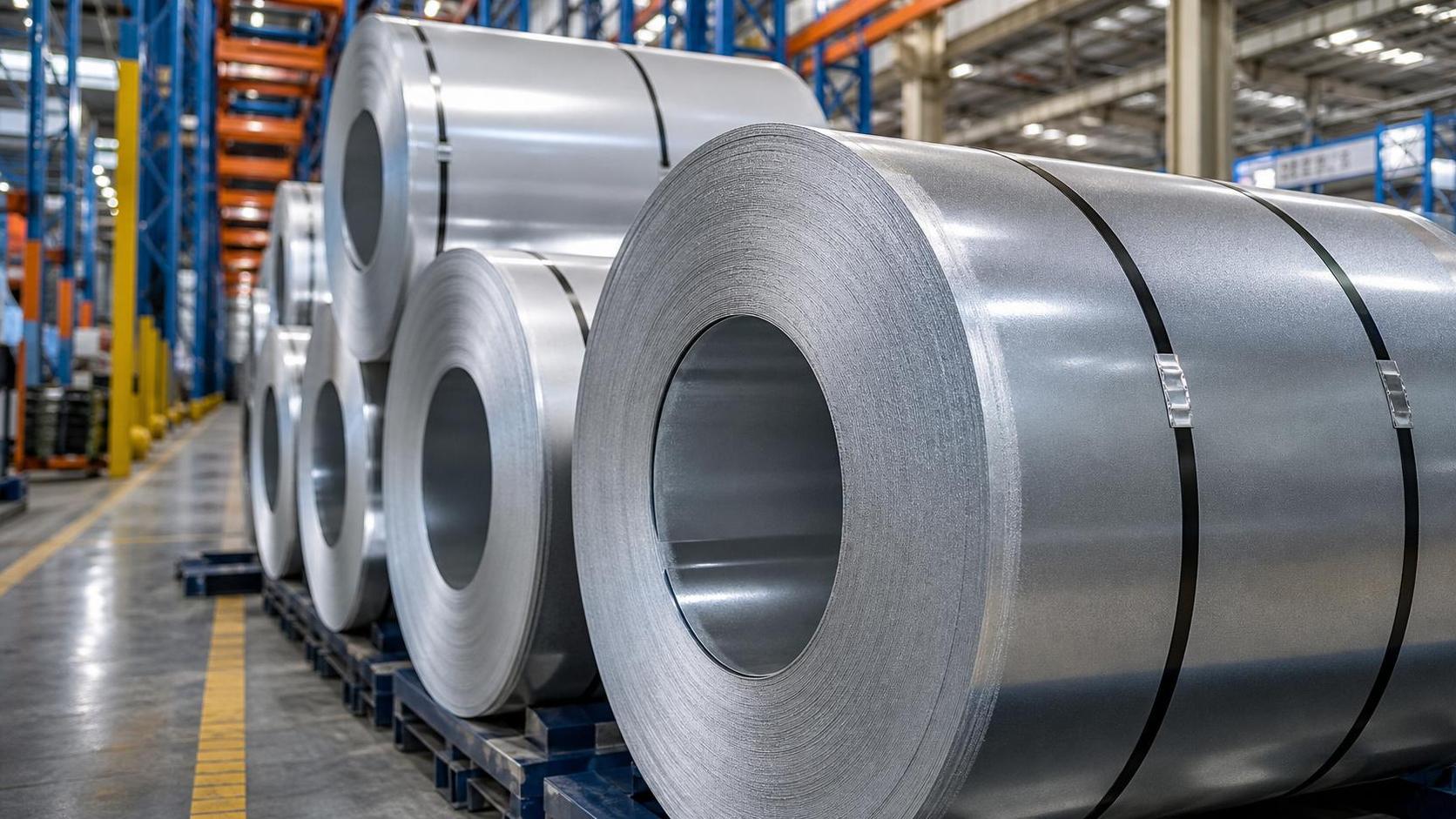
Stainless flat products remain closely tied to construction, appliances, kitchen equipment, chemical processing, transportation, energy infrastructure, and general manufacturing demand. As buyers compare Stainless Steel Coil options, the market conversation is shifting from simple price comparison toward grade accuracy, processing suitability, inventory timing, and documentation control.
This market trends guide is written for importers, distributors, steel service centers, fabricators, appliance supply chains, architectural material buyers, and procurement teams that need to plan stainless coil purchases more carefully. Stainless steel is often treated as a familiar commodity, but buyer decisions are becoming more complex. Grade selection affects corrosion resistance and forming behavior. Surface finish affects visible product quality. Coil weight and width affect processing yield. Documentation affects customer acceptance and customs review. Supplier communication affects whether a buyer can react quickly when demand changes. A good sourcing strategy now needs more than a spreadsheet of quotations.
Trend 1: Buyers Are Moving from Spot Buying to Specification-Led Sourcing
In many markets, stainless coil procurement used to begin with a broad request: grade, thickness, width, quantity, and price. That still matters, but it is no longer enough for buyers who supply demanding downstream industries. More teams are moving toward specification-led sourcing, where the buyer defines application, forming method, surface requirement, tolerance, packing, and document needs before negotiating final terms. This shift is practical. A coil that is acceptable for general fabrication may not work well for a stamped appliance panel, decorative elevator sheet, food equipment part, or architectural surface.
Specification-led sourcing also helps buyers compare quotations fairly. One supplier may quote a basic 304 coil with a standard finish, while another may include tighter tolerance, better packaging, or more complete inspection records. If the buyer only compares the headline price, these differences disappear. When requirements are written clearly, the buyer can see whether a quotation is truly equivalent or only cheaper because important details are excluded.
This trend is especially important for buyers who purchase mixed stainless products. A company may need coil for slitting, plate for fabrication, pipe for assemblies, and profiles for structural or decorative work. Each product group has its own risk points. For coil, processing yield and surface condition are often central. The stronger the buyer's internal specification discipline, the lower the chance of disputes after delivery.
Trend 2: Grade Selection Is Becoming More Application-Specific
Grade selection remains one of the first technical decisions in stainless coil purchasing. Common choices such as 201, 304, 304L, 316, 316L, 430, and other grades serve different needs. Buyers do not always need the most expensive grade, but they do need a grade that fits the environment and processing route. A decorative indoor component, a kitchen equipment part, a coastal exterior panel, and a chemical processing component cannot be evaluated with the same assumptions.
Some buyers are reviewing whether they can use cost-sensitive grades for non-critical applications, while others are moving toward higher corrosion resistance where replacement cost or customer complaints would be expensive. The market trend is not simply toward higher or lower grades. It is toward better matching. Procurement teams are asking more questions about chloride exposure, cleaning chemicals, humidity, temperature, forming severity, weldability, and surface expectations. This gives suppliers a chance to recommend material more accurately, but it also requires buyers to provide better end-use information.
For export orders, grade equivalence should be handled with care. A buyer may receive an alternative grade suggestion, but approval should be based on chemical composition, mechanical properties, corrosion needs, and customer requirements rather than a casual similarity in naming. When stainless coil moves through international supply chains, a small misunderstanding can affect resale, fabrication, and acceptance by the final user.
Trend 3: Surface Finish and Visual Consistency Are Rising in Importance
Stainless coil is often selected not only for corrosion resistance but also for surface appearance. Finishes used for panels, appliances, elevators, interior decoration, kitchenware, and equipment shells must meet visual expectations. A coil may meet grade and thickness requirements, yet still create problems if surface finish, scratches, oil marks, protective film, or color consistency do not match the buyer's market.
Demand for visible metal surfaces has made finish control a more serious procurement topic. Buyers are asking for clearer descriptions of 2B, BA, No.4, hairline, mirror, brushed, or other finishes where relevant. They also want to know whether surface protection is included, how coils are packed, and whether the material will tolerate downstream polishing, cutting, forming, or lamination. For distributors, visual consistency can directly influence customer trust. For manufacturers, poor surface control can increase scrap and rework.
The practical lesson is simple: surface requirements should be documented. Photos may help, but photos alone are not a standard. Buyers should define finish, acceptable surface condition, protective film requirement, packing method, and inspection expectations. If a surface must match previous orders, sample retention or reference panels may be useful. The more visible the final product, the more carefully surface details should be managed.
Trend 4: Service Centers Are Paying More Attention to Processing Yield
Steel service centers and fabricators are increasingly focused on yield rather than only purchase price. Coil weight, width tolerance, edge condition, flatness, surface quality, and packaging all affect how much usable material is produced after slitting, cutting, or forming. A low-priced coil can become expensive if it causes edge trimming loss, surface rejection, machine stoppage, or customer claims. Processing yield turns material purchasing into an operational decision.
Buyers should evaluate whether the coil matches the equipment and product mix. For slitting lines, coil width, inner diameter, outer diameter, and winding condition matter. For cut-to-length lines, flatness and surface protection can affect output quality. For roll forming, mechanical properties and thickness tolerance influence profile accuracy. For stamping, forming grade, lubrication, and surface cleanliness matter. When buyers communicate processing conditions to suppliers, the supplier can better align material and packaging with the buyer's real workflow.
This trend also explains why repeat consistency is valuable. A supplier that delivers similar quality across multiple shipments can reduce setup changes and inspection workload. In contrast, inconsistent coils force the buyer to spend more time checking, adjusting, and explaining problems to customers. For service centers, stable supply can be as important as headline savings.
Trend 5: Inventory Planning Is Becoming More Strategic
Stainless coil buyers face a difficult balance. Holding too much stock ties up working capital and increases storage risk. Holding too little stock can lead to missed orders, expensive urgent shipments, or production delays. This is why more buyers are separating fast-moving standard items from slower-moving special grades and finishes. Common thicknesses, widths, and grades may justify steady inventory, while special finishes or less common grades may be purchased against confirmed demand.
Market uncertainty makes this planning more important. Demand can shift by sector. Appliance production, construction activity, food equipment demand, energy projects, and export orders may not move in the same direction at the same time. A buyer serving multiple industries needs a clearer view of which products are essential stock and which should be handled through supplier reservations, rolling forecasts, or shorter purchase cycles.
Storage conditions should also be part of inventory planning. Stainless steel resists corrosion better than ordinary carbon steel in many environments, but poor storage can still create stains, scratches, moisture marks, or surface contamination. Coils should be protected from mechanical damage, unsuitable contact materials, and harsh storage conditions. Inventory strategy is not only about quantity; it is also about preserving product value until processing or resale.
Trend 6: Documentation and Traceability Are Becoming Selling Points
Documentation has become a stronger part of the stainless coil value chain. Buyers often need mill test certificates, packing lists, coil labels, inspection photos, loading photos, and traceability information. For some downstream sectors, documentation supports customer audits, quality records, and project handover. For export business, it helps reduce friction during customs clearance and customer acceptance.
The key issue is consistency. The certificate, invoice, packing list, coil label, and purchase order should tell the same story. Grade, size, quantity, heat or coil number, standard reference, and surface finish should not conflict. If a shipment includes several grades or sizes, documents should make it easy to identify each coil. Poor documentation can turn a technically acceptable shipment into a commercial problem.
Buyers are therefore treating document quality as a supplier selection factor. A supplier who provides clear documents before shipment helps the buyer review potential issues early. A supplier who delays or changes documents after loading creates unnecessary risk. In a market where many products look similar from a distance, traceability and paperwork can become real differentiators.
Trend 7: Supplier Evaluation Is Expanding Beyond Price
Stainless coil buyers are increasingly evaluating suppliers through a broader lens. Price remains important, but it sits alongside technical accuracy, communication speed, document quality, packing reliability, delivery performance, and claim response. A supplier who is slightly cheaper but inconsistent may create hidden costs. A supplier who understands grade, finish, processing, and export documentation may reduce risk across the whole purchasing cycle.
A practical supplier scorecard can help. Buyers can rate suppliers by quotation clarity, specification matching, sample support, certificate accuracy, packing condition, delivery punctuality, and after-sales response. Over time, this creates a stronger purchasing database than memory or informal impressions. It also helps procurement teams explain why the best supplier is not always the lowest-price supplier.
For international buyers, communication quality matters even more. Time zones, language differences, shipping schedules, and customs requirements can all create friction. A supplier who confirms details clearly and records decisions in writing helps reduce misunderstanding. The best sourcing relationships are not built only at the moment of purchase; they are built through consistent execution across multiple shipments.
Market-Focused Checklist for Stainless Coil Buyers
- Separate common inventory items from special grades, finishes, and sizes that should be purchased against confirmed demand.
- Define grade, finish, thickness, width, tolerance, coil weight, coil ID, and packing requirements before comparing prices.
- Match grade selection to corrosion exposure, forming severity, welding needs, and customer acceptance criteria.
- Review surface finish requirements carefully for visible products such as panels, appliance parts, and decorative components.
- Ask how the coil will perform in slitting, cutting, roll forming, stamping, polishing, or other downstream processes.
- Request document samples when working with a new supplier or entering a market with stricter customer review.
- Inspect packing, labels, coil condition, and loading photos before shipment when order risk is significant.
- Track supplier performance over time instead of making every decision from a single quotation.
FAQ
Why is stainless coil demand linked to so many industries?
Stainless coil is used in visible surfaces, corrosion-resistant parts, appliances, food equipment, transport components, building decoration, and industrial fabrication. Because it serves many sectors, demand can shift with construction activity, consumer goods, manufacturing output, and infrastructure investment.
Is 304 always the best stainless coil grade?
No. 304 is widely used, but the best grade depends on the environment, fabrication method, budget, and customer requirement. Some applications can use other grades, while more corrosive environments may need higher corrosion resistance.
What should buyers check besides grade and thickness?
Buyers should check finish, tolerance, coil weight, coil ID, surface condition, edge quality, packing, certificates, labels, and whether the material matches the intended processing route.
How can buyers reduce inventory risk?
They can separate fast-moving standard items from special items, review customer demand patterns, confirm supplier lead times, protect stored coils properly, and avoid overbuying grades or finishes that do not have stable demand.
Why does documentation matter for stainless coil?
Documentation supports traceability, customs review, resale, project acceptance, and customer quality records. Inconsistent or missing documents can create disputes even when the physical material is acceptable.
Editorial Review Note
This article is buyer-facing market trend guidance for stainless steel flat product sourcing. It avoids fabricated prices, unsupported statistics, invented project cases, false certifications, and guaranteed performance claims.
Technical Specifications
- Air Handling Unit Supplier Checklist: Performance Data, Lead Times, and SupportAuthor :Environmental Engineering Director
- Buying Fiberglass Water Tanks Wholesale: Compare Quotes and Delivery CostsAuthor :Environmental Engineering Director
- Choosing an XLPE Power Cable Supplier: Test Reports, Traceability, and Lead TimesAuthor :Grid Infrastructure Analyst
Expert Insights

Chief Security Architect
Dr. Thorne specializes in the intersection of structural engineering and digital resilience. He has advised three G7 governments on industrial infrastructure security.
Related Analysis
- Oct 19, 2026Air Handling Unit Supplier Checklist: Performance Data, Lead Times, and SupportAuthor :Environmental Engineering Director
- Oct 18, 2026Buying Fiberglass Water Tanks Wholesale: Compare Quotes and Delivery CostsAuthor :Environmental Engineering Director
- Oct 17, 2026Choosing an XLPE Power Cable Supplier: Test Reports, Traceability, and Lead TimesAuthor :Grid Infrastructure Analyst
Core Sector // 01
Security & Safety
- Cold-Formed Steel Market: Price, Capacity, and Lead-Time Signals for BuildersAuthor :

- Heat-Resisting Steel Market Trends: Availability Risks for High-Temperature FabricatorsAuthor :

- Sintered Steel Market: Demand Drivers and Supply Risks for Component SourcingAuthor :

- Structural Steel Market Outlook: What Project Buyers Should Track in 2026Author :

- EU Nickel Supply Chain Compliance: Due Diligence Steps for Industrial BuyersAuthor :

- Comparing Stock vs Custom Galvanized Square Tube for Stable Project DeliveryAuthor :

- How Rebar Traceability Is Shaping Procurement and QA ExpectationsAuthor :

- Galvalume Coil Applications: How Buyers Match Coated Steel to Real ProjectsAuthor :