Does Power Transmission Maintenance Differ in Desert and Arctic Sites?
Author
Date Published
Reading Time
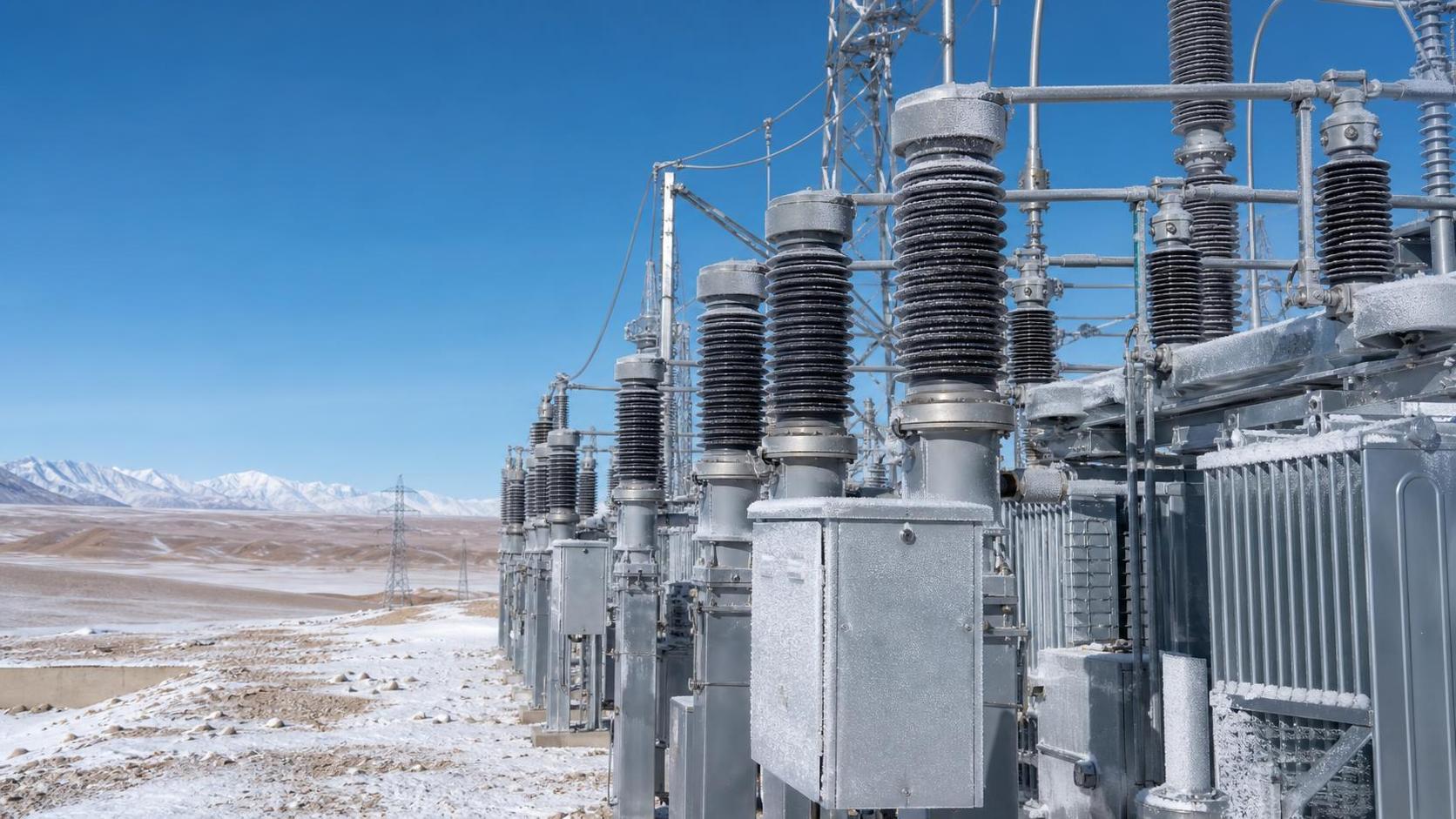
A maintenance planner can stand beside a transmission line in a desert substation and see dust collecting around cabinet seals, faded cable jackets, and cooling equipment working harder than expected. Months later, the same planner may face a very different picture at an Arctic site: frost on insulators, stiff cable sheaths, restricted access roads, and equipment that cannot be taken out of service easily once winter conditions close in.
The immediate question is often practical: can the same maintenance plan, spare-parts list, and inspection interval be used for both locations? The short answer is no. If a plan built for hot, dry conditions is transferred to a cold region without adjustment, crews can miss ice-related loading, condensation cycles, low-temperature lubricant problems, and material brittleness. Applying an Arctic-oriented plan in the desert can be just as inefficient, creating unnecessary site visits while overlooking sand abrasion, UV degradation, overheating, and contamination that affects heat dissipation.
For anyone asking, does power transmission systems maintenance differ between desert and arctic sites, the useful comparison is not simply “hot versus cold.” Maintenance decisions should be based on how climate changes the equipment’s failure mechanisms, the accessibility of the site, the safety conditions for field work, and the time available for corrective action.
The same asset can age in two completely different ways
Power transmission systems include more than conductors and towers. Maintenance teams may be responsible for transformers, switchgear, disconnectors, surge arresters, cable terminations, protection panels, battery systems, communication enclosures, grounding connections, structural steel, and auxiliary cooling or heating equipment. Every one of these components responds differently to windblown sand, high solar radiation, icing, repeated freeze-thaw cycles, salt contamination, humidity swings, and temperature extremes.
In a desert environment, the main concern is often not the high air temperature alone. Fine sand can enter poorly sealed enclosures, settle on insulation surfaces, interfere with moving contacts, and erode coatings over time. A dry-looking site may still experience serious moisture-related issues when temperatures drop rapidly after sunset or when infrequent rain combines with accumulated dust. Dust that is harmless when dry can become conductive or tracking-prone when mixed with moisture, industrial pollutants, or salt-bearing particles.
At Arctic sites, low temperature is only one part of the operating environment. Ice accumulation may change mechanical loading on conductors and structures. Snow can conceal access points, grounding connections, oil leaks, and damaged cable routes. Equipment that appears dry outside may experience internal condensation when temperatures fluctuate around the freezing point. Plastics, elastomers, cable jackets, gaskets, and lubricants can all behave differently below their intended operating range.
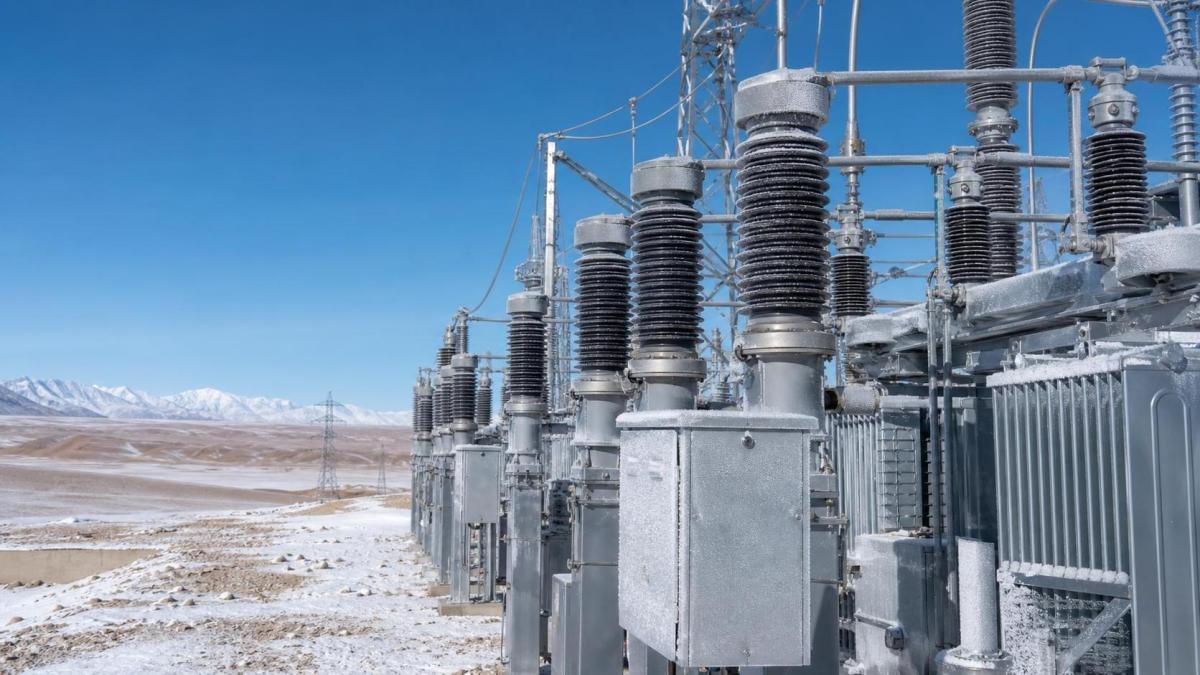
A useful starting point is to stop treating “environment” as one line in an asset register. Instead, translate climate exposure into specific inspection targets and work constraints.
Where desert maintenance becomes more demanding
Desert sites typically require closer attention to ingress protection and thermal performance. Enclosure doors, gland plates, breather systems, vent screens, seals, and cable entries deserve regular examination because a small opening can admit abrasive dust for a long period. Cleaning should not become an automatic response, however. Blowing dust with compressed air inside a cabinet can push contaminants deeper into relays, terminals, and cooling paths. The method should match the equipment manufacturer’s instructions and the sensitivity of the components involved.
Outdoor insulation also needs a location-specific approach. Sand and dust accumulation can reduce surface insulation performance, especially where contamination combines with humidity, coastal influence, process emissions, or occasional rainfall. Inspection should focus on the condition of sheds, evidence of tracking, discoloration, cracks, deposits near high-field areas, and drainage paths. A visually clean upper surface does not always mean the underside or hardware interfaces are in good condition.
Heat creates another maintenance issue: it narrows thermal margins. Transformer radiators, fan assemblies, air filters, HVAC units, and ventilation openings must remain effective when ambient temperatures are already high. Thermographic inspection can be valuable, but readings need context. A hot connector may reflect a loose or deteriorating connection, unusual load distribution, solar heating, an emissivity error, or a combination of factors. Comparing similar phases, joints, and equipment under comparable load is usually more informative than reacting to one absolute temperature reading.
UV exposure should also be considered during routine visual rounds. Cable jackets, polymeric insulators, labels, flexible conduits, weather seals, and exposed coatings may chalk, fade, harden, or crack. Not every cosmetic change requires replacement, but cracking that compromises sealing, dielectric separation, identification, or mechanical protection should be recorded and evaluated before it develops into a service issue.
Cold-region maintenance is governed by access and phase change
Arctic maintenance plans are often shaped by the fact that a repair may be technically simple but operationally difficult to reach. Road closures, snow cover, limited daylight, high winds, and weather restrictions can turn a minor corrective task into a deferred risk. This makes pre-season preparation more important. Before severe conditions arrive, teams commonly verify the condition of access routes, emergency supplies, remote indications, enclosure heaters, battery capacity, communication links, and critical spare parts that cannot be obtained quickly.
Freeze-thaw exposure creates particular trouble around seals, drainage points, cable entries, outdoor mechanisms, and foundation interfaces. Water can enter a small gap, freeze, expand, and worsen the opening. Repeated cycles may loosen fasteners, disrupt coatings, or damage nonmetallic materials. Inspections should look for evidence of trapped water, blocked drains, split seals, lifted coatings, and corrosion beginning beneath damaged protective layers.
Ice loading must be treated as both a mechanical and electrical concern. Ice can alter conductor sag and tension, increase loading on towers and fittings, and affect the operation of disconnectors or other moving outdoor equipment. It can also create unusual insulation conditions. Field crews should avoid assuming that ice removal is a routine housekeeping task; the method must account for energized clearances, component fragility, falling-ice hazards, and the possibility that forced removal can damage insulator sheds, conductors, or hardware.
Lubrication practices are another frequent source of mismatch. A product that performs adequately in warm conditions may become too viscous at low temperatures, leaving mechanisms slow or incomplete in operation. Conversely, simply selecting a low-temperature lubricant without confirming material compatibility, washout resistance, and electrical equipment suitability can introduce another problem. The correct choice should follow the equipment documentation, expected temperature range, and the duty cycle of the mechanism.
A side-by-side maintenance view
Do not copy inspection intervals without checking the trigger
A common mistake is to define maintenance only by calendar frequency. A six-month interval may sound disciplined, but it can be poorly matched to an asset’s actual exposure. In the desert, inspections may need to be triggered after dust storms, unusual contamination events, cooling alarms, or extended high-load periods. In Arctic regions, a more meaningful trigger may be before winter access becomes difficult, after an icing event, following a thaw period, or when remote monitoring identifies a developing issue.
This does not mean every weather event requires a full field inspection. The better approach is to define which conditions justify a response and what level of response is appropriate. A remote review of alarms, temperatures, breaker operation records, weather data, and communication status may be enough in one situation. In another, visible evidence of insulation damage, repeated mechanism alarms, unusual thermal patterns, or loss of enclosure environmental control may justify an on-site inspection.
Condition-based maintenance becomes especially useful in extreme locations because it helps distinguish normal climate effects from developing faults. It also supports better use of limited access windows. Records should be detailed enough to compare observations across seasons: location of deposits, type of seal deterioration, operation time changes, recurring condensation, ice-prone areas, coating damage, and the specific weather conditions present when an abnormality was observed.
A field review sequence that works in either climate
Start with the asset’s operating context before opening any panel or scheduling an outage. Review single-line diagrams, equipment manuals, recent alarms, switching history, load patterns, previous defects, and site weather exposure. Confirm which components are safety-critical or difficult to replace. This prevents crews from spending time on visible but low-consequence issues while a less obvious failure mode remains unaddressed.
Next, walk the site from outside in. Look at access roads, fencing, drainage, foundations, tower hardware, conductor clearances, external coatings, enclosure condition, and signs of animal or wind-related intrusion. In desert areas, pay attention to dust pathways and blocked ventilation. In cold regions, look for snow accumulation patterns, ice buildup, blocked drains, and evidence that water has entered and refrozen around seals or interfaces.
Then examine electrical and mechanical indicators together. A hot connection, for example, should be assessed alongside torque history where applicable, load balance, corrosion, contamination, and the physical condition of the joint. A slow disconnector should be evaluated with lubrication condition, ice exposure, motor current where available, linkage alignment, and the suitability of the mechanism for the prevailing temperature.
Finally, convert findings into actions that can be executed under local constraints. Separate urgent safety concerns from work that can be scheduled during the next accessible period. Identify whether a correction needs special lifting equipment, cold-rated tools, dust-control precautions, replacement seals, cleaning materials, or a planned outage. In remote sites, the quality of this preparation often matters more than the length of the inspection report.
Material selection and spares should follow failure modes
Spare-parts planning should not rely only on equipment model numbers. Environmental suitability matters. Replacement gaskets, cable accessories, lubricants, filters, coatings, batteries, enclosure heaters, and fan components need to be compatible with the actual exposure. A part that fits physically may not retain flexibility in severe cold, resist UV exposure, tolerate dust abrasion, or perform reliably under large temperature swings.
It is also wise to question assumptions about “sealed” equipment. Sealed does not mean maintenance-free. Breathers can saturate, gaskets age, pressure equalization features can clog, and cabinet temperature control can fail. A small loss of environmental protection can gradually affect insulation resistance, corrosion rates, electronic reliability, and the condition of terminals long before a major alarm appears.
When the difference requires engineering review
Routine maintenance can identify many issues, but some findings should not be handled as ordinary corrective work. Repeated flashover evidence, structural distortion, persistent overheating, changes in conductor clearance, recurring moisture ingress, insulation cracking, or mechanism failure in severe weather may indicate a design or application mismatch rather than a missed maintenance task.
At that point, the right question is no longer whether the component can be cleaned, tightened, or lubricated again. It is whether its enclosure rating, material specification, contamination performance, thermal design, mechanical loading allowance, or installation detail is appropriate for the site. Engineering review can help determine whether a revised component, protective measure, operating procedure, or monitoring method is needed.
Desert and Arctic transmission assets both demand disciplined maintenance, but they reward different habits. Desert programs should focus on keeping heat, dust, UV exposure, and contamination from reducing equipment margins. Arctic programs need to anticipate ice, moisture phase changes, low-temperature material behavior, and the reality that access may disappear when a defect becomes urgent. A climate-specific plan is not extra paperwork; it is the practical link between an inspection finding and equipment that remains dependable when conditions are least forgiving.
Technical Specifications
- How to Select Electronic Hotel Key Card Locks for Guest Rooms and Staff AreasAuthor :Safety Compliance Lead
- How to Select Lab Instruments for Reliable Chemical Analysis WorkflowsAuthor :Precision Metrology Expert
- How to Size a UPS for Server Rooms: Load, Runtime, and Redundancy FactorsAuthor :Grid Infrastructure Analyst
Expert Insights

Chief Security Architect
Dr. Thorne specializes in the intersection of structural engineering and digital resilience. He has advised three G7 governments on industrial infrastructure security.
Related Analysis
- Sep 17, 2026How to Select Electronic Hotel Key Card Locks for Guest Rooms and Staff AreasAuthor :Safety Compliance Lead
- Sep 16, 2026How to Select Lab Instruments for Reliable Chemical Analysis WorkflowsAuthor :Precision Metrology Expert
- Sep 15, 2026How to Size a UPS for Server Rooms: Load, Runtime, and Redundancy FactorsAuthor :Grid Infrastructure Analyst
Core Sector // 01
Security & Safety
- Does Power Transmission Maintenance Differ in Desert and Arctic Sites?Author :Heavy Industry Strategist

- Can Industrial Engineering Solutions Reduce Petrochemical Downtime?Author :Heavy Industry Strategist

- What Drives Industrial Roller Chains Price: Material, Pitch, Load, and Supplier FactorsAuthor :Heavy Industry Strategist

- How to Choose a Three Phase Soft Starter for Pumps, Fans, and ConveyorsAuthor :Heavy Industry Strategist

- How to Evaluate a Conveyor Roller Belts Manufacturer for Load, Speed, and Service LifeAuthor :Heavy Industry Strategist

- Power Transmission Systems Pricing: 7 Cost Drivers Buyers Should CompareAuthor :Heavy Industry Strategist

- India Expands BIS ISI Rule for Imported Belts and ChainsAuthor :Heavy Industry Strategist

- Zero Backlash Jaw Coupling Selection Guide: Torque, Misalignment, and Servo PerformanceAuthor :Heavy Industry Strategist