SABIC Steel Prices Rise 12% as Gulf Demand Tightens Supply
Author
Date Published
Reading Time
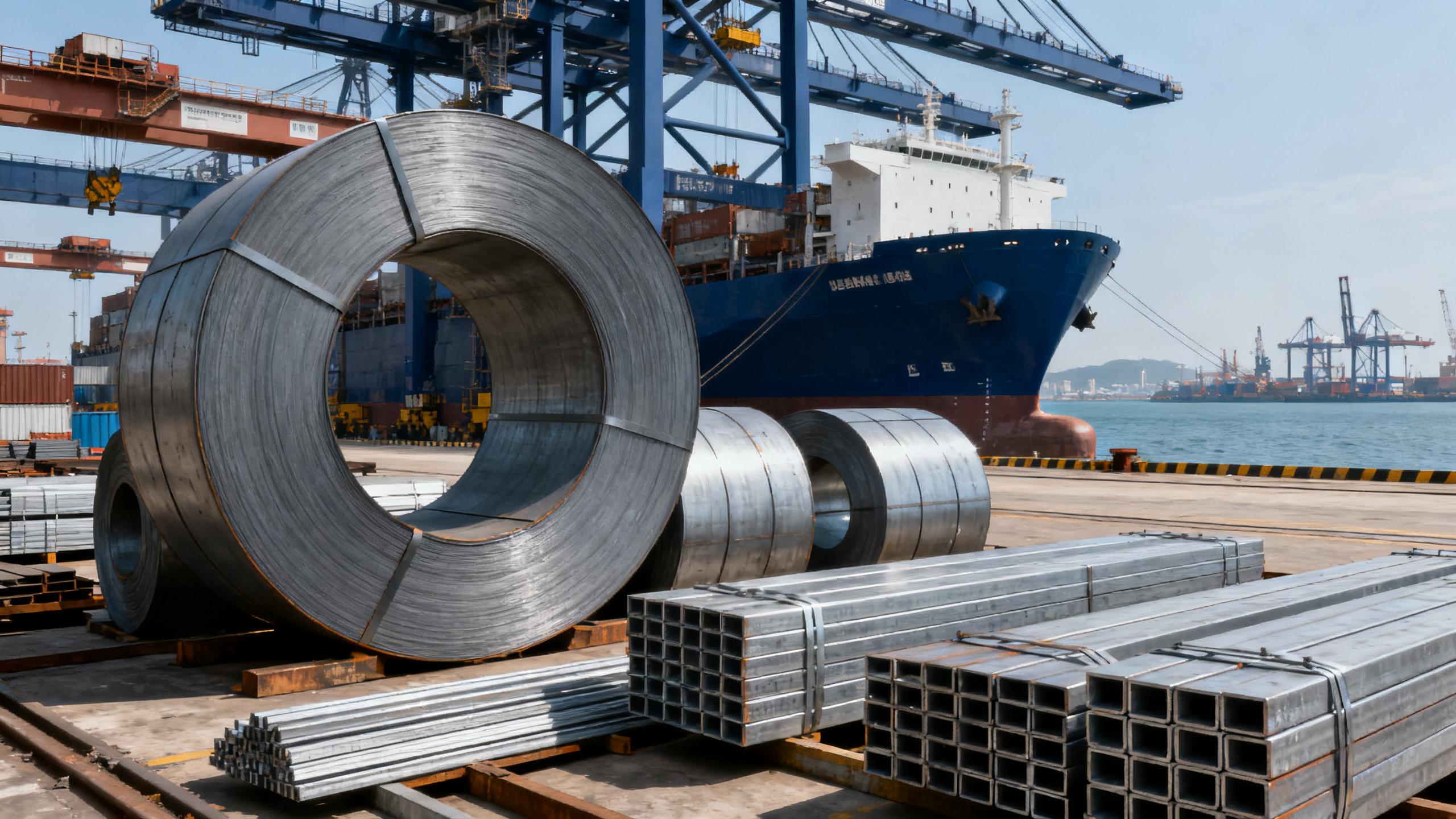
On July 9, 2026, SABIC disclosed a 12% quarter-on-quarter increase in prices for HR coil and structural steel, comparing July 2026 with April 2026. The company linked the move to faster procurement tied to NEOM Phase II, the Riyadh Metro expansion, and power transmission upgrades across the GCC. For manufacturers, traders, and engineering suppliers quoting steel-intensive components or profile packages, the development matters because longer lead times for key grades are starting to affect both pricing discipline and delivery planning.
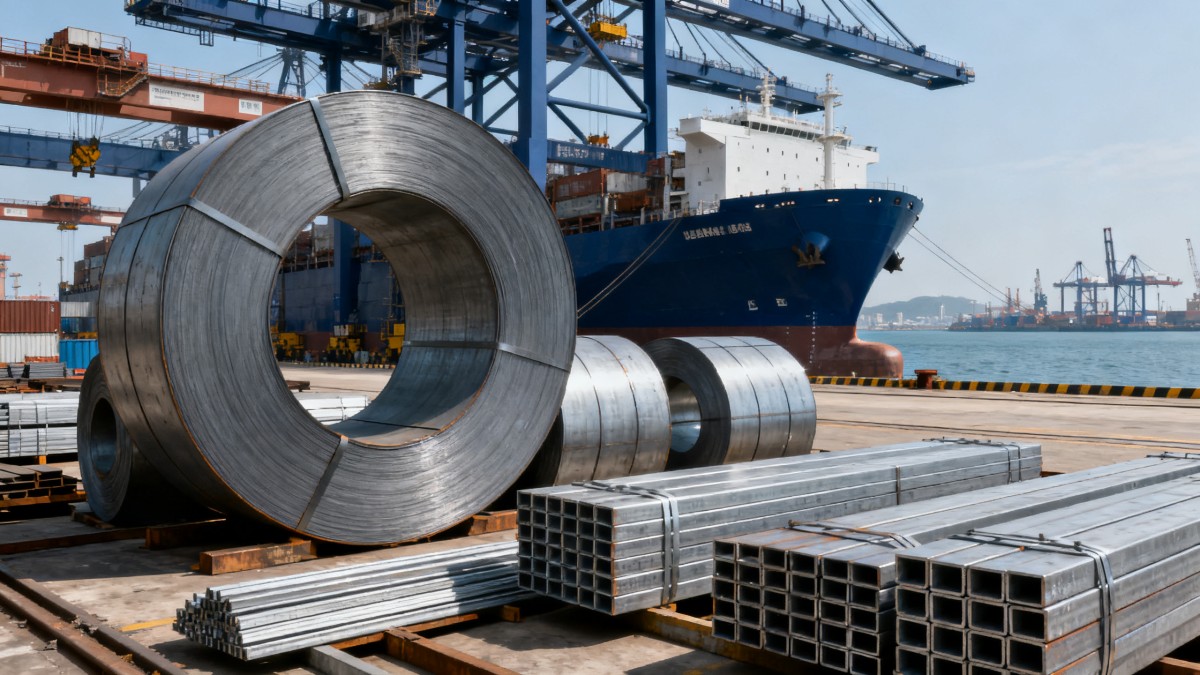
What Has Been Confirmed in the Latest Update
The confirmed facts are limited but commercially meaningful. SABIC reported that HR coil and structural steel prices rose by 12% over the quarter from April 2026 to July 2026. It attributed that increase to stronger demand associated with NEOM Phase II, the expansion of the Riyadh Metro, and GCC-wide power transmission upgrades. At the same time, lead times for ASTM A656 and EN 10025-2 profiles have moved beyond 14 weeks. The stated impact is on global suppliers that are quoting turnkey mechanical components and steel profiles.
Where the Pressure May Be Felt Along the Supply Chain
Quoting risk is increasing for component and package suppliers
From an industry perspective, suppliers offering turnkey mechanical components and steel profile packages may face the most immediate pressure. The reason is straightforward: when steel input prices rise within a quarter and lead times stretch past 14 weeks for specified grades, quotation validity, cost assumptions, and delivery commitments become harder to hold. What deserves closer attention is whether suppliers can still align bid pricing with realistic procurement windows.
Procurement teams may need to watch grade-specific availability more closely
For raw material buyers and project procurement teams, the issue is not only headline pricing. The longer lead times cited for ASTM A656 and EN 10025-2 profiles suggest that timing and specification management could become a more active part of procurement work. Observably, businesses handling steel-intensive orders may need to pay closer attention to when these grades are locked in, how long supplier offers remain valid, and whether schedules can absorb extended sourcing cycles.
Fabricators and processors could see scheduling friction
Processing and manufacturing companies that rely on inbound structural steel or HR coil may be affected through production planning rather than through market commentary alone. If material arrival becomes less predictable, downstream fabrication sequences, workshop loading, and shipment timing may all need closer coordination. Analysis shows that the operational issue is less about a single price point and more about the interaction between cost movement and lead-time extension.
Distributors and supply chain service providers may face tighter coordination demands
Channel operators, logistics planners, and supply chain service providers may also need to adjust. When procurement activity accelerates around major infrastructure work, the commercial burden often shifts toward allocation timing, document accuracy, and delivery sequencing. Based on the information provided, the main area to watch is whether longer lead times begin to alter normal replenishment and customer commitment practices for steel profiles linked to project work.
What Companies Should Be Tracking Now
Separate confirmed price changes from broader market assumptions
Companies should keep their internal assessment disciplined. The confirmed development is a 12% quarterly increase reported by SABIC and lead times exceeding 14 weeks for the named profile standards. It is more appropriate to understand this as a concrete pricing and availability signal from the current market context, rather than as proof of a broader or lasting market outcome beyond the information provided.
Review quotation validity and delivery language
For businesses currently bidding on steel-related packages, one practical focus is contract language around quotation validity, material escalation exposure, and delivery assumptions. Analysis shows that when lead times lengthen, commercial risk often shifts into bid documents and customer communication before it fully appears in revenue or margin results.
Monitor specification-sensitive orders
Orders involving ASTM A656 and EN 10025-2 profiles deserve particular attention because those are the grades explicitly mentioned as having lead times beyond 14 weeks. Companies handling these materials may need to verify whether specification choices, promised ship dates, and supplier confirmations remain aligned throughout the sales and execution cycle.
Keep project-facing communication precise
For firms serving infrastructure-linked customers, the immediate operational task is clear communication. Procurement, sales, and project teams should make sure customers understand which parts of pricing and schedule are already fixed and which depend on supplier confirmation. Observably, this matters most where steel profiles are embedded inside larger mechanical or turnkey scopes.
How This Signal Should Be Read
Analysis shows that this update is best read as a near-term market signal with broader implications, not yet as a fully settled long-term trend. The combination of a reported quarterly price increase and lead times above 14 weeks indicates that procurement activity is strong enough to affect both cost and availability in named product categories. At the same time, the information provided does not establish how long these conditions will persist, whether the same pressure applies uniformly across all steel products, or how other suppliers may respond. That is why the development still requires continued observation rather than a fixed conclusion.
Why the Market Should Keep Watching
The immediate significance of this update lies in its effect on execution-sensitive businesses: steel traders, fabricators, procurement teams, and global suppliers quoting complete mechanical packages. What is already clear is that pricing and lead-time pressure are appearing together in parts of the Gulf steel market tied to infrastructure demand. It is more appropriate to understand this as an actionable operating signal for current quoting and sourcing decisions, while reserving judgment on whether it becomes a longer-duration market pattern.
Basis of This Article and What Still Needs Verification
This article is based on the user-provided news title, event date, and event summary related to SABIC's reported steel price increase and extended lead times. For this type of market development, source categories that are commonly relevant include official company announcements, corporate market updates, industry association information, authoritative media reports, and applicable standard-related documentation. A specific official source link was not provided in the input, so the underlying statement should continue to be verified against subsequent official disclosures and market reporting. Continued attention should focus on any follow-up clarification regarding price scope, lead-time progression, and the practical effect on project-linked steel procurement.
Technical Specifications
- Air Handling Unit Supplier Checklist: Performance Data, Lead Times, and SupportAuthor :Environmental Engineering Director
- Buying Fiberglass Water Tanks Wholesale: Compare Quotes and Delivery CostsAuthor :Environmental Engineering Director
- Choosing an XLPE Power Cable Supplier: Test Reports, Traceability, and Lead TimesAuthor :Grid Infrastructure Analyst
Expert Insights

Chief Security Architect
Dr. Thorne specializes in the intersection of structural engineering and digital resilience. He has advised three G7 governments on industrial infrastructure security.
Related Analysis
- Oct 19, 2026Air Handling Unit Supplier Checklist: Performance Data, Lead Times, and SupportAuthor :Environmental Engineering Director
- Oct 18, 2026Buying Fiberglass Water Tanks Wholesale: Compare Quotes and Delivery CostsAuthor :Environmental Engineering Director
- Oct 17, 2026Choosing an XLPE Power Cable Supplier: Test Reports, Traceability, and Lead TimesAuthor :Grid Infrastructure Analyst
Core Sector // 01
Security & Safety
- Cold-Formed Steel Market: Price, Capacity, and Lead-Time Signals for BuildersAuthor :

- Heat-Resisting Steel Market Trends: Availability Risks for High-Temperature FabricatorsAuthor :

- Sintered Steel Market: Demand Drivers and Supply Risks for Component SourcingAuthor :

- Structural Steel Market Outlook: What Project Buyers Should Track in 2026Author :

- EU Nickel Supply Chain Compliance: Due Diligence Steps for Industrial BuyersAuthor :

- Comparing Stock vs Custom Galvanized Square Tube for Stable Project DeliveryAuthor :

- How Rebar Traceability Is Shaping Procurement and QA ExpectationsAuthor :

- Galvalume Coil Applications: How Buyers Match Coated Steel to Real ProjectsAuthor :