Turkey Sets 25% Duty on Chinese Steel Profiles
Author
Date Published
Reading Time
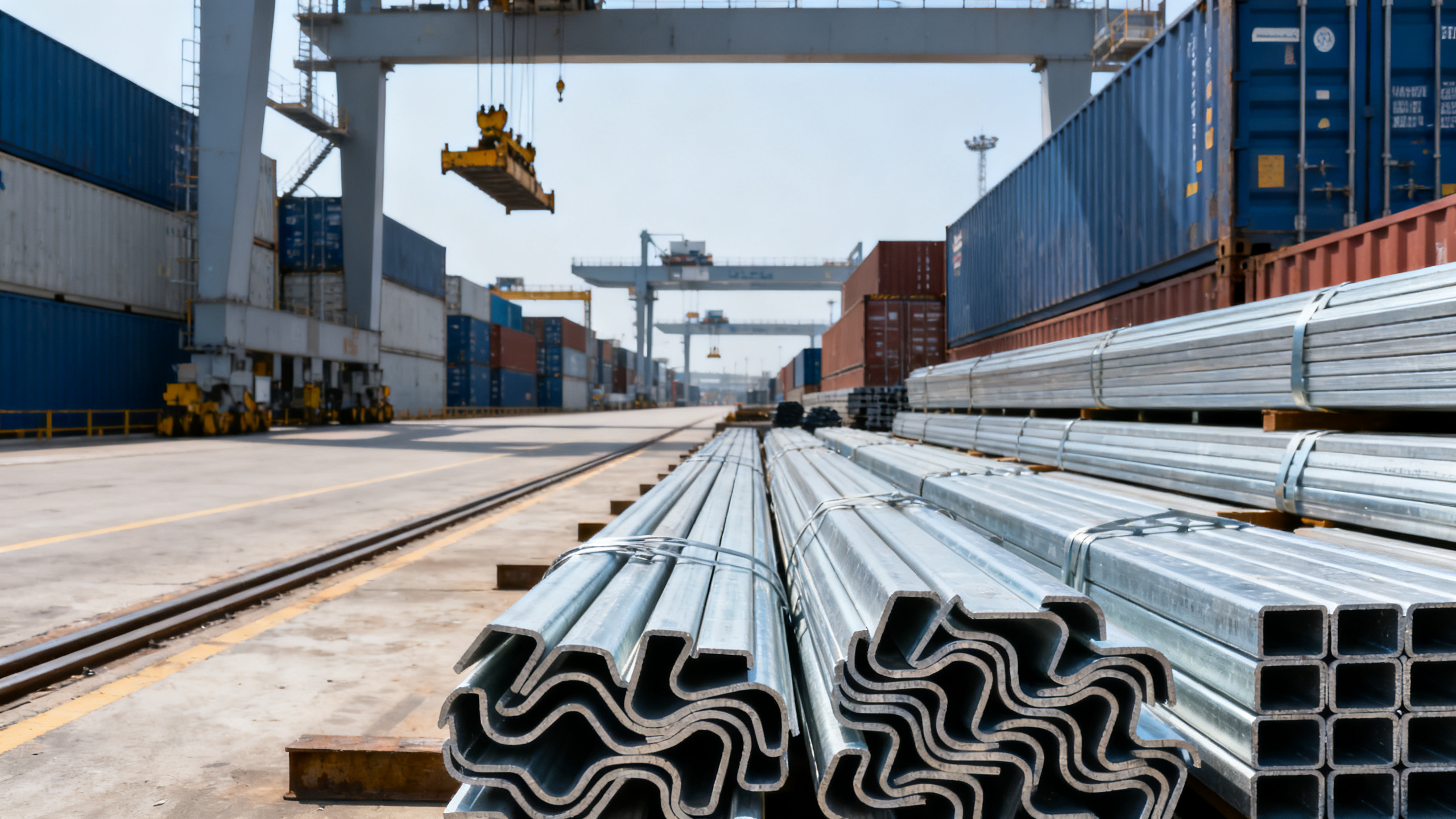
On July 8, 2026, Turkey moved to apply a provisional 25% safeguard duty on certain steel and metal profile imports from China for a six-month period. The measure matters beyond a single trade action because it directly touches structural sections, hollow sections, and cold-formed profiles used in price-sensitive sourcing decisions, putting OEMs, construction contractors, and distributors under immediate pressure to reassess cost, supply continuity, and contract exposure.
What the Turkish measure covers
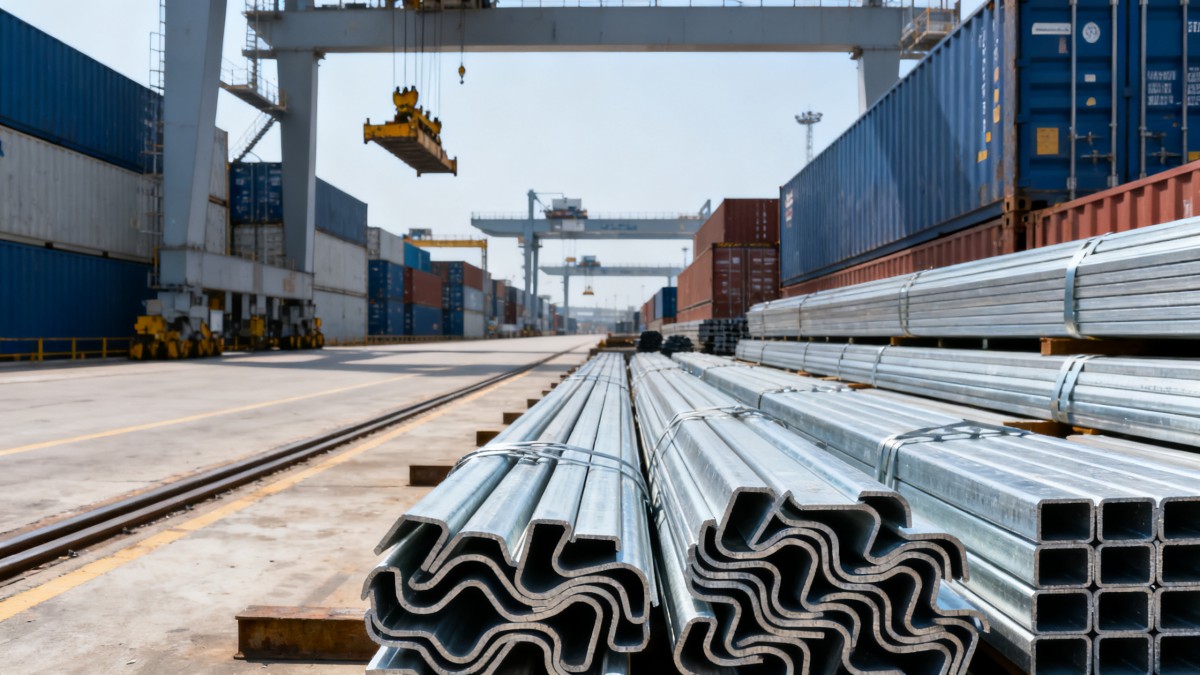
According to the information provided, Turkey’s Ministry of Trade imposed a provisional safeguard duty of 25% on imported steel and metal profiles from China, effective July 8, 2026, for six months. The scope covers HS codes 7216–7308. The products referenced include structural sections, hollow sections, and cold-formed profiles. The action follows a rise in domestic complaints in Turkey related to price undercutting and capacity displacement.
Where the pressure is likely to be felt first
Imported profile trade faces an immediate cost reset
From an industry perspective, trading companies handling covered Chinese steel and metal profiles into Turkey may see the clearest short-term disruption. The main issue is straightforward: a provisional 25% duty can alter landed cost calculations quickly, which may affect quotations, shipment decisions, and ongoing negotiations tied to cost-sensitive structural components.
Construction and project procurement may need closer review
Construction contractors sourcing structural sections or hollow sections from China are likely to focus on procurement timing, budget exposure, and substitution risk within the covered categories. Analysis shows that even a temporary safeguard measure can complicate sourcing decisions where project pricing was built around lower-cost imports.
OEM sourcing teams may need to watch component economics
For OEMs buying covered profiles as input materials or structural components, the impact may center on purchasing cost and supplier coordination. What deserves closer attention is whether the affected HS code coverage overlaps with regularly purchased items, because that determines whether the duty remains a policy headline or becomes an immediate operational issue.
Distributors may face margin and inventory questions
Distributors serving customers that depend on cost-sensitive steel profiles may need to monitor how the measure affects replenishment decisions, customer pricing discussions, and inventory turnover. Observably, the pressure point is not only import cost, but also how fast customers react when price expectations and delivery assumptions change at the same time.
What companies should monitor now
Track the exact treatment of covered product lines
Businesses should closely review whether their products fall within HS codes 7216–7308 and whether they are trading in structural sections, hollow sections, or cold-formed profiles covered by the measure. In practical terms, classification accuracy now matters more because the commercial effect depends on whether a shipment is inside or outside the stated scope.
Separate the policy signal from the operational effect
Analysis shows that companies should not treat every steel transaction involving China and Turkey as equally affected. The more useful approach is to distinguish the formal announcement from the actual product, order, and contract exposure in each case. That means checking SKU-level relevance, order timing, and customer commitments rather than reacting only at headline level.
Review contracts, lead times, and customer communication
For firms with active orders or near-term delivery schedules, the practical focus is likely to be on landed cost, delivery timing, and commercial communication. Procurement teams, sales teams, and logistics coordinators may need a shared view of which orders are exposed and how to explain any resulting pricing or scheduling changes to customers and partners.
Watch for further official clarification
Because the measure is described as provisional and set for six months, companies should continue following any official clarification or follow-up wording related to scope, application, or duration. From an industry perspective, the key issue is not only that a duty has been imposed, but also how consistently it is defined and applied in real transactions.
Why this should be read as a signal, not a finished story
Observably, this development can be read in two ways at once. In the short term, it is a concrete trade cost event for covered imports from China into Turkey. At the same time, it is more appropriate to understand this as an industry signal that domestic pricing pressure and capacity concerns in Turkey have become strong enough to trigger a provisional safeguard response. That does not by itself establish a long-term market outcome, but it does raise the importance of continued monitoring for companies exposed to the affected product range.
How to interpret the development at this stage
At this point, the Turkish action is best understood as a near-term trade and sourcing disruption with broader policy significance for the steel profile supply chain. It is not yet a basis for sweeping conclusions about long-term market restructuring, but it is also more than a routine administrative update. For companies working with covered steel and metal profiles, the sensible reading is that this is an active development requiring product-level review, commercial caution, and continued observation over the six-month period.
Basis of this article and what still needs verification
This article is based on the user-provided news title, event date, and event summary related to Turkey’s provisional 25% safeguard duty on Chinese steel and metal profiles. For this type of industry update, relevant source categories typically include official government notices, company disclosures, industry association releases, authoritative media reporting, and customs or standards-related documentation. A specific official source link was not provided in the input, so further verification remains necessary. Continued attention should focus on any official clarification regarding scope, implementation details, and follow-up changes during the six-month period.
Technical Specifications
- Air Handling Unit Supplier Checklist: Performance Data, Lead Times, and SupportAuthor :Environmental Engineering Director
- Buying Fiberglass Water Tanks Wholesale: Compare Quotes and Delivery CostsAuthor :Environmental Engineering Director
- Choosing an XLPE Power Cable Supplier: Test Reports, Traceability, and Lead TimesAuthor :Grid Infrastructure Analyst
Expert Insights

Chief Security Architect
Dr. Thorne specializes in the intersection of structural engineering and digital resilience. He has advised three G7 governments on industrial infrastructure security.
Related Analysis
- Oct 19, 2026Air Handling Unit Supplier Checklist: Performance Data, Lead Times, and SupportAuthor :Environmental Engineering Director
- Oct 18, 2026Buying Fiberglass Water Tanks Wholesale: Compare Quotes and Delivery CostsAuthor :Environmental Engineering Director
- Oct 17, 2026Choosing an XLPE Power Cable Supplier: Test Reports, Traceability, and Lead TimesAuthor :Grid Infrastructure Analyst
Core Sector // 01
Security & Safety
- How to Specify Steel Heavy-Duty Corner Guards for Loading Bays and High-Traffic AreasAuthor :Heavy Industry Strategist

- Selecting Non-Ferrous Metal Plates for Corrosion, Weight, and Formability RequirementsAuthor :Heavy Industry Strategist

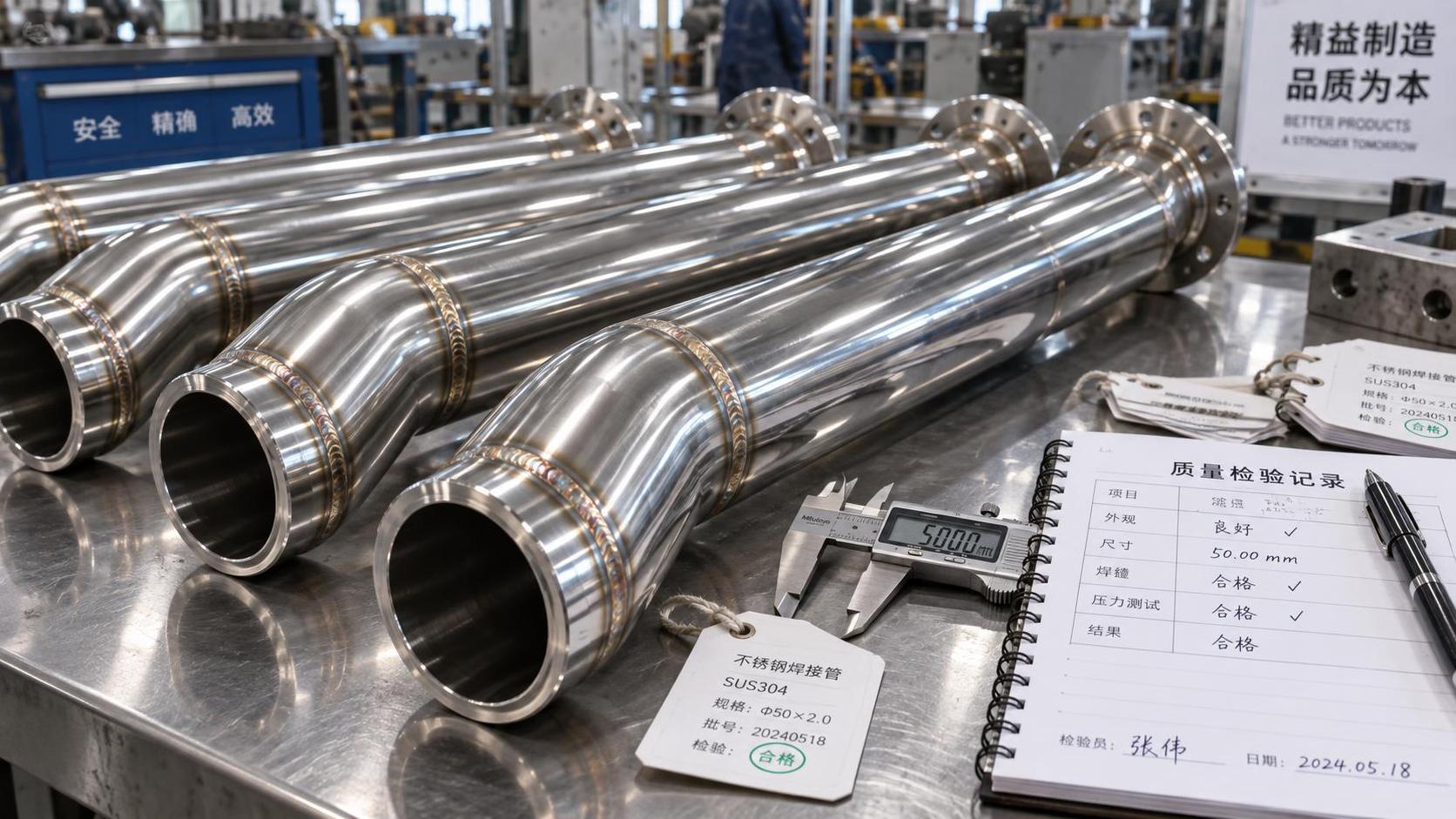
- Stainless Steel Welded Tube Applications: Matching Tube Supply to Fabrication NeedsAuthor :Heavy Industry Strategist

- What Maintenance Do Furnace Components Need After 18 Months?Author :Heavy Industry Strategist

- How to Assess Metal Materials for Thermal Cycling in Power BoilersAuthor :Heavy Industry Strategist

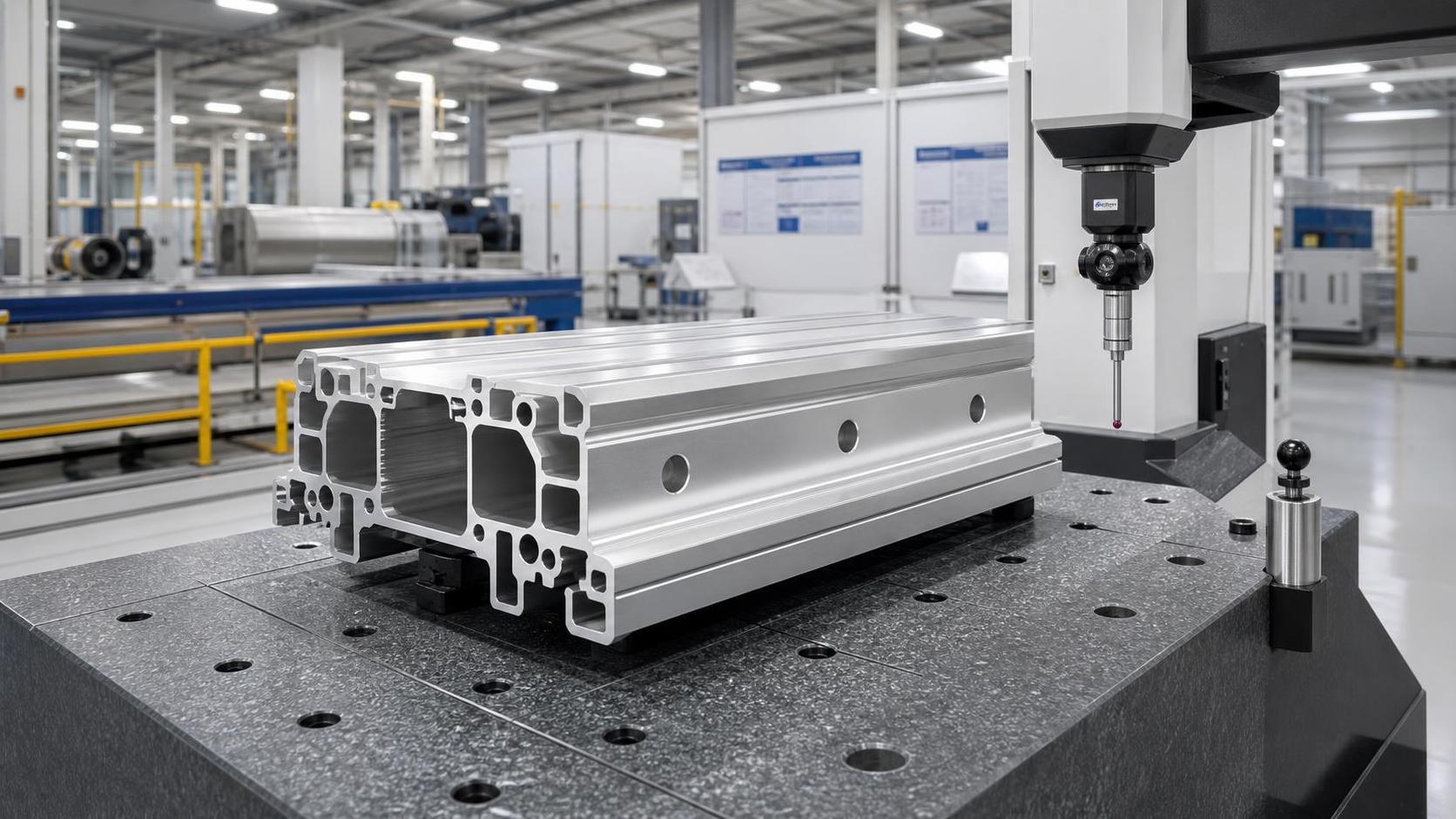
- How to Evaluate Aluminum Extrusion Suppliers for Tight-Tolerance Components?Author :Heavy Industry Strategist

- How to Evaluate a Weld Neck Flange Manufacturer for High-Pressure Pipe ProjectsAuthor :Heavy Industry Strategist

- EU REACH Ban Hits Cr(VI)-Coated Steel ImportsAuthor :Heavy Industry Strategist
-Coated Steel Imports")