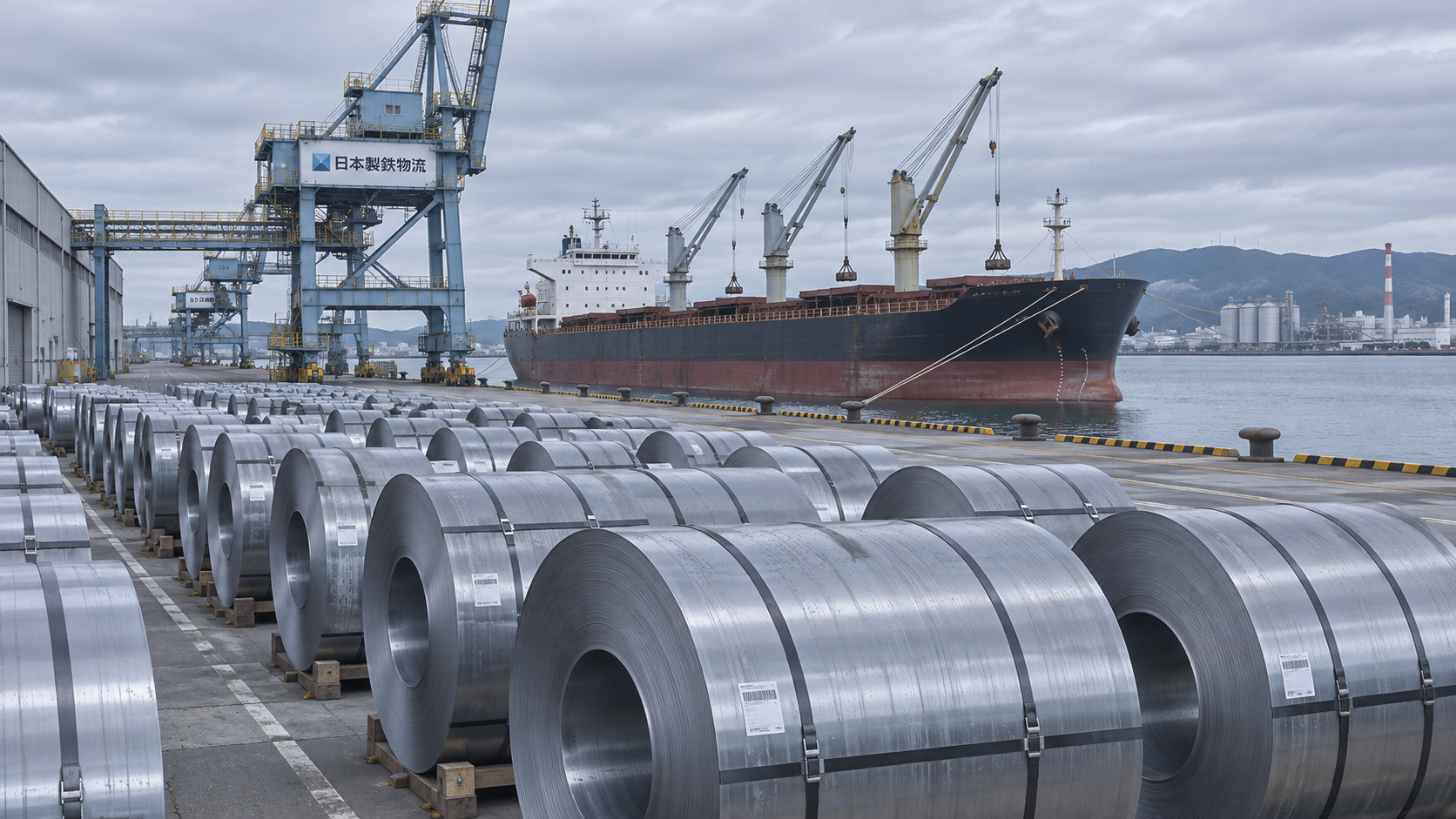
US Steel Prices Hit Four-Year High as Asian Imports Surge
Author
Date Published
Reading Time
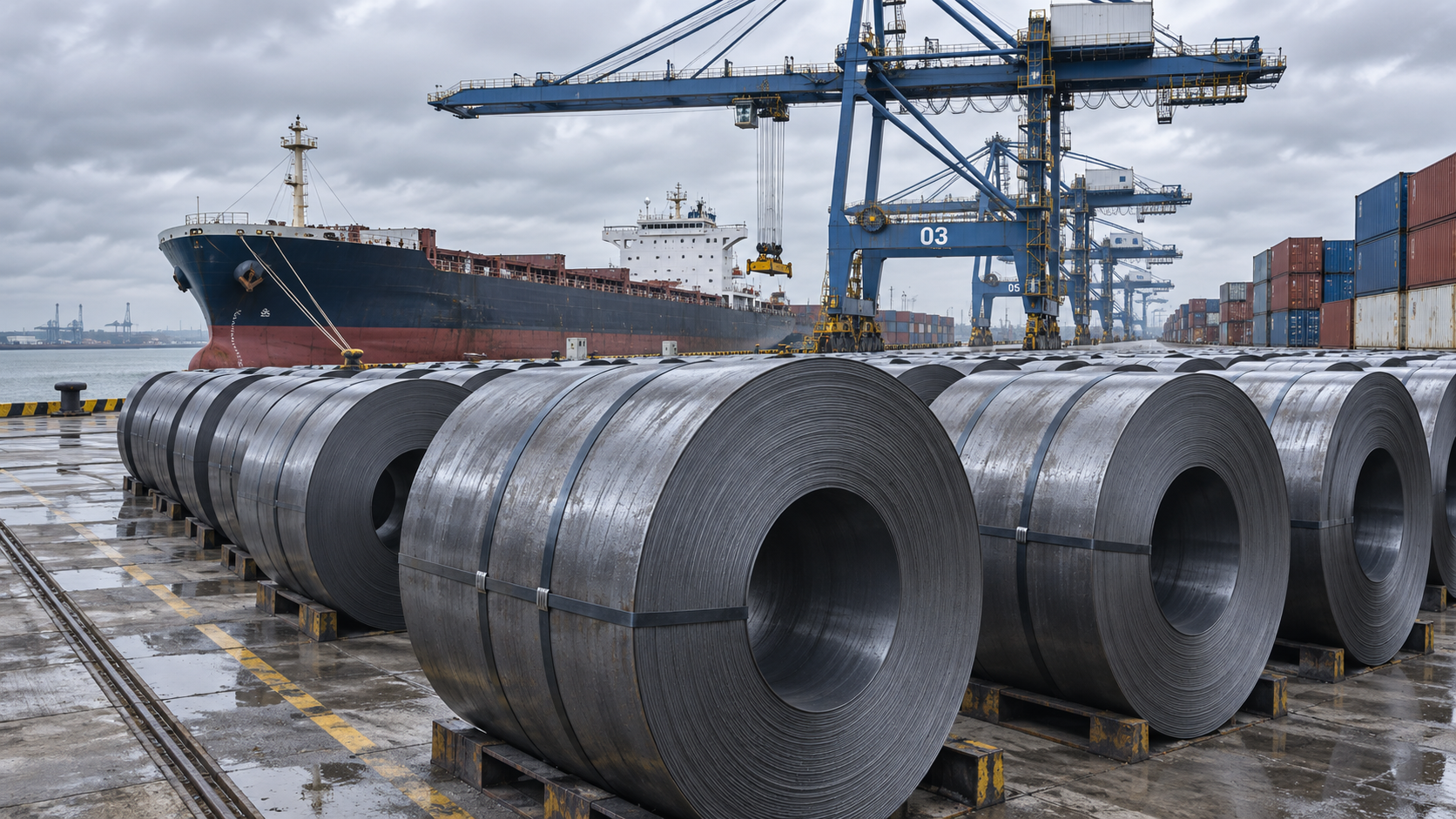
US steel prices have reached their highest level in four years as demand linked to data center construction rises, while substantial volumes of Asian steel continue to enter the market despite tariffs, according to a November 25 report by the Financial Associated Press. The report points to developments this week and an increase in October import applications for steel from Vietnam. For steel buyers, traders and project suppliers, the combination raises practical questions about landed costs, sourcing and delivery under existing trade conditions, although the information provided does not establish a new tariff or other rule change.
Higher US prices coincide with import applications
The Financial Associated Press reported on November 25 that demand from data center construction had pushed US domestic steel prices to their highest level in four years. Nucor raised its ex-works price for hot-rolled coil to $1,330 per short ton, compared with less than $900 a year earlier.
The report also said that large volumes of Asian steel were entering the United States despite tariffs. Applications to import steel from Vietnam in October reached 213,000 tons, up 68% year over year. The information provided refers to import applications for October; it does not state the volume ultimately delivered or specify a year for the report or the October figure.
Where price and trade conditions may affect transactions
Buyers face a wider cost comparison
Analysis suggests that buyers comparing domestic and imported steel may need to examine more than the quoted product price. Nucor's announced figure is an ex-works price for hot-rolled coil; the reported import applications cover steel from Vietnam without identifying the products involved. Those figures therefore do not, on their own, establish a like-for-like delivered cost comparison.
For a buyer, the relevant calculation may include the applicable tariff, transport, handling and any other costs established for the particular transaction. Delivery dates and the suitability of the material for its intended use may also affect the comparison. A lower initial offer would not necessarily produce a lower total cost once those items are considered.
Companies purchasing for data center construction may find this especially relevant because the reported demand comes from that area. The input does not specify which steel products those projects use or how individual contracts are priced, so any effect on a particular project requires checking its own specifications and purchasing terms.
Traders must price the route as well as the material
For importers and trading businesses, the simultaneous presence of tariffs and substantial import activity is a signal to review transaction economics. Analysis suggests that a trader could see an opportunity when US prices rise, but the reported figures do not show the margin available on any shipment or explain why a particular importer applied to bring material into the market.
The practical review may cover the product description, origin information, applicable tariff treatment and documents needed for the transaction. The summary supplies no tariff rate, product classification or detailed execution guidance. Businesses should therefore verify the rules relevant to each proposed shipment rather than infer treatment from the reported rise in applications.
Timing matters as well. An application to import is an indicator of intended activity, while a delivered shipment is the relevant event for a customer waiting for material. Traders and buyers may benefit from keeping those stages separate in forecasts and commitments, particularly when evaluating whether prospective supply can meet a project schedule.
Processors and project suppliers may need firmer commitments
Steel processors, manufacturers and suppliers to construction projects may be exposed to changes in input quotations before they can agree final prices with their customers. That is a possible commercial effect of the reported price level, not an established outcome for every business. Exposure will depend on the material purchased, the timing of orders and the terms of each contract.
From an industry perspective, the handoff between purchasing, processing and delivery deserves attention. A supplier considering an alternative source may need to confirm that the material meets the customer's specifications and that the proposed delivery date fits the production schedule. The report does not identify a new certification requirement or a change in technical standards, so any document or testing review should be tied to the actual contract and product.
Turning the reported price into a procurement decision
Compare equivalent offers
Buyers could start by identifying the product, quantity, pricing basis and delivery point for each offer. The $1,330 figure concerns Nucor's hot-rolled coil on an ex-works basis and should be treated accordingly. It should not automatically be used as the delivered price of another product or supplier.
For an imported offer, a useful assessment would estimate the landed cost using the tariff treatment and logistics charges applicable to that shipment. Because the supplied report does not give those details, the result has to come from the buyer's own verified quotations and transaction records. Comparing offers on a consistent basis may reveal whether an apparent price advantage remains after delivery costs are included.
Check trade documents before making commitments
Importers and their customers may wish to review the product description and origin documents alongside the applicable trade requirements before committing to a purchase. The reported flow of Asian steel despite tariffs does not establish that tariffs were waived, avoided or applied at a particular rate. Nor does it provide enough information to determine the treatment of a specific shipment.
Where an offer depends on a particular tariff assumption, recording that assumption and checking it against authoritative information can help the parties assess the commercial risk. Businesses may also consider how a contract allocates costs if the verified treatment differs from the estimate. These are suggested checks, not additional obligations established by the report.
Align delivery and technical documents
Purchasing teams could compare supplier lead times with the dates required by processors, contractors or end users. The October application figure alone does not establish when material will arrive or become available for a particular order. A delivery plan based on a supplier's confirmed terms is therefore more useful than treating the aggregate application figure as immediately available inventory.
If a buyer considers switching sources, it may also review the applicable specifications, material documentation and any testing or acceptance terms in the customer's order. The supplied information does not identify a change to those requirements. The purpose of the review is to establish whether a proposed substitute fits an existing purchase or project, not to assume that a new standard has been introduced.
Keep price and volume signals distinct
The report brings together a domestic price quotation and an import application figure, but they measure different things. One is an announced ex-works price for a named product; the other is an aggregate application volume for steel from a named country. Companies assessing the market could track both while avoiding a direct comparison that the available detail does not support.
It may also be useful to distinguish an initial quotation from the price ultimately agreed in a contract. The report provides Nucor's announced price, but no transaction-level terms. Buyers and suppliers should use their own offers and agreements to evaluate exposure, rather than assume the announced figure applies to every purchase.
A trade signal, with no new rule established
At this stage, the development is best understood as a market and trade execution signal under tariff conditions, rather than evidence that a new policy has taken effect. The supplied information identifies tariffs as part of the context but does not describe a recent tariff change, an official enforcement decision or revised compliance instructions.
Analysis suggests that the main question is how businesses respond when high US prices and import interest occur together. Further information would be needed to assess which products are involved, what tariff treatment applies to particular shipments, how much of the October application volume is delivered and whether supply reaches buyers when needed. None of those outcomes can be determined from the application figure alone.
Subsequent official trade information, supplier quotations and customer feedback could help participants test their assumptions. Any later rule or enforcement announcement would need to be evaluated on its own terms, including its scope and effective timing, before being incorporated into a transaction plan.
What the figures mean for current decisions
The reported four-year price high and increase in applications for imports from Vietnam give steel buyers and suppliers reason to review both sourcing costs and delivery assumptions. The evidence supports attention to existing tariff conditions; it does not establish a new trade rule or predict the outcome of individual purchases.
A measured response is to compare equivalent offers, verify shipment-specific trade treatment and confirm technical and delivery terms before relying on an alternative source. Market participants can then update those assessments as more information becomes available about actual deliveries and trade execution.
Basis for this report and further verification
This article is based on the user-provided news title, event timing and summary, which attribute the underlying report to the Financial Associated Press on November 25. The supplied timing refers to this week and October but does not identify a year. No specific official source link was provided in the input, so the underlying details and any subsequent developments require continued verification.
Relevant sources for further checks may include official announcements, customs or trade authority information, industry association publications and authoritative media reporting. Areas to follow include any policy details or changes in trade execution, actual import deliveries, market feedback and how businesses apply the relevant terms in their transactions.
Expert Insights

Chief Security Architect
Dr. Thorne specializes in the intersection of structural engineering and digital resilience. He has advised three G7 governments on industrial infrastructure security.
Related Analysis
- Nov 29, 2026Workplace Safety Standards Compliance Checklist: What to ReviewAuthor :Safety Compliance Lead
- Nov 28, 2026Vale Shares Rebound 4.69% as Chinese Steel Demand Remains WeakAuthor :
- Nov 28, 2026Saudi HVDC Corridor Project Includes $725 Million Equipment ContractAuthor :Grid Infrastructure Analyst
Core Sector // 01
Security & Safety
- Vale Shares Rebound 4.69% as Chinese Steel Demand Remains WeakAuthor :

- Expert Calls for China-Australia Cooperation on Low-Carbon SteelAuthor :

- EU Hot-Rolled Coil Prices Rise as Imports Remain Limited and Costs IncreaseAuthor :

- US Steel Prices Hit Four-Year High as Asian Imports SurgeAuthor :

- World Steel Association: Global Crude Steel Output Fell 1.1% in October 2026Author :

- India’s Steel Expansion to 2047 Puts Raw Material Security in FocusAuthor :

- McKinsey: India Needs Up to $400 Billion to Meet Steel Capacity Growth GoalAuthor :

- Japan's Steel Exports Could Fall to Lowest Level Since 1999 in 2026Author :