Expert Calls for China-Australia Cooperation on Low-Carbon Steel
Author
Date Published
Reading Time
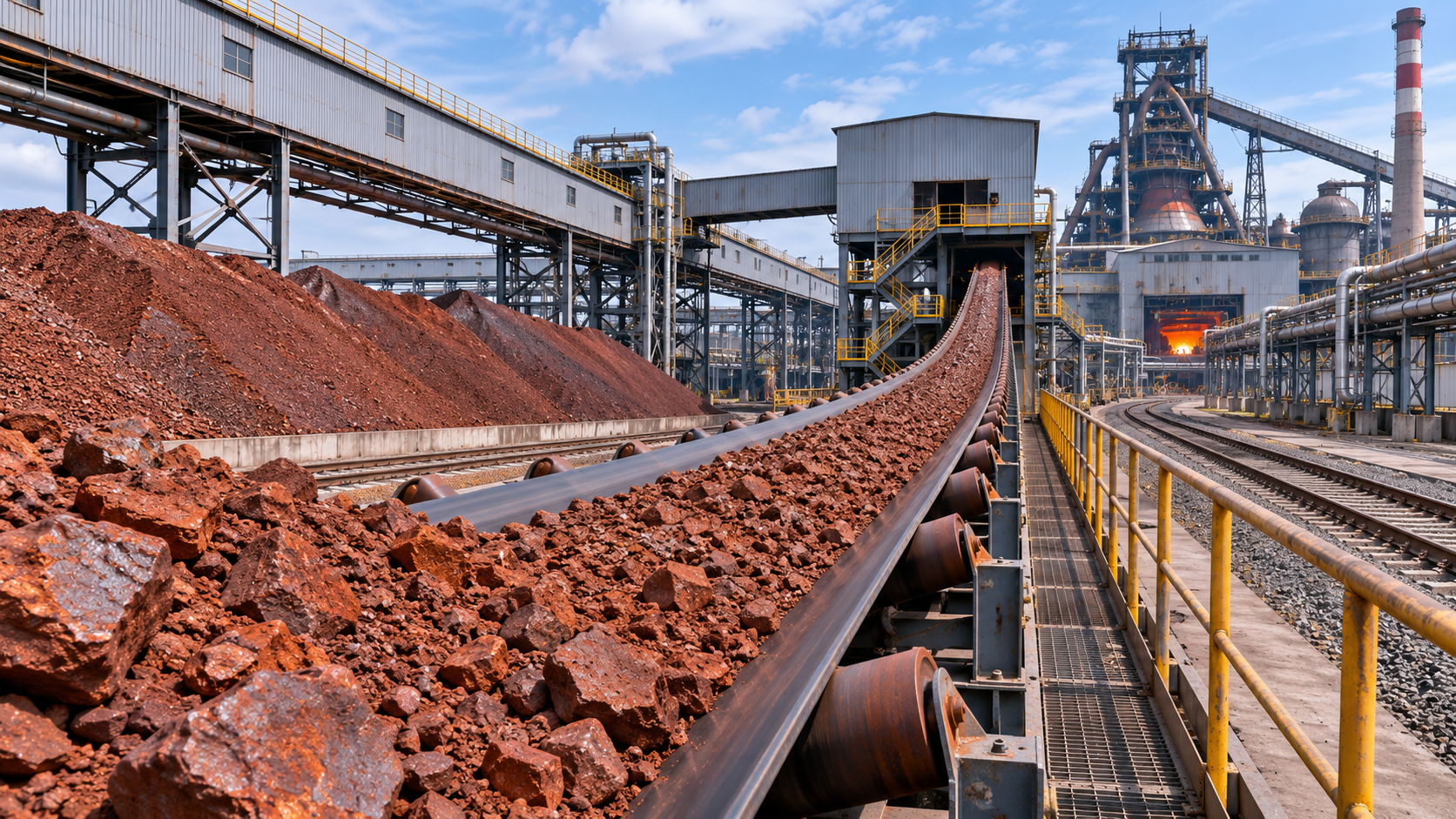
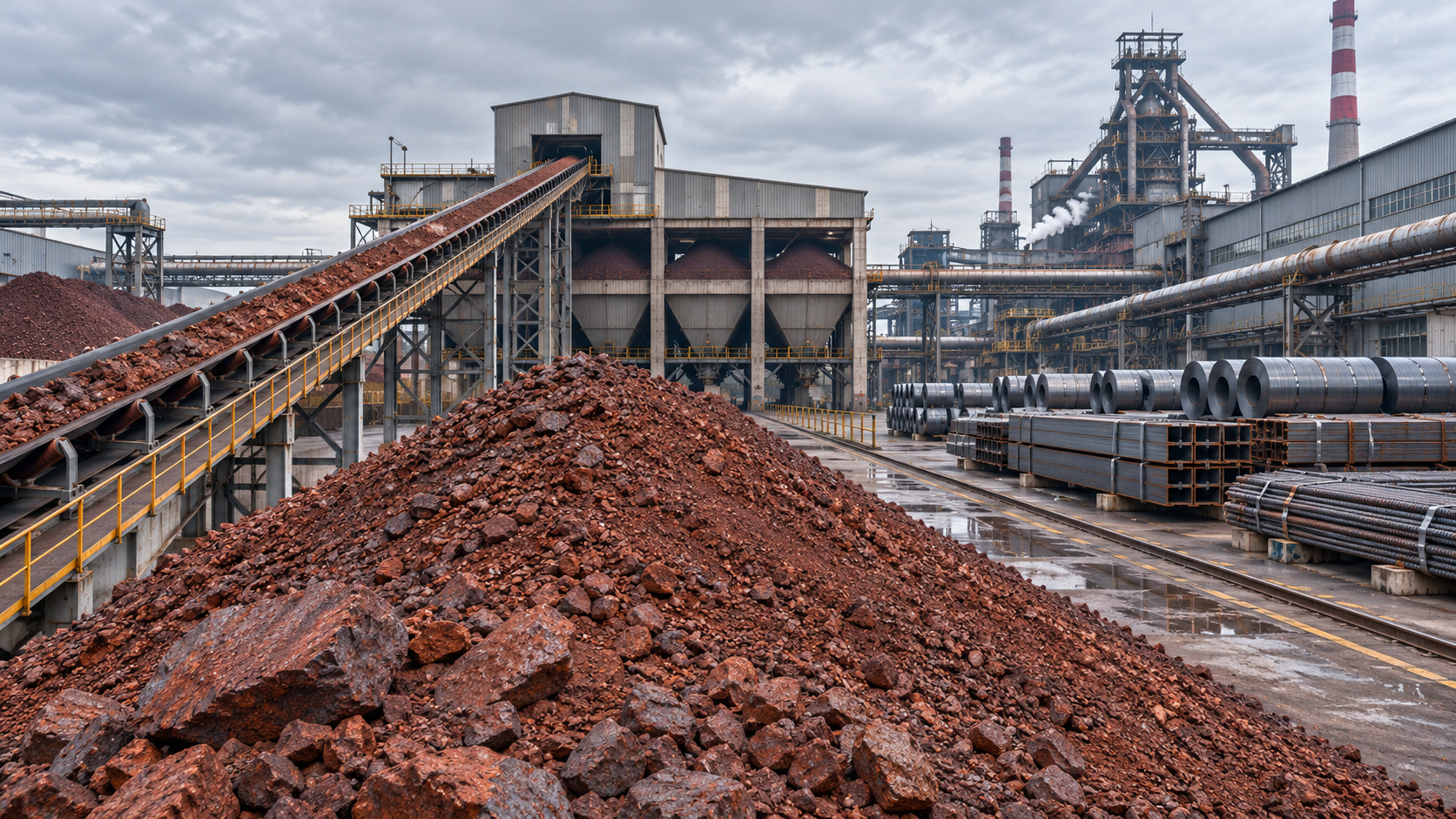
China and Australia should strengthen cooperation on decarbonising Australian iron ore production, University of Queensland professor Christoph Nedopil said at the China-Australia Steel Decarbonisation Dialogue in Guangzhou.
Nedopil said the transition to low-carbon steel faces major challenges and warned that, without closer cooperation, trade relations between the two countries could erode rapidly. His remarks connect emissions in iron ore production with a broader question for the steel supply chain: how suppliers and steelmakers can make progress together when decarbonisation depends on activity across national borders.
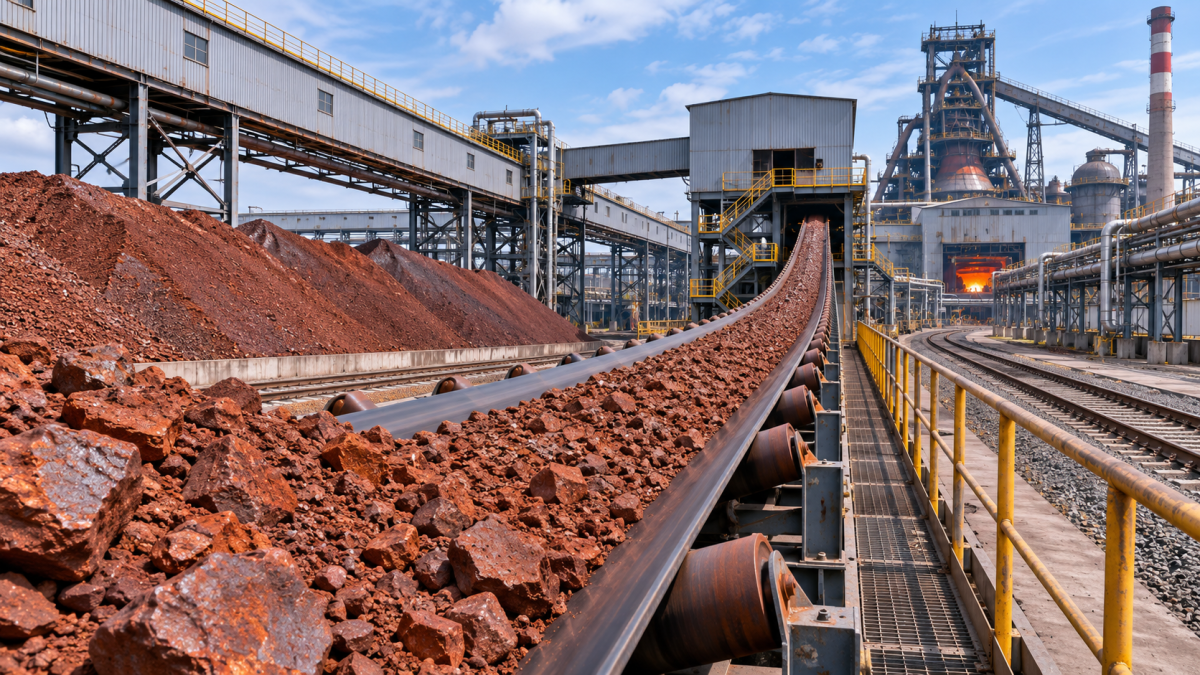
Why iron ore production matters to the discussion
The call places Australian iron ore production within the scope of the low-carbon steel transition. It suggests that the relationship between an iron ore supplier and a steelmaking market may increasingly be considered in terms of production emissions as well as the material being traded.
That connection does not establish what changes either country will make, or when. Nedopil's warning describes a potential risk to trade relations if cooperation is insufficient; it does not establish that trade has already weakened or that a decline is inevitable.
For those involved in iron ore supply and steel production, the immediate question is what cooperation would mean in practice. Discussions could focus on how production emissions are assessed, what reductions are sought and how the parties would coordinate their efforts. The dialogue itself does not establish a particular agreement or course of action.
What to watch next
The impact on trade will depend on whether the call leads to concrete measures and how those measures address the challenges of lowering emissions. Future announcements concerning cooperation, production plans or approaches to measuring emissions could help clarify the direction of the relationship.
For now, the clearest signal is the link Nedopil drew between decarbonisation and the durability of China-Australia trade. The scale and timing of any commercial effects remain dependent on decisions and developments that follow.
Expert Insights

Chief Security Architect
Dr. Thorne specializes in the intersection of structural engineering and digital resilience. He has advised three G7 governments on industrial infrastructure security.
Related Analysis
- Nov 29, 2026Workplace Safety Standards Compliance Checklist: What to ReviewAuthor :Safety Compliance Lead
- Nov 28, 2026Vale Shares Rebound 4.69% as Chinese Steel Demand Remains WeakAuthor :
- Nov 28, 2026Saudi HVDC Corridor Project Includes $725 Million Equipment ContractAuthor :Grid Infrastructure Analyst
Core Sector // 01
Security & Safety
- Vale Shares Rebound 4.69% as Chinese Steel Demand Remains WeakAuthor :

- Expert Calls for China-Australia Cooperation on Low-Carbon SteelAuthor :

- EU Hot-Rolled Coil Prices Rise as Imports Remain Limited and Costs IncreaseAuthor :

- US Steel Prices Hit Four-Year High as Asian Imports SurgeAuthor :

- World Steel Association: Global Crude Steel Output Fell 1.1% in October 2026Author :

- India’s Steel Expansion to 2047 Puts Raw Material Security in FocusAuthor :

- McKinsey: India Needs Up to $400 Billion to Meet Steel Capacity Growth GoalAuthor :

- Japan's Steel Exports Could Fall to Lowest Level Since 1999 in 2026Author :