Saudi HVDC Corridor Project Includes $725 Million Equipment Contract
Author
Date Published
Reading Time
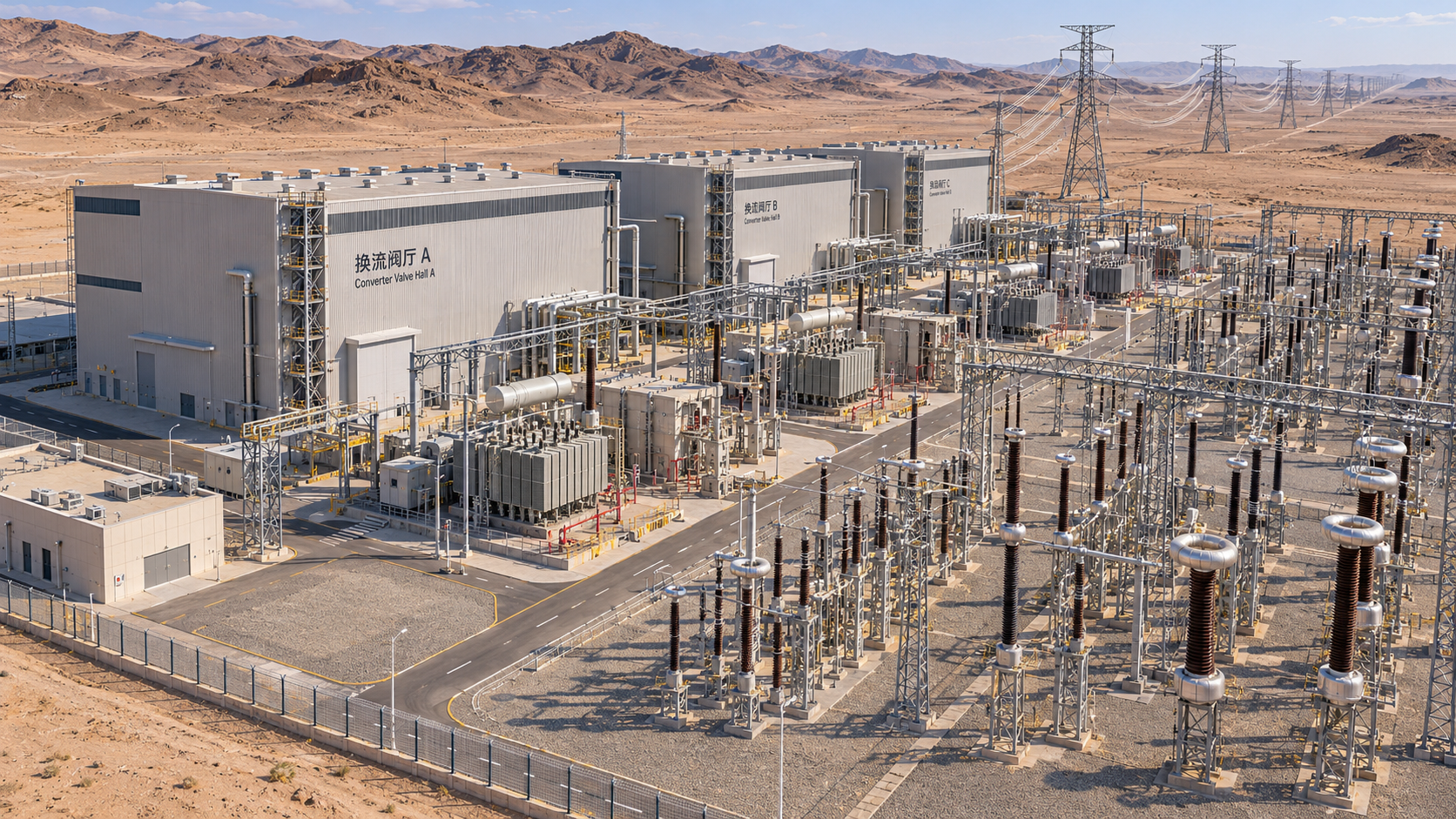
A Saudi high-voltage direct current (HVDC) transmission corridor project is advancing with a $725 million equipment contract covering HVDC converter stations and related transmission and distribution equipment. The project overview encompasses a domestic transmission corridor and an electricity interconnection between Saudi Arabia and Egypt, with the aim of improving regional grid connections and power transfer capacity.
The contract gives the project a procurement and construction dimension: the equipment involved is central to connecting transmission infrastructure and moving electricity across the network. Its value indicates the scale of the stated contract, although the available project description does not establish the total cost of the wider corridor or how the contract value is allocated among its components.
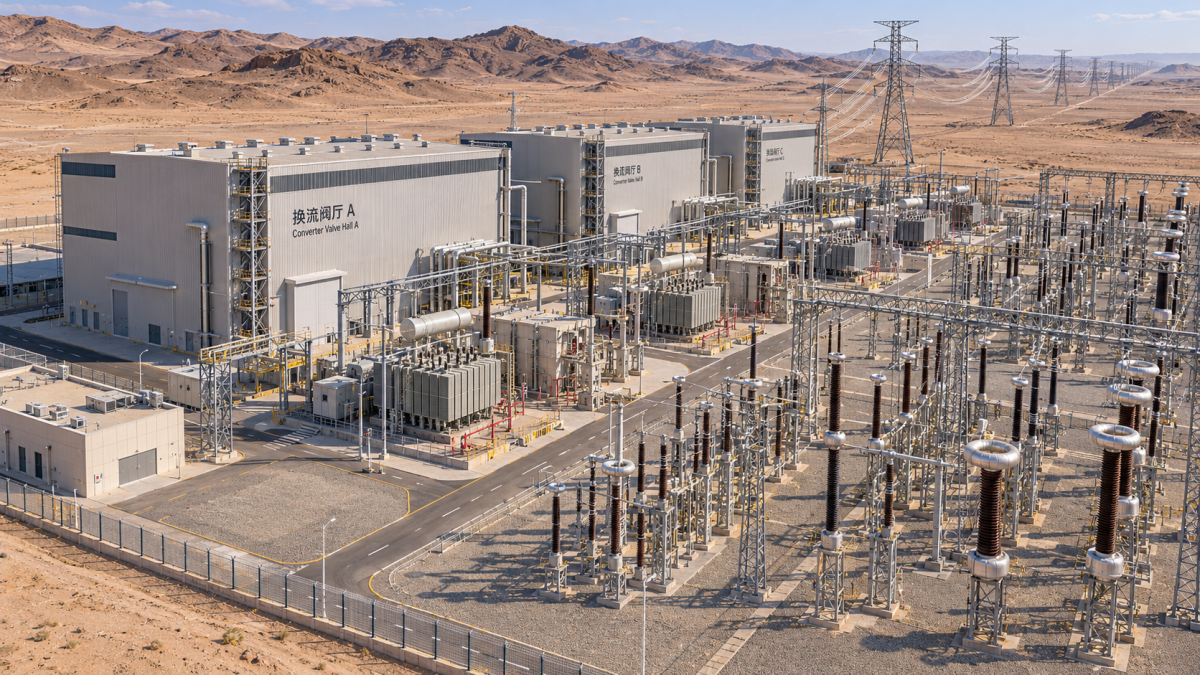
What the equipment contract covers
HVDC converter stations are a central part of the stated equipment scope. They provide the interface between direct current transmission and the alternating current systems to which such links connect. Related transmission and distribution equipment forms part of the broader infrastructure needed to connect and operate the system.
The description encompasses both a domestic corridor and a cross-border connection. These elements share the goal of improving power transfer, but they involve different interfaces: the domestic infrastructure connects points within Saudi Arabia, while the Saudi–Egypt interconnection links power systems across a national border. The information available does not specify how the $725 million contract is divided between those elements.
Where the effects may appear first
The most immediate industry relevance lies in the procurement and construction of converter stations and associated electrical equipment. For suppliers and contractors involved in such work, the practical scope of a contract depends on which equipment is included, how responsibilities are divided and the delivery requirements attached to each component. The stated contract value alone does not establish those details or identify the businesses receiving the work.
As the project progresses, coordination between equipment delivery, site construction and system integration will be relevant to the timetable for bringing infrastructure into use. A converter station's contribution depends on its connection to the wider transmission system, so equipment procurement is one part of a broader delivery process. The project description does not give a schedule for completion or operation.
The prospective effect on electricity flows sits further downstream. Additional transmission and interconnection infrastructure can support power transfers, but the amount and timing of any transfer will depend on the completed system's capabilities and how it is operated. The contract announcement alone does not establish a specific increase in transfer capacity, a change in electricity prices or the volume of power that will move between the two countries.
Details to follow as the project advances
Further project disclosures could clarify the allocation of the equipment contract, the responsibilities for the converter stations and associated infrastructure, and the schedule for delivery and commissioning. Information on the planned capacity and operation of the Saudi–Egypt link would also help distinguish the contract's immediate procurement significance from its eventual effect on cross-border power transfers.
For now, the development links a substantial equipment contract to a project spanning domestic transmission and international interconnection. Its eventual contribution to regional power transfer will depend on how those elements are completed and operated together.
Expert Insights

Chief Security Architect
Dr. Thorne specializes in the intersection of structural engineering and digital resilience. He has advised three G7 governments on industrial infrastructure security.
Related Analysis
- Nov 29, 2026Workplace Safety Standards Compliance Checklist: What to ReviewAuthor :Safety Compliance Lead
- Nov 28, 2026Vale Shares Rebound 4.69% as Chinese Steel Demand Remains WeakAuthor :
- Nov 28, 2026Saudi HVDC Corridor Project Includes $725 Million Equipment ContractAuthor :Grid Infrastructure Analyst
Core Sector // 01
Security & Safety
- Saudi HVDC Corridor Project Includes $725 Million Equipment ContractAuthor :Grid Infrastructure Analyst

- Spain Approves $18.7 Billion Grid Expansion Plan to Accommodate 47 GW of Additional DemandAuthor :Grid Infrastructure Analyst

- KAHRAMAA Awards Semaisma-8 400 kV Substation Contract to El Sewedy CablesAuthor :Grid Infrastructure Analyst

- US Grid Equipment Shortage Could Raise Electricity Bills and Outage Risk, Study WarnsAuthor :Grid Infrastructure Analyst

- GIZ Report Estimates $330 Billion ASEAN Grid Investment Need for 2025–2040Author :Grid Infrastructure Analyst

- Visayas Grid Again Under Red Alert as Power Supply TightensAuthor :Grid Infrastructure Analyst

- World’s First 35 kV IGBT Static Full-Power Generator Enters OperationAuthor :Grid Infrastructure Analyst

- Industrial Automation Drives Ethernet Connector and Transformer Market Outlook to 2035Author :Grid Infrastructure Analyst