EU Hot-Rolled Coil Prices Rise as Imports Remain Limited and Costs Increase
Author
Date Published
Reading Time
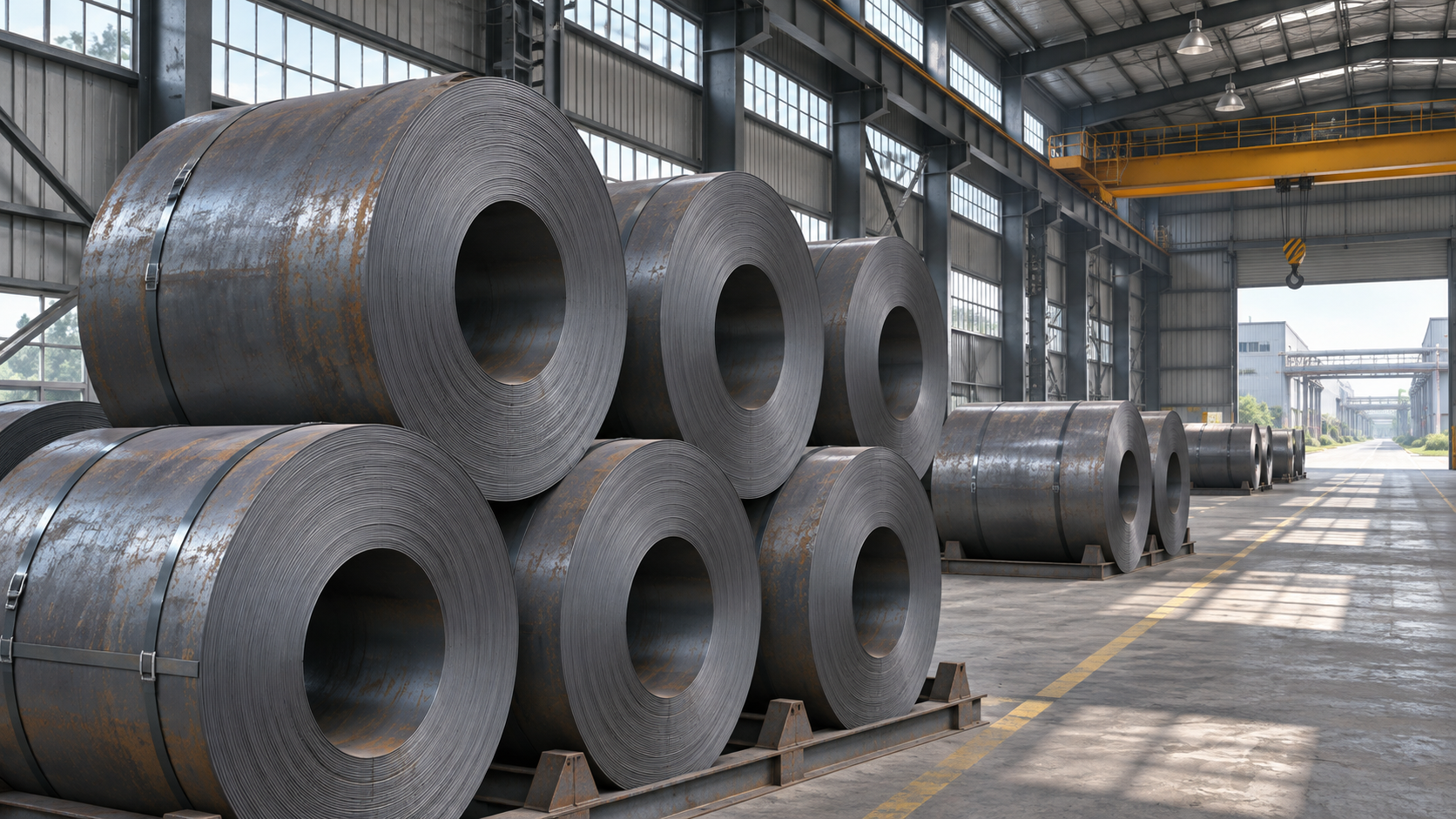
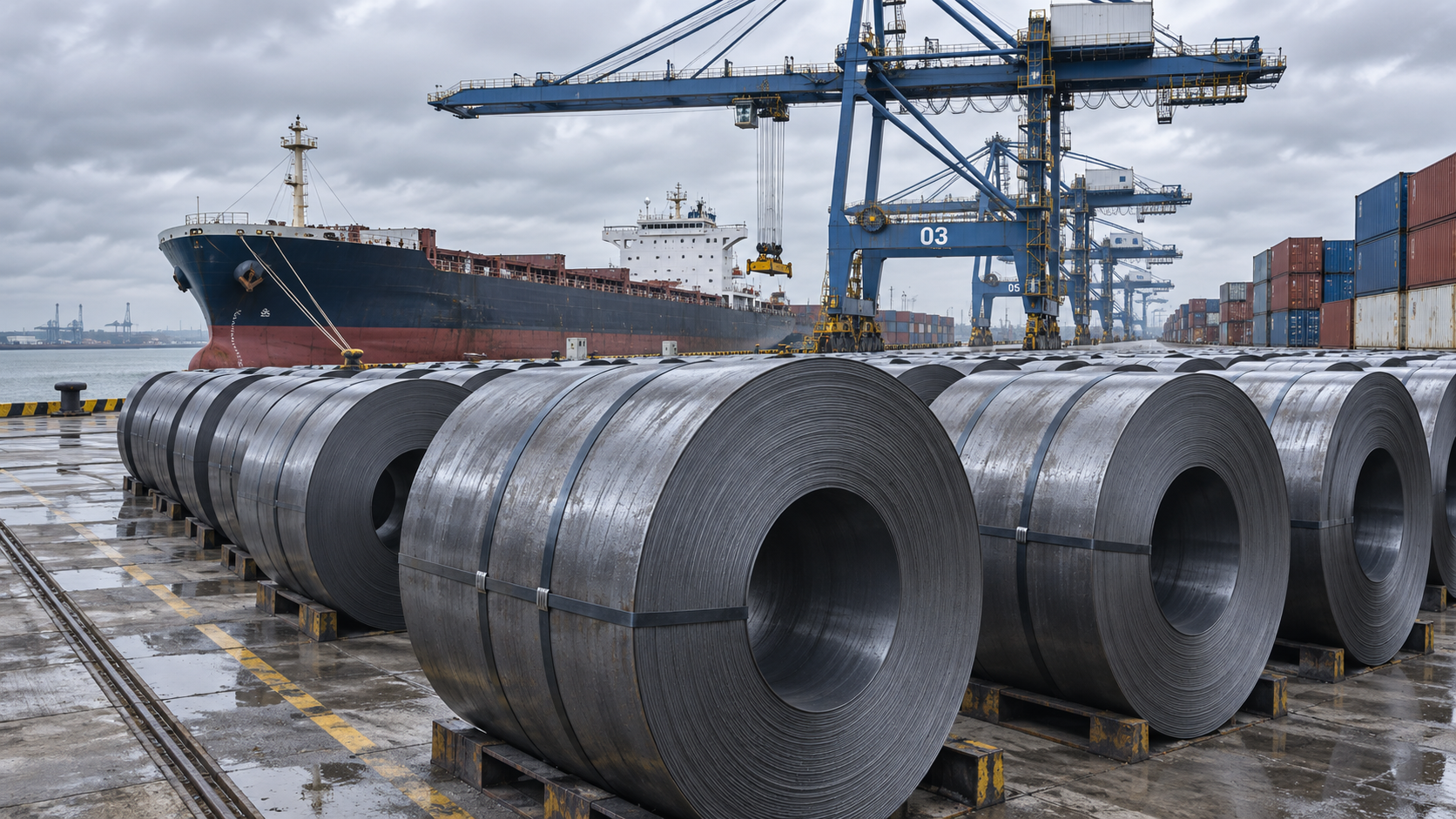
EU hot-rolled coil (HRC) prices are rising as limited imports and increasing production costs coincide with a supply shortfall, according to World Steel Dynamics (WSD). Buyers are facing higher procurement costs in a market where available supply is insufficient to meet demand.
The reported increase reflects pressure from two sides. Limited imports constrain the supply available to buyers, while higher production costs add pressure to prices. Together, these factors help explain why purchasing HRC has become more expensive, although the information reported does not establish how much each factor has contributed to the increase.
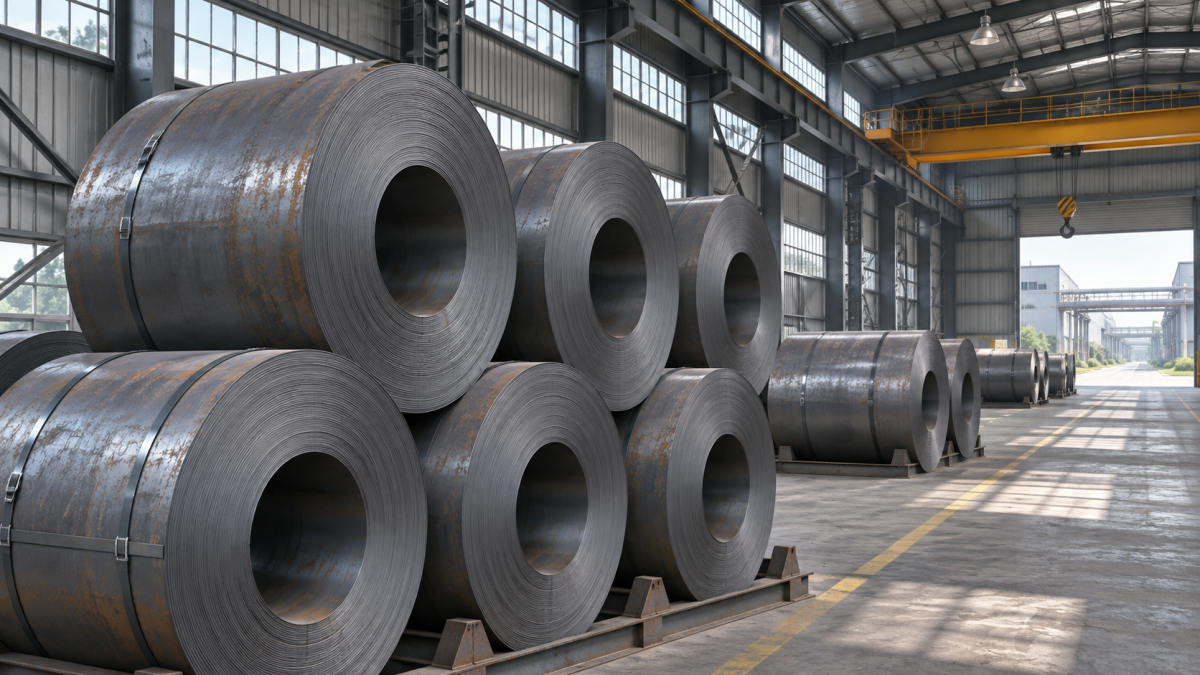
What the supply shortfall means for buyers
For buyers, the immediate effect is higher procurement costs. The supply deficit also makes the availability of material an important consideration alongside price: a buyer assessing a purchase must consider both the cost of HRC and whether the required volume can be obtained.
The effect on an individual buyer will depend on its purchasing arrangements and requirements. Higher market prices do not necessarily translate into an identical increase in every buyer’s costs, and the reported market conditions do not establish how existing purchase agreements are affected.
What could influence the direction of prices
Import availability is one variable to watch. If more imported material becomes available, it could ease some of the supply pressure facing the EU market. The effect on prices would also depend on demand and production costs, so additional imports alone would not necessarily reverse the increase.
Production costs are another consideration. If they continue to rise, they could sustain upward pressure on HRC prices. If cost pressure eases, the effect on the market would still depend in part on whether the supply deficit persists.
The information reported points to a market experiencing both supply and cost pressure, rather than establishing how long either condition will last. Changes in import availability, production costs and the balance between supply and demand will be relevant to assessing whether higher procurement costs persist.
Expert Insights

Chief Security Architect
Dr. Thorne specializes in the intersection of structural engineering and digital resilience. He has advised three G7 governments on industrial infrastructure security.
Related Analysis
- Nov 29, 2026Workplace Safety Standards Compliance Checklist: What to ReviewAuthor :Safety Compliance Lead
- Nov 28, 2026Vale Shares Rebound 4.69% as Chinese Steel Demand Remains WeakAuthor :
- Nov 28, 2026Saudi HVDC Corridor Project Includes $725 Million Equipment ContractAuthor :Grid Infrastructure Analyst
Core Sector // 01
Security & Safety
- Vale Shares Rebound 4.69% as Chinese Steel Demand Remains WeakAuthor :

- Expert Calls for China-Australia Cooperation on Low-Carbon SteelAuthor :

- EU Hot-Rolled Coil Prices Rise as Imports Remain Limited and Costs IncreaseAuthor :

- US Steel Prices Hit Four-Year High as Asian Imports SurgeAuthor :

- World Steel Association: Global Crude Steel Output Fell 1.1% in October 2026Author :

- India’s Steel Expansion to 2047 Puts Raw Material Security in FocusAuthor :

- McKinsey: India Needs Up to $400 Billion to Meet Steel Capacity Growth GoalAuthor :

- Japan's Steel Exports Could Fall to Lowest Level Since 1999 in 2026Author :