Workplace Safety Standards Compliance Checklist: What to Review
Author
Date Published
Reading Time

A workplace safety audit is only as effective as the systems, records, and risks it examines. This safety standards compliance checklist helps quality control professionals and safety managers review hazard assessments, equipment safeguards, training, inspections, and corrective actions without mistaking a complete folder for a safe workplace.
Use the checklist to compare written controls with conditions on the floor. Legal requirements vary by jurisdiction, activity, and facility; the U.S. Occupational Safety and Health Administration (OSHA) references below are examples, not a substitute for identifying the rules that apply to your site.
Set the scope before using the safety standards compliance checklist
Start with a defined site, operation, and review period. Include routine production, maintenance, cleaning, contractors, temporary work, and foreseeable abnormal conditions. A warehouse audit, for example, may miss its most serious exposures if it excludes loading bays or equipment servicing.
Build a requirements register that links each obligation to an owner, evidence, and review date. Check national and local law, permit conditions, contractual requirements, and applicable industry standards. For U.S. operations, distinguish OSHA general industry rules in 29 CFR Part 1910 from construction rules in Part 1926, as applicability depends on the work being performed.
- Legal requirement: Identify the jurisdiction, issuing authority, applicable provision, and affected operation.
- Voluntary standard: Record whether a standard is used as guidance, required by contract, or incorporated into an applicable legal requirement.
- Internal commitment: Include corporate procedures and customer requirements that exceed the legal baseline.
- Change trigger: Reassess applicability when equipment, chemicals, processes, occupancy, or regulations change.
ISO 45001 provides requirements for an occupational health and safety management system; certification to it does not, by itself, establish compliance with every applicable law. Source: International Organization for Standardization, ISO 45001 overview: https://www.iso.org/standard/63787.html.
Review hazards against the work actually performed
Ask workers and supervisors to walk you through a task as it is normally done, then compare their account with the risk assessment and procedure. Pay particular attention to infrequent interventions: clearing jams, changing tooling, isolating utilities, and responding to spills. These are often where routine safeguards are bypassed.
- Identify exposures: Review mechanical, electrical, chemical, physical, ergonomic, and vehicle-related hazards, as well as interactions between simultaneous activities.
- Check who is exposed: Include maintenance personnel, cleaners, contractors, visitors, and workers on different shifts.
- Test the control logic: Examine whether hazards can be eliminated or reduced through substitution and engineering controls before relying on procedures or personal protective equipment (PPE).
- Verify assumptions: Confirm that access, operating conditions, and equipment configurations match those described in the assessment.
- Review change: Check that new materials, altered layouts, and temporary arrangements receive an appropriate risk review before use.
For guidance on selecting controls, see the U.S. National Institute for Occupational Safety and Health hierarchy of controls: https://www.cdc.gov/niosh/hierarchy-of-controls/about/index.html. A risk assessment should explain why the selected controls address the exposure; a numerical risk score alone is not evidence that they work.

Inspect critical controls, not just equipment condition
Select a sample of higher-risk tasks and trace each from the identified hazard to the control, inspection record, and observed practice. The table offers starting points; the applicable technical requirements and inspection intervals must come from the relevant regulations, standards, and equipment documentation.
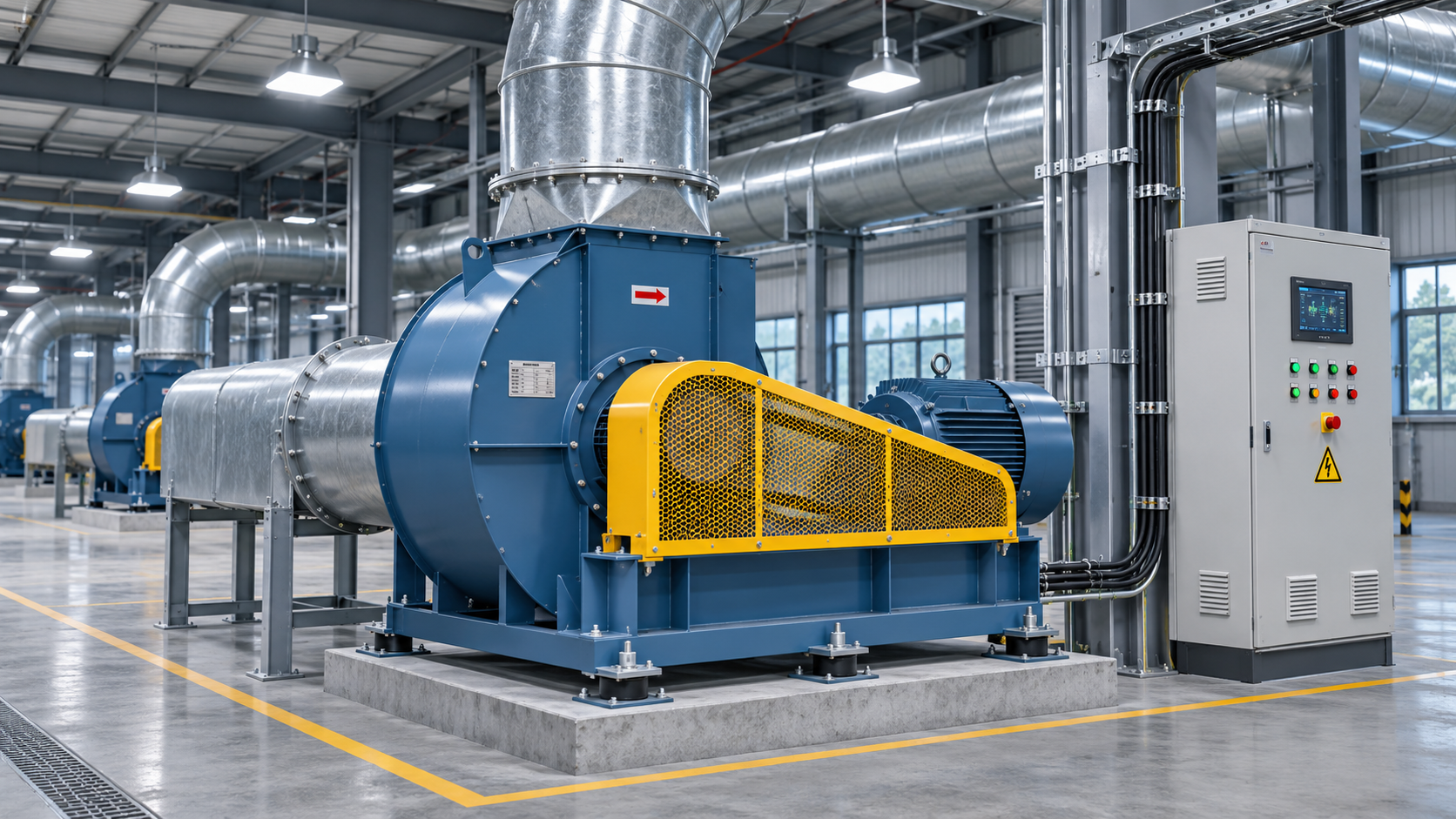
Do not operate a safeguard or interrupt a process merely to complete an audit. Functional testing should be planned and performed by competent, authorized personnel under suitable controls. For U.S. regulatory detail, consult OSHA’s machine guarding requirements at 29 CFR 1910.212 and control of hazardous energy requirements at 29 CFR 1910.147: https://www.osha.gov/laws-regs/regulations/standardnumber/1910/1910.212 and https://www.osha.gov/laws-regs/regulations/standardnumber/1910/1910.147.
Look closely at lockout and servicing
A lockout procedure is useful only if it covers the equipment configuration and the work being done. Check whether isolation points are identifiable, whether stored energy is addressed, and whether the procedure requires verification of isolation before work begins. Sample completed inspections and interview authorized employees about group work, shift changes, and equipment returned to service.
Where OSHA’s hazardous energy standard applies, it contains specific requirements for procedures, training, and periodic inspection, subject to its scope and exceptions. Review the actual provision rather than assuming that a generic lockout form meets every requirement.
Check competence, communication, and worker participation
Training records tell you who attended; they do not necessarily show whether a person can recognize a hazard or carry out a task safely. Match training to job duties and observe a sample of work where it can be done without increasing risk.
- Confirm role coverage: Compare training matrices with current assignments, including temporary workers and contractors.
- Check understanding: Ask workers to explain relevant alarms, isolation boundaries, reporting routes, or emergency actions in their own words.
- Review changes: Check whether altered procedures, equipment, or responsibilities triggered instruction or other communication as required.
- Examine reporting: Look for a practical way to report hazards and near misses, and evidence that reports receive a response.
- Include every shift: Verify that night and weekend teams receive the same critical information and access to controls.
Under OSHA’s hazard communication standard, covered employers have specific obligations concerning chemical information and employee training. Check the standard’s scope and details at https://www.osha.gov/laws-regs/regulations/standardnumber/1910/1910.1200.
Use records as evidence, then validate them in the field
A strong safety standards compliance checklist connects documents to observable conditions. Choose a sample based on risk, recent changes, past findings, and different shifts. Record what was sampled and any limitations; a sample supports a conclusion about the items reviewed, not an automatic finding that the entire site conforms.
- Trace a hazard assessment: Follow one identified hazard through its assigned controls, work instruction, inspection, and worker interview.
- Trace a critical asset: Compare its identification, maintenance history, inspection status, and current configuration.
- Trace a person’s authorization: Match assigned work to required qualifications, training evidence, and observed responsibilities.
- Trace an incident or near miss: Check the investigation, actions, responsible owners, and evidence that corrective measures addressed the cause.
- Trace a change: Select a recent modification and review its approvals, risk assessment, updated documents, and communication.
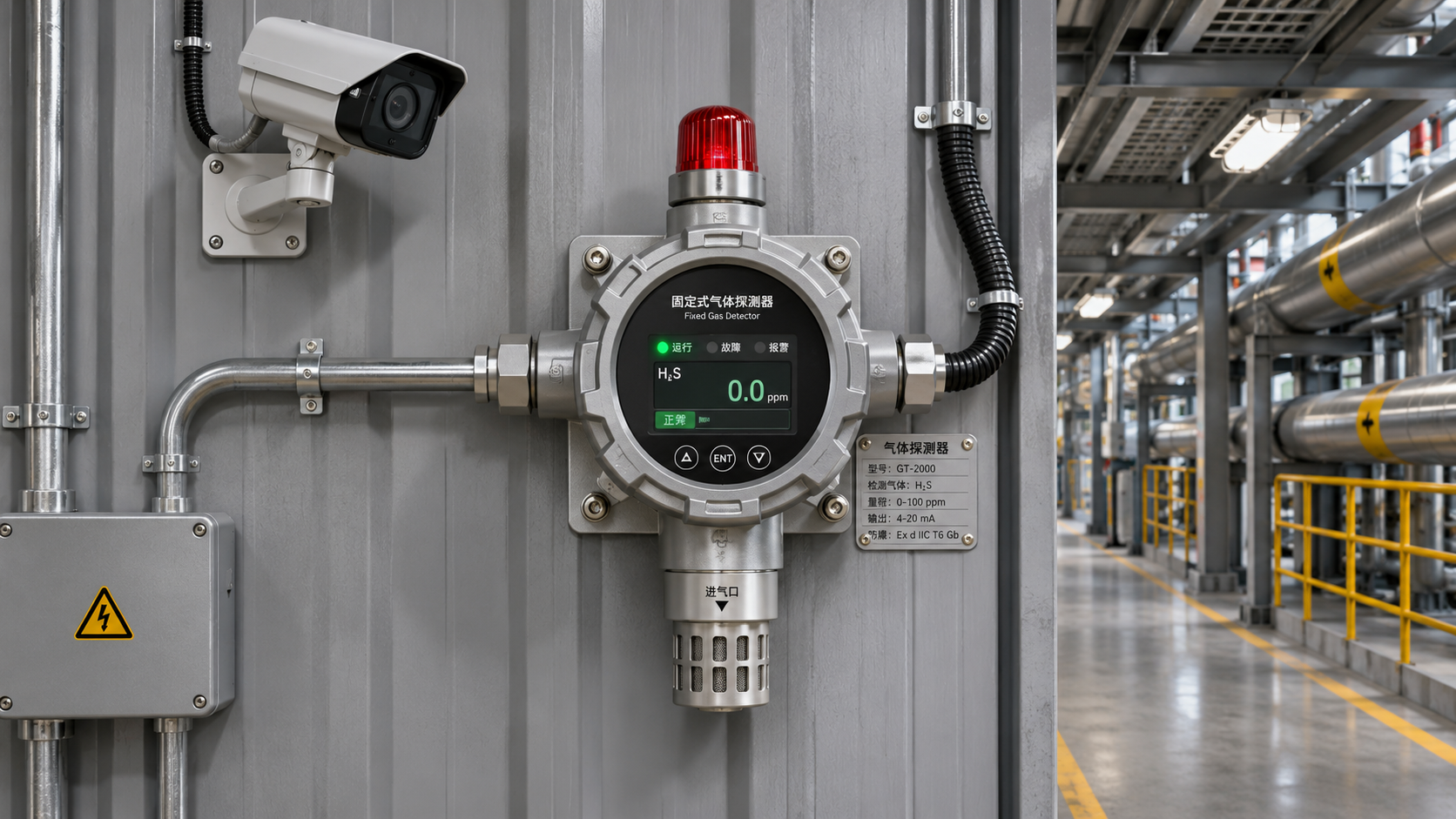
For measurement-dependent controls, review whether instruments are suitable for their intended use and whether calibration or verification status is known. A gas detector with a current label still warrants a check that the device is appropriate for the substances and conditions involved, and that users follow the manufacturer’s instructions and applicable site requirements.
Turn findings into controlled corrective actions
Record the requirement or internal criterion, the factual observation, location, evidence, and potential consequence. Separate a missing record from a failed physical control: both need attention, but they are not the same finding. Avoid assigning a legal violation unless the applicable requirement and circumstances have been verified.
Prioritize actions according to the severity and likelihood of harm, exposure, and the reliability of existing controls. If an imminent or otherwise unacceptable risk is identified, follow the site’s escalation process and take appropriate immediate protective action; do not wait for the final audit report.
- Contain: Define temporary safeguards and who will maintain them.
- Correct: Assign a named owner, due date, and action that addresses the underlying cause.
- Verify implementation: Inspect the completed work and update affected procedures or training.
- Test effectiveness: Revisit the task after implementation to establish whether the control works in normal conditions.
- Escalate overdue items: Document interim risk controls and management decisions until closure.
Closure should be supported by evidence, not simply an email stating that an action is complete. If a guard was redesigned, for example, the closure record might include the revised assessment, installation inspection, and an appropriately controlled functional check.
Frequently asked questions
How often should a workplace safety compliance review be conducted?
Set a schedule based on applicable legal requirements, risk, operational change, and prior performance. Some specific inspections have prescribed intervals; a general annual review does not replace them. Revisit affected controls after significant changes, incidents, or evidence of control failure.
Does ISO 45001 certification replace an OSHA inspection?
No. ISO 45001 certification concerns an organization’s occupational health and safety management system. OSHA enforcement and compliance determinations are separate matters, and the applicable legal duties remain in force.
What should an auditor do when a document and site practice conflict?
Document both observations, assess the immediate risk, and determine whether the written control, the practice, or both require correction. Interview the people involved before concluding why the discrepancy occurred, then verify that the chosen action is effective.
Expert Insights

Chief Security Architect
Dr. Thorne specializes in the intersection of structural engineering and digital resilience. He has advised three G7 governments on industrial infrastructure security.
Related Analysis
- Nov 29, 2026Workplace Safety Standards Compliance Checklist: What to ReviewAuthor :Safety Compliance Lead
- Nov 28, 2026Vale Shares Rebound 4.69% as Chinese Steel Demand Remains WeakAuthor :
- Nov 28, 2026Saudi HVDC Corridor Project Includes $725 Million Equipment ContractAuthor :Grid Infrastructure Analyst
Core Sector // 01
Security & Safety
- Workplace Safety Standards Compliance Checklist: What to ReviewAuthor :Safety Compliance Lead

- Choosing a 10kVA UPS: How to Assess Load Capacity and RuntimeAuthor :Safety Compliance Lead

- Security and Safety Equipment Standards: How to Identify Applicable RequirementsAuthor :Safety Compliance Lead

- Global Sourcing of Industrial Equipment: A Supplier Vetting ChecklistAuthor :Safety Compliance Lead

- Product Category Insights for Sourcing: Assessing Cost and Supply RiskAuthor :Safety Compliance Lead

- Machinery Components Sourcing: How to Evaluate Suppliers and Lead TimesAuthor :Safety Compliance Lead

- Industrial Supplier Insights: Assessing Capacity, Lead Times and RiskAuthor :Safety Compliance Lead

- Facility Upgrade Solutions: Prioritizing Safety and Energy ImprovementsAuthor :Safety Compliance Lead