Security & Safety Solutions for Sites With High Access Risk
Author
Date Published
Reading Time
For project managers and engineering leads overseeing high-risk access environments, choosing the right Security & Safety solutions is critical to preventing incidents, ensuring compliance, and maintaining operational continuity. From perimeter control to worker protection and emergency response, effective strategies must balance risk reduction with efficiency, helping teams secure complex sites without compromising productivity or regulatory standards.
Why high-access-risk sites demand a different Security & Safety strategy
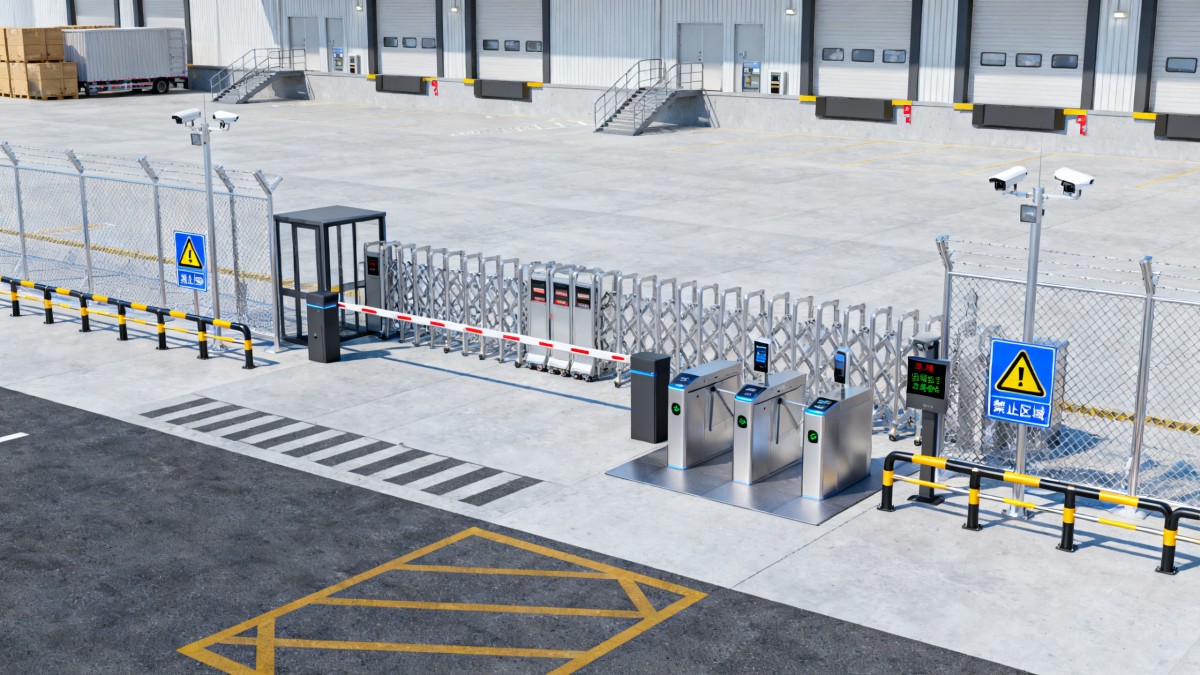
Not every industrial site faces the same exposure. A logistics yard with multiple vehicle gates, a utility substation with restricted zones, a chemical storage area with contractor turnover, and a large EPC construction site all share one challenge: access risk multiplies when people, vehicles, equipment, and temporary workflows overlap. In these environments, Security & Safety solutions cannot be limited to guards at the gate or a few warning signs.
Project managers usually carry the operational burden. They must keep schedules moving, satisfy owner requirements, protect workers, control unauthorized entry, and document compliance for audits. When the access model is weak, the result is not only theft or trespass. It can also mean unsafe contractor movement, untracked visitors, emergency delays, permit violations, and exposure to liability.
Strong Security & Safety solutions in high-risk sites are built around layered control. The goal is simple: verify who enters, define where they can go, reduce conflict between people and hazards, and enable a rapid, documented response if something goes wrong.
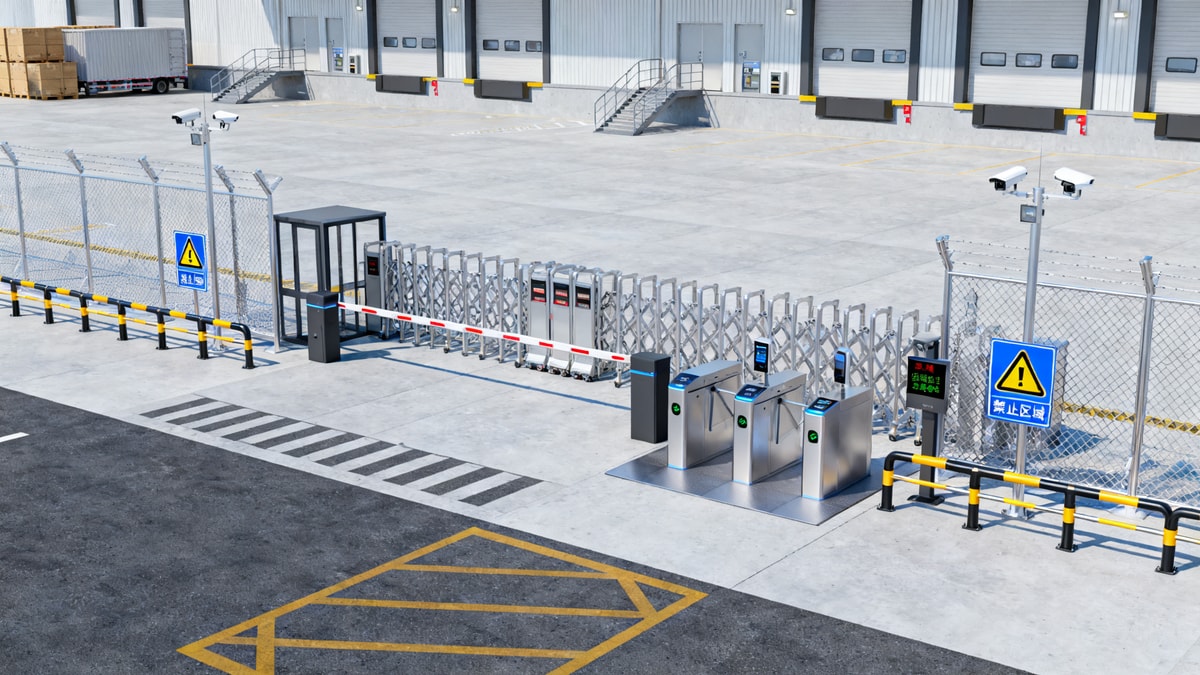
- Perimeter security reduces unauthorized physical access through fencing, barriers, gates, surveillance, and intrusion detection.
- Operational safety control manages worker movement with zoning, permit-to-work rules, signage, PPE checkpoints, and access credentials.
- Emergency readiness ensures alarms, muster procedures, communication, and evacuation routes remain effective under real site conditions.
Which site conditions increase access risk the most?
Many teams underestimate risk because they assess access only at the main entrance. In practice, exposure increases across the entire site lifecycle, especially during shutdowns, expansions, contractor mobilization, and mixed-use operations. Security & Safety solutions should therefore be selected based on site dynamics, not just facility category.
Common high-risk triggers
- High contractor turnover, where many short-term workers require fast onboarding and role-based access control.
- Multiple entry points, including pedestrian gates, loading zones, maintenance doors, and temporary construction openings.
- Hazardous areas that require competency verification before entry, such as energized rooms, confined spaces, elevated work zones, or chemical storage sections.
- Shared industrial campuses where several contractors, operators, and logistics providers move through the same infrastructure.
- Remote or exposed locations where low staffing, poor visibility, and delayed emergency response elevate consequences.
When these triggers combine, site leaders need more than isolated products. They need integrated Security & Safety solutions that connect access control, surveillance, worker authorization, communication, and incident records into one manageable workflow.
How to compare Security & Safety solutions by site scenario
The table below helps project managers compare Security & Safety solutions according to practical site conditions rather than generic product categories. This approach is useful during pre-bid planning, scope definition, and procurement review.
The key takeaway is that site layout, workforce profile, and hazard level should drive selection. A uniform package rarely performs well across all zones. Better results come from matching controls to risk concentration points and then linking them through a central response process.
What project managers should evaluate before procurement
Procurement decisions often fail when teams compare hardware line by line without checking operational fit. For high-access-risk projects, Security & Safety solutions should be assessed across technical, compliance, and deployment criteria. This is where a sourcing-focused intelligence partner like Global Industrial Core can add value by helping buyers filter options through real industrial conditions rather than marketing claims.
Five evaluation dimensions that matter most
- Access logic: Define whether control is identity-based, zone-based, time-based, permit-based, or a combination. High-risk sites often require all four.
- Environmental durability: Verify whether equipment can tolerate dust, vibration, moisture, heat, corrosion, or unstable power conditions typical of industrial settings.
- Integration path: Check whether the solution can connect with CCTV, alarms, visitor logs, workforce systems, and emergency communication platforms.
- Compliance support: Confirm document availability for applicable CE, UL, ISO, or other project-required standards and ensure installation practices align with site regulations.
- Serviceability and delivery: Review lead time, spare parts access, commissioning needs, and training requirements before final award.
For engineering leads, the practical question is not “Which system has more features?” It is “Which system keeps the site controllable under real operating pressure?” That shift in perspective prevents costly overbuying in low-risk areas and dangerous under-protection in critical zones.
Security & Safety solutions selection matrix for industrial procurement
The following selection matrix is designed for procurement teams comparing different Security & Safety solutions across budget, complexity, and compliance expectations. It can be adapted into tender scoring or internal technical review.
This comparison does not mean every site needs the most advanced package. It means risk exposure, audit pressure, and operational scale should justify the investment level. In many projects, the best answer is a phased deployment that protects critical areas first, then expands as site activity increases.
How standards and compliance influence solution choice
Compliance is often where projects lose time. Equipment may appear suitable, but missing documentation, unclear installation requirements, or weak traceability can delay approvals. Security & Safety solutions for industrial sites should be reviewed against both product standards and site operating procedures.
Typical compliance checkpoints
- Electrical and electronic components should be checked for relevant conformity marks and project-specific acceptance criteria.
- Emergency egress, access control fail-safe logic, and alarm behavior should align with fire and life-safety expectations defined by the facility or jurisdiction.
- Worker authorization processes should support documented inductions, training evidence, and permit-linked entry where applicable.
- Incident recording and visitor logs should be auditable and easy to retrieve during owner review or incident investigation.
Global Industrial Core supports buyers by organizing sourcing intelligence around compliance realism. That matters when project teams need to compare not just technical claims, but also documentation readiness, deployment risk, and long-term maintainability across international supply chains.
Implementation roadmap: from risk mapping to site rollout
Even well-selected Security & Safety solutions can underperform if rollout is rushed. High-access-risk sites need a staged implementation path that reflects construction sequencing, operational constraints, and emergency readiness.
Recommended rollout sequence
- Map access points, hazard zones, contractor flows, and evacuation routes. Build the control strategy around actual movement patterns.
- Classify users by role, clearance level, and work permit needs. Avoid broad access rights that create hidden exposure.
- Prioritize critical zones first, such as energized areas, confined space access, high-value storage, and central process controls.
- Test response logic before full go-live, including denied-entry events, alarm escalation, communication pathways, and emergency unlock functions.
- Train supervisors, guards, contractors, and maintenance staff using site-specific procedures rather than generic vendor manuals.
This roadmap helps reduce one of the most common project risks: buying a technically sound system that users cannot operate consistently. Implementation should always be treated as part of the solution, not a separate afterthought.
Cost questions, trade-offs, and common mistakes
Budget pressure is real, especially when security, safety, and production all compete for capital. But low initial cost can become expensive if it creates rework, manual administration, or incident exposure. Project managers should compare total operational impact, not only purchase price.
Common mistakes in Security & Safety solutions procurement
- Choosing separate systems that cannot share data, forcing teams to reconcile incidents manually across logs, cameras, and visitor records.
- Specifying controls based only on daytime operation, while overlooking night shifts, maintenance windows, or shutdown events.
- Ignoring environmental suitability, which leads to premature failure in dusty, corrosive, or vibration-prone areas.
- Underestimating onboarding time for temporary workers, causing queues, unsafe bypass behavior, and lost productivity at entry points.
- Failing to define ownership between HSE, security, operations, and procurement, which weakens accountability during incidents.
A practical cost-saving strategy is phased integration. Start with the highest-consequence areas, use interoperable components, and keep expansion paths open. This avoids stranded investment while improving control where it matters most.
FAQ: what buyers ask before committing to Security & Safety solutions
How do I know whether my site needs integrated or basic Security & Safety solutions?
If your site has multiple contractors, restricted process zones, more than one active entry point, or frequent audit demands, integrated controls usually provide stronger value. Basic systems may be enough for low-complexity facilities with stable personnel and limited hazard separation needs.
What should be prioritized first when budget is limited?
Prioritize critical entry points, hazardous zones, and emergency response continuity. In many industrial settings, the first investment should cover controlled access, reliable surveillance at risk nodes, and clear worker authorization processes. Cosmetic upgrades can wait; exposure control cannot.
How long does deployment usually take?
Timing depends on scope, civil readiness, integration depth, and documentation flow. A simple gate and monitoring package may move relatively quickly, while a multi-zone access and safety coordination system requires more planning, testing, and training. Buyers should confirm lead times for hardware, commissioning support, and approval documents early.
Which documents should procurement request from suppliers?
Request technical datasheets, installation requirements, operating logic descriptions, applicable conformity documents, maintenance guidance, and any project-specific compatibility notes. For high-risk sites, also ask how the solution handles fail-safe conditions, backup power behavior, and audit trail retention.
Why work with Global Industrial Core on high-risk site planning
Global Industrial Core helps project managers and engineering decision-makers move beyond broad product searches. Our focus is the operational foundation of industry: the systems that protect people, assets, compliance status, and uptime. For buyers evaluating Security & Safety solutions, that means access to structured sourcing intelligence built around industrial risk, not generic catalog language.
We support decision-making where it matters most: matching site conditions to solution architecture, clarifying procurement criteria, identifying practical compliance considerations, and narrowing options for complex industrial environments. This is especially valuable for EPC teams, facility managers, and procurement directors working across multi-vendor supply chains and high-consequence project schedules.
Contact us for practical next-step support
If you are reviewing Security & Safety solutions for a high-access-risk site, contact Global Industrial Core to discuss parameter confirmation, product selection logic, delivery timelines, integration scope, documentation expectations, sample support, and quotation alignment. We can help you frame the right questions before tendering, compare fit-for-purpose options, and reduce uncertainty in projects where access control and worker safety must perform together from day one.
Technical Specifications
- US DOE Level 3 Transformer Efficiency Rule Takes Effect July 1, 2026Author :Grid Infrastructure Analyst
- INMETRO Proposes EMP Immunity Requirement for Industrial Laser Distance Meters in BrazilAuthor :Precision Metrology Expert
- Indonesia BPOM Fast-Tracks Chinese Industrial Air PurifiersAuthor :Environmental Engineering Director
Expert Insights

Chief Security Architect
Dr. Thorne specializes in the intersection of structural engineering and digital resilience. He has advised three G7 governments on industrial infrastructure security.
Related Analysis
- May 05, 2026US DOE Level 3 Transformer Efficiency Rule Takes Effect July 1, 2026Author :Grid Infrastructure Analyst
- May 05, 2026INMETRO Proposes EMP Immunity Requirement for Industrial Laser Distance Meters in BrazilAuthor :Precision Metrology Expert
- May 05, 2026Indonesia BPOM Fast-Tracks Chinese Industrial Air PurifiersAuthor :Environmental Engineering Director
Core Sector // 01
Security & Safety
- DIN SPEC 91492:2026 Released: Safety Light Curtains Must Support Dynamic PL Elevation for Human-Robot CollaborationAuthor :Safety Compliance Lead

- Security & Safety Standards That Often Get Missed in Expansion ProjectsAuthor :Safety Compliance Lead

- Facility Management Standards That Matter Most in Daily OperationsAuthor :Safety Compliance Lead

- Security & Safety Solutions for Sites With High Access RiskAuthor :Safety Compliance Lead

- Facility Management Solutions Provider: What Fails First on Site?Author :Safety Compliance Lead

- DIN EN ISO 13849-1:2026 Effective: PLd Dynamic Response for Safety Light CurtainsAuthor :Safety Compliance Lead

- Security & Safety supplier red flags before long-term contractsAuthor :Safety Compliance Lead

- How to read a Security & Safety price without missing riskAuthor :Safety Compliance Lead