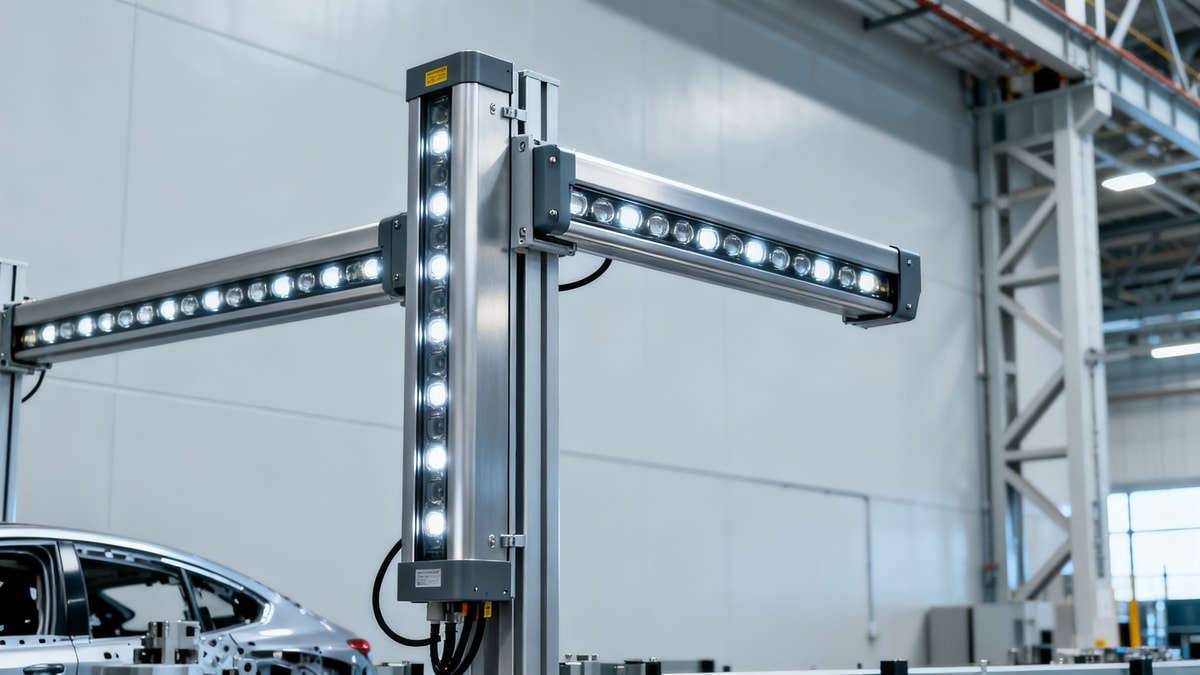
DIN SPEC 91492:2026 Released: Safety Light Curtains Must Support Dynamic PL Elevation for Human-Robot Collaboration
Author
Date Published
Reading Time
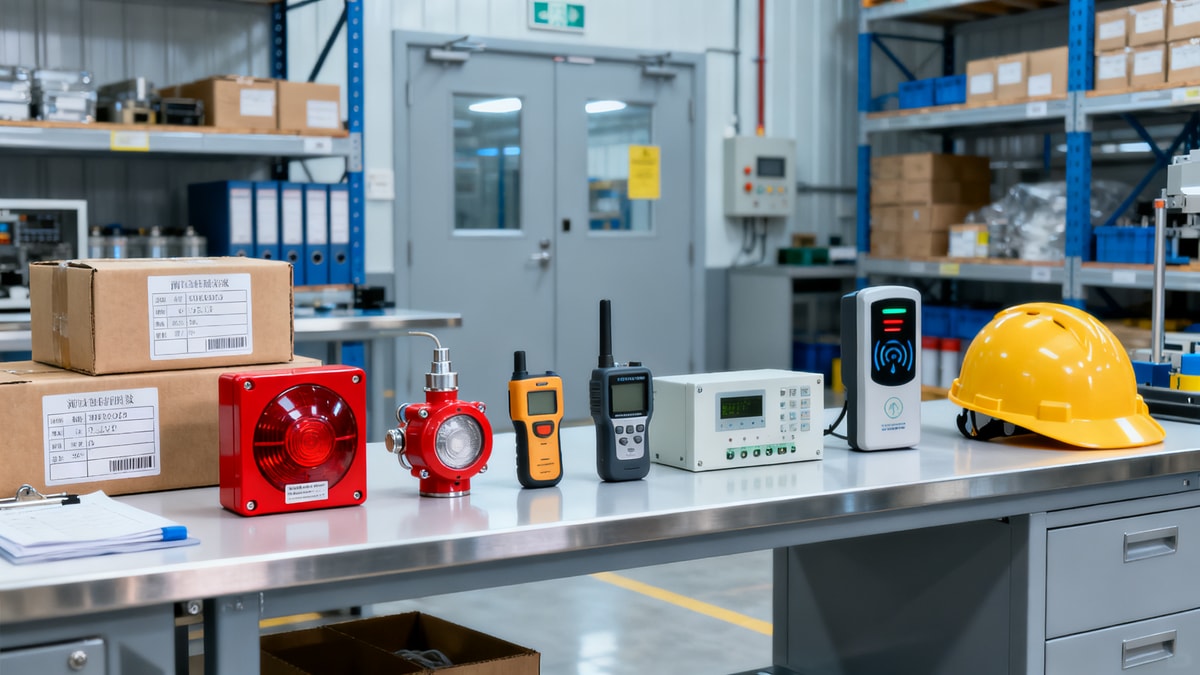
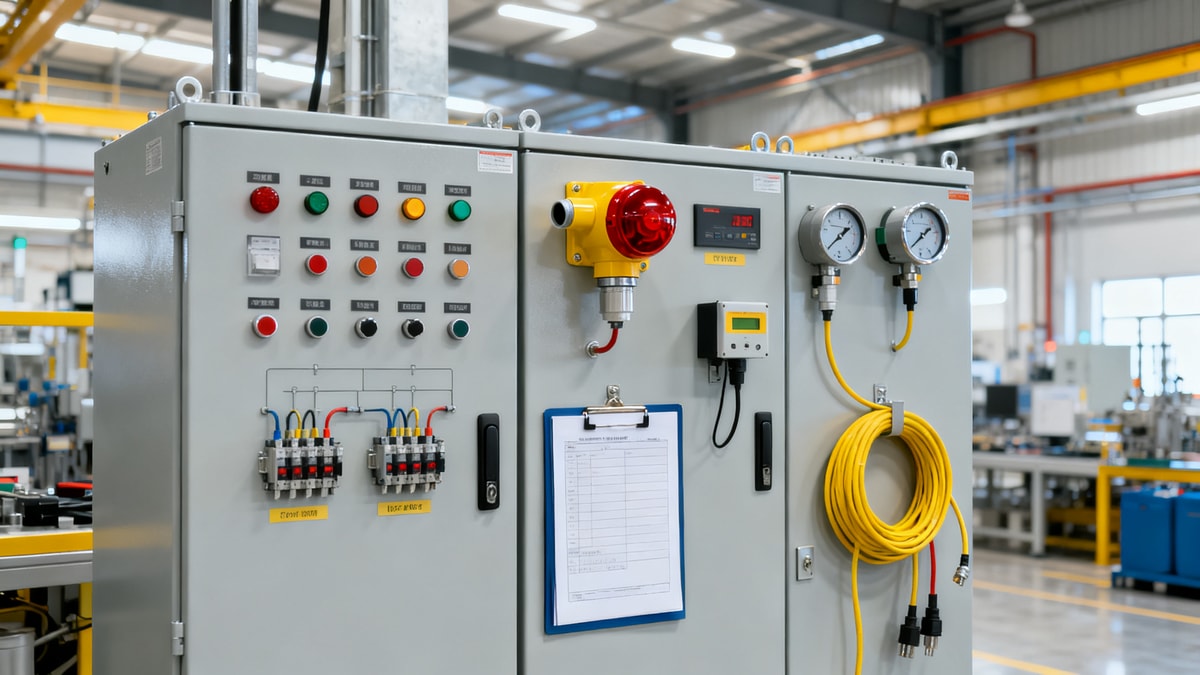
On May 4, 2026, the German Institute for Standardization (DIN) published DIN SPEC 91492:2026 — the first specification mandating that industrial safety light curtains support ‘dynamic Performance Level (PL) elevation’ in human-robot collaborative environments. This development directly affects manufacturers and integrators in fire & rescue equipment, as well as CCTV and access control systems, where high-speed, context-aware safety responses are increasingly required.
Event Overview
DIN SPEC 91492:2026 was officially released by the German Institute for Standardization (DIN) on May 4, 2026. The document defines a new functional requirement for industrial safety light curtains: under verified operator proficiency and confirmed collaboration intent, the system may temporarily elevate its safety response capability to Performance Level e (PL e), while maintaining compliance with core safety integrity requirements. The specification is scheduled for incorporation into the 2027 revision of EN ISO 13857. As of publication, it has already begun influencing procurement criteria for premium safety systems in fire & rescue equipment and CCTV & access control sectors.
Industries Affected
Fire & Rescue Equipment Manufacturers
These manufacturers integrate safety light curtains into vehicle-mounted robotic arms, automated ladder systems, and confined-space entry platforms. The new requirement means that next-generation control architectures must support real-time operator authentication and dynamic PL re-evaluation — not just static PL d or PL e configurations. Impact is most visible in product certification timelines and functional safety validation scope.
CCTV & Access Control System Integrators
Integrators deploying perimeter safety systems with integrated human presence detection (e.g., for secure facility entrances or hazardous zone gateways) now face tighter interoperability expectations. DIN SPEC 91492:2026 implies that safety light curtains used alongside video analytics or biometric access modules must exchange contextual data (e.g., identity confirmation, task authorization) to enable dynamic PL elevation — extending integration complexity beyond traditional hardwired safety circuits.
Industrial Safety Component Suppliers
Suppliers of safety light curtains, controllers, and certified safety interfaces are directly impacted in R&D and type-approval planning. The specification introduces new test cases related to intent verification logic, fail-safe transition behavior during PL elevation/demotion, and traceability of operator-proficiency inputs — all of which affect conformity assessment pathways under EU Machinery Regulation (2023/1230).
What Relevant Enterprises or Practitioners Should Monitor and Do Now
Track official alignment with EN ISO 13857:2027 revision drafts
Current DIN SPEC 91492:2026 is a publicly available specification (PAS), not yet a full standard. Enterprises should monitor CEN/TC 114 working group updates, especially draft clauses on ‘contextual safety adaptation’, to anticipate whether dynamic PL elevation becomes a mandatory clause or remains an optional annex in the upcoming EN ISO 13857 revision.
Review current safety architecture documentation for intent-handling capability
Manufacturers and integrators should audit existing safety-related control system documentation — particularly safety manuals, validation reports, and risk assessment files — to identify whether operator-proficiency recognition, collaboration intent confirmation, and safe PL transition logic are explicitly addressed. Gaps here may require supplementary technical documentation ahead of CE marking renewals post-2027.
Assess supplier readiness for certified dynamic PL-capable components
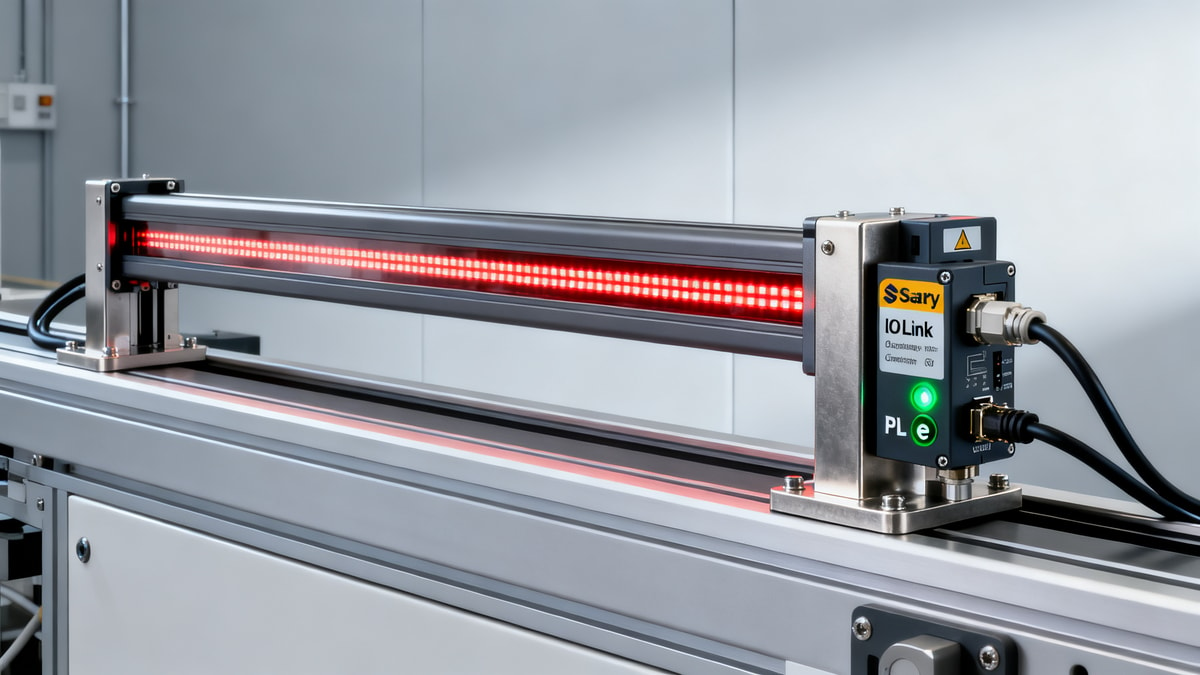
Purchasing and engineering teams should initiate dialogue with light curtain suppliers regarding availability of pre-certified modules supporting DIN SPEC 91492:2026-compliant dynamic PL elevation. Early engagement helps clarify lead times, interface protocols (e.g., safety-over-IO-Link vs. proprietary handshake), and whether firmware updates suffice or hardware revisions are needed.
Prepare for extended safety validation cycles in pilot deployments
Projects involving human-robot collaboration in fire/rescue or access-controlled environments should allocate additional time for safety validation — particularly for scenario-based testing of PL elevation triggers, unintended elevation prevention, and graceful fallback to baseline PL under sensor degradation or communication loss.
Editorial Perspective / Industry Observation
Observably, DIN SPEC 91492:2026 signals a structural shift from static safety thresholds toward adaptive, context-sensitive protection — not a finalized regulatory mandate, but a strong technical precursor. Analysis shows this reflects growing industry demand for productivity-safety trade-off optimization in shared workspaces, rather than a reaction to incident trends. From an industry perspective, the specification is best understood as an early-stage technical benchmark: it sets functional expectations before harmonized standards catch up, making it a signal for R&D prioritization, not immediate compliance enforcement. Continued attention is warranted because its principles are likely to propagate into broader machinery safety frameworks beyond light curtains — including safety laser scanners and collaborative robot base units.
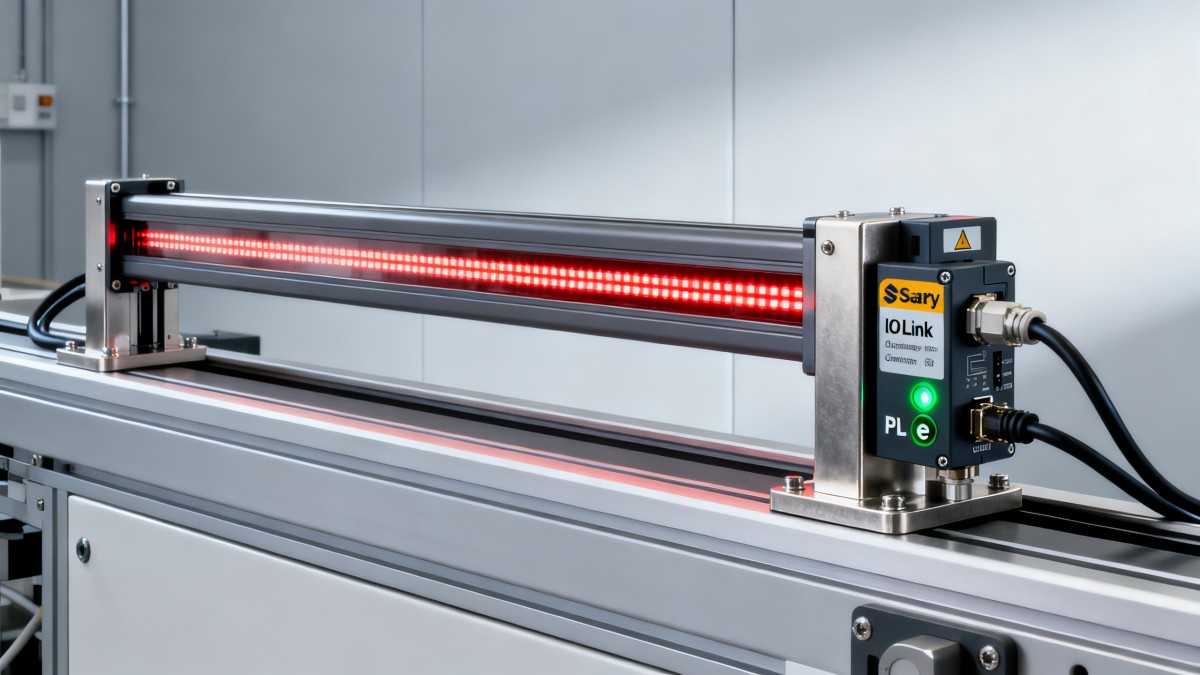
In summary, DIN SPEC 91492:2026 marks the formalization of ‘adaptive safety’ as a design requirement for certain human-machine interfaces — with tangible implications for product development, system integration, and certification strategy in targeted safety-critical domains. It is neither a fully enforceable regulation nor a theoretical concept; it is a concrete technical specification that shapes near-term engineering decisions while foreshadowing longer-term standard evolution.
Source: German Institute for Standardization (DIN), official release of DIN SPEC 91492:2026 (May 4, 2026). Note: Incorporation into EN ISO 13857:2027 remains pending formal CEN approval and is subject to ongoing working group deliberation.
Technical Specifications
- US DOE Level 3 Transformer Efficiency Rule Takes Effect July 1, 2026Author :Grid Infrastructure Analyst
- INMETRO Proposes EMP Immunity Requirement for Industrial Laser Distance Meters in BrazilAuthor :Precision Metrology Expert
- Indonesia BPOM Fast-Tracks Chinese Industrial Air PurifiersAuthor :Environmental Engineering Director
Expert Insights

Chief Security Architect
Dr. Thorne specializes in the intersection of structural engineering and digital resilience. He has advised three G7 governments on industrial infrastructure security.
Related Analysis
- May 05, 2026US DOE Level 3 Transformer Efficiency Rule Takes Effect July 1, 2026Author :Grid Infrastructure Analyst
- May 05, 2026INMETRO Proposes EMP Immunity Requirement for Industrial Laser Distance Meters in BrazilAuthor :Precision Metrology Expert
- May 05, 2026Indonesia BPOM Fast-Tracks Chinese Industrial Air PurifiersAuthor :Environmental Engineering Director
Core Sector // 01
Security & Safety
- DIN SPEC 91492:2026 Released: Safety Light Curtains Must Support Dynamic PL Elevation for Human-Robot CollaborationAuthor :Safety Compliance Lead

- Security & Safety Standards That Often Get Missed in Expansion ProjectsAuthor :Safety Compliance Lead

- Facility Management Standards That Matter Most in Daily OperationsAuthor :Safety Compliance Lead

- Security & Safety Solutions for Sites With High Access RiskAuthor :Safety Compliance Lead

- Facility Management Solutions Provider: What Fails First on Site?Author :Safety Compliance Lead

- DIN EN ISO 13849-1:2026 Effective: PLd Dynamic Response for Safety Light CurtainsAuthor :Safety Compliance Lead

- Security & Safety supplier red flags before long-term contractsAuthor :Safety Compliance Lead

- How to read a Security & Safety price without missing riskAuthor :Safety Compliance Lead