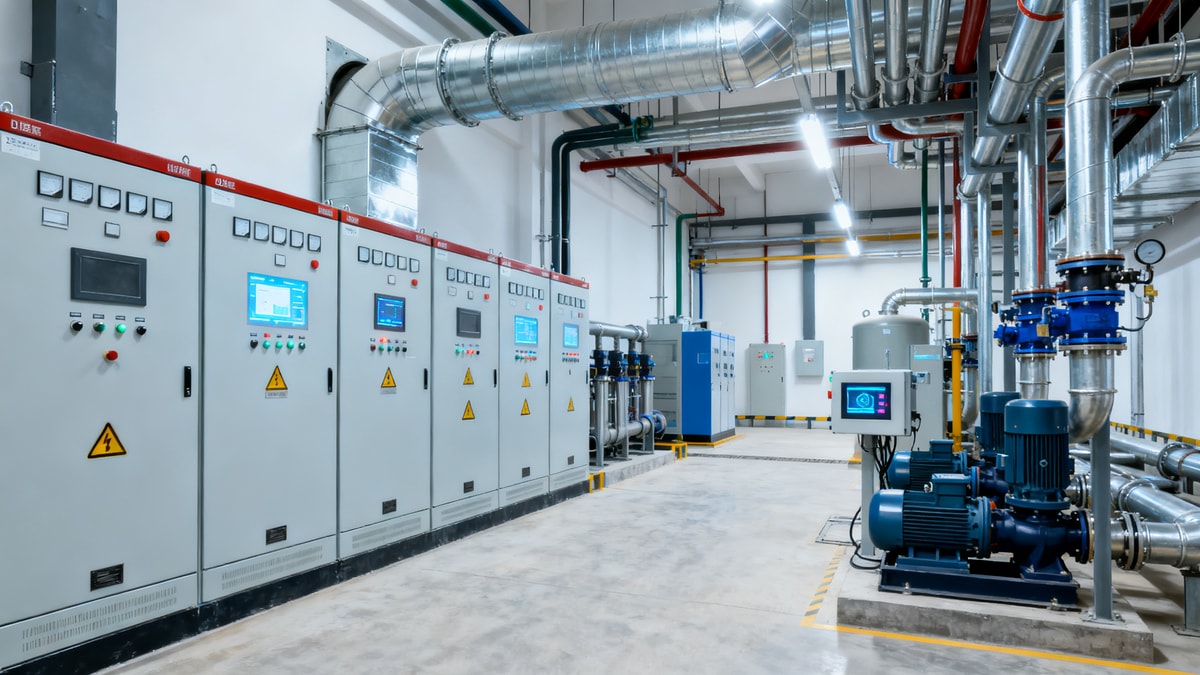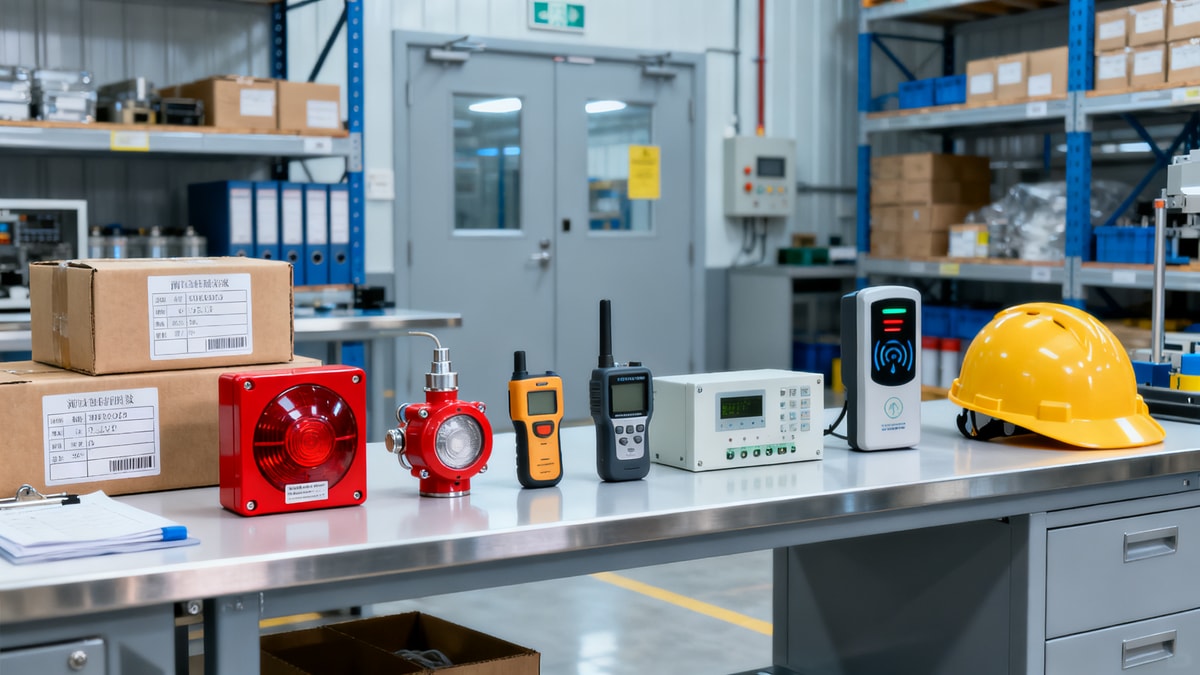
Facility Management Standards That Matter Most in Daily Operations
Author
Date Published
Reading Time
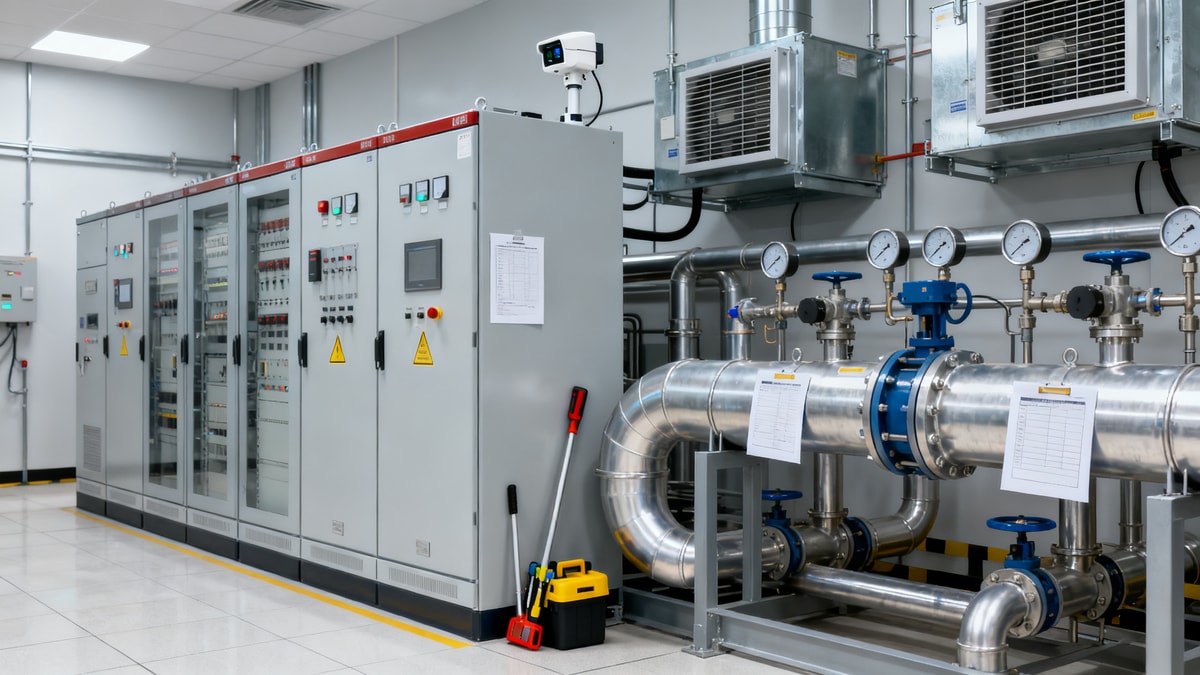
In daily operations, facility management standards are more than a checklist—they shape safety, efficiency, compliance, and uptime on the ground. For operators and frontline users, understanding which standards matter most can reduce risk, improve coordination, and support smoother workflows. This article highlights the key facility management standards that directly influence everyday performance in modern industrial and commercial environments.
Which facility management standards affect operators most in daily work?
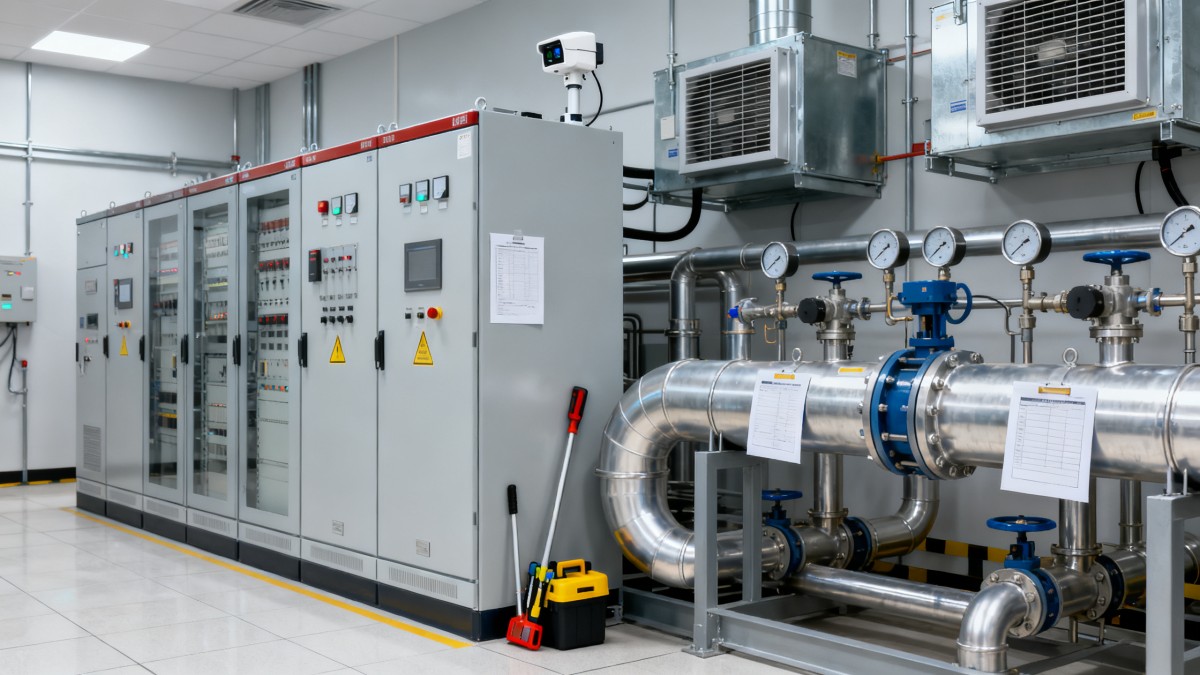
For frontline teams, facility management standards are not abstract policy documents. They influence how maintenance tickets are logged, how assets are inspected, how safety incidents are escalated, and how downtime is contained before it affects production, occupancy, or service continuity. In industrial and mixed-use facilities, the most useful standards are the ones that create repeatable routines under pressure.
In practice, operators usually care less about formal wording and more about operational impact. Does a standard clarify who signs off a repair? Does it define preventive maintenance intervals? Does it support traceable calibration, electrical safety, lockout procedures, environmental controls, and contractor access? These are the points where facility management standards become visible on the shop floor.
For organizations managing critical infrastructure, Global Industrial Core (GIC) focuses on standards that connect field execution with strategic sourcing. That matters because daily operations often fail at the interface between engineering intent and procurement reality. A well-written requirement is only useful if the purchased device, spare part, meter, cable assembly, valve, or safety component actually matches the operating condition and compliance expectation.
- Safety standards reduce exposure to electrical hazards, fire risk, confined-space incidents, and unplanned equipment interaction.
- Maintenance standards improve consistency in inspection, lubrication, cleaning, replacement cycles, and work documentation.
- Asset management standards help operators prioritize critical equipment instead of treating all work orders as equal.
- Environmental and monitoring standards support air quality, waste handling, emissions control, and utility performance.
The standards families that matter most
No single document covers everything. Daily operations typically depend on a combination of management system standards, technical safety codes, maintenance practices, and equipment-specific compliance requirements. The table below shows how common standards families connect to daily operational tasks.
These facility management standards work best when they are translated into task-level instructions. Operators do not need to memorize every clause, but they do need access to clear maintenance triggers, acceptance criteria, and reporting rules that match the actual site environment.
Why do some facility management standards improve uptime while others stay on paper?
The difference is usually operational design. A standard helps daily performance only when it is linked to asset criticality, training, spare parts availability, and measurable inspection routines. Sites that struggle with repeated stoppages often have documents in place but weak execution links between maintenance, procurement, and supervision.
For example, an electrical room inspection standard may require thermal checks, labeling, clearance control, and breaker condition review. If procurement keeps sourcing inconsistent components, if calibration cycles are missed, or if contractor access is poorly managed, the standard exists but uptime still suffers. This is why GIC places sourcing discipline alongside standards interpretation.
Common daily failure points
- Preventive maintenance intervals are copied from manuals without adjusting for dust, vibration, humidity, or load variation.
- Safety checks are completed as paperwork, but actual isolation devices, signage, and lock points are not verified in the field.
- Replacement parts meet basic dimensions but lack the required certification, enclosure rating, temperature tolerance, or material compatibility.
- Operators receive alarms from building or industrial control systems but have no clear response matrix tied to standard operating procedures.
Strong facility management standards close these gaps by defining what must be checked, how often, by whom, with what records, and with what acceptance limit. In real operations, that structure is what turns inspection into prevention rather than delayed reaction.
How should operators prioritize standards across safety, assets, utilities, and environment?
Not every site can upgrade every process at once. A practical approach is to rank facility management standards by operational consequence. Start with standards linked to life safety and shutdown risk, then expand into asset optimization and environmental performance. This method helps teams with limited staffing, limited budgets, and urgent compliance deadlines.
A priority matrix for daily operations
The table below gives a practical selection framework for operators and site leaders who need to decide which facility management standards deserve immediate attention.
This prioritization helps teams avoid a common mistake: spending too much time on low-impact administrative polishing while critical electrical, fire, or rotating equipment risks remain undercontrolled.
What should users check when facility management standards meet procurement decisions?
Procurement is where many standards succeed or fail. A facility may specify compliant systems, but if operators receive components with incomplete documentation, mismatched ratings, or uncertain traceability, daily operations become unstable. In industrial and commercial settings, the cost of a wrong part includes delay, rework, downtime, and safety exposure.
GIC’s value is especially relevant here because users often need more than a catalog description. They need support in interpreting whether a sourced item aligns with site conditions, inspection routines, and applicable international expectations such as CE, UL, or ISO-related documentation where relevant.
A practical selection checklist
- Confirm operating environment. Check temperature range, ingress exposure, corrosion risk, vibration level, and cleaning chemicals before approving a component.
- Match certification needs to installation location. Panels, sensors, cables, switches, valves, and PPE may each require different documentation based on jurisdiction and risk category.
- Review maintainability. A compliant product that requires rare tools, long lead times, or specialized labor may be a poor fit for a site with tight staffing.
- Check interoperability. Verify that meters, relays, monitoring devices, or mechanical components integrate with existing systems and maintenance software.
- Request documentation before delivery. Technical datasheets, installation instructions, inspection points, and certification records should be available before site acceptance.
When these steps are ignored, facility management standards become harder to enforce. Operators then spend time compensating with manual workarounds, undocumented fixes, or emergency purchasing.
Which application scenarios require stricter facility management standards?
The answer depends on consequence and complexity. A low-occupancy storage area does not need the same control intensity as a utility room, process support area, data-heavy operations zone, or facility handling hazardous materials. Operators should expect stronger standards where failures can spread quickly across safety, continuity, and compliance.
Scenario-based differences
The table below compares how facility management standards typically become stricter across common operational environments.
This comparison shows why a generic standards package is rarely enough. Operators need a site-specific interpretation that reflects asset criticality, occupancy, environmental obligations, and maintenance capability.
How can teams implement facility management standards without slowing operations?
The goal is controlled execution, not bureaucracy. Good implementation keeps the number of required steps realistic while increasing visibility, traceability, and risk control. If a standards rollout creates excessive paperwork or requires too many approvals for routine tasks, users will bypass it under time pressure.
A field-friendly implementation sequence
- Map the top ten critical assets and top five recurring incidents first. Build standards around the real failure profile of the site.
- Convert clauses into checklists. Operators work faster with pass-fail checks, visual references, and escalation thresholds.
- Separate routine work from high-risk work. Daily rounds should remain simple, while energized work, confined spaces, and shutdown tasks deserve stricter control layers.
- Train supervisors to verify execution in the field, not just in reports. Observation quality matters more than form volume.
- Align storeroom policy with standards. If approved parts are not stocked or lead times are too long, compliance will collapse during urgent repairs.
In many facilities, the fastest improvement comes from linking inspection findings to a simple response code: observe, plan, isolate, or stop. That approach gives users a direct decision path when facility management standards reveal a problem.
Common misconceptions about facility management standards
“Compliance alone means the site is safe.”
Not necessarily. A site may have compliant documents and still face unsafe conditions if inspections are weak, records are outdated, or replacement materials do not match actual duty. Facility management standards must be verified through field behavior and equipment condition.
“The cheapest compliant part is good enough.”
This is risky in utilities, rotating equipment, measurement loops, and safety systems. A part may satisfy a basic specification but still create premature failure if sealing, tolerance, enclosure, or temperature resistance is insufficient. Total operating cost usually matters more than purchase price alone.
“Operators do not need to understand standards.”
Operators do not need legal-level interpretation, but they do need operational understanding. If the people performing rounds, isolations, checks, and restarts do not know why a step matters, consistency breaks down quickly.
FAQ: practical questions users ask about facility management standards
How do I know which facility management standards apply to my site first?
Start with risk concentration. If your site has critical power distribution, high occupancy, hazardous materials, or uptime-sensitive production, prioritize safety, asset management, and emergency-related standards first. Then review environmental and efficiency frameworks. A risk register and asset criticality review usually reveal where standards will have the greatest operational effect.
Are international standards enough for local compliance?
Not always. International frameworks such as ISO help structure systems, but local codes, authority requirements, and sector-specific rules may still apply. Users should treat international standards as a baseline and confirm whether local electrical, fire, environmental, and occupational requirements add stricter obligations.
What should I request from suppliers to support facility management standards?
Ask for technical datasheets, material details, installation guidance, maintenance recommendations, test or conformity documents where relevant, and lead-time visibility for spares. For critical applications, also confirm compatibility with your operating environment and existing systems. This reduces delays during acceptance and future maintenance.
How often should facility standards be reviewed?
Review cycles depend on risk, incident frequency, and change rate. High-risk procedures may need annual review or faster revision after incidents, shutdowns, equipment changes, or audit findings. Routine administrative content can be reviewed less often, but field-critical instructions should never stay static while the site changes.
Why choose us for standards-focused sourcing and operational guidance?
Global Industrial Core supports organizations that cannot afford weak alignment between facility management standards and the equipment, components, and compliance expectations used every day. Our focus spans Security & Safety, Instruments & Measurement, Electrical & Power Grid, Environment & Ecology, and Mechanical Components & Metallurgy—exactly the areas where daily operations are won or lost.
If your team is evaluating facility management standards in relation to procurement or site execution, you can contact us for focused support on:
- Parameter confirmation for components used in safety, utility, measurement, and mechanical systems
- Product selection guidance based on operating environment, maintenance burden, and certification needs
- Delivery cycle planning for critical spare parts and infrastructure materials
- Custom solution discussions for multi-site operations, difficult service conditions, or compliance-sensitive installations
- Documentation review support related to CE, UL, ISO-aligned expectations, and practical acceptance criteria
- Sample support and quotation communication for technically complex sourcing decisions
When facility management standards are connected to the right equipment choices and field-ready procedures, operators gain more than compliance. They gain safer routines, faster troubleshooting, stronger uptime, and fewer avoidable surprises in daily operations.
Technical Specifications
- US DOE Level 3 Transformer Efficiency Rule Takes Effect July 1, 2026Author :Grid Infrastructure Analyst
- INMETRO Proposes EMP Immunity Requirement for Industrial Laser Distance Meters in BrazilAuthor :Precision Metrology Expert
- Indonesia BPOM Fast-Tracks Chinese Industrial Air PurifiersAuthor :Environmental Engineering Director
Expert Insights

Chief Security Architect
Dr. Thorne specializes in the intersection of structural engineering and digital resilience. He has advised three G7 governments on industrial infrastructure security.
Related Analysis
- May 05, 2026US DOE Level 3 Transformer Efficiency Rule Takes Effect July 1, 2026Author :Grid Infrastructure Analyst
- May 05, 2026INMETRO Proposes EMP Immunity Requirement for Industrial Laser Distance Meters in BrazilAuthor :Precision Metrology Expert
- May 05, 2026Indonesia BPOM Fast-Tracks Chinese Industrial Air PurifiersAuthor :Environmental Engineering Director
Core Sector // 01
Security & Safety
- DIN SPEC 91492:2026 Released: Safety Light Curtains Must Support Dynamic PL Elevation for Human-Robot CollaborationAuthor :Safety Compliance Lead

- Security & Safety Standards That Often Get Missed in Expansion ProjectsAuthor :Safety Compliance Lead

- Facility Management Standards That Matter Most in Daily OperationsAuthor :Safety Compliance Lead

- Security & Safety Solutions for Sites With High Access RiskAuthor :Safety Compliance Lead

- Facility Management Solutions Provider: What Fails First on Site?Author :Safety Compliance Lead

- DIN EN ISO 13849-1:2026 Effective: PLd Dynamic Response for Safety Light CurtainsAuthor :Safety Compliance Lead

- Security & Safety supplier red flags before long-term contractsAuthor :Safety Compliance Lead

- How to read a Security & Safety price without missing riskAuthor :Safety Compliance Lead