How to read a Security & Safety price without missing risk
Author
Date Published
Reading Time
A Security & Safety price can look competitive on paper, yet still conceal costly compliance gaps, lifecycle failures, and operational risk. For financial approvers, the real decision is not just what a solution costs today, but what exposure it creates tomorrow. This guide explains how to read a Security & Safety price with sharper scrutiny, so you can protect budgets, satisfy standards, and avoid expensive surprises.
Why a low Security & Safety price can become an expensive approval
In industrial environments, a Security & Safety price rarely represents only hardware, devices, or installation labor. It often reflects a bundle of assumptions about certification scope, environmental suitability, maintenance frequency, integration effort, and liability allocation. For a finance reviewer, the danger is approving the number while missing the risk structure behind it.
This matters across heavy industry, utilities, process plants, logistics infrastructure, and engineered facilities where shutdowns, incidents, and compliance failures create financial consequences far beyond the initial purchase order. A lower quote may delay spend this quarter, but it can increase total exposure over the asset life.
- A missing certification can trigger rejection at site acceptance, forcing rework, replacement, and schedule disruption.
- A lower ingress protection or unsuitable material grade can shorten service life in dust, moisture, vibration, or corrosive conditions.
- A quote without training, commissioning, or documentation can shift hidden implementation cost to internal teams.
- A solution with poor interoperability can increase downstream spending on controls, monitoring, or retrofit adapters.
That is why financial approvers should read a Security & Safety price as a risk document, not just a commercial document. At Global Industrial Core, this is the central sourcing principle: evaluate foundational systems by operational consequence, standards alignment, and lifecycle economics before comparing unit price.
What should financial approvers read behind the quoted number?
A practical review starts by separating visible cost from hidden cost. The visible figure is easy to compare. The hidden figure sits in exclusions, assumptions, and technical notes. A disciplined approval process should ask not only “How much?” but also “What has been left out?”
Five layers inside a Security & Safety price
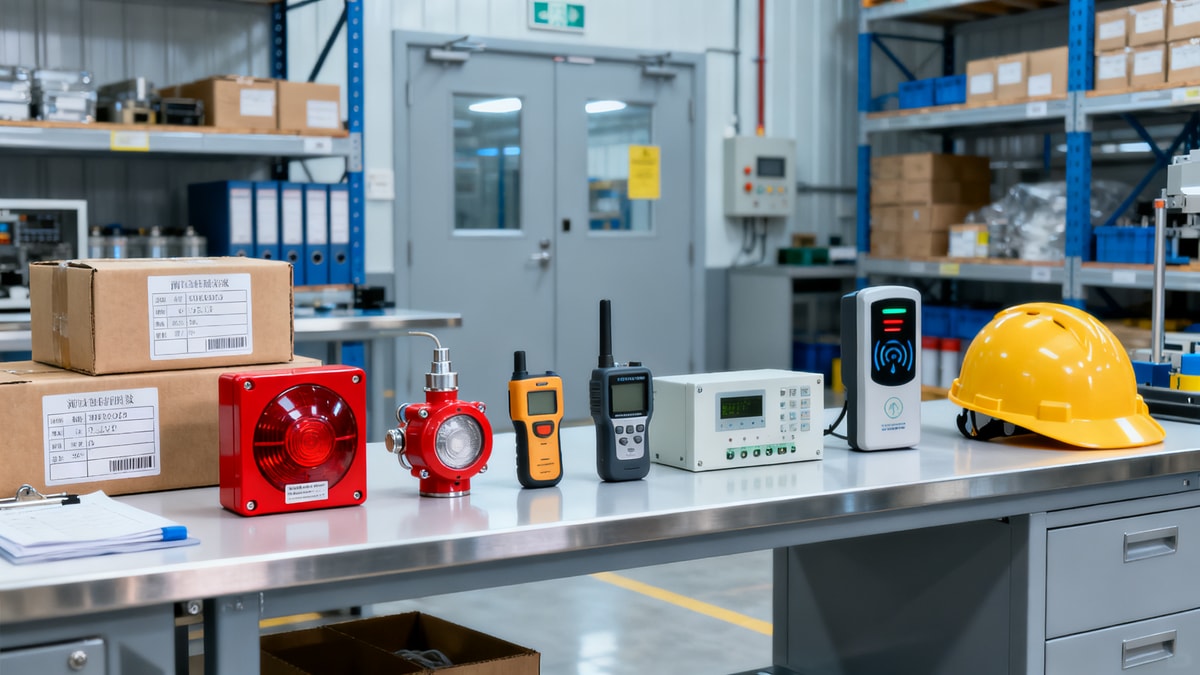
- Base product scope: sensors, barriers, alarms, access devices, PPE systems, fire detection components, control panels, or guarding elements.
- Compliance scope: CE, UL, ISO-related manufacturing controls, documentation packs, traceability, and test records where applicable.
- Application fit: temperature range, enclosure rating, hazardous or high-vibration suitability, and expected duty cycle.
- Implementation scope: engineering review, installation guidance, commissioning support, training, and integration with existing infrastructure.
- Lifecycle scope: spare parts, calibration, inspection intervals, maintenance access, software updates, and replacement planning.
When one supplier includes four of these layers and another includes only one, the lower Security & Safety price is not truly lower. It is simply less complete. Finance teams that compare unlike scopes often approve the more expensive outcome by mistake.
How to compare a Security & Safety price without missing risk signals
The table below helps financial approvers screen quotations using risk-based criteria rather than headline cost alone. It is especially useful when bids look similar in value but differ sharply in technical accountability.
This comparison shows why a Security & Safety price should never be approved in isolation. Once compliance, fit-for-purpose design, and support obligations are made visible, the apparent savings from a thin quote often disappear.
Which cost elements are most often excluded from the initial quote?
Many approval problems come from exclusions that remain buried in commercial notes or technical appendices. In multidisciplinary industrial projects, these omissions often surface late, when change orders are costly and schedules are tight.
Common hidden costs in Security & Safety procurement
- Site surveys and hazard assessments not included in supplier scope.
- Commissioning travel, specialist labor, or software configuration billed later.
- Upgraded cable glands, enclosures, brackets, or protection accessories needed for real operating conditions.
- Training, lockout procedures, emergency response drills, or user handover packages excluded.
- Recurring inspections, battery replacement, calibration, and preventive maintenance left out of annual budgeting.
A useful finance discipline is to request an “included versus excluded” schedule before approval. If the supplier cannot clearly show what the Security & Safety price covers, the quote is not ready for clean financial sign-off.
How standards and certification affect the real Security & Safety price
In industrial infrastructure, compliance is not a paperwork exercise. It determines whether a system can be installed, insured, audited, and operated with acceptable legal and operational exposure. Financial approvers should therefore treat certification readiness as part of cost realism.
The table below maps common compliance areas to budget implications. It helps explain why two apparently similar offers can carry very different risk-adjusted value.
A Security & Safety price that does not align with required standards is not a bargain. It is a future budget request waiting to happen. GIC’s sourcing perspective is to validate standards applicability early, before cost comparisons distort decision quality.
What finance teams should ask procurement and engineering before approval
Cross-functional discipline is the most reliable way to avoid false savings. Finance sees capital allocation, procurement sees supplier terms, and engineering sees technical fit. The approval quality improves when these views are forced into a shared checklist.
Approval checklist for a Security & Safety price
- Has the operating environment been defined, including temperature, moisture, dust, vibration, and exposure profile?
- Do the quoted components match required certifications, installation codes, and site approval rules?
- Are commissioning, testing, documentation, and training included, or should they be budgeted separately?
- What spare parts, consumables, or recurring inspections will affect operating expenditure over three to five years?
- If delivery slips or a component fails acceptance, who bears the cost and schedule consequence?
These questions sound simple, but they expose the weak points of many quotes. A well-read Security & Safety price is one that survives technical, compliance, and lifecycle questioning without major assumptions remaining hidden.
Scenario-based reading: where pricing mistakes usually happen
Different industrial settings create different pricing traps. A warehouse, a power-related installation, a water treatment site, and a process plant may all buy “safety systems,” but the budget drivers are not the same. Finance approvals should reflect the scenario, not just the category name.
Typical scenarios and financial implications
- New-build EPC projects: lower bid values can hide incomplete interfaces, resulting in variation orders once electrical, controls, and civil teams converge.
- Retrofit environments: a competitive Security & Safety price may ignore compatibility with legacy panels, mounting geometries, or communication constraints.
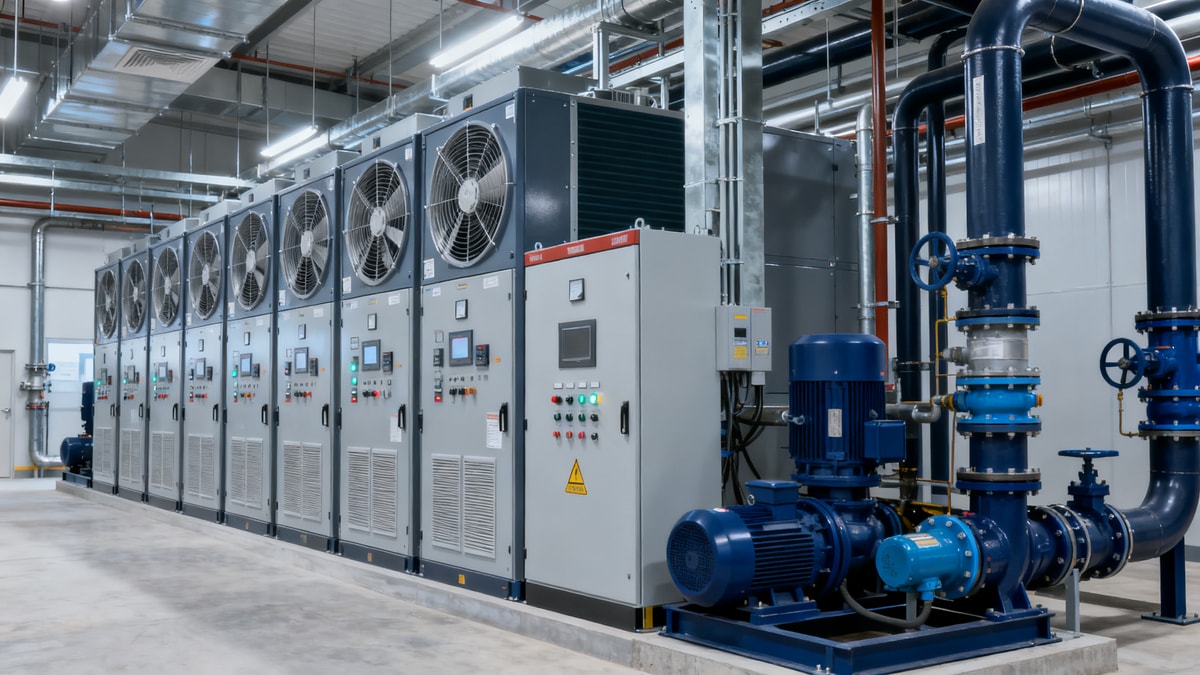
- Harsh-duty facilities: corrosion resistance, sealing, and heavy-duty housings may be omitted in early quotes, causing premature replacement.
- Multi-site rollouts: inconsistent documentation or part numbering can create replication errors, duplicated engineering effort, and fragmented maintenance stock.
This is where GIC adds value for industrial buyers. By connecting sourcing intelligence with engineering context across Security & Safety, instrumentation, power systems, environmental controls, and mechanical foundations, decision-makers can compare offers in the context of the full operating system, not in isolation.
Common misconceptions about Security & Safety price
“The cheapest compliant quote is always the most efficient choice”
Not always. Compliance on paper does not guarantee durability, serviceability, or integration efficiency. A lower-cost option can still increase total installed cost and annual maintenance burden.
“If the project is urgent, technical detail can wait”
Urgency usually makes detail more important, not less. Under time pressure, missing information turns into change orders and site delays. A rushed approval of a vague Security & Safety price often creates the very delay it was meant to avoid.
“Maintenance can be handled later from operating budget”
That separation is risky. Lifecycle obligations should be visible at approval stage. Otherwise, the capital line looks efficient while the operating line absorbs the real cost later.
FAQ: practical questions financial approvers often ask
How do I know if a Security & Safety price is unrealistically low?
Check whether the quote clearly defines certification scope, installation conditions, commissioning support, and maintenance assumptions. If those items are absent or vague, the low price may simply reflect omitted obligations rather than better value.
What is the most important non-price factor for approval?
For many industrial projects, it is fit-for-purpose compliance. A product that cannot be accepted by site rules, local market requirements, or operating conditions will create disproportionate cost no matter how attractive the initial Security & Safety price appears.
Should finance request lifecycle cost even for smaller safety purchases?
Yes, especially for recurring, distributed, or safety-critical items. Even modest purchases can multiply across sites, shifts, and maintenance cycles. Replacement frequency, inspection needs, and support dependency often matter more than initial unit savings.
How early should compliance review happen?
Before commercial comparison, not after. If standards applicability is checked only after supplier selection, finance loses leverage and the project inherits avoidable rework risk.
Why choose us for Security & Safety sourcing intelligence
Global Industrial Core supports financial approvers, EPC contractors, facility managers, and procurement leaders who need to read a Security & Safety price with technical and commercial clarity. Our focus is not limited to product listings. We examine how safety systems connect to instrumentation, electrical infrastructure, environmental conditions, and mechanical realities across industrial operations.
If you are reviewing quotations, planning a plant upgrade, validating supplier scope, or preparing a cross-border sourcing decision, we can help you assess the issues that often escape headline price comparisons.
- Parameter confirmation for operating environment, duty cycle, and installation conditions
- Product and solution selection support across Security & Safety and related industrial systems
- Delivery cycle review, documentation expectations, and scope clarification before approval
- Certification requirement discussion for destination market, project type, and site acceptance
- Quote comparison guidance to identify hidden cost, lifecycle burden, and integration risk
When the next Security & Safety price reaches your desk, do not approve the number alone. Review the assumptions, verify the standards, and test the lifecycle logic. If you need support on quote evaluation, supplier communication, technical scope alignment, sample planning, or pricing discussions, contact Global Industrial Core with your project parameters and target timeline.
Technical Specifications
Expert Insights

Chief Security Architect
Dr. Thorne specializes in the intersection of structural engineering and digital resilience. He has advised three G7 governments on industrial infrastructure security.
Related Analysis
- May 04, 2026When Components & Metals bulk order pricing stops being cheaperAuthor :Heavy Industry Strategist
- May 04, 2026What makes an Instruments & Measurement supplier dependableAuthor :Precision Metrology Expert
- May 04, 2026How to assess an Environment & Ecology exporter by documentationAuthor :Environmental Engineering Director
Core Sector // 01
Security & Safety
- Security & Safety supplier red flags before long-term contractsAuthor :Safety Compliance Lead

- How to read a Security & Safety price without missing riskAuthor :Safety Compliance Lead

- Facility management solutions that cut hidden maintenance costsAuthor :Safety Compliance Lead

- UL 62368-3 Ed.3 Enforceable May 1, 2026 for AV Security DevicesAuthor :Safety Compliance Lead

- 2026 World Intelligent Industry Expo Opens in TianjinAuthor :Safety Compliance Lead

- PTZ dome camera placement mistakes that waste zoom performanceAuthor :Safety Compliance Lead

- Biometric access control systems: where integration gets expensiveAuthor :Safety Compliance Lead

- Facial recognition door lock accuracy drops in these common settingsAuthor :Safety Compliance Lead