DIN SPEC 91492:2026 Released: Safety Light Curtains Must Support Dynamic PL Adjustment in Human-Robot Collaboration
Author
Date Published
Reading Time
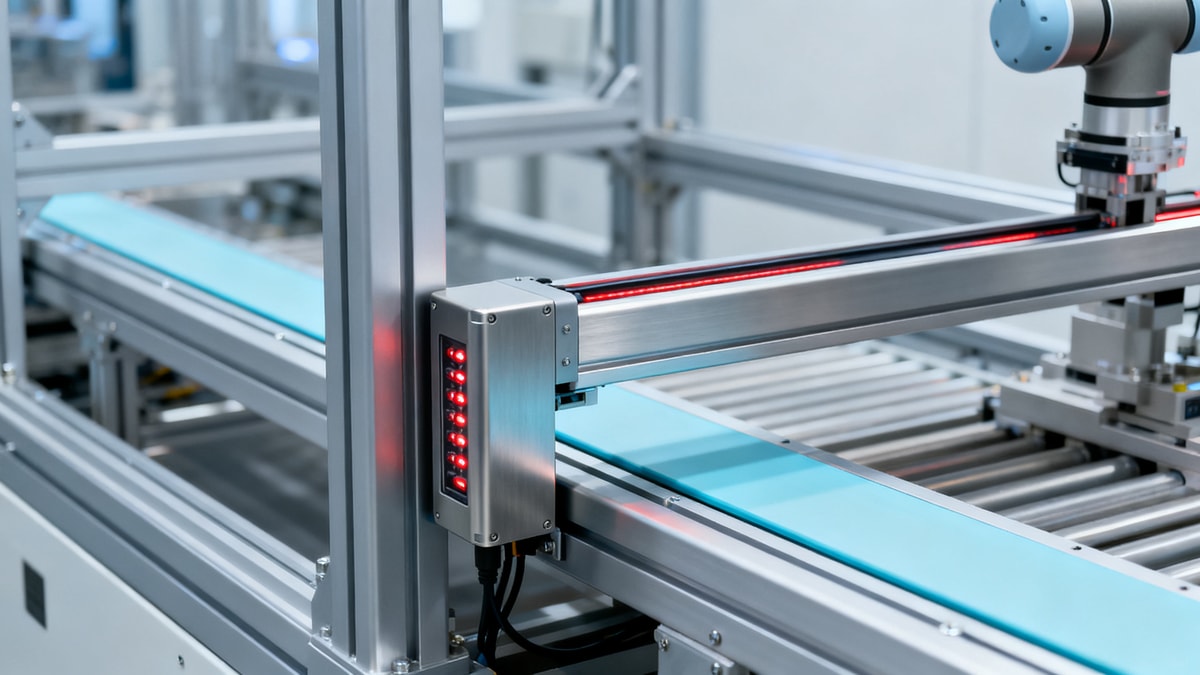
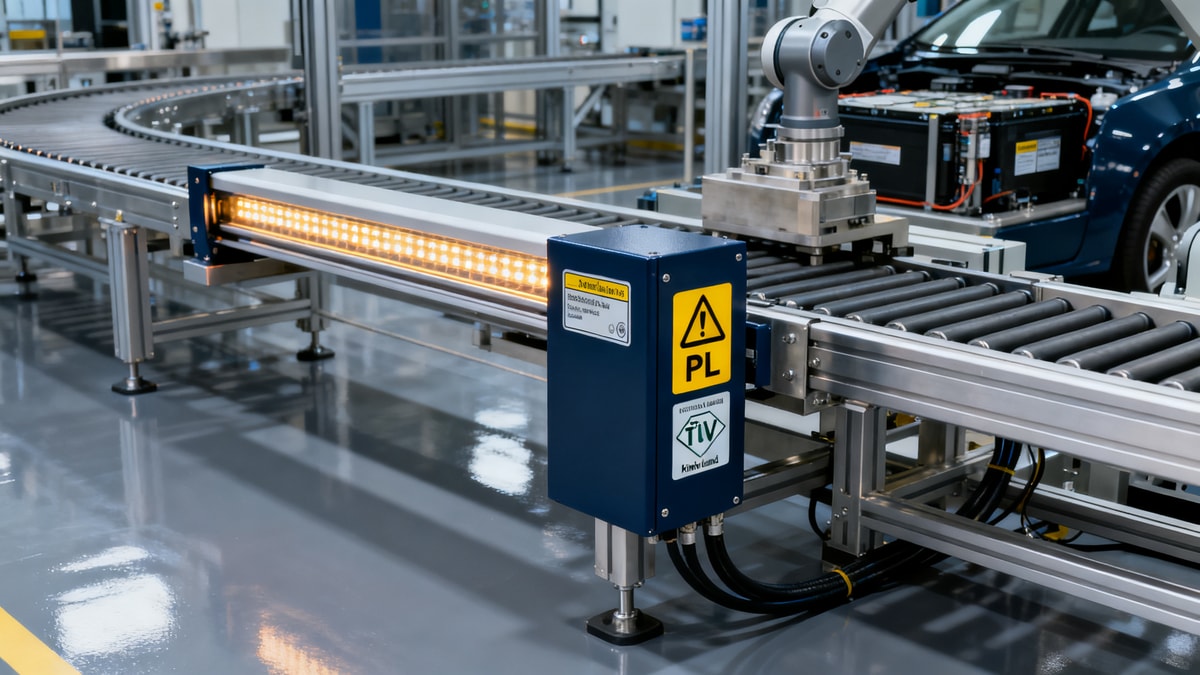
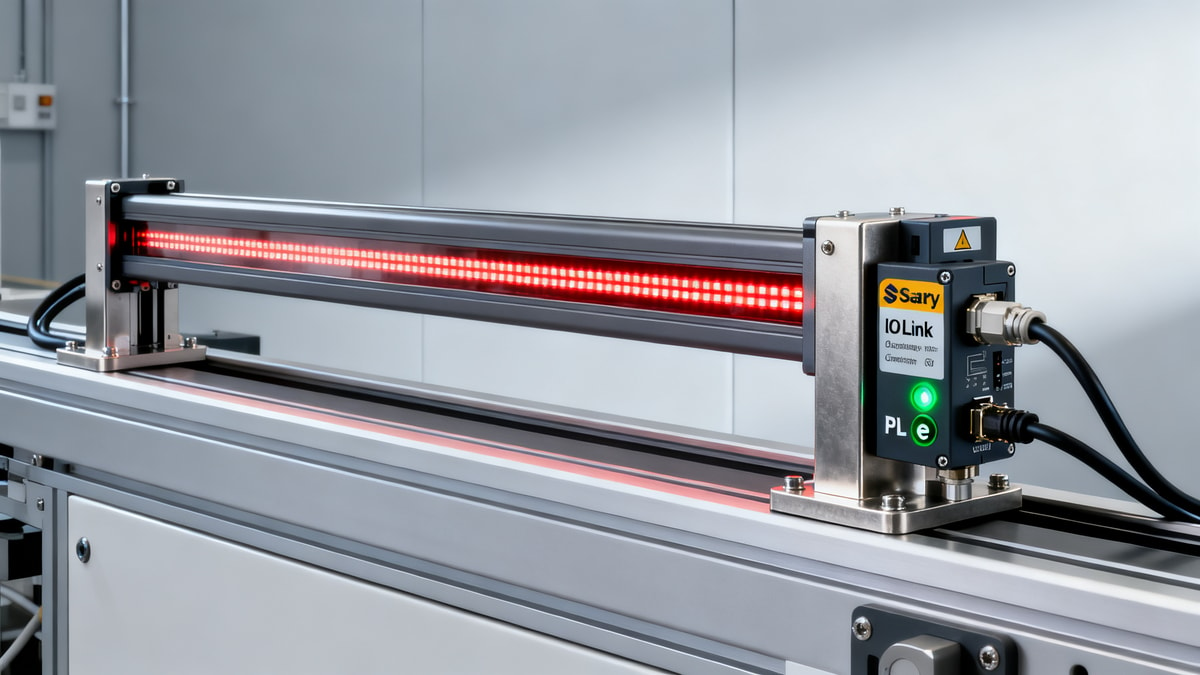
On May 1, 2026, the German Institute for Standardization (DIN) published DIN SPEC 91492:2026 — a new specification requiring industrial safety light curtains to dynamically elevate their Performance Level (PL) based on real-time human approach velocity and trajectory during collaborative human-robot operations. This development directly affects manufacturers and integrators of machine safeguarding systems, especially those supplying to automotive, electronics assembly, and logistics automation sectors, where adaptive safety is increasingly critical for productivity and compliance.
Event Overview
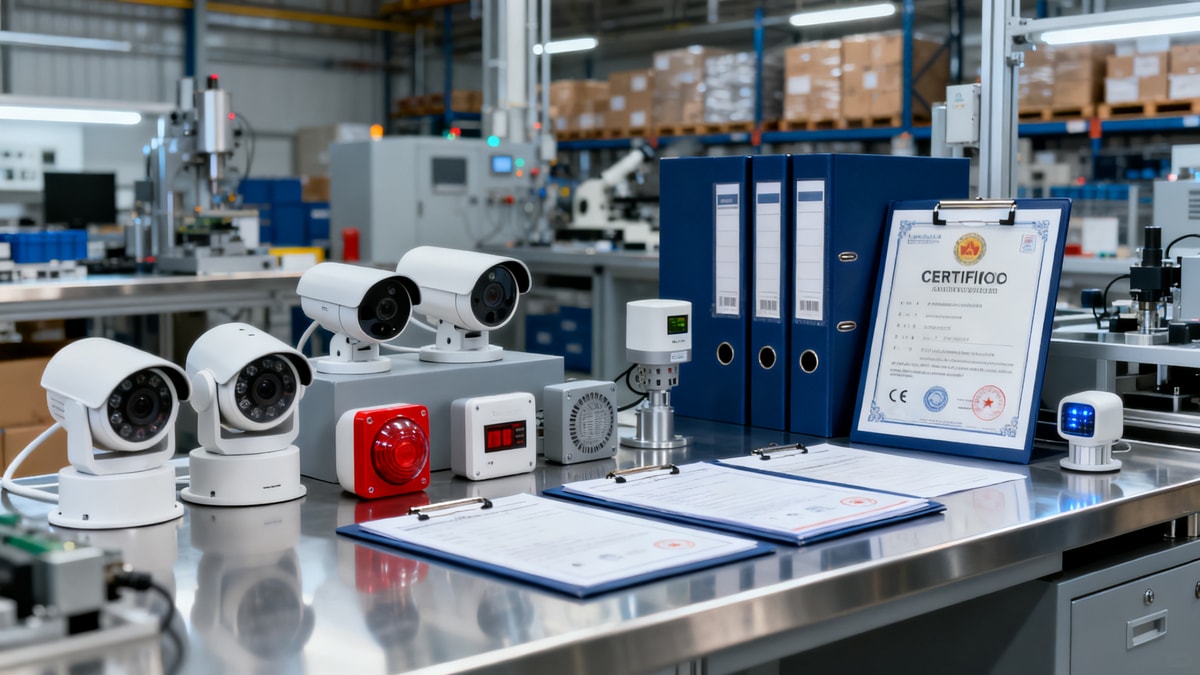
The German Institute for Standardization (DIN) released DIN SPEC 91492:2026 on May 1, 2026. The document specifies that safety light curtains — classified under CCTV and access control–related protective equipment — must support dynamic, real-time adjustment of their Performance Level (PL) in response to operator motion parameters (e.g., approach speed and trajectory) during human-machine collaboration. It mandates submission of a verifiable algorithm white paper as part of conformity documentation. The draft entered a 60-day public consultation period and is scheduled to transition into a formal standard in October 2026.
Industries Affected
Industrial Machine Safety Equipment Manufacturers
Manufacturers of safety light curtains face direct technical and certification implications. Compliance requires integrating real-time motion analysis capabilities — including sensor fusion, edge processing, and certified safety algorithms — into existing product architectures. Impact manifests in R&D timelines, functional safety validation (e.g., ISO 13849-1), and third-party type testing scope expansion.
Robotics Integrators & Automation System Builders
Integrators deploying collaborative workcells must now verify not only robot safety but also the dynamic PL behavior of perimeter safeguarding devices. This affects system-level risk assessments, validation protocols, and documentation packages submitted for CE or UKCA marking. Interoperability testing between robot controllers and light curtain logic becomes newly essential.
End-User OEMs in Automotive and High-Mix Manufacturing
OEMs specifying safety systems for flexible production lines — particularly in automotive assembly, battery module production, and precision electronics — may encounter revised procurement requirements. Future tenders could require evidence of PL-dynamic capability, influencing supplier selection and lifecycle maintenance planning for safeguarding infrastructure.
What Enterprises and Practitioners Should Monitor and Do Now
Track official updates from DIN and notified bodies
Monitor the public consultation outcomes and any amendments issued during the 60-day review period (May 1 – June 30, 2026). Notified bodies such as TÜV Rheinland or Dekra are expected to publish preliminary interpretation notes ahead of the October 2026 formal adoption.
Assess current product portfolios against PL-dynamic functionality
Manufacturers and integrators should inventory which light curtain models support configurable response curves, time-of-flight or stereo-vision-based approach detection, and certified safe motion estimation logic. Legacy products lacking embedded motion-aware logic may require hardware upgrades or firmware requalification.
Distinguish between specification intent and near-term enforcement
DIN SPEC 91492:2026 is currently a specification, not a harmonized standard. Its legal weight depends on referencing in national legislation or EU directives (e.g., Machinery Regulation (EU) 2023/1230). Until then, adoption remains voluntary — though market leaders may begin requiring it contractually as early as Q4 2026.
Prepare documentation and algorithm transparency workflows
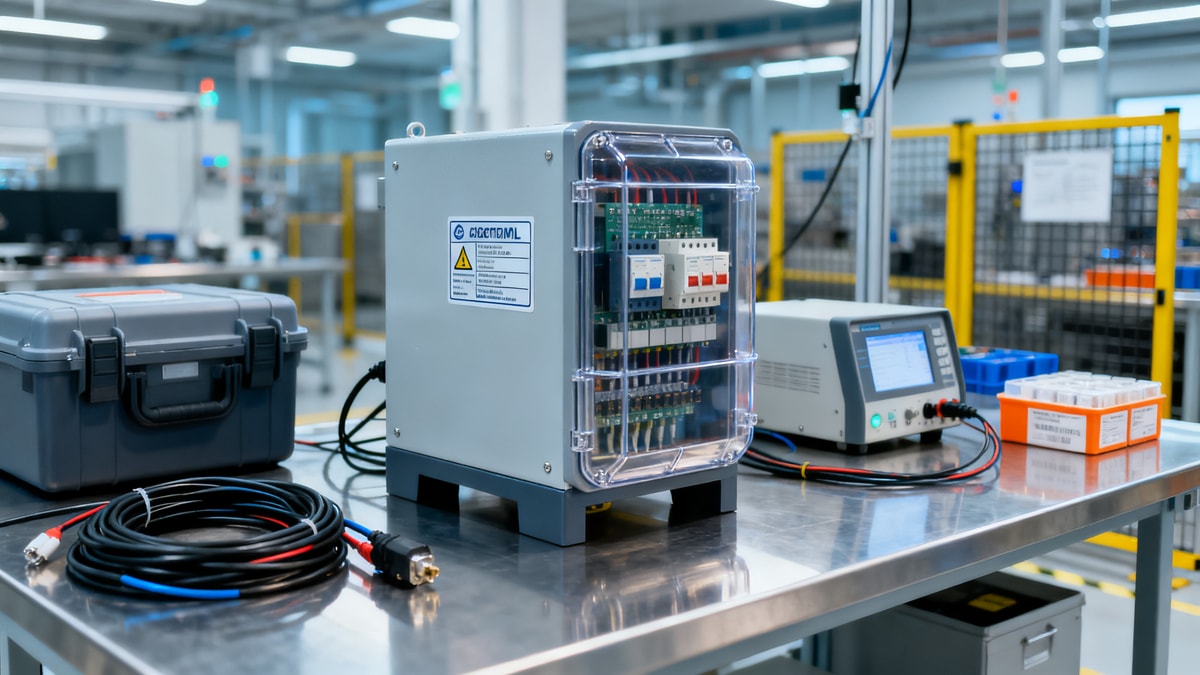
Begin drafting internal algorithm white papers covering detection methodology, uncertainty handling, worst-case response time validation, and traceability to ISO 13849-1 Annex K. These documents will be required for conformity assessment under the future standard — and may inform customer due diligence even before formalization.
Editorial Observation / Industry Perspective
Observably, DIN SPEC 91492:2026 signals a structural shift from static to context-aware safety architecture in industrial automation. Analysis shows this is less an immediate compliance deadline and more a forward-looking benchmark — aligning with broader trends like ISO/IEC 23894 (AI risk management) and EN ISO 10218-2:2023’s emphasis on dynamic risk reassessment. From an industry perspective, its significance lies not in immediate enforceability, but in setting technical expectations for next-generation safeguarding. The requirement for a verifiable algorithm white paper reflects growing regulatory scrutiny of embedded AI logic in safety-critical functions — a trend likely to extend beyond light curtains to other presence-sensing devices.
Current stakeholders should treat this as an anticipatory signal rather than a finalized mandate. Its true impact will crystallize only after the consultation closes and notified bodies issue implementation guidance — making sustained monitoring essential through mid-2026.
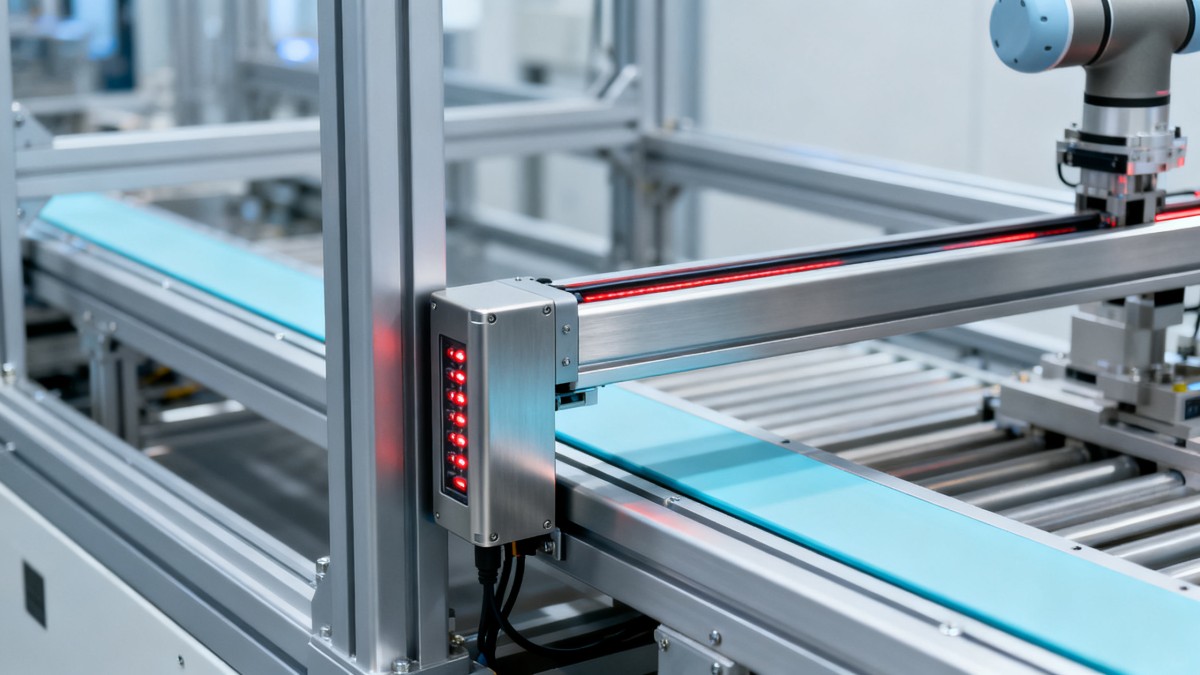
In summary, DIN SPEC 91492:2026 introduces a technically demanding but strategically coherent evolution in machine safeguarding — one that prioritizes adaptive safety over fixed thresholds. For affected enterprises, the current phase calls for technical readiness, documentation discipline, and calibrated responsiveness — not urgent retrofitting, but deliberate alignment with emerging functional safety paradigms.
Source: German Institute for Standardization (DIN), official release of DIN SPEC 91492:2026 dated May 1, 2026.
Note: Formal status, harmonization status under EU law, and notified body guidance remain under observation pending the conclusion of the public consultation period (ending June 30, 2026).
Technical Specifications
- SASO Mandates Dual Energy Label for Industrial Transformers in Saudi Arabia from May 2026Author :Grid Infrastructure Analyst
- EN 61000-4-30:2026 Enforced: Class A Harmonic Traceability Mandatory for EU PQ AnalyzersAuthor :Precision Metrology Expert
- US DOE Level 3 Transformer Efficiency Standard Effective July 1, 2026Author :Grid Infrastructure Analyst
Expert Insights

Chief Security Architect
Dr. Thorne specializes in the intersection of structural engineering and digital resilience. He has advised three G7 governments on industrial infrastructure security.
Related Analysis
- May 06, 2026SASO Mandates Dual Energy Label for Industrial Transformers in Saudi Arabia from May 2026Author :Grid Infrastructure Analyst
- May 06, 2026EN 61000-4-30:2026 Enforced: Class A Harmonic Traceability Mandatory for EU PQ AnalyzersAuthor :Precision Metrology Expert
- May 06, 2026US DOE Level 3 Transformer Efficiency Standard Effective July 1, 2026Author :Grid Infrastructure Analyst
Core Sector // 01
Security & Safety
- DIN SPEC 91492:2026 Released: Safety Light Curtains Must Support Dynamic PL Adjustment in Human-Robot CollaborationAuthor :Safety Compliance Lead

- DIN SPEC 91492:2026 Mandates PL Dynamic Verification for Safety Light Curtains in GermanyAuthor :Safety Compliance Lead

- Security & Safety standards that affect product acceptanceAuthor :Safety Compliance Lead

- Security & Safety solutions that scale from one site to manyAuthor :Safety Compliance Lead

- How to spot a reliable Security & Safety supplier earlyAuthor :Safety Compliance Lead

- DIN SPEC 91492:2026 Released: Safety Light Curtains Must Support Dynamic PL Elevation for Human-Robot CollaborationAuthor :Safety Compliance Lead

- Security & Safety Standards That Often Get Missed in Expansion ProjectsAuthor :Safety Compliance Lead

- Facility Management Standards That Matter Most in Daily OperationsAuthor :Safety Compliance Lead