DIN SPEC 91492:2026 Mandates PL Dynamic Verification for Safety Light Curtains in Germany
Author
Date Published
Reading Time
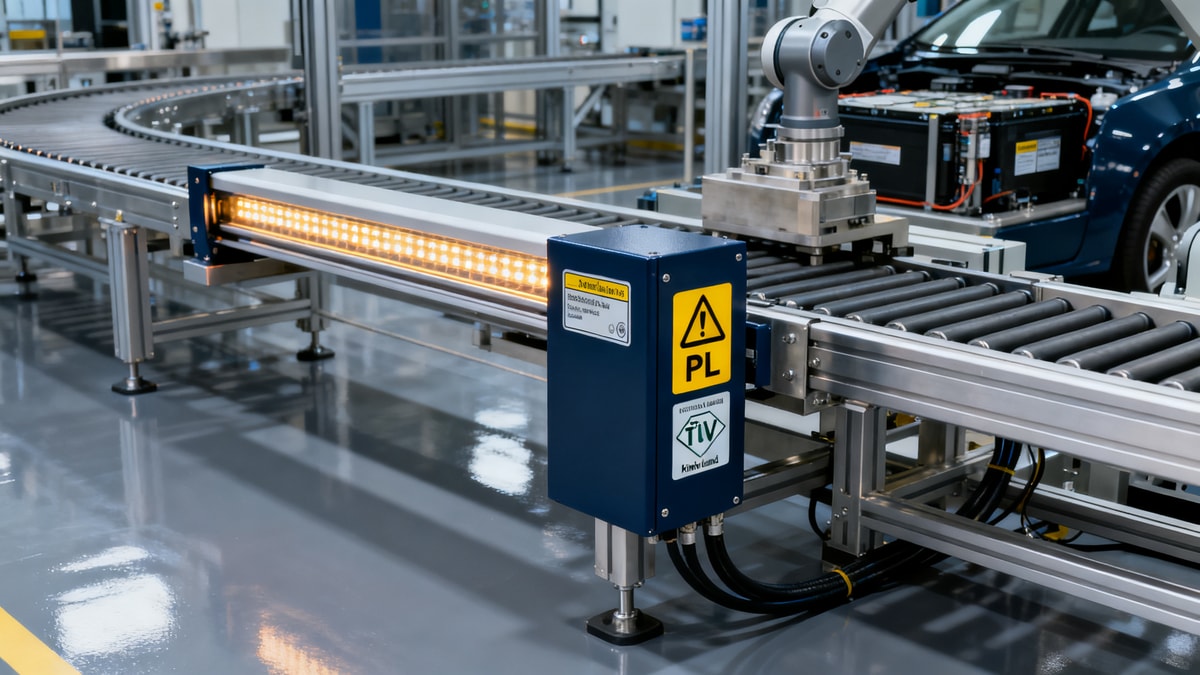
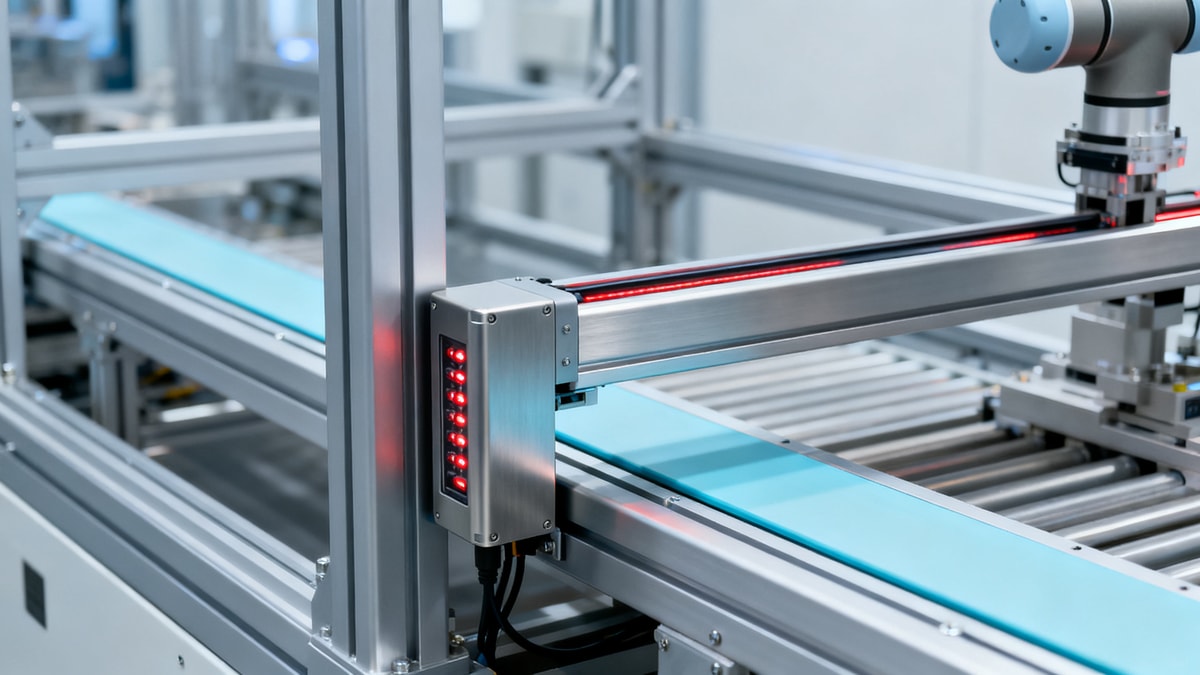
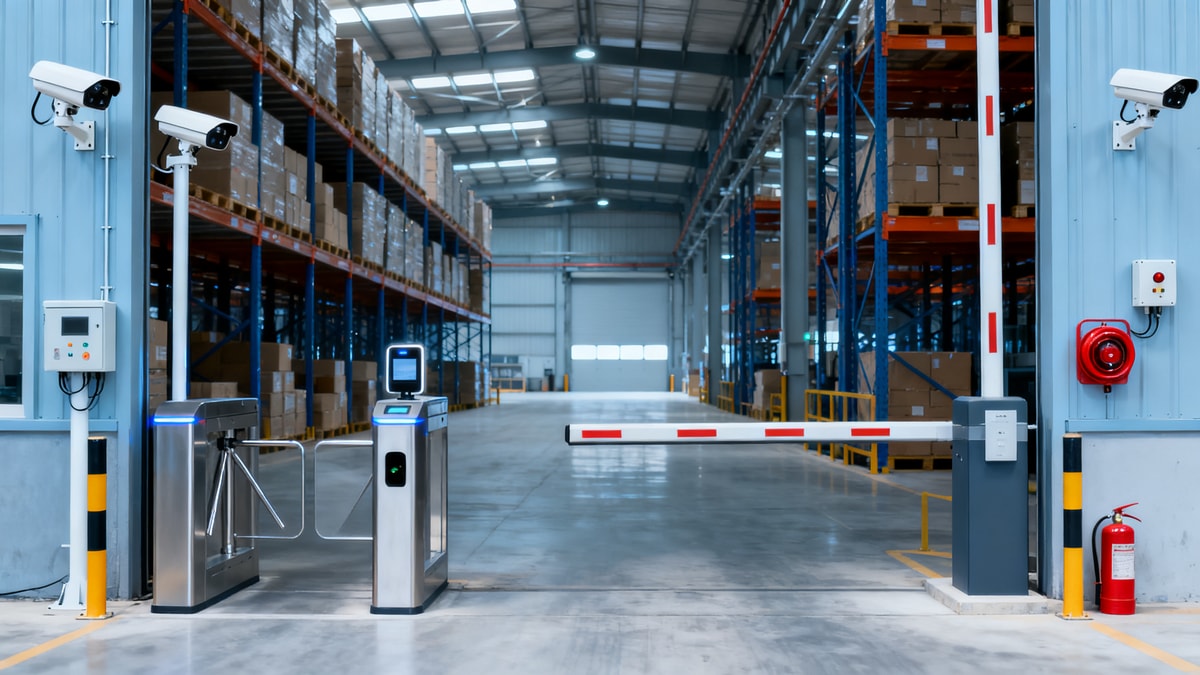
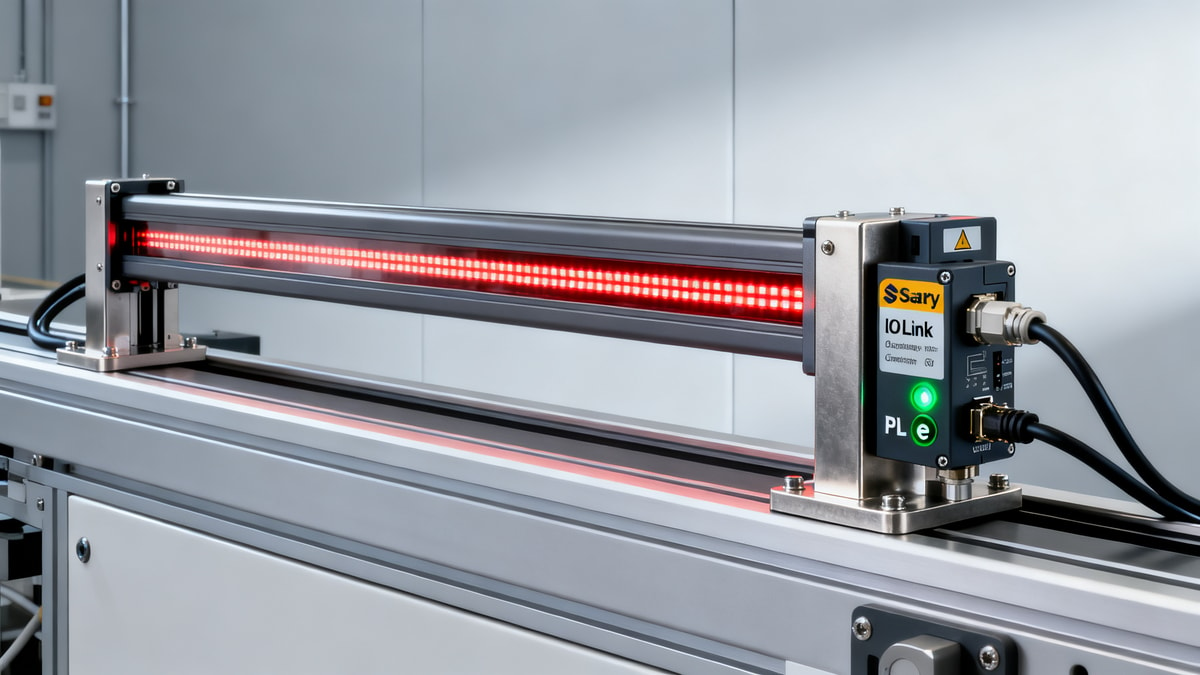
On May 5, 2026, the German Institute for Standardization (DIN) published DIN SPEC 91492:2026, requiring all industrial safety light curtains sold or deployed in Germany—including those used in CCTV and access control–related safeguarding—to support dynamic Performance Level (PL) elevation during human–machine collaborative operation. The standard takes effect on October 1, 2026, and directly impacts manufacturers exporting safety light curtains to Germany, especially those supplying automotive and battery manufacturing automation lines—sectors where China accounts for 41% of global exports.
Event Overview
The German Institute for Standardization (DIN) released DIN SPEC 91492:2026 on May 5, 2026. This specification mandates that industrial safety light curtains intended for use in Germany must implement functionality enabling real-time, context-aware elevation of their assigned Performance Level (PL) under human–machine collaborative conditions. Compliance requires verification by TÜV Rheinland. The requirement applies to devices used in CCTV and access control–integrated safeguarding applications. The standard becomes effective on October 1, 2026.
Industries Affected
Export-Oriented Manufacturing Enterprises
Manufacturers based in China—and other export-dependent regions—that supply safety light curtains to German end users or integrators are directly affected. Since China holds 41% of global safety light curtain exports, a significant portion of production capacity must align with this specification ahead of the October 2026 deadline.
Automation System Integrators
Integrators deploying safety systems in German automotive and battery production facilities must verify that newly procured light curtains meet DIN SPEC 91492:2026. Non-compliant devices may be rejected during acceptance testing or fail certification audits, delaying line commissioning.
Supply Chain & Certification Service Providers
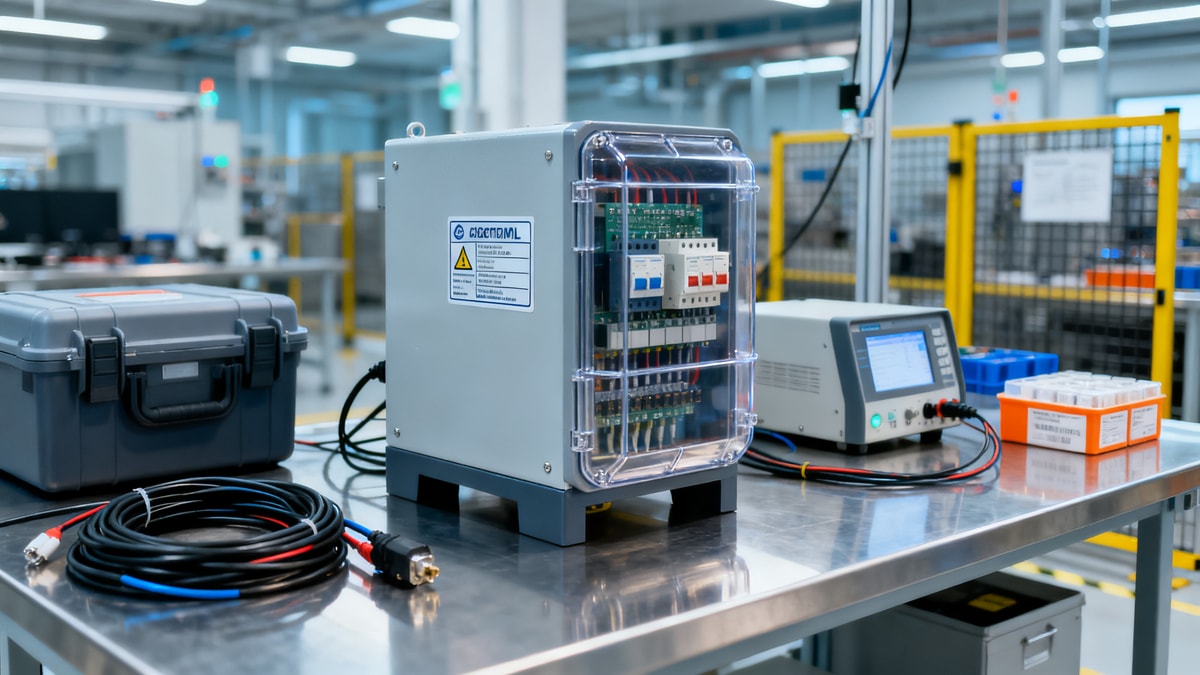
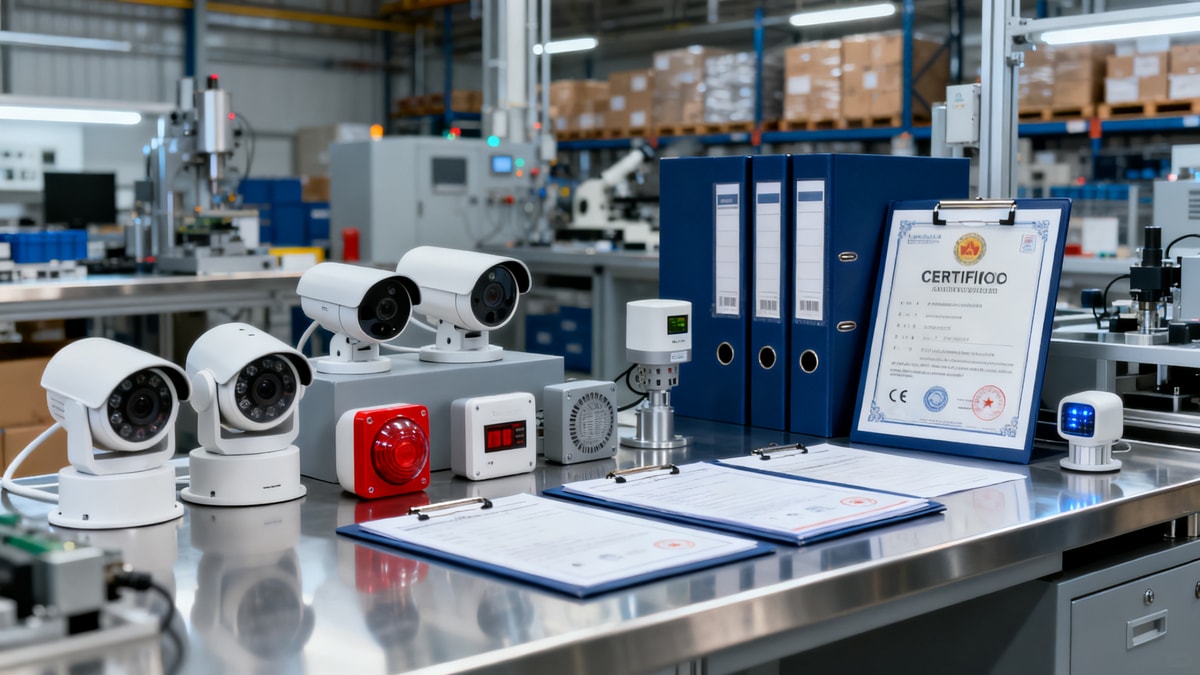
Third-party testing labs, certification consultants, and logistics partners supporting EU market access must update documentation workflows and compliance checklists to include PL dynamic verification validation—particularly the TÜV Rheinland certification pathway specified in the standard.
What Relevant Enterprises or Practitioners Should Monitor and Do Now
Track official interpretations and implementation guidance
Analysis shows that DIN SPEC 91492:2026 is a specification—not a full standard—and its technical interpretation (e.g., definitions of ‘collaborative scenario’, acceptable test methods for dynamic PL elevation) may evolve via DIN-issued FAQs or TÜV Rheinland’s upcoming technical bulletins. Stakeholders should subscribe to updates from both organizations.
Verify applicability to specific product families and deployment contexts
Observably, the mandate applies only to light curtains used in human–machine collaborative settings within CCTV and access control–linked safeguarding. Standalone perimeter guarding or non-collaborative applications may fall outside scope. Exporters should map current SKUs against these operational conditions before initiating redesign or recertification.
Confirm TÜV Rheinland’s certification timeline and capacity
From an industry perspective, TÜV Rheinland is named as the designated conformity assessment body. Early engagement is advised: analysis indicates potential bottlenecks in testing slots, especially for firmware- or logic-based PL elevation implementations requiring functional safety validation per IEC 61508/62061.
Review procurement and lead-time planning for components and firmware
Current more practical preparation includes auditing existing optical sensor modules, safety controllers, and embedded firmware stacks for compatibility with dynamic PL evaluation logic. Suppliers reporting extended lead times for certified safety MCUs or updated communication protocols (e.g., safe over EtherCAT) should be flagged for alternative sourcing or buffer stock planning.
Editorial Perspective / Industry Observation
This development is better understood as a regulatory signal than an immediate technical barrier. DIN SPEC 91492:2026 reflects a broader shift toward adaptive safety architecture in Industry 4.0 environments—where static PL assignment no longer suffices when robot speed, payload, or human proximity changes dynamically. Observably, it precedes expected updates to EN ISO 13857 and EN 61496, suggesting future harmonization across EU machinery directives. However, because it is issued as a DIN SPEC (not a DIN EN standard), its enforceability beyond Germany—and its interaction with CE marking requirements—remains subject to ongoing clarification.
For now, the regulation signals growing emphasis on runtime safety integrity assurance, rather than design-time compliance alone. It also underscores that safety certification is becoming increasingly application- and context-sensitive—not just device-specific.
Conclusion
DIN SPEC 91492:2026 marks a targeted evolution in safety system requirements for human–machine collaboration in Germany—not a wholesale revision of light curtain standards. It is best interpreted as an early-stage, nationally anchored specification with strong implications for exporters serving high-automation sectors. Its significance lies less in immediate disruption and more in signaling a directional shift toward adaptive, behavior-aware safety validation in industrial environments.
Information Sources
Main source: German Institute for Standardization (DIN), DIN SPEC 91492:2026, published May 5, 2026.
Supplementary reference: TÜV Rheinland public statements on certification scope for DIN SPEC 91492 (as of May 2026).
Note: Ongoing observation is required regarding whether this specification will be incorporated into future revisions of EN 61496 or referenced in EU Commission guidelines on Machinery Regulation (EU) 2023/1230.
Technical Specifications
- SASO Mandates Dual Energy Label for Industrial Transformers in Saudi Arabia from May 2026Author :Grid Infrastructure Analyst
- EN 61000-4-30:2026 Enforced: Class A Harmonic Traceability Mandatory for EU PQ AnalyzersAuthor :Precision Metrology Expert
- US DOE Level 3 Transformer Efficiency Standard Effective July 1, 2026Author :Grid Infrastructure Analyst
Expert Insights

Chief Security Architect
Dr. Thorne specializes in the intersection of structural engineering and digital resilience. He has advised three G7 governments on industrial infrastructure security.
Related Analysis
- May 06, 2026SASO Mandates Dual Energy Label for Industrial Transformers in Saudi Arabia from May 2026Author :Grid Infrastructure Analyst
- May 06, 2026EN 61000-4-30:2026 Enforced: Class A Harmonic Traceability Mandatory for EU PQ AnalyzersAuthor :Precision Metrology Expert
- May 06, 2026US DOE Level 3 Transformer Efficiency Standard Effective July 1, 2026Author :Grid Infrastructure Analyst
Core Sector // 01
Security & Safety
- DIN SPEC 91492:2026 Released: Safety Light Curtains Must Support Dynamic PL Adjustment in Human-Robot CollaborationAuthor :Safety Compliance Lead

- DIN SPEC 91492:2026 Mandates PL Dynamic Verification for Safety Light Curtains in GermanyAuthor :Safety Compliance Lead

- Security & Safety standards that affect product acceptanceAuthor :Safety Compliance Lead

- Security & Safety solutions that scale from one site to manyAuthor :Safety Compliance Lead

- How to spot a reliable Security & Safety supplier earlyAuthor :Safety Compliance Lead

- DIN SPEC 91492:2026 Released: Safety Light Curtains Must Support Dynamic PL Elevation for Human-Robot CollaborationAuthor :Safety Compliance Lead

- Security & Safety Standards That Often Get Missed in Expansion ProjectsAuthor :Safety Compliance Lead

- Facility Management Standards That Matter Most in Daily OperationsAuthor :Safety Compliance Lead