Portable gas monitors: diffusion or pump sampling for daily checks?
Author
Date Published
Reading Time
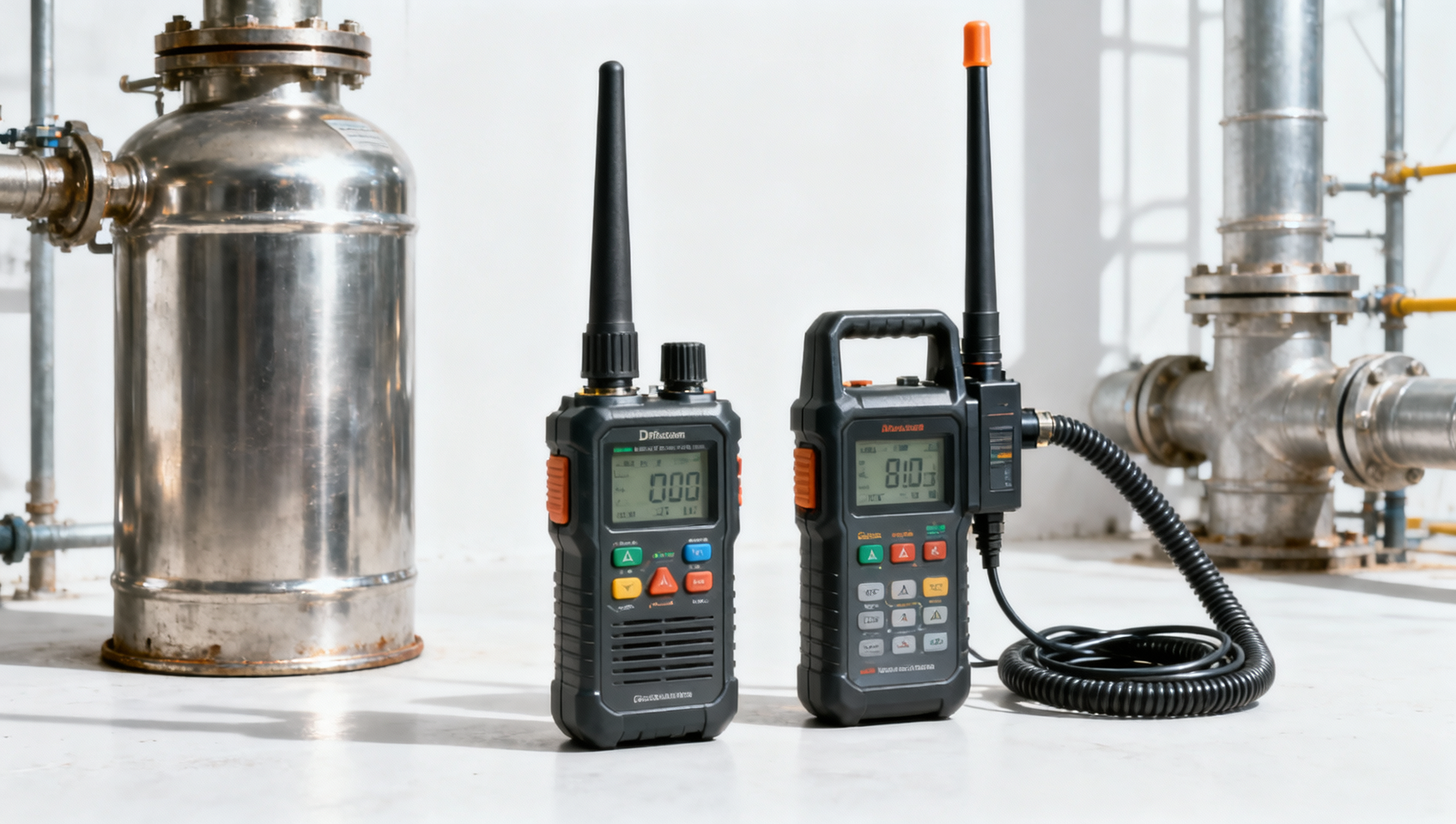
Choosing between diffusion and pump sampling can directly affect the speed, accuracy, and practicality of daily checks with portable gas monitors. For safety teams, operators, and buyers comparing portable gas monitors, carbon monoxide alarms, gas leak detectors wholesale options, and other confined space equipment, the right sampling method is not just a technical detail—it shapes response time, compliance, and worker protection in real industrial environments.
Why the sampling method matters in daily industrial gas checks
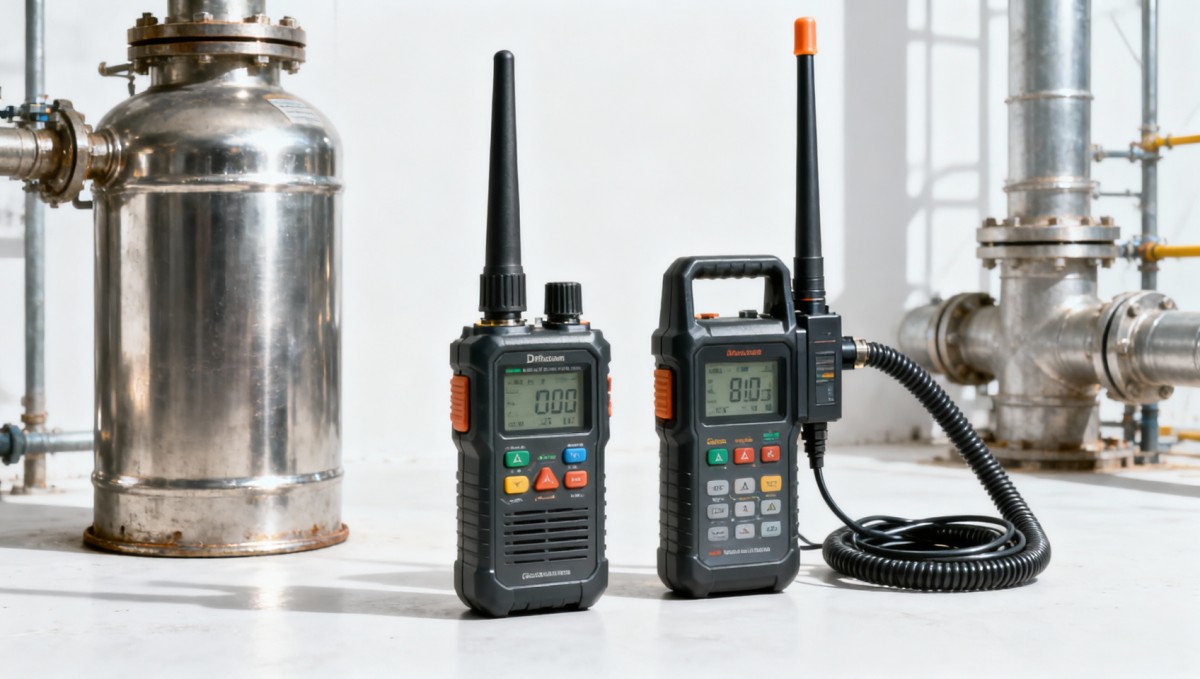
In day-to-day operations, portable gas monitors are often used in 3 common ways: pre-entry checks, routine area verification, and rapid investigation after an alarm or odor report. In each case, the sampling method changes how quickly the user can detect atmospheric hazards and how confidently a supervisor can approve work. That is why the choice between diffusion and pump sampling should be tied to the task, not only to budget or device familiarity.
Diffusion gas monitors rely on natural air movement to bring gas to the sensor. They are simple, lightweight, and practical for workers who need continuous personal monitoring during a shift that may last 8–12 hours. Pump sampling models actively draw air through tubing, which makes them more suitable for remote sampling, stratified atmospheres, and confined space checks where the user must test before entry from a safe position.
For information researchers and procurement teams, the key issue is not which technology sounds more advanced. The real question is whether the monitor fits the hazard profile, work routine, and compliance process of the site. A low-complexity facility with open-air maintenance tasks may manage daily checks with diffusion units. A plant with tanks, pits, sewers, ducts, or enclosed chambers usually needs pump capability for a meaningful pre-entry assessment.
Global Industrial Core supports this decision process by translating technical specifications into sourcing logic. Instead of treating portable gas monitors as interchangeable safety items, GIC frames them as operational risk controls linked to worker behavior, inspection workflow, and procurement accountability. That approach is especially useful when buyers must compare portable gas monitors, gas leak detectors wholesale offers, and carbon monoxide alarms across multiple jobsite conditions.
Three questions to ask before choosing a monitor
- Will the user test air directly in the breathing zone, or from 1–3 meters away through tubing before entering a space?
- Is the monitor intended for continuous wear throughout a shift, or for structured pre-task checks at multiple points each day?
- Does the site require only personal warning, or documented confined space procedures with repeatable test steps and supervisory sign-off?
Diffusion vs pump sampling: what is the practical difference?
The technical distinction is simple, but the field impact is significant. A diffusion monitor detects gas when the surrounding atmosphere naturally reaches the sensor opening. A pump gas monitor uses an internal or external pump to draw a sample at a controlled rate. In practical terms, diffusion is reactive to the user’s immediate location, while pump sampling is proactive because it allows testing of another location before the user reaches it.
For daily checks, diffusion units often reduce user burden. They are typically easier to clip on, activate, bump test, and carry during repetitive rounds. This matters in broad industrial environments where operators already manage PPE, radios, permits, and handheld tools. However, convenience should not be mistaken for universal suitability. If a worker needs to test a vessel, trench, manhole, or vertical shaft, diffusion alone cannot sample the atmosphere at depth before approach.
Pump sampling also adds discipline to the process. Because the user draws air through a probe and hose, there is a clearer sequence: sample top, middle, and bottom; wait for stabilization; compare readings; then decide on entry. In many facilities, that 3-point method is more aligned with confined space procedures than a quick glance at a personal wearable detector. The trade-off is extra maintenance, battery demand, tubing checks, and slightly more operator training.
The table below summarizes the most relevant operational differences for buyers and safety managers reviewing portable gas monitors for daily use, emergency response readiness, and procurement standardization across multiple crews.
This comparison shows why many industrial sites do not choose one method exclusively. A common strategy is a 2-tier deployment: diffusion monitors for continuous personal protection and pump gas monitors for permit-required checks. For procurement teams, that mixed approach often gives better operational coverage than trying to force one device type into every scenario.
Where diffusion is often the better daily tool
Diffusion portable gas monitors fit routine patrols, utility corridors, boiler rooms, loading areas, and general maintenance work where the worker moves through relatively open air and needs ongoing warning. In these settings, portability and wearability matter more than remote reach. If a worker must carry the monitor for 6–10 inspections per shift, lower complexity can improve actual compliance.
Where pump sampling becomes essential
Pump sampling is the safer choice for pre-entry testing of enclosed or partially enclosed spaces, especially where gases may stratify. Some gases accumulate low, others high, and oxygen deficiency may not be uniform from top to bottom. A monitor that samples only at chest height after entry does not provide the same risk control as one that checks the atmosphere remotely before entry at several levels.
Which work scenarios favor diffusion, and which require a pump?
Application fit is where many purchases succeed or fail. Buyers often compare sensor count, alarm type, or headline price, yet the decisive factor is task environment. A single maintenance contractor may need one monitor type for daily route inspections and another for confined space permits. That is why scenario-based selection is more reliable than choosing only by product category or supplier catalog language.
In open process areas, diffusion portable gas monitors are frequently sufficient for detecting hazards in the worker’s immediate zone. This includes operations involving combustion gases, forklift traffic, temporary heating equipment, or intermittent solvent exposure. Carbon monoxide alarms and 4-gas diffusion monitors are often used for these routine checks because they support continuous monitoring without adding hose management or pump verification steps.
In contrast, tanks, vaults, pits, trenches, wastewater structures, and cargo holds often require pump sampling. These spaces may present oxygen deficiency, toxic gas pockets, or flammable atmospheres that cannot be assessed from outside by diffusion. If the site procedure requires atmospheric testing before each entry and re-testing after work interruptions longer than 20–30 minutes, pump capability usually becomes part of the safe system of work.
The next table offers a practical scenario guide for users, safety coordinators, and procurement managers comparing portable gas monitors across mixed industrial environments.
A scenario-based matrix helps avoid two common mistakes: overspending on pump models for low-risk wear applications, or under-specifying diffusion units for spaces that require remote testing. In sourcing discussions, this framework also helps compare gas leak detectors wholesale offers more fairly, because the decision is anchored to use case rather than promotional wording.
A practical 4-step field decision process
- Map the task: identify open area, semi-enclosed zone, or permit-required space.
- Match the hazard: oxygen, flammable gas, hydrogen sulfide, carbon monoxide, or other target gases.
- Define the check method: wearable continuous warning, remote pre-entry sampling, or both.
- Confirm operating routine: shift length, bump test frequency, charging cycle, and calibration plan.
What should buyers compare beyond the product brochure?
Procurement teams often receive quotations that look similar on the surface: same gas list, similar display, similar alarm description. Yet long-term usability can vary significantly. For portable gas monitors used every day, selection should include at least 5 purchasing dimensions: sampling method fit, maintenance workload, certification alignment, consumable availability, and training burden. Ignoring any one of these can raise cost after deployment even when the initial price looks attractive.
Battery runtime matters because daily checks may involve full-shift wear or multiple pre-entry inspections across 8–12 hours. Sensor replacement intervals matter because service gaps affect fleet continuity. Hose, probe, filter, charger, docking, and calibration accessories matter because a pump gas monitor is only as reliable as the sample path. For multi-site organizations, spare parts standardization across 2–4 facilities can reduce downtime and simplify stock control.
Buyers should also compare operational acceptance. A monitor that is technically capable but cumbersome may see lower actual use in the field. This is especially relevant when comparing wearable diffusion units with pump models for contractors or rotating crews. If the workforce needs short training cycles of 30–60 minutes rather than multi-session instruction, the chosen equipment should match that reality without compromising the required testing method.
The checklist below can be used during supplier evaluation, tender comparison, or internal standardization of portable gas monitors and related gas detection equipment.
Five procurement checkpoints for daily-use gas monitors
- Confirm whether the device is intended for personal diffusion monitoring, pump-assisted remote sampling, or convertible use with an add-on pump.
- Verify the site’s target gases and alarm logic, especially when carbon monoxide alarms are needed in vehicle, boiler, or combustion-related zones.
- Ask about consumables and service rhythm, including filters, sample tubing, pump parts, bump test accessories, and calibration support.
- Check certification needs such as CE, UL, or ISO-related quality system expectations in the procurement chain and destination market.
- Evaluate delivery planning, including sample review, pilot quantity, and broader rollout windows such as 2–4 weeks for assessment and 4–8 weeks for scaled deployment.
Cost logic: purchase price is only one layer
A lower upfront quote can become less competitive when recurring calibration, training time, accessory replacement, and user error are considered. Diffusion units often reduce per-user complexity, while pump sampling models can reduce the risk cost of an incorrect pre-entry decision. The correct comparison is not just unit price versus unit price. It is total operational fit versus exposure risk over the equipment lifecycle.
How do standards, procedures, and daily routines affect the choice?
Compliance requirements do not always specify a single product type, but they do shape the method of use. In many industrial settings, portable gas monitors must support documented bump testing, calibration intervals, alarm verification, and pre-entry atmospheric checks. If the worksite follows confined space entry procedures, the monitor must fit that procedure in a repeatable way. A diffusion-only model may be compliant for personal wear, but insufficient for remote pre-entry testing.
Routine management also matters. Safety teams commonly set daily or pre-shift bump checks, periodic calibration according to manufacturer guidance, and re-test intervals during extended tasks. On higher-risk jobs, the process may involve 3 stages: pre-job verification, entry confirmation, and periodic in-task reassessment. A pump gas monitor supports this sequence more directly when the atmosphere must be sampled at several points before personnel move into the space.
For procurement and decision-makers, this means the device should be chosen together with the workflow. Training, signage, test records, docking or charging habits, and spare availability all influence whether the selected monitor will perform as intended. GIC’s sourcing perspective is useful here because it connects instruments and measurement decisions with safety execution, not just catalog specification lines.
A well-implemented gas detection program often includes the following routine controls, which can be used as a baseline when comparing suppliers and internal rollout plans.
Six routine controls that affect monitor suitability
- Pre-shift functional check before the monitor is issued to the user.
- Scheduled bump testing based on site rules and manufacturer instructions.
- Calibration planning at defined intervals and after certain service events.
- Battery or charging management for full-shift readiness.
- Filter, tubing, and probe inspection for pump sampling configurations.
- Documentation of readings and permit linkage for confined space tasks.
A common misconception to avoid
Some teams assume that if a monitor can detect the same gases, it can handle the same job. That is not always true. The sensor type may be similar, but the sampling pathway changes what the user can actually assess before exposure. This is one reason a portable gas monitor should be evaluated as part of the task method, not as an isolated electronic device.
FAQ for researchers, operators, and procurement teams
The questions below reflect common search intent from users comparing portable gas monitors, carbon monoxide alarms, and gas leak detectors wholesale options for daily industrial checks. They also address the practical concerns that often slow down purchase approval or implementation planning.
Is a diffusion monitor enough for confined space entry?
Usually not by itself when remote pre-entry testing is required. A diffusion unit can warn the wearer about the atmosphere where the device is located, but it does not actively draw a sample from inside the space before approach. For tanks, pits, or vaults, pump sampling is generally the more appropriate method because it supports testing from outside the hazard zone and at different depths.
Are pump gas monitors always slower?
They can take longer per check because the user may need to allow time for sample travel and reading stabilization, especially with longer tubing. However, “slower” is not the right decision metric. For pre-entry tasks, that extra time often represents a safer process. For routine wearable monitoring during an 8-hour shift, diffusion can be more convenient and therefore more practical.
Can one site use both diffusion and pump sampling models?
Yes, and many industrial sites do exactly that. A mixed fleet is often the best solution: diffusion portable gas monitors for broad workforce issue and pump units for supervisors, rescue teams, or permit-controlled tasks. This 2-layer strategy can improve cost control while still covering remote sampling requirements and continuous personal protection.
What should procurement ask before requesting a quote?
Start with 4 items: target gases, work scenario, required certifications, and maintenance expectations. Then ask about lead time, accessory package, calibration approach, and whether the quote is for diffusion, pump, or expandable configuration. These details make quotation comparisons more accurate and reduce the risk of buying gas leak detectors wholesale that do not match real site procedures.
Why work with GIC when evaluating portable gas monitors?
Global Industrial Core helps industrial buyers move from generic product comparison to decision-ready sourcing. That means connecting safety requirements, instruments and measurement needs, compliance expectations, and field practicality in one procurement conversation. For organizations managing EPC projects, facility upgrades, contractor safety programs, or multi-site maintenance, that integrated approach reduces the risk of selecting equipment that looks suitable on paper but fails in daily use.
If you are comparing diffusion and pump sampling portable gas monitors, GIC can support structured evaluation around 5 practical topics: gas type coverage, daily check workflow, pre-entry procedure fit, delivery planning, and certification requirements. This is especially valuable when a purchasing team must align operators, HSE personnel, and management before releasing budget or standardizing a fleet.
You can contact GIC to discuss parameter confirmation, application matching, accessory scope, sample support, expected delivery windows, and quotation comparison logic. If your team is reviewing carbon monoxide alarms, multi-gas portable gas monitors, or gas leak detectors wholesale channels for industrial deployment, a scenario-led review can clarify whether diffusion, pump sampling, or a combined approach is the better fit.
For faster project alignment, prepare 6 inputs before consultation: target gases, area type, number of users, shift duration, required compliance references, and whether confined space entry is involved. With those details, the discussion can move quickly from broad product interest to a usable selection path, realistic rollout plan, and procurement-ready specification shortlist.
Technical Specifications
- SCFI Surges 27% Weekly; Shanghai–Rotterdam Freight Hits $4,200/TEUAuthor :Environmental Engineering Director
- INMETRO New Rule: Industrial Circuit Breakers Must Pass IEC 60947-2 Annex Q Test from Sep 2026Author :Grid Infrastructure Analyst
- FDA Expands Regulation of Industrial Air Filters: ULPA Filter MVR Verification RequiredAuthor :Environmental Engineering Director
Expert Insights

Chief Security Architect
Dr. Thorne specializes in the intersection of structural engineering and digital resilience. He has advised three G7 governments on industrial infrastructure security.
Related Analysis
- Apr 26, 2026SCFI Surges 27% Weekly; Shanghai–Rotterdam Freight Hits $4,200/TEUAuthor :Environmental Engineering Director
- Apr 26, 2026INMETRO New Rule: Industrial Circuit Breakers Must Pass IEC 60947-2 Annex Q Test from Sep 2026Author :Grid Infrastructure Analyst
- Apr 26, 2026FDA Expands Regulation of Industrial Air Filters: ULPA Filter MVR Verification RequiredAuthor :Environmental Engineering Director
Core Sector // 01
Security & Safety
- EN 61000-4-30:2026 Published: New Harmonic Group Immunity Testing for PQ AnalyzersAuthor :Precision Metrology Expert
![]()
- China Launches World's Largest Agri-Meteorological Observation NetworkAuthor :Precision Metrology Expert
![]()
- Meeting new sensor industrial standardsAuthor :Precision Metrology Expert

- How to Source CNC Machining Parts OEM in 2026Author :Precision Metrology Expert

- Tungsten Carbide Inserts: When to Replace ThemAuthor :Precision Metrology Expert

- China Launches World’s Largest Agri-Meteorological Observation NetworkAuthor :Precision Metrology Expert
![]()
- China's Industrial Sensor Exports Rise 17.3% YoY in Q1 2026Author :Precision Metrology Expert
![]()
- How to Choose a Total Station in 2026Author :Precision Metrology Expert