Carbon monoxide alarms that pass tests but miss real placement issues
Author
Date Published
Reading Time
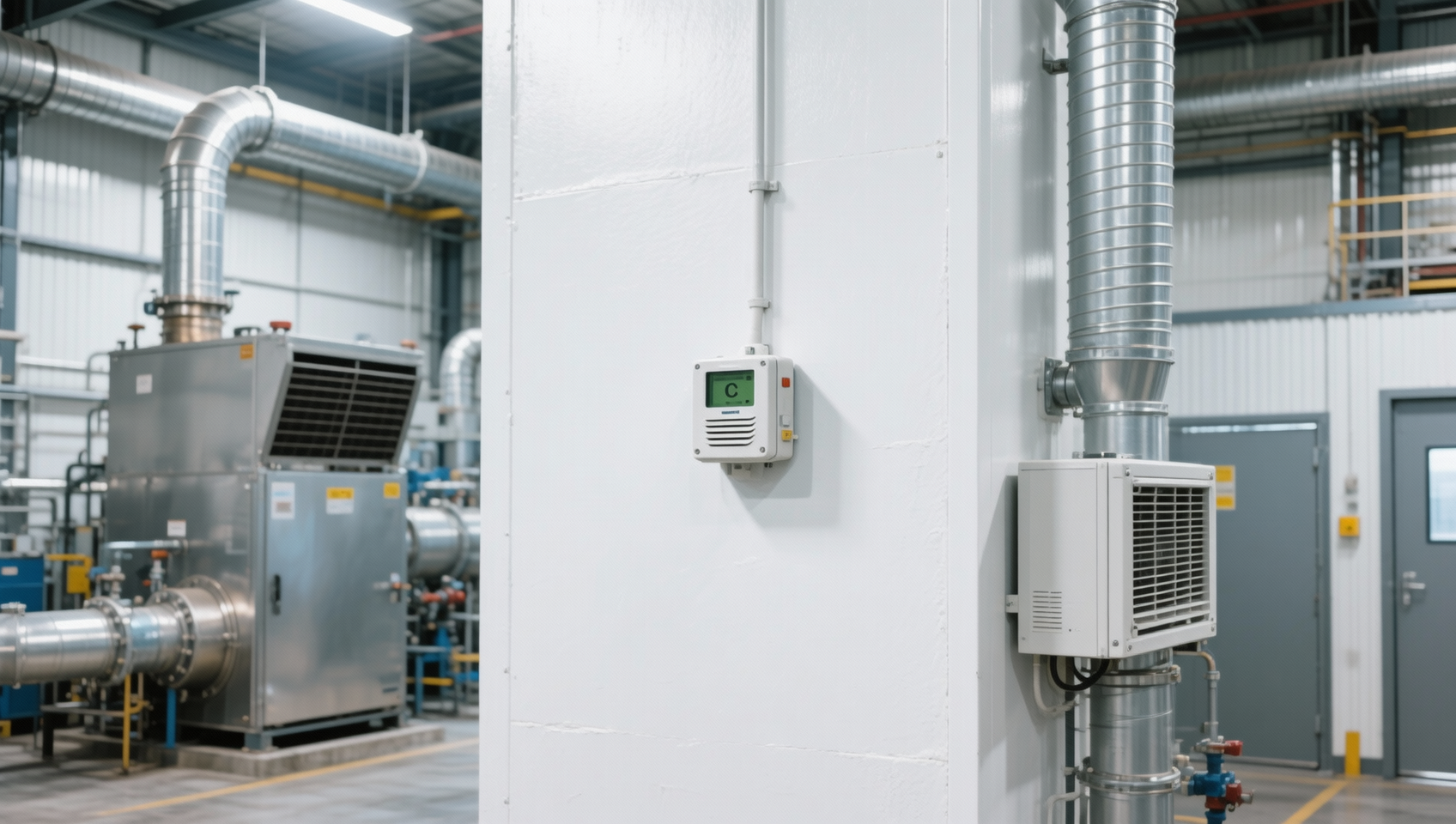
Many carbon monoxide alarms pass lab certification yet still fail to protect occupants when installed in the wrong place. For facility teams, buyers, and safety managers comparing carbon monoxide alarms, portable gas monitors, and gas leak detectors wholesale options, the real risk is not only sensor quality but placement strategy. This article examines why compliant devices can still underperform in real environments and how to make smarter procurement and installation decisions.
Why certified carbon monoxide alarms still miss real-world risk
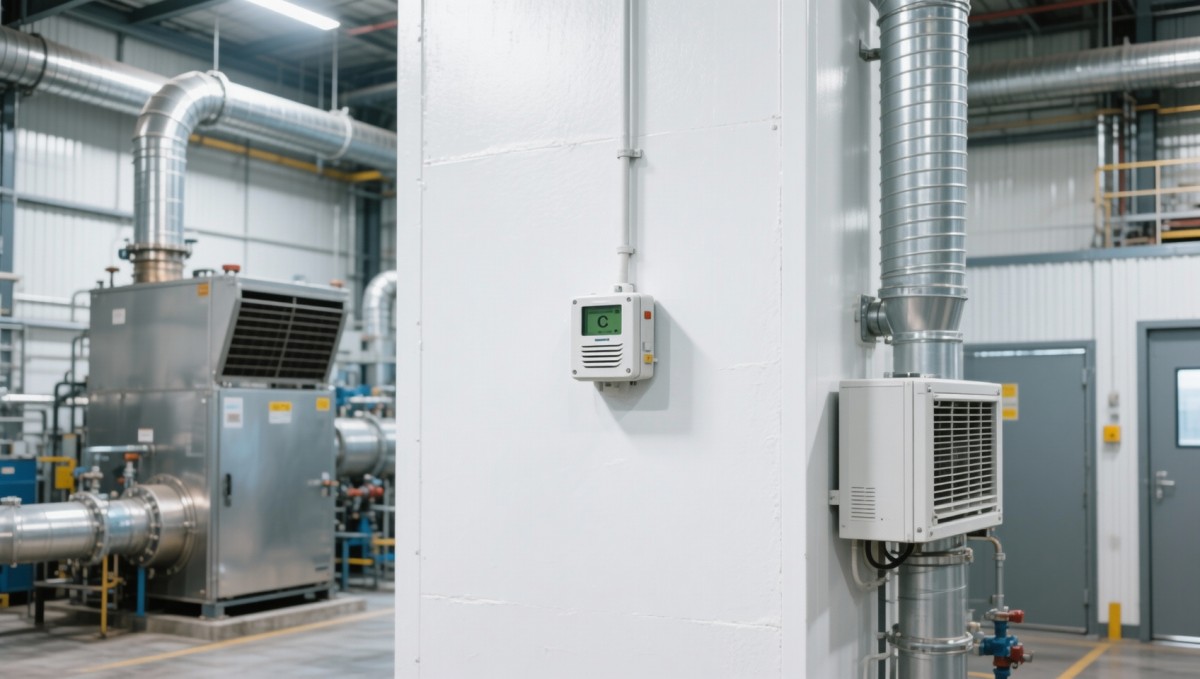
A carbon monoxide alarm can meet recognized test protocols and still leave a dangerous blind spot in a plant room, warehouse office, generator shelter, hotel corridor, or boiler-adjacent service area. The reason is simple: certification confirms that the device responds under defined lab conditions, but the site rarely behaves like a lab. Air movement, ceiling height, partition walls, equipment heat, and intermittent combustion sources all affect how carbon monoxide accumulates and travels.
This gap matters across mixed commercial and industrial environments. Information researchers want to know whether a compliant alarm is enough. Operators need fewer nuisance alarms and clearer warning zones. Procurement teams compare fixed carbon monoxide alarms against portable gas monitors and gas leak detectors wholesale offers. Decision-makers need to reduce liability, downtime, and rework within a 12–36 month asset planning cycle.
In practice, the most common failure is not sensor absence but poor placement. Units installed too close to vents, too far from likely emission points, behind structural obstructions, or at heights that do not match the application can delay detection. In enclosed or semi-enclosed environments, a few meters of positioning error can materially change response time, especially where airflow changes by shift, season, or process load.
For B2B buyers, this means product comparison should move beyond headline compliance. A better question is whether the detection layout matches the hazard profile. Global Industrial Core supports that wider decision frame by connecting safety performance, installation logic, procurement review, and standards awareness into one evaluation path rather than treating the carbon monoxide alarm as an isolated device purchase.
What certification usually proves, and what it does not
Certification generally demonstrates that a carbon monoxide alarm can detect concentration thresholds within specified tolerances and alarm logic under controlled conditions. It may also cover environmental testing, electrical safety, and product construction. What it does not automatically prove is adequate site coverage in a boiler room with variable ventilation, a parking deck with changing vehicle density, or a service corridor where air stratification shifts during the day.
That distinction becomes critical when procurement teams assume a certified unit will perform equally well in every building geometry. It will not. The alarm must be selected and positioned according to source location, occupant exposure patterns, maintenance access, and the interaction with HVAC or exhaust systems. A sound purchasing process therefore combines compliance review with site mapping, not one without the other.
Typical causes of underperformance after installation
- The unit is installed near supply vents or open doors, where dilution reduces early detection.
- The device is mounted for convenience rather than hazard mapping, often 3–8 meters away from the most credible emission source.
- Portable gas monitors are purchased for flexibility, but no procedure defines who carries them, where they are stored, or how often bump checks occur.
- Wholesale gas leak detector purchases focus on unit price, while calibration intervals, replacement lead times, and cross-site consistency are ignored.
Which device type fits which environment: fixed alarm, portable monitor, or broader gas detection?
Many buyers compare carbon monoxide alarms with portable gas monitors as if they are direct substitutes. Sometimes they overlap, but often they serve different control layers. A fixed carbon monoxide alarm is usually the right baseline for permanent risk areas and occupied zones. A portable gas monitor supports mobile work, confined space entry, temporary maintenance, and verification tasks. A gas leak detector wholesale program may cover multiple gases, not only CO, and may fit larger safety standardization plans across several facilities.
The strongest strategy is often layered. A fixed network addresses continuous area monitoring. Portable monitors protect technicians during variable tasks. Broader gas detection platforms help organizations manage mixed hazards such as carbon monoxide, combustible gases, oxygen depletion, or process by-products. The right choice depends on whether the main objective is life safety, work permit control, asset protection, or regulatory housekeeping.
For procurement, the comparison should include at least 5 dimensions: coverage logic, calibration burden, alarm visibility, maintenance downtime, and expansion compatibility. A lower-cost device can become expensive if it requires frequent manual intervention, fragmented spare parts, or separate training for each site. In multi-building operations, standardizing one evaluation matrix across 3 or more facility types usually reduces re-approval time and purchasing confusion.
The table below outlines the practical differences that matter when selecting between carbon monoxide alarms, portable gas monitors, and broader gas leak detectors for industrial and commercial settings.
The main lesson is that a certified detector category does not eliminate the need for scenario-based selection. A fixed carbon monoxide alarm is usually the anchor for permanent spaces. Portable gas monitors add task-level protection. Broader gas detection makes sense where the hazard list extends beyond CO. Buyers should avoid using one category to compensate for bad placement or unclear operating procedures in another.
A practical decision path for mixed facilities
- List the combustion or vehicle-related sources in each zone and note whether exposure is continuous, intermittent, or task-based.
- Separate permanent occupancy from transient access. Spaces occupied for 8–12 hours per shift usually need different alarm priorities than maintenance-only spaces.
- Decide whether fixed area coverage, portable worker coverage, or both are required. In many sites, the answer is a 2-layer system rather than a single product line.
- Review service intervals, replacement lead times, and cross-site standardization before approving a wholesale gas detector purchase.
What placement factors should procurement and facility teams check before buying?
Placement should be discussed before the purchase order, not after installation. Too often, the product is sourced first and the site review happens later, which leads to extra brackets, rewiring, re-commissioning, or missed coverage. A disciplined pre-buy process saves both safety risk and hidden project cost. Even in small and mid-sized facilities, 4 planning steps can prevent most placement-related underperformance.
The first step is source mapping. Identify boilers, generators, forklifts, vehicle ramps, combustion appliances, and any temporary engine use. The second step is airflow review, including extract fans, louvers, open shutters, and duct discharge paths. The third step is occupancy mapping: where do people actually work, walk, wait, or sleep? The fourth step is maintenance access, because an inaccessible alarm often becomes a poorly maintained alarm.
In multi-zone facilities, the decision is not only where to place the sensor but also how many monitoring points are required. Typical reviews consider at least 3 categories: single-source enclosed rooms, open utility spaces with mixed airflow, and extended corridors or car-park style layouts. Each category changes detector spacing logic, annunciation needs, and maintenance effort. This is why the cheapest unit cost rarely reflects total installed value.
The table below gives procurement and engineering teams a site-check framework before they compare quotations for carbon monoxide alarms, portable gas monitors, or gas leak detectors wholesale programs.
A good procurement file should therefore include more than a datasheet. It should contain a zone list, detector rationale, installation assumptions, and a maintenance plan. When those elements are documented up front, buyers can compare quotations on real project value rather than apparent hardware savings alone.
Five questions that expose placement risk early
- Is the detector being mounted where gas is likely to accumulate or merely where wiring is easiest?
- Will seasonal ventilation changes alter the airflow pattern within 2–3 months of commissioning?
- Does the alarm output need to trigger local sirens, building systems, or only operator awareness?
- How often will the unit be tested, calibrated, or replaced, and who owns that task?
- If the site expands, can the chosen product family scale without replacing the entire detection logic?
How do standards, compliance, and commissioning affect purchasing decisions?
In safety procurement, compliance is essential but incomplete. Buyers should review the applicable product standards, electrical approvals, and installation guidance relevant to the jurisdiction and application. In many projects, teams look for CE, UL, or ISO-linked quality processes, but the practical question remains: is the selected carbon monoxide alarm suitable for the actual environmental and operational conditions on site?
Commissioning is where compliance becomes operational safety. A detector that is correctly certified but badly commissioned may still create delayed alarms, false confidence, or maintenance gaps. Typical commissioning should include functional alarm checks, location verification, power or battery confirmation, and documentation of alarm routing. For larger sites, a 3-stage handover process is common: installation check, functional test, and operating team sign-off.
Documentation also matters to procurement and management teams. Without a clear record of detector location, calibration schedule, replacement interval, and responsible owner, even a strong initial installation can deteriorate within 6–18 months. This is especially true when facilities rely on temporary contractors, rotating maintenance teams, or decentralized buying across multiple sites.
Global Industrial Core approaches this as an engineering intelligence problem, not a catalog problem. Buyers need connected guidance that bridges product selection, standards interpretation, commissioning checkpoints, and life-cycle planning. That is particularly useful when comparing competing gas leak detectors wholesale offers that look similar on paper but differ in serviceability, integration support, and deployment fit.
Commissioning and compliance checklist
- Confirm that the selected detector type matches the hazard source and occupancy profile, not only the tender specification.
- Verify final mounting position after installation, especially where ducts, partitions, or equipment moved during the project.
- Record test dates, responsible personnel, alarm outputs, and maintenance intervals in a traceable format.
- Review recalibration or sensor replacement planning for the next 12 months, not only initial startup.
Common compliance mistake
A frequent error is assuming that passing product certification automatically resolves installation responsibility. It does not. Compliance demonstrates a baseline for the device; commissioning demonstrates that the installed system works in the real environment. Procurement teams that treat these as separate approvals usually achieve better long-term performance than teams that stop at the certificate review stage.
What mistakes do buyers and operators make most often?
One recurring mistake is buying on sensor specification alone. Sensitivity, alarm logic, and power options matter, but they are only part of the risk picture. If operators cannot hear, see, carry, test, or maintain the device properly, practical protection drops. Another mistake is treating all spaces with combustion equipment as identical. A compact boiler room, a loading bay, and a generator enclosure do not present the same carbon monoxide behavior or the same monitoring strategy.
A second mistake is using portable gas monitors to cover gaps that should have been addressed by fixed carbon monoxide alarms. Portable instruments are valuable, but they depend on human discipline. If they remain in charging docks, toolboxes, or lockers during exposure events, their theoretical protection is zero. For sites with recurring risk, fixed alarms usually provide the more dependable baseline.
A third mistake is underestimating life-cycle cost. A lower upfront price can be offset by frequent sensor replacement, hard-to-source consumables, fragmented calibrations, or incompatible accessories across locations. In many organizations, standardizing a manageable platform across 2–5 site types produces better total cost control than repeatedly purchasing the cheapest unit available for each individual project.
The final mistake is failing to review placement after operational changes. A detector installed in the correct location today may become less effective after equipment relocation, airflow modification, or partition changes. Annual review is a practical baseline, and higher-risk areas may justify checks every quarter, especially where ventilation or process loads fluctuate.
FAQ: common search and procurement questions
How should I choose between a carbon monoxide alarm and a portable gas monitor?
Choose a fixed carbon monoxide alarm for permanent risk areas and regular occupancy. Choose a portable gas monitor for mobile tasks, inspections, maintenance, or confined spaces. In many facilities, the answer is both. If exposure can occur daily in a defined area, fixed monitoring should usually come first, with portable devices used as a second layer for personnel protection and verification.
What should wholesale buyers check beyond unit price?
Check calibration support, replacement parts, lead time, warranty terms, compatibility across sites, training needs, and whether the supplier can help align placement with the intended environment. A wholesale gas detector purchase is not efficient if it creates three separate maintenance workflows or inconsistent alarm logic across different facilities.
How often should placement and functionality be reviewed?
A practical baseline is to review placement at least once per year and after any layout, ventilation, or equipment change. Functional checks follow the device and site procedure, while calibration or sensor servicing depends on the product category and operating conditions. Where safety exposure is higher, quarterly review is often more appropriate than annual visual confirmation alone.
Can certification replace a site survey?
No. Certification supports confidence in the product, but it does not map your airflow, occupancy, or emission points. A site survey or structured zone review remains necessary. This is particularly important when the same product family is being deployed across several building types with different ventilation and operational patterns.
Why work with Global Industrial Core on alarm selection and sourcing strategy?
When carbon monoxide alarm decisions involve multiple stakeholders, the real challenge is not only finding a compliant product. It is aligning hazard assessment, placement logic, procurement criteria, and implementation timing across engineering, operations, and purchasing. Global Industrial Core helps organizations build that alignment with industry-focused analysis across safety systems, measurement practices, electrical interfaces, and infrastructure-grade sourcing decisions.
For EPC contractors, facility managers, and industrial procurement directors, this means more than a product shortlist. It means support in comparing fixed carbon monoxide alarms, portable gas monitors, and gas leak detectors wholesale options against real operating conditions. It also means better preparation for questions around certification scope, installation assumptions, replacement planning, and multi-site standardization over 6–24 month procurement horizons.
You can contact Global Industrial Core for practical guidance on parameter confirmation, application fit, detector category comparison, expected delivery windows, sample evaluation pathways, certification review points, and quote alignment for single-site or multi-site projects. If your team is deciding between baseline compliance and fully workable deployment, that consultation can reduce rework before tender award or installation start.
If you are evaluating carbon monoxide alarms for boiler rooms, parking structures, utility spaces, generator areas, hospitality assets, or mixed industrial facilities, start with the real question: where can the hazard develop, who is exposed, and how will the device be maintained after day 1? With the right sourcing and placement strategy, certified equipment can become effective protection rather than a checkbox purchase.
Technical Specifications
- SCFI Surges 27% Weekly; Shanghai–Rotterdam Freight Hits $4,200/TEUAuthor :Environmental Engineering Director
- INMETRO New Rule: Industrial Circuit Breakers Must Pass IEC 60947-2 Annex Q Test from Sep 2026Author :Grid Infrastructure Analyst
- FDA Expands Regulation of Industrial Air Filters: ULPA Filter MVR Verification RequiredAuthor :Environmental Engineering Director
Expert Insights

Chief Security Architect
Dr. Thorne specializes in the intersection of structural engineering and digital resilience. He has advised three G7 governments on industrial infrastructure security.
Related Analysis
- Apr 26, 2026SCFI Surges 27% Weekly; Shanghai–Rotterdam Freight Hits $4,200/TEUAuthor :Environmental Engineering Director
- Apr 26, 2026INMETRO New Rule: Industrial Circuit Breakers Must Pass IEC 60947-2 Annex Q Test from Sep 2026Author :Grid Infrastructure Analyst
- Apr 26, 2026FDA Expands Regulation of Industrial Air Filters: ULPA Filter MVR Verification RequiredAuthor :Environmental Engineering Director
Core Sector // 01
Security & Safety
- EN 61000-4-30:2026 Published: New Harmonic Group Immunity Testing for PQ AnalyzersAuthor :Precision Metrology Expert
![]()
- China Launches World's Largest Agri-Meteorological Observation NetworkAuthor :Precision Metrology Expert
![]()
- Meeting new sensor industrial standardsAuthor :Precision Metrology Expert

- How to Source CNC Machining Parts OEM in 2026Author :Precision Metrology Expert

- Tungsten Carbide Inserts: When to Replace ThemAuthor :Precision Metrology Expert

- China Launches World’s Largest Agri-Meteorological Observation NetworkAuthor :Precision Metrology Expert
![]()
- China's Industrial Sensor Exports Rise 17.3% YoY in Q1 2026Author :Precision Metrology Expert
![]()
- How to Choose a Total Station in 2026Author :Precision Metrology Expert