Meeting new sensor industrial standards
Author
Date Published
Reading Time
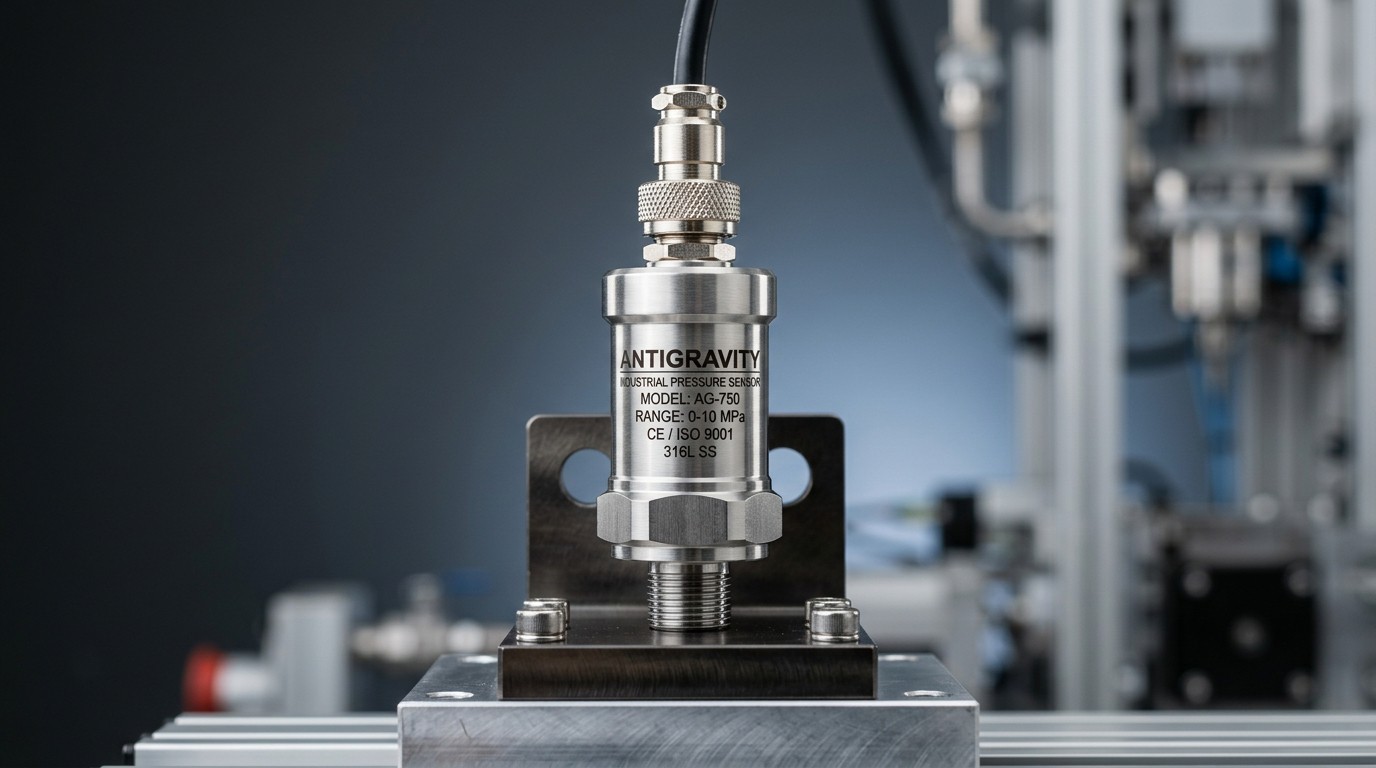
In an era of rapid technological convergence, meeting new sensor industrial standards is paramount for maintaining operational integrity across mechanical engineering and facility management. As environmental engineering and metallurgical engineering evolve, staying ahead of rigorous electrical safety and power distribution protocols is essential for global EPC contractors. Global Industrial Core (GIC) provides mission-critical insights into the latest safety equipment and Security & Safety mandates, ensuring your infrastructure remains resilient. By mastering these Electrical & Power benchmarks, project managers and technical evaluators can achieve absolute compliance and performance. This analysis explores how aligning with modern industrial standards empowers decision-makers to mitigate risks and lead the global infrastructural supply chain with confidence.
The Evolution of Industrial Sensor Standards in the Age of Industry 4.0
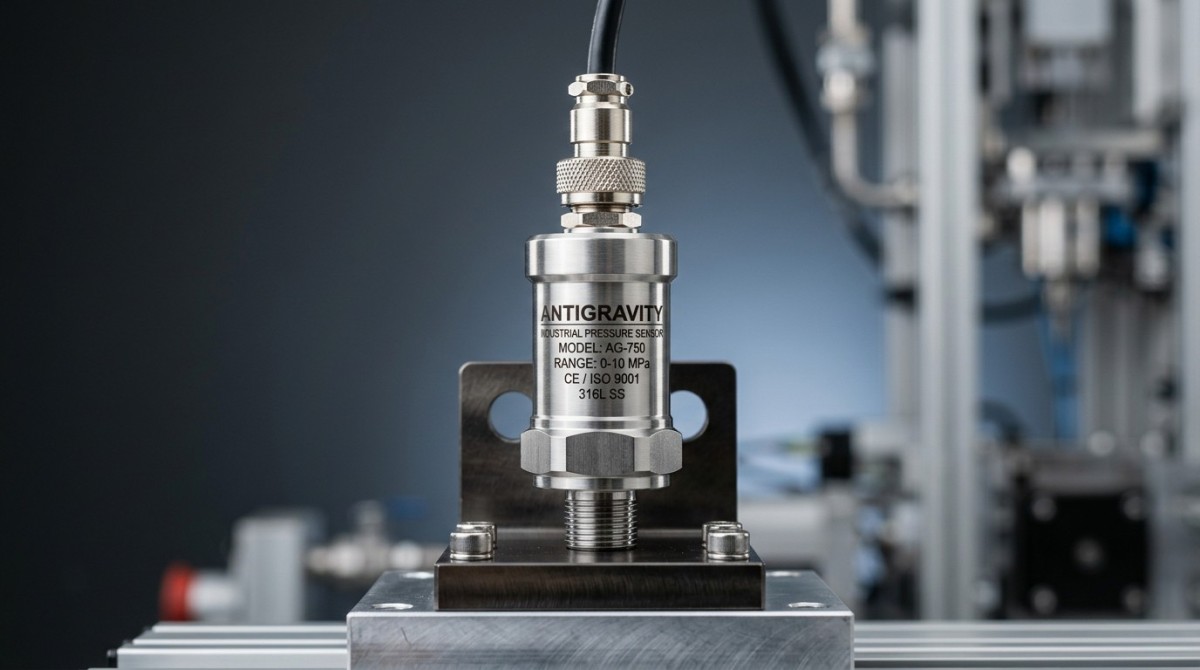
The landscape of industrial automation is undergoing a radical transformation, driven by the emergence of smart sensors that do more than just measure physical variables. Modern sensor industrial standards are no longer confined to simple electrical outputs; they now encompass complex data communication protocols, functional safety requirements, and environmental resilience benchmarks. For facility managers and project managers, understanding this shift is the first step toward building a future-proof infrastructure. These standards ensure that devices from different manufacturers can communicate seamlessly within a unified ecosystem, reducing the risk of proprietary lock-in and enhancing overall system modularity.
Global Industrial Core (GIC) recognizes that the transition from traditional analog systems to digital, networked sensor arrays requires a fundamental rethink of procurement strategy. Today's standards, such as IEC 61131-9 (IO-Link) or the various iterations of Ethernet/IP, provide a framework for bi-directional communication, allowing for remote configuration and advanced diagnostics. This evolution is particularly critical in heavy industries like metallurgy and power grid management, where the cost of downtime is measured in thousands of dollars per minute. By adhering to these updated standards, technical evaluators can ensure that every component contributes to a high-fidelity data stream, enabling predictive maintenance and optimizing operational efficiency.
Furthermore, the integration of cybersecurity into sensor standards is a direct response to the increasing connectivity of industrial hardware. New mandates now require sensors to possess built-in security features to prevent unauthorized access at the edge of the network. This shift reflects a broader commitment to Security & Safety within the global supply chain. For EPC contractors, specifying sensors that meet these rigorous digital and security standards is no longer optional; it is a mission-critical requirement for securing institutional investments and maintaining the long-term viability of large-scale infrastructural projects.
Key Drivers Behind the New Industrial Benchmarks
The primary catalyst for updating sensor standards is the need for higher precision and reliability in extreme operational environments. In sectors such as metallurgical engineering, sensors must withstand temperatures exceeding 1000°C while maintaining accuracy to the micron level. Traditional standards often fall short in these scenarios, leading to premature component failure. New benchmarks prioritize material science breakthroughs, ensuring that sensor housings and internal electronics can endure chemical exposure, high pressure, and intense electromagnetic interference without degrading performance.
Another significant driver is the global movement toward environmental sustainability and "Green Industry" initiatives. Modern standards now include strict requirements for energy consumption and the use of hazardous substances, aligning with directives like RoHS and REACH. This ensures that the sensors used in environmental engineering projects do not themselves become a source of pollution. For business evaluators, choosing sensors that comply with these environmental mandates is essential for fulfilling corporate social responsibility goals and securing green certifications for their facilities.
Critical Compliance: Navigating International Safety and Reliability Certifications
In the realm of heavy industry, compliance is the bedrock of operational safety. Meeting new sensor industrial standards requires a deep understanding of international certifications such as CE (Conformité Européenne), UL (Underwriters Laboratories), and ISO (International Organization for Standardization). These certifications are not merely bureaucratic hurdles; they represent a verified level of performance and safety that protects both personnel and expensive machinery. For quality control managers, verifying these credentials is the most effective way to mitigate the risk of catastrophic failure in high-stakes environments like power grids and chemical processing plants.
The following table provides a comparative overview of the most critical certification frameworks that industrial procurement directors must consider when evaluating new sensor technologies. Each standard addresses specific aspects of performance, from electrical safety to functional reliability in hazardous locations. Understanding these nuances allows project managers to make informed decisions that align with both local regulations and international best practices.
As shown in the table above, the requirements for modern sensors vary significantly depending on the operational context. For instance, a sensor deployed in a power grid requires high levels of precision timing (IEEE 1588) to ensure phase synchronization, whereas a sensor in a metallurgical plant prioritizes ATEX certification for safety in dust-heavy, potentially explosive environments. GIC emphasizes that procurement decisions should be based on a "Safety First" methodology, where the highest applicable standard is treated as the minimum entry requirement for any new hardware integration.
Beyond the initial certification, continuous compliance monitoring is essential. This involves regular calibration and testing to ensure that the sensors remain within their specified tolerances over their entire lifecycle. Many new standards now mandate "Self-Testing" capabilities, where the sensor can autonomously verify its own health and report deviations to the central control system. This capability is a game-changer for project managers, as it shifts the burden of proof from manual inspection to automated, data-driven verification, thereby enhancing the overall trust signals of the industrial infrastructure.
Technical Performance Metrics: Precision, Longevity, and Environmental Resilience
When technical evaluators analyze new sensor industrial standards, they focus on specific performance metrics that define the device's utility in the field. Precision is often the most scrutinized parameter, with modern standards demanding accuracies of ±0.1% or better for critical measurement tasks. In metallurgical engineering and precision mechanical components, even a slight deviation in measurement can lead to product defects or equipment damage. Therefore, selecting sensors that not only meet but exceed these precision benchmarks is a core strategy for maintaining a competitive edge in the global market.
Longevity, often expressed as Mean Time Between Failures (MTBF), is another critical metric. New standards for high-performance industrial sensors often target an MTBF of 100,000 hours or more under standard operating conditions. This extended lifespan is achieved through the use of advanced materials, such as ceramic diaphragms and high-grade stainless steel housings, which resist corrosion and wear. For facility managers, high MTBF ratings translate directly to lower total cost of ownership (TCO) by reducing the frequency of replacements and the associated labor costs.
Environmental resilience is the third pillar of technical performance. Industrial sensors must operate reliably across a wide temperature range, typically from -40°C to +85°C for standard industrial grades, and even higher for specialized applications. They must also be immune to electromagnetic interference (EMI) and radio-frequency interference (RFI), which are common in power grid environments. Standards such as IEC 61000 provide the testing protocols necessary to verify that a sensor can function correctly in the presence of electrical noise, ensuring that the mission-critical data they provide remains accurate and untainted.
Evaluating Data Fidelity and Response Time
In high-speed industrial processes, the response time of a sensor is just as important as its accuracy. Modern standards specify response times in the millisecond range, ensuring that control systems can react almost instantaneously to changes in pressure, flow, or temperature. For project managers overseeing complex mechanical systems, ensuring that sensors have a consistent and fast response time is vital for maintaining process stability and preventing over-pressure or over-temperature events that could compromise safety.
Data fidelity refers to the integrity of the signal as it travels from the sensor to the controller. With the shift toward digital protocols, new standards emphasize the use of error-checking algorithms and robust physical layers (such as shielded twisted pair or fiber optics) to prevent data loss. Technical evaluators must ensure that the entire signal chain—from the sensor element to the I/O module—complies with these high-fidelity standards to avoid "phantom" readings that could trigger unnecessary alarms or, worse, hide a genuine emergency condition.
Strategic Sourcing Guide: Best Practices for EPC and Procurement Directors
Procuring for industrial infrastructure is a high-stakes endeavor that requires a balance between technical excellence and economic viability. EPC contractors and industrial procurement directors must adopt a strategic approach that prioritizes compliance with new sensor industrial standards while also considering the long-term scalability of the solution. The following procurement checklist is designed to help decision-makers navigate the complexities of the global sensor market and identify partners who can deliver mission-critical reliability.
As outlined in the checklist, verifying compliance documentation is the non-negotiable first step. EPC contractors should demand full transparency from suppliers, including detailed test reports and traceability for all critical components. This rigor is particularly important in the Electrical & Power Grid sector, where a single non-compliant component can jeopardize the stability of the entire network. By partnering with suppliers who adhere to these high standards, procurement teams can build "Trust Signals" that resonate with high-net-worth institutional buyers and regulatory bodies.
Furthermore, the total cost of ownership (TCO) should be the primary financial metric, rather than the initial purchase price. A sensor that is 20% cheaper but has a 50% shorter lifespan or requires frequent manual calibration will ultimately be more expensive than a high-quality, standardized alternative. GIC recommends evaluating the "serviceability" of the sensors—how easily can they be replaced or upgraded? Choosing sensors that use standardized connectors (such as M12 or M8) and mounting dimensions can significantly reduce the labor costs associated with future maintenance cycles.
Future Trends and Risk Management in Sensor Implementation
As we look toward the future, the convergence of AI and sensing technology is set to redefine sensor industrial standards once again. "Edge Sensing" is the next frontier, where sensors will not only collect data but also process it locally to make real-time decisions. This trend will require new standards for computational power within sensor units and more advanced communication protocols to handle the increased data load. For enterprise decision-makers, staying abreast of these trends is essential for maintaining leadership in the global infrastructural supply chain.
Risk management in this evolving landscape requires a proactive approach. One common pitfall is the failure to account for "Standard Drift," where components that met standards at the time of installation no longer comply with updated regulations a few years later. To mitigate this, project managers should implement a rolling 3–5 year technology review cycle, ensuring that the facility's sensor architecture remains aligned with the latest safety and performance mandates. This proactive stance not only ensures continuous compliance but also allows the organization to take advantage of new features and efficiencies as they become available.
Finally, the role of environmental engineering in sensor development cannot be overstated. Future standards will likely place even greater emphasis on the circular economy, mandating that sensors be designed for easy disassembly and recycling at the end of their life. By choosing sensors that already prioritize these "Green" benchmarks, companies can get ahead of future regulations and position themselves as leaders in sustainable industrial practice. Global Industrial Core (GIC) remains committed to providing the technical intelligence and strategic insights needed to navigate these complex shifts and build a more resilient industrial foundation.
Frequently Asked Questions (FAQ)
How do I determine if a sensor meets the latest ISO standards?
Verifying ISO compliance requires checking the manufacturer’s technical data sheet for specific ISO numbers, such as ISO 9001 for quality management or ISO 14001 for environmental management. Additionally, for specific industrial applications, look for ISO standards related to the measurement type, such as ISO 4064 for water flow. Always ask for a signed Declaration of Conformity and, if necessary, verify the certificate number directly with the issuing body. Typical verification processes take 1–3 business days when using official databases.
What are the common misconceptions about IO-Link sensors?
A common misconception is that IO-Link is a complex fieldbus system. In reality, it is a point-to-point communication protocol that simplifies wiring and allows for remote parameterization. Another misconception is that it is significantly more expensive. While the unit cost may be 10–15% higher than traditional analog sensors, the reduction in commissioning time (often by up to 40%) and the elimination of shielded cables usually lead to a lower total project cost. It is an ideal choice for technical evaluators focusing on Industry 4.0 readiness.
What is the typical delivery cycle for certified industrial sensors?
For standard, off-the-shelf certified sensors, the delivery cycle is typically 2–4 weeks. However, for specialized sensors requiring custom calibrations or high-level safety certifications (like SIL 3), the lead time can extend to 8–12 weeks. Procurement managers should account for these 2 distinct timelines in their project schedules to avoid delays in the construction or maintenance phases. GIC recommends maintaining a 10–15% buffer in your inventory for mission-critical sensors to mitigate supply chain disruptions.
Why Partner with Global Industrial Core (GIC) for Your Sensor Strategy?
Navigating the complexities of sensor industrial standards requires more than just a catalog; it requires deep domain expertise and a strategic understanding of the global infrastructural landscape. Global Industrial Core (GIC) serves as your elite B2B intelligence partner, providing the rigorous, data-driven insights necessary to ensure your projects meet the highest benchmarks of Security & Safety and operational efficiency. Whether you are an EPC contractor looking to secure a multi-billion dollar project or a facility manager optimizing a power grid, GIC offers the technical clarity you need to succeed.
Our verified panel of metrology experts and safety compliance leads meticulously curates every technical analysis and compliance update we publish. By aligning with GIC, you gain access to high-fidelity environments for brand elevation and strategic intelligence acquisition. We invite technical evaluators, business decision-makers, and project managers to consult with us for support in:
- Compliance & Certification Support: Detailed verification of CE, UL, ISO, and SIL requirements for specific industrial applications.
- Technical Parameter Confirmation: Expert review of MTBF, accuracy, and environmental resilience ratings to ensure they meet your site’s rigorous demands.
- Strategic Product Selection: Tailored guidance on choosing between analog, digital, and IO-Link sensing technologies based on your TCO goals.
- Custom Solution Development: Connecting you with specialized manufacturers for sensors capable of operating in extreme temperatures or hazardous zones.
In the high-stakes world of heavy industry, infrastructural failure is not an option. Contact Global Industrial Core today to ensure your sensor infrastructure is architected on a foundation of absolute compliance, unwavering reliability, and future-proof precision. Let us help you dominate the global infrastructural supply chain with confidence.
Technical Specifications
Expert Insights

Chief Security Architect
Dr. Thorne specializes in the intersection of structural engineering and digital resilience. He has advised three G7 governments on industrial infrastructure security.
Related Analysis
- Apr 25, 2026China Launches World's Largest Agri-Meteorological Observation NetworkAuthor :Precision Metrology Expert
- Apr 25, 2026Binggang Group & AHUT Advance Steel Slag Valorization TechAuthor :Heavy Industry Strategist
- Apr 25, 2026China Leads First ISO Standard for Zero-Carbon CitiesAuthor :Environmental Engineering Director
Core Sector // 01
Security & Safety
- China Launches World's Largest Agri-Meteorological Observation NetworkAuthor :Precision Metrology Expert
![]()
- Meeting new sensor industrial standardsAuthor :Precision Metrology Expert

- How to Source CNC Machining Parts OEM in 2026Author :Precision Metrology Expert

- Tungsten Carbide Inserts: When to Replace ThemAuthor :Precision Metrology Expert

- China Launches World’s Largest Agri-Meteorological Observation NetworkAuthor :Precision Metrology Expert
![]()
- China's Industrial Sensor Exports Rise 17.3% YoY in Q1 2026Author :Precision Metrology Expert
![]()
- How to Choose a Total Station in 2026Author :Precision Metrology Expert

- Auto Level Instruments vs Rotary LasersAuthor :Precision Metrology Expert