Wholesale alcohol breathalyzers and the calibration problem
Author
Date Published
Reading Time
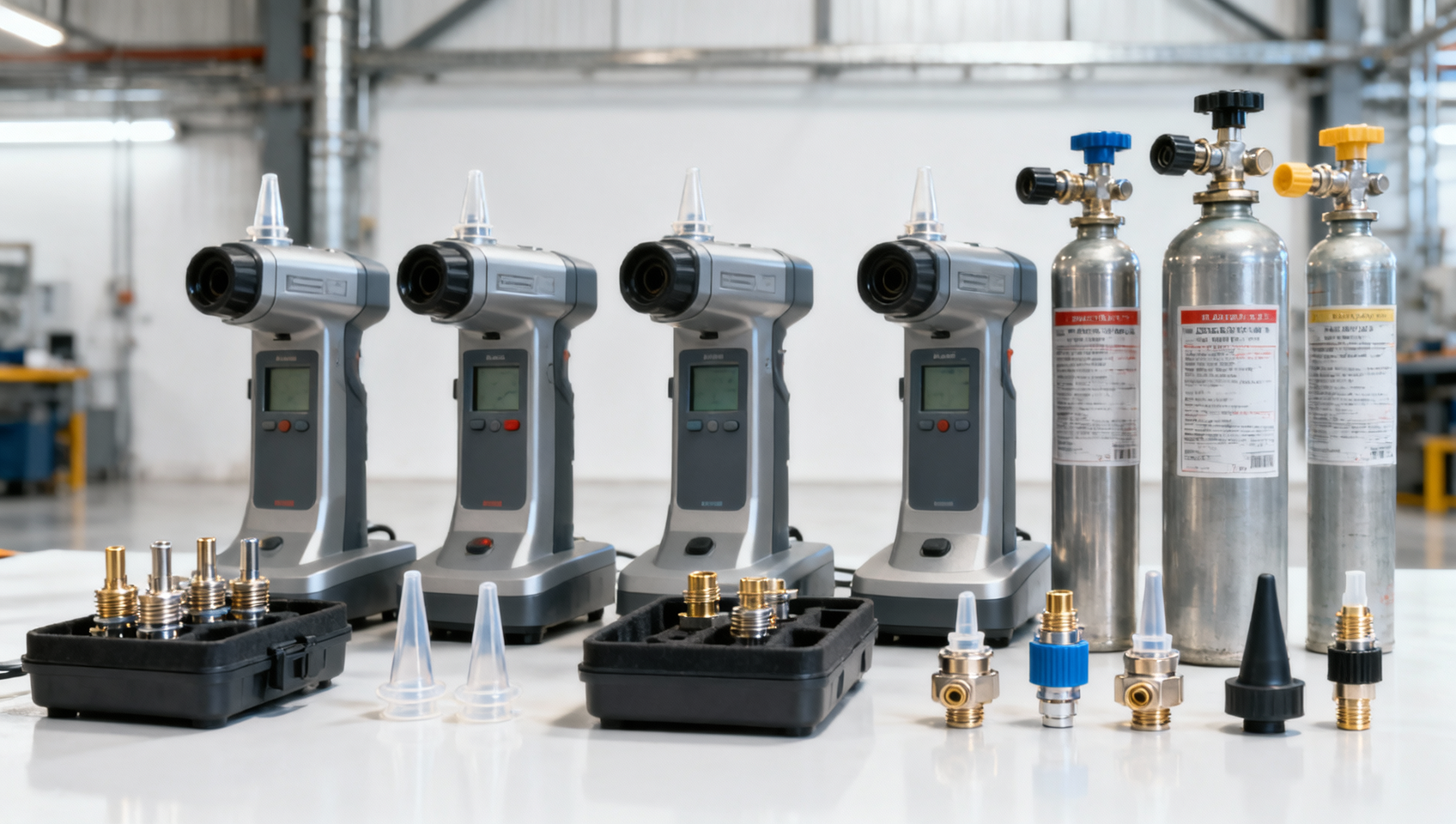
For buyers evaluating wholesale alcohol breathalyzers, calibration is the hidden factor that determines accuracy, compliance, and long-term cost. Whether you source for workplace screening, fleet safety, or law enforcement, understanding calibration cycles, sensor drift, and quality control is as important as comparing drug testing kits or portable gas monitors. This guide explains why calibration problems affect performance, procurement decisions, and operational trust.
Why calibration becomes the real procurement issue in wholesale alcohol breathalyzers
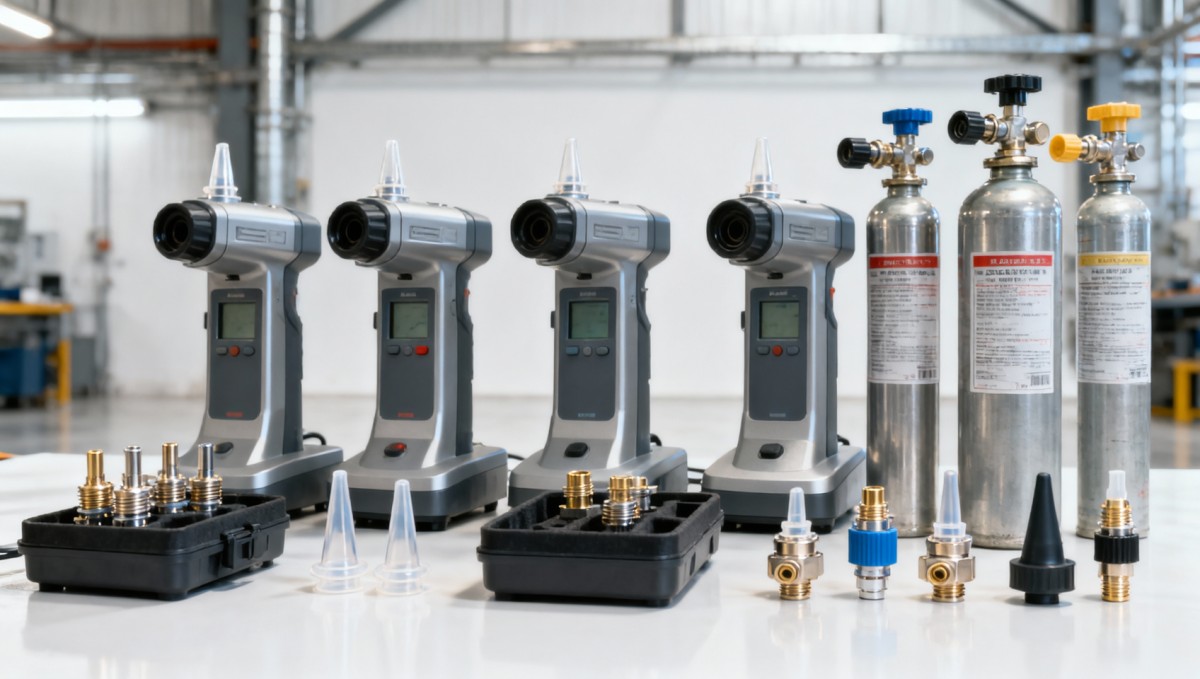
At first glance, many buyers compare wholesale alcohol breathalyzers by unit price, sensor type, display design, and shipping lead time. In practice, calibration often determines whether a device remains usable after 30 days, 90 days, or 12 months of field deployment. A low initial price can quickly become expensive if the instrument drifts outside its tolerance range and requires frequent service interruption.
This matters across multiple industrial and institutional settings. HR teams need consistent workplace screening results. Fleet managers need repeatable readings before dispatch. Safety supervisors need documented test routines that stand up to internal audits. Procurement teams need to understand not only how a breathalyzer performs on day one, but how it behaves after hundreds or thousands of tests under different temperatures, humidity levels, and user habits.
Calibration is the process of aligning the instrument’s reading to a known reference value. If that alignment weakens over time, the problem is not merely technical. It affects disciplinary decisions, shift access, insurance exposure, and operator confidence. In B2B environments, one inaccurate batch can damage trust across several departments, from site operations to executive management.
For organizations buying in small, medium, or large volume, three questions usually define risk: how often calibration is needed, how calibration is performed, and how quickly the fleet can return to service. These three factors often matter more than cosmetic features. They also explain why Global Industrial Core focuses on calibration as a sourcing decision, not a maintenance afterthought.
- Operational risk: devices that drift can create false negatives or false positives, especially when screening is frequent and decentralized.
- Compliance risk: internal policies may require documented calibration intervals such as every 3 months, every 6 months, or after a defined number of tests.
- Cost risk: shipping devices back for service, holding spare stock, and retraining users can add more cost than the original purchase order suggests.
What causes sensor drift, and why do some alcohol breathalyzers fail faster?
Not all calibration problems come from poor manufacturing. Sensor drift can result from normal electrochemical aging, contamination, heavy-duty usage, poor storage, and inconsistent testing technique. In wholesale alcohol breathalyzers, the two most common sensor categories are semiconductor and fuel cell. Each has different stability characteristics, service expectations, and suitability for professional use.
Semiconductor units are often selected for low-cost screening or consumer-oriented volume orders, but they may be more sensitive to environmental interference and can require tighter calibration attention in demanding field conditions. Fuel cell devices are generally favored in workplace safety, fleet control, and evidential-style applications because they are usually more selective to alcohol and more stable across repeated use. Even then, no sensor is drift-free.
Typical drift factors buyers should investigate before placing a bulk order
Usage intensity is one of the first variables. A device used 5 to 10 times per week behaves differently from one used 50 to 100 times per day. High-throughput screening at plant gates, depots, or event checkpoints can accelerate wear. Procurement teams should ask suppliers whether calibration intervals are time-based, test-count-based, or both.
Storage conditions also matter. Leaving devices in vehicles, humid cabins, or hot warehouses can shift sensor response over time. Common field exposures such as 0°C to 40°C operation or higher humidity can affect stability if the housing, warm-up logic, or protective filtration is weak. This is particularly relevant when a wholesale program covers multiple sites in different climates.
User behavior creates another layer of variance. Incomplete breath samples, insufficient waiting time after mouth alcohol exposure, and inconsistent cleaning practices can produce unreliable readings that users may wrongly blame on calibration. For this reason, training and SOP design are as important as product specification. A robust procurement plan usually combines hardware, calibration support, and operator instruction.
The table below highlights the practical calibration implications of common sensor approaches in wholesale alcohol breathalyzers. It does not replace product-specific validation, but it helps buyers frame technical conversations with suppliers.
The key takeaway is simple: drift is not random. It follows usage patterns, sensor design, and service discipline. Buyers who ignore this usually end up discussing failures after deployment, while buyers who evaluate calibration logic before ordering are more likely to control total lifecycle cost.
How should buyers compare calibration models, service intervals, and total cost?
When sourcing wholesale alcohol breathalyzers, comparing list price alone leads to weak decisions. A more useful method is to compare calibration model, turnaround time, spare unit planning, and documentation quality. For many organizations, the hidden cost appears after the first 6 to 12 months, when a large portion of the deployed units begin reaching their calibration window.
There are usually three broad service models. First, return-to-base calibration, where devices are shipped back to a service center. Second, on-site calibration support, which may suit larger fleets or fixed industrial locations. Third, swap or advance replacement programs, where calibrated spare units or sensor modules keep testing active with less downtime. Each model has a different effect on labor, logistics, and continuity.
Procurement teams should ask for four concrete answers: the recommended interval, expected service lead time, whether calibration gas or certified references are used, and what records are issued after service. A quote that does not define these points can create downstream disputes between procurement, operations, and the supplier. In heavily controlled environments, missing calibration certificates can be as problematic as an inaccurate result.
A practical selection table for procurement and operations teams
The table below can be used as a cross-functional checklist when evaluating wholesale alcohol breathalyzers for industrial, fleet, and institutional programs.
A buyer may discover that a slightly higher unit cost actually lowers annual operating cost when the calibration interval is longer or the service workflow is simpler. For example, a fleet of 100 units with a 6-month service cycle creates a very different planning burden than one with a 3-month cycle. The more distributed your deployment, the more valuable a reliable calibration model becomes.
A 5-point procurement checklist
- Match sensor type to usage intensity rather than buying only on price.
- Confirm whether calibration windows are fixed by month, by test volume, or by both criteria.
- Estimate spare ratio for continuity, especially if service takes 5 to 10 business days.
- Check the form and traceability of calibration certificates before contract approval.
- Include user training and post-service verification in the purchase scope.
Which standards, compliance points, and operational controls should not be ignored?
For procurement managers and decision-makers, calibration is linked to compliance, but compliance is broader than calibration alone. Depending on market and application, buyers may need to review product declarations, electrical safety conformity, transport considerations, local workplace policies, and documented test procedures. In regulated or sensitive environments, a technically functioning device may still be unsuitable if its service and recordkeeping process is weak.
Common evaluation points include CE-related market conformity where applicable, general quality management frameworks such as ISO-based manufacturing controls, and documented procedures for calibration traceability. Buyers should avoid assuming that a label automatically proves suitability for every use case. A wholesale alcohol breathalyzer program for a construction contractor, municipal fleet, or industrial operator often requires internal approval criteria beyond the packaging claim.
Operational controls that reduce disputes after deployment
A good operational plan usually includes 4 elements: pre-use verification, scheduled calibration tracking, operator training, and exception handling. Pre-use verification may involve checking battery status, display readiness, mouthpiece hygiene, and service due date before each shift. Scheduled tracking can be managed monthly or quarterly depending on fleet size. These controls help separate true instrument drift from user error.
For policy-driven screening, organizations should define waiting times and sample conditions. For example, many programs adopt a waiting period after eating, drinking, or smoking before testing, then document retest logic if the first result is above the threshold. This matters because residual mouth alcohol can affect readings, and unclear procedures can create disputes between supervisors and employees.
The table below summarizes compliance-related review areas that buyers can include in RFQs or technical evaluations. It is especially useful when comparing several suppliers with different service depth.
The value of this review is not legal complexity for its own sake. It is operational clarity. When standards, service records, and SOPs align, the organization spends less time arguing about equipment reliability and more time managing safety outcomes. That is especially important for cross-border sourcing and multi-site rollouts where consistency matters as much as price.
How do different use scenarios change calibration planning?
A wholesale alcohol breathalyzer program should not use the same calibration strategy for every setting. Workplace screening at a single factory gate differs from mobile fleet checks across several depots. Event screening differs from long-term institutional use. The more distributed the program, the more important it becomes to map service intervals, spare allocation, and training responsibility before devices are shipped.
In industrial worksites, the typical challenge is high throughput during shift changes. Several dozen tests may occur within a short 30 to 60 minute window. Devices must be ready, warmed up, and traceable, and any unit due for calibration can disrupt access control. Here, buyers often benefit from extra spare stock and a visible calibration due-date tracking system.
In fleet operations, the main issue is geographic spread. A transport company may have 3, 8, or 20 depots using the same policy but different local staff. Centralized return-to-base service can work, but only if the organization plans circulation stock and standard work instructions. Without that, some branches will continue using overdue devices while others over-send units for service.
Scenario-based recommendations
- Single-site factory or warehouse: prioritize clear due-date management, 1 to 2 spare units per screening point, and simple pre-use checks.
- Multi-site fleet network: prioritize serialized asset tracking, monthly calibration review, and supplier support that can handle geographically dispersed returns.
- Contractor or EPC projects: prioritize ruggedness, transport-safe packaging, and calibration scheduling around project mobilization cycles.
- Institutional screening or enforcement support: prioritize stronger documentation, repeatability, and formalized retest procedures.
This is where Global Industrial Core adds value for buyers. Instead of treating alcohol breathalyzers as isolated catalog items, GIC evaluates them within broader safety and measurement workflows. That means looking at deployment conditions, maintenance structure, documentation burden, and long-term sourcing practicality. For serious B2B buyers, that perspective often prevents expensive mismatches between product promise and field reality.
FAQ: the questions buyers ask before committing to wholesale alcohol breathalyzers
How often do alcohol breathalyzers usually need calibration?
The answer depends on sensor type, test frequency, and supplier policy. In many professional programs, intervals may fall around every 3 months, 6 months, or 12 months, while some devices also trigger service after a defined number of tests. High-volume use, harsh storage, and poor handling can shorten the practical interval. Buyers should request the written rule, not rely on verbal estimates.
Can a cheaper model become more expensive over time?
Yes. If the cheaper unit requires more frequent recalibration, produces more inconsistent readings, or creates longer downtime, the ownership cost can exceed that of a higher-grade model. This is common when a low-cost screening device is deployed in a professional environment with heavy daily use. The right comparison is annual operating cost, not only purchase price.
What should procurement ask for in a quotation?
Ask for at least 6 items: sensor type, recommended calibration interval, service turnaround time, certificate format, spare strategy, and warranty scope. If your program is multi-site, also ask about packaging for returns, failure triage, and whether replacement or swap support is available. These details reduce surprises after the first deployment wave.
Are operator errors often mistaken for calibration problems?
Very often. Inadequate waiting time after drinking, incorrect breath sampling, poor storage, and irregular cleaning can all affect results or device behavior. A good implementation plan includes user instruction, shift-level checks, and a simple escalation path for suspicious readings. That combination helps identify whether the issue is true sensor drift or process inconsistency.
Why work with Global Industrial Core when evaluating supply options?
For organizations purchasing wholesale alcohol breathalyzers, the biggest challenge is rarely finding a product listing. The challenge is deciding which solution can hold accuracy, support compliance, and remain serviceable across the real operating cycle. Global Industrial Core supports that decision by connecting safety sourcing with instrumentation logic, maintenance planning, and industrial-grade procurement scrutiny.
If you are comparing suppliers, GIC can help structure the decision around practical factors: calibration interval, sensor suitability, site deployment model, spare quantity planning, expected turnaround, documentation requirements, and application-specific constraints. This is especially useful for EPC contractors, facility managers, industrial buyers, and organizations managing multiple locations or mixed operating environments.
What you can discuss with us
- Parameter confirmation for screening volume, sensor preference, and expected service interval.
- Product selection support for workplace, fleet, enforcement-adjacent, or project-site use.
- Delivery planning, including sample evaluation, batch purchasing, and spare stock recommendations.
- Documentation review for calibration records, applicable conformity files, and internal acceptance checklists.
- Quote communication and sourcing comparison when balancing budget, service depth, and deployment complexity.
If your team is currently reviewing wholesale alcohol breathalyzers, bring your expected usage volume, number of sites, preferred service model, and compliance concerns into the conversation. With those 4 inputs, it becomes much easier to narrow the field, prevent calibration-related procurement mistakes, and build a safer, more reliable screening program.
Technical Specifications
Expert Insights

Chief Security Architect
Dr. Thorne specializes in the intersection of structural engineering and digital resilience. He has advised three G7 governments on industrial infrastructure security.
Related Analysis
- Apr 14, 2026How accurate is a true RMS multimeter on VFD signals?Author :Precision Metrology Expert
- Apr 14, 2026When a digital oscilloscope wholesale quote looks cheap at firstAuthor :Precision Metrology Expert
- Apr 14, 2026What changes when an ozone generator goes commercial gradeAuthor :Environmental Engineering Director
Core Sector // 01
Security & Safety
- How accurate is a true RMS multimeter on VFD signals?Author :Precision Metrology Expert

- When a digital oscilloscope wholesale quote looks cheap at firstAuthor :Precision Metrology Expert

- Wholesale alcohol breathalyzers and the calibration problemAuthor :Precision Metrology Expert

- China Approves Rituximab Biosimilar for All Indications, Offering Global Procurement AlternativeAuthor :Precision Metrology Expert

- Optical profile projector accuracy drops after 2 years—what causes it?Author :Precision Metrology Expert

- Temperature humidity chamber calibration drifts faster in tropical climates—here’s whyAuthor :Precision Metrology Expert

- Salt spray test chamber nozzles clog more often than expected—what’s the real culprit?Author :Precision Metrology Expert

- Environmental test chambers with touchscreen interfaces: do they survive lab dust and spills?Author :Precision Metrology Expert