Gas leak detectors wholesale: sensor life is easy to overestimate
Author
Date Published
Reading Time
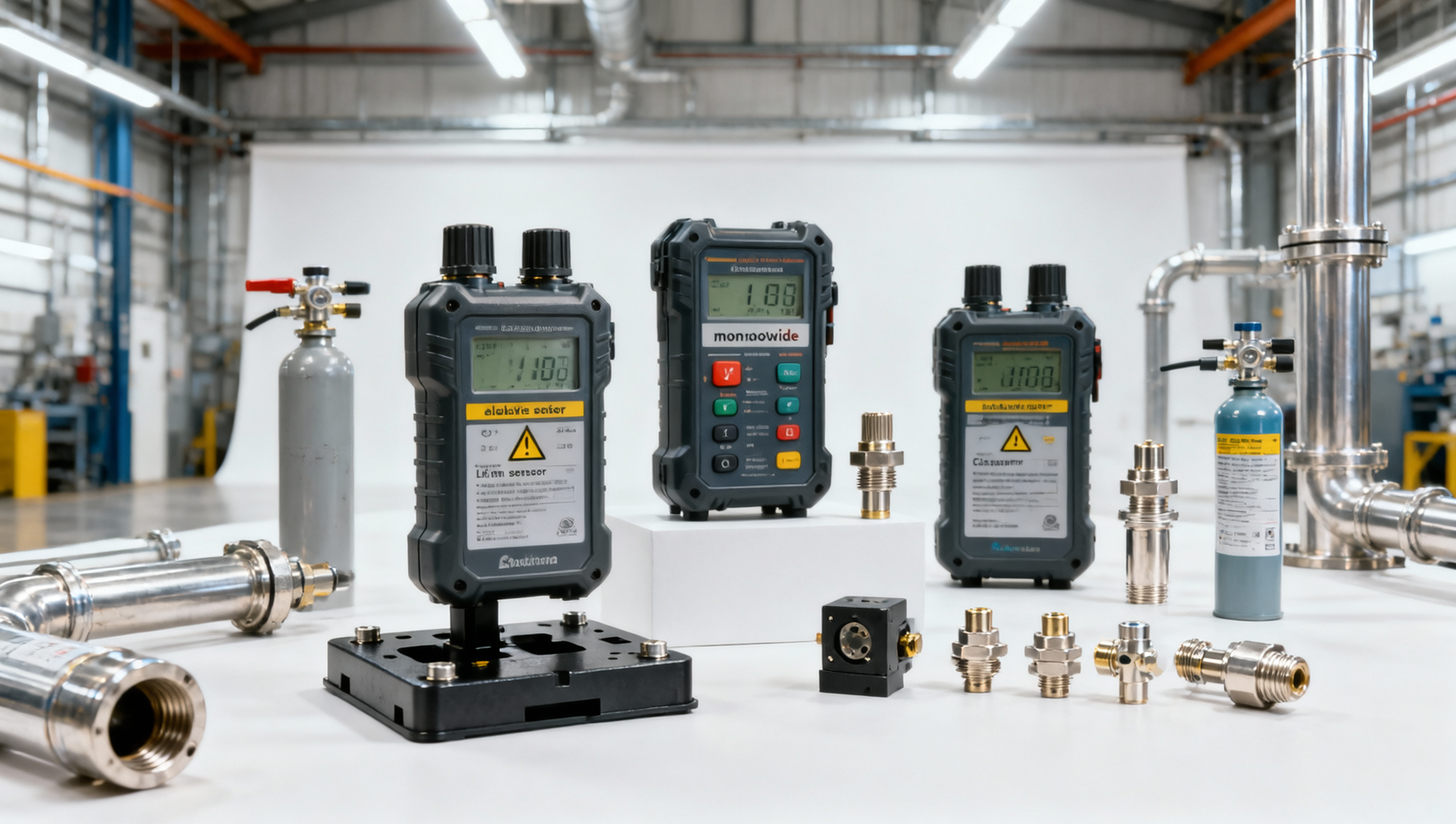
In gas leak detectors wholesale, one of the most costly mistakes is overestimating sensor life. For buyers, operators, and industrial decision-makers, this can lead to false confidence, compliance risks, and unplanned downtime. Understanding how portable gas monitors, carbon monoxide alarms, and related detection systems actually age is essential for safer sourcing, smarter maintenance, and more reliable long-term performance.
Why sensor life is often misunderstood in gas leak detectors wholesale
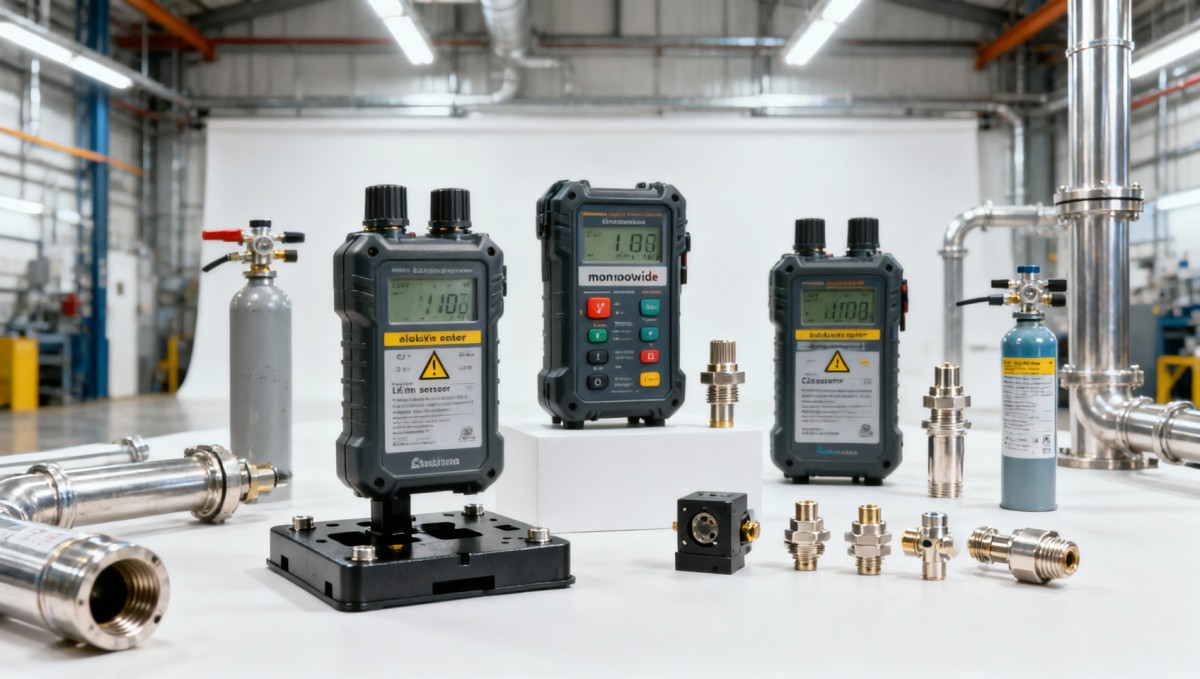
In industrial procurement, many teams treat sensor life as a fixed number printed on a datasheet. That assumption creates risk. Sensor life in gas leak detectors wholesale depends on storage conditions, calibration frequency, target gas exposure, humidity, temperature swings, and whether the detector operates continuously or intermittently. A portable gas detector stored for 6–12 months before deployment may not deliver the same remaining life as a unit put into service immediately.
The problem becomes larger in multi-site purchasing. Procurement managers may compare offers by unit price, alarm functions, and delivery time, but skip lifecycle questions. For operators, the result can be nuisance alarms, slow response, or no alarm when hazardous gas is present. For decision-makers, this affects compliance planning, maintenance budgets, and shutdown risk across projects running 24/7 or in rotating shift environments.
Different sensor technologies age differently. Electrochemical sensors commonly used for carbon monoxide, hydrogen sulfide, or oxygen detection can drift over time even when not heavily exposed. Catalytic bead sensors for combustible gas can be poisoned by silicones or sulfides. Infrared sensors may offer longer service intervals in some applications, but they are not universal replacements. Treating all gas sensors as if they share the same 2-year or 3-year pattern is a recurring sourcing mistake.
For research-oriented buyers, the practical question is not only “How long does the sensor last?” but also “Under what conditions does it maintain reliable performance?” That shift in thinking helps align purchasing with site reality. Global Industrial Core focuses on this decision layer by connecting safety requirements, operating conditions, replacement planning, and sourcing discipline into one practical framework for heavy industry and infrastructure environments.
- Shelf life and service life are not the same; both should be checked before bulk purchase.
- Calibration interval, bump test frequency, and exposure history can shorten usable sensor life.
- A detector selected for one refinery, boiler room, tunnel, or wastewater site may not age the same way in another.
What buyers usually overestimate
The first overestimate is calendar life. A label showing a typical 24–36 month sensor expectation is not a guarantee of field performance. The second is resistance to contaminants. Many users assume normal cleaning agents, lubricants, process vapors, or ambient moisture will not affect detection, when in fact they may accelerate drift or poison the sensing element. The third is maintenance tolerance. Skipping bump tests for several weeks or delaying calibration for one quarter can hide degradation until a safety event exposes it.
Which factors actually reduce gas detector sensor life on site?
Real operating environments matter more than nominal brochure values. In confined spaces, chemical plants, steel facilities, utility tunnels, and municipal wastewater systems, detectors face variable gas loads and difficult ambient conditions. Repeated exposure to high gas concentrations can saturate sensors. Extreme temperatures, such as below 0°C or above 40°C in field use, may also shift response behavior. In coastal or corrosive environments, salt, moisture, and process chemicals add another layer of stress.
Portable gas monitors used across multiple crews often age faster than fixed assumptions suggest because handling is less controlled. Devices may be dropped, stored in vehicles, left uncharged, or moved between clean and contaminated areas in a single week. For procurement teams, this means wholesale decisions should account for user behavior and fleet management, not only sensor specifications.
Maintenance practice is another major variable. A unit that receives a bump test before each day’s use and calibration every 30–180 days, depending on application and manufacturer guidance, is easier to manage than a unit checked only after alarms or incidents. If a detector is mission-critical for entry permits, hot work, or shutdown inspections, preventive verification should be built into the operating routine rather than left to informal judgment.
The table below summarizes common factors that affect sensor life and what they mean for wholesale purchasing decisions. It can help bridge the gap between technical specifications and site-level planning.
The key takeaway is simple: sensor life is not a passive feature. It is an operating outcome shaped by environment, handling, and service discipline. In gas leak detectors wholesale, ignoring this leads to misleading cost comparisons because the cheapest detector may require earlier sensor replacement, higher calibration effort, or more downtime across a 12–24 month period.
Application-specific stress profiles
A carbon monoxide detector used in parking structures or boiler rooms faces a different profile from a multi-gas detector used in confined space entry. Likewise, oxygen monitoring in inerted systems is different from combustible gas monitoring in LNG support areas. Procurement should therefore define at least 3 layers before ordering: target gas, expected concentration range, and site contaminants. This is often more valuable than comparing headline battery hours alone.
A practical checklist before bulk orders
- Confirm whether the quoted sensor life refers to shelf life, service life, or both.
- Ask about calibration intervals under normal and high-exposure conditions.
- Check whether site chemicals can poison or bias the sensor.
- Plan spare sensors, calibration gas, and turnaround time for service events.
How should procurement compare sensor technologies and lifecycle cost?
In wholesale sourcing, price per unit is only the first layer. Buyers should compare gas detector solutions by total operating cost over 12 months, 24 months, and the expected contract period. This includes replacement sensors, calibration gas consumption, docking or test accessories, operator training time, spare unit coverage, and service response. For projects with 50–200 detectors across multiple facilities, these hidden costs can materially outweigh a modest difference in initial purchase price.
Sensor technology directly affects lifecycle economics. Electrochemical sensors are common for toxic gases and oxygen, but their lifespan can be sensitive to environment and storage. Catalytic sensors are well-established for combustible gas detection, yet poisoning risk must be considered. Infrared sensing may reduce some maintenance burdens in selected combustible gas applications, but cost, power profile, and gas compatibility must be reviewed case by case.
The table below provides a practical comparison for buyers evaluating gas leak detectors wholesale programs. It is not a substitute for a site-specific hazard review, but it helps procurement teams frame the right trade-offs.
A structured comparison prevents short-term buying. It also supports better negotiations with suppliers because the discussion moves from “lowest detector price” to “expected maintenance profile, replenishment strategy, and uptime impact.” That is especially important for EPC contractors, industrial distributors, and facility operators managing multiple project phases over 2–4 quarters.
Three procurement dimensions that matter most
First, match the detector to the hazard, not to a generic category. Second, evaluate consumables and service burden, not only initial hardware. Third, confirm support capacity for calibration, replacements, and documentation. These 3 dimensions often decide whether a detector fleet remains reliable after the first year of use.
- Hazard fit: target gas, concentration pattern, alarm thresholds, and ambient conditions.
- Lifecycle burden: sensor replacement cycle, accessory needs, and maintenance frequency.
- Supplier support: lead time, batch traceability, training, and service documentation.
What should buyers verify before placing a wholesale order?
Before issuing a purchase order, buyers should verify technical fit, compliance fit, and operational fit. Technical fit means the detector actually covers the gases and conditions of the intended site. Compliance fit means the model and documentation align with the project’s required standards and internal procedures. Operational fit means the maintenance team can realistically calibrate, bump test, charge, store, and track the fleet without creating a service bottleneck.
For many organizations, at least 5 checks should be mandatory: production date control, sensor replacement availability, calibration gas compatibility, documentation package, and after-sales turnaround. If detectors are ordered in bulk for staged projects, ask for batch planning over 2–3 delivery windows instead of a single early shipment. This helps protect remaining sensor life before commissioning.
Compliance review is equally important. Depending on application and geography, procurement may need to confirm CE marking, UL-related expectations, ISO-linked quality processes, or other project-specific requirements. While not every detector program needs the same documentation set, buyers should avoid assuming that all certificates cover every use condition, hazardous area requirement, or site procedure.
The table below can be used as an internal review tool for portable gas detector and gas alarm purchasing. It helps cross-functional teams align procurement, operations, and safety management before final approval.
A disciplined buying process prevents a common failure pattern: a detector fleet looks complete at installation, but within 9–18 months maintenance complexity, sensor drift, and replacement delays begin to erode reliability. Good wholesale planning does not eliminate sensor aging. It makes aging predictable and manageable.
How GIC supports better sourcing decisions
Global Industrial Core helps industrial buyers move beyond generic product comparison. By focusing on safety systems, instruments, power infrastructure, environmental control, and core industrial components, GIC provides a sourcing perspective rooted in operational realities. That is especially useful when detector selection must account for contractor handover, facility management routines, multi-country compliance, and the pressure to balance budget with resilience.
Common misconceptions, operator questions, and practical answers
Even experienced teams can misread gas detector reliability. The most common misconception is that a device powers on, passes a simple self-check, and is therefore ready for hazardous duty. In reality, self-check functions do not replace bump tests, calibration, or exposure review. Another misconception is that infrequent use preserves the sensor indefinitely. Many sensors continue aging with time, even if field exposure is limited.
Operators also ask whether a longer-stated sensor life always means lower cost. Not necessarily. If the detector is harder to calibrate, lacks local service support, or requires accessories with long lead times, the overall program may still cost more. Likewise, buyers often ask whether one detector can cover all environments. In broad industrial settings, the answer is usually no. A warehouse, utility room, process unit, and confined space team may need different alarm strategies and maintenance routines.
Below are several focused questions that mirror real search intent and field concerns around gas leak detectors wholesale, portable gas monitors, and sensor replacement planning.
How often should gas detectors be bump tested or calibrated?
The exact interval depends on the manufacturer, gas type, site risk, and internal safety procedure. In many industrial programs, bump testing is performed before daily use or before each shift for critical work, while calibration may be scheduled every 30, 90, or 180 days according to application and guidance. If the detector has been dropped, exposed to high gas concentrations, or stored improperly, it should be checked sooner rather than later.
Can a carbon monoxide alarm or portable gas monitor stay in storage for months without impact?
Storage can affect remaining useful life, especially for electrochemical sensors. If detectors are purchased for phased projects, buyers should ask about shelf life, storage temperature range, and whether the manufacturer recommends commissioning within a defined period. For bulk orders, staged shipment across 2–3 milestones is often safer than holding all units in stock for an extended period.
What is the biggest red flag in gas leak detectors wholesale?
A low price with limited clarity on production date, replacement sensors, calibration support, or documentation is a major warning sign. Another is a quotation that lists sensor life as a headline value without specifying use conditions. Industrial buyers should ask how the detector performs under their actual contaminants, operating temperatures, and maintenance routines, not under ideal lab assumptions.
Four mistakes to avoid
- Buying all project quantities too early and losing usable sensor life in storage.
- Selecting by detector price without budgeting for test gas, service tools, and spare sensors.
- Assuming one multi-gas device covers every crew, every area, and every exposure profile.
- Ignoring contamination risks from sealants, lubricants, solvents, or process vapors.
Why work with GIC when evaluating gas detection sourcing and lifecycle risk?
For industrial buyers, the challenge is rarely a lack of product listings. The challenge is turning technical claims into a dependable sourcing decision. Global Industrial Core supports that process by connecting detector performance, site conditions, compliance needs, and procurement logic. This is particularly valuable for EPC contractors, plant operators, procurement directors, and safety teams that need equipment to perform reliably across demanding environments and long project cycles.
Instead of treating gas detectors as isolated items, GIC evaluates them as part of a wider operational system: safety compliance, instruments and measurement, environmental control, and infrastructure resilience. That broader view helps buyers ask sharper questions about sensor life, replacement planning, operating burden, and service continuity. It also improves internal communication between safety managers, procurement teams, and executive decision-makers.
If you are comparing gas leak detectors wholesale options, planning a portable gas detector fleet, or reviewing carbon monoxide alarm and multi-gas monitor sourcing for industrial sites, you can consult GIC on several decision points. These include parameter confirmation, target gas matching, delivery scheduling, sensor replacement planning, documentation review, compliance expectations, sample support, and quotation comparison across multiple supply scenarios.
Contact GIC when you need a clearer framework for product selection, phased delivery over 2–4 project stages, maintenance planning for 12–24 months, or a more reliable basis for supplier discussions. A better detector purchase is not just about the device you receive today. It is about whether the sensing system remains trustworthy when your operators need it most.
Technical Specifications
- SCFI Surges 27% Weekly; Shanghai–Rotterdam Freight Hits $4,200/TEUAuthor :Environmental Engineering Director
- INMETRO New Rule: Industrial Circuit Breakers Must Pass IEC 60947-2 Annex Q Test from Sep 2026Author :Grid Infrastructure Analyst
- FDA Expands Regulation of Industrial Air Filters: ULPA Filter MVR Verification RequiredAuthor :Environmental Engineering Director
Expert Insights

Chief Security Architect
Dr. Thorne specializes in the intersection of structural engineering and digital resilience. He has advised three G7 governments on industrial infrastructure security.
Related Analysis
- Apr 26, 2026SCFI Surges 27% Weekly; Shanghai–Rotterdam Freight Hits $4,200/TEUAuthor :Environmental Engineering Director
- Apr 26, 2026INMETRO New Rule: Industrial Circuit Breakers Must Pass IEC 60947-2 Annex Q Test from Sep 2026Author :Grid Infrastructure Analyst
- Apr 26, 2026FDA Expands Regulation of Industrial Air Filters: ULPA Filter MVR Verification RequiredAuthor :Environmental Engineering Director
Core Sector // 01
Security & Safety
- EN 61000-4-30:2026 Published: New Harmonic Group Immunity Testing for PQ AnalyzersAuthor :Precision Metrology Expert
![]()
- China Launches World's Largest Agri-Meteorological Observation NetworkAuthor :Precision Metrology Expert
![]()
- Meeting new sensor industrial standardsAuthor :Precision Metrology Expert

- How to Source CNC Machining Parts OEM in 2026Author :Precision Metrology Expert

- Tungsten Carbide Inserts: When to Replace ThemAuthor :Precision Metrology Expert

- China Launches World’s Largest Agri-Meteorological Observation NetworkAuthor :Precision Metrology Expert
![]()
- China's Industrial Sensor Exports Rise 17.3% YoY in Q1 2026Author :Precision Metrology Expert
![]()
- How to Choose a Total Station in 2026Author :Precision Metrology Expert