Sticky mats for cleanrooms lose grip faster than expected?
Author
Date Published
Reading Time
If your sticky mats cleanroom setup is losing tack too soon, contamination control may be weaker than it looks. For operators, buyers, and facility leaders comparing lint free wipes bulk, wholesale shoe cover dispenser options, esd anti static shoes, and wholesale cleanroom garments, understanding why mats fail early is key to protecting compliance, reducing waste, and keeping controlled environments consistently clean.
Why do sticky mats for cleanrooms lose grip faster than expected?
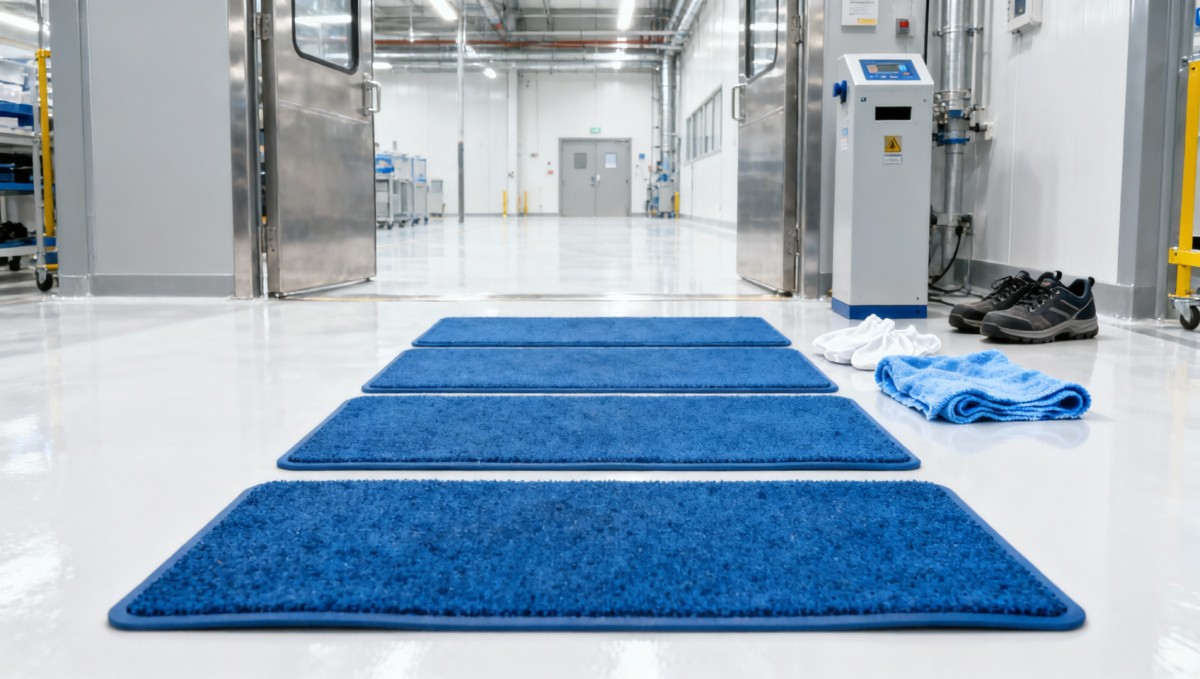
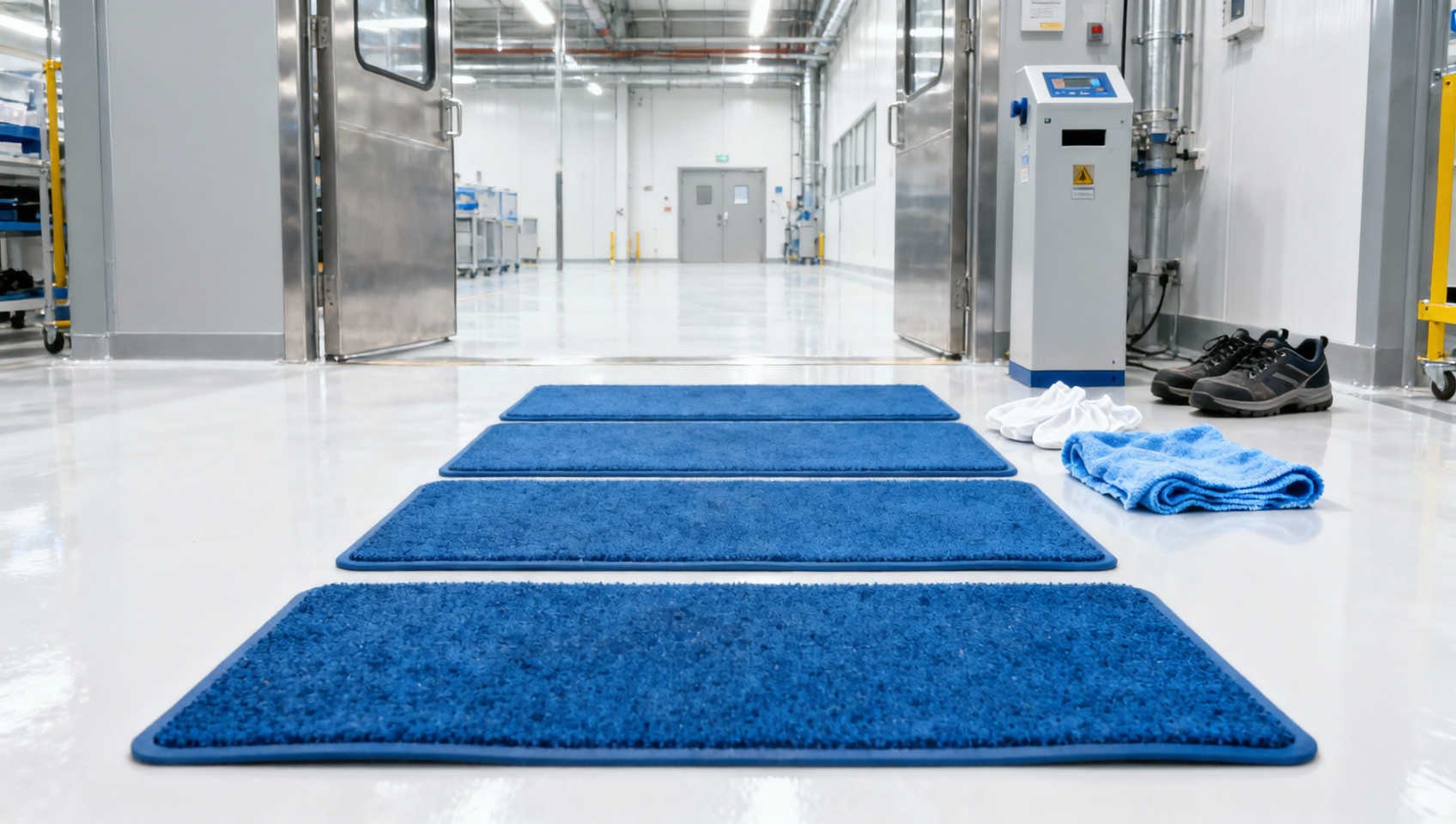
A sticky mat is often treated as a simple entry-point consumable, yet in cleanrooms, labs, electronics assembly lines, pharmaceutical support zones, and controlled packaging areas, it plays a frontline role in particle reduction. When the adhesive surface stops capturing dust, fibers, and footwear-borne debris earlier than planned, the problem is rarely just “poor stickiness.” In most facilities, early failure is linked to mismatched mat construction, traffic intensity, flooring conditions, operator habits, and poor integration with the wider contamination-control workflow.
For users and operators, the warning signs usually appear within 1–3 shifts: visible edge lifting, reduced particle pickup, layers being peeled too frequently, or footprints remaining on the mat surface without effective capture. For procurement teams, the issue looks different. They may see rising monthly consumption, inconsistent supplier performance, or complaints from supervisors using lint free wipes bulk and garment systems to compensate for dirt tracked into critical areas.
The cleanroom itself also matters. A sticky mat placed before gowning, after gowning, or directly at a material transfer point will behave differently. A site with 20–50 crossings per hour has a very different demand profile from a zone with 200+ crossings per hour during shift change. In higher-traffic settings, a mat that appears cost-effective on a unit basis can become operationally expensive because each layer is exhausted too quickly.
Global Industrial Core (GIC) approaches this topic from an industrial systems perspective. Instead of evaluating sticky mats cleanroom performance in isolation, the better question is whether the mat is correctly specified within a full barrier strategy that includes footwear control, cleanroom garments, dispenser placement, cleaning consumables, and documented operating discipline. That systems view is what helps buyers reduce hidden contamination risk instead of merely replacing rolls more often.
The most common root causes of early tack loss
In day-to-day facility audits, early tack loss usually comes from a short list of practical factors rather than one dramatic defect. These factors can be reviewed during receiving inspection, trial use, and monthly performance checks.
- Excessive foot traffic concentrated into narrow lanes, especially at shift start, lunch return, and maintenance access windows.
- Footwear carrying larger particles, metal dust, paper fiber, or oily residues that saturate the top layer faster than standard dry dust.
- Improper placement on uneven, damp, or dusty flooring, causing poor adhesion between the mat backing and the floor.
- Using the wrong mat grade for the environment, such as general industrial mats in more sensitive cleanroom support areas.
- Storage problems, including heat exposure, compressed packaging damage, or aged stock held beyond normal rotation periods.
When two or more of these causes overlap, the result is predictable: more frequent layer changes, reduced confidence in contamination control, and an increased burden on downstream cleaning measures. That is why sticky mats should be reviewed as a performance-controlled consumable, not an afterthought.
What should operators and buyers evaluate before blaming the mat itself?
Before changing suppliers, it helps to assess the actual use conditions. In many facilities, the mat is doing exactly what it was designed to do, but the operating pattern exceeds the specification window. A practical review should cover at least 5 key checks: traffic count per shift, entry path width, flooring cleanliness, footwear condition, and layer replacement frequency. These five checks often explain most “unexpected” grip loss complaints.
Operators should also look at behavior around the entry point. If staff step over corners, drag carts across edges, or enter with debris-heavy shoe soles before using a wholesale shoe cover dispenser, the top layer loads up rapidly. In electronics and ESD-managed areas, esd anti static shoes may control electrostatic discharge, but they do not prevent sole-borne particles. Static control and particle control are related, yet they are not interchangeable.
Procurement teams need a broader evaluation model than price per pad. It is more useful to compare cost per effective day, cost per 1,000 crossings, and impact on housekeeping labor. A lower-cost mat that requires peeling every 2–4 hours may create a higher annual operating cost than a more stable option changed every 6–8 hours under the same conditions.
Facility leaders should then connect mat performance to adjacent consumables. If lint free wipes bulk usage climbs while sticky mats cleanroom performance declines, the site may be shifting contamination removal downstream instead of preventing it at the entrance. Likewise, if cleanroom garments are compliant but floor-level entry control is weak, overall gowning discipline may still fail to deliver the expected cleanliness outcome.
A practical evaluation table for fast on-site review
The table below helps users, buyers, and supervisors identify whether the issue is product-related, process-related, or environment-related. It is especially useful during a 7–14 day trial period when comparing multiple sticky mats cleanroom options.
This kind of review makes procurement discussions more objective. Instead of saying a mat “doesn’t last,” teams can define a measurable use pattern and then align size, layer count, tack profile, and replenishment intervals accordingly.
Three signs the problem is operational, not material
A useful rule is to separate visible wear from effective loading. If the mat surface looks dirty quickly but still captures particles, it may be functioning normally. If it looks clean but no longer picks up debris, there may be contamination on the adhesive or a storage issue.
- Layers are peeled by schedule rather than by condition, causing overconsumption and a false impression of low durability.
- Entry protocols are inconsistent, so some users pass through after donning wholesale cleanroom garments while others bypass controls.
- The mat is undersized for the doorway, allowing one-step bypass or side-edge traffic that concentrates wear in a small zone.
These operating mistakes are common in mixed-use industrial sites, where controlled areas are embedded inside larger manufacturing environments. The more mixed the site, the more important it becomes to define traffic patterns clearly.
How should cleanroom entry systems be compared as a full contamination-control package?
A sticky mat rarely performs well as a standalone answer. Buyers comparing sticky mats cleanroom solutions should look at the complete entry package: shoe sole control, garment discipline, wipe availability, dispenser placement, and replacement workflow. In many B2B facilities, a combination approach can improve consistency over a 3–6 month operating period more effectively than changing only the mat brand.
For example, a wholesale shoe cover dispenser can reduce gross dirt transfer before contact with the mat. Lint free wipes bulk can support routine frame, threshold, and nearby floor cleaning. Wholesale cleanroom garments reduce fiber shedding from personnel. ESD anti static shoes address electrostatic control, which is crucial in electronics and precision assembly. Each element has a different job, and each one influences how hard the sticky mat must work.
The decision should be driven by scenario. A pharmaceutical support room, a semiconductor support corridor, a precision packaging line, and a battery assembly prep area all face different contaminant types. Dry dust, paper lint, metallic fines, and adhesive residues create different load profiles. That is why comparison must be scenario-based rather than generic.
Below is a comparison framework that helps procurement teams decide which supporting measures should be bundled with sticky mats cleanroom procurement rather than treated as separate line items.
Comparison of entry-control components
This table highlights where sticky mats fit and where they should be reinforced by adjacent consumables or procedural tools. It is helpful for cross-functional reviews involving operations, EHS, quality, and sourcing.
The key takeaway is that sticky mats perform best when they are not expected to solve every contamination issue alone. Where gross dirt is high, combine barrier control, footwear discipline, and local cleaning support. That reduces the load on each layer and often extends practical service life.
Which scenarios need different procurement logic?
A light-duty electronics test room may only need a standard replacement cadence tied to one or two shifts per day. A higher-traffic industrial support corridor may require larger mats, doubled entry points, or more frequent replenishment. In a site with wheeled traffic, buyers should also evaluate whether wheels are carrying larger debris that peels or dulls the active layer faster than foot traffic alone.
That is where GIC adds value for B2B sourcing teams. Rather than buying consumables in isolated categories, decision-makers can compare product interaction, workflow fit, and compliance implications across the broader industrial environment. This is especially important for EPC contractors and facility managers who need scalable specifications across multiple locations.
What purchasing criteria matter most for performance, cost, and compliance?
A good procurement decision balances 4 dimensions: contamination-control effectiveness, operational durability, supply consistency, and documentation. These four areas matter more than basic unit price because they directly affect labor, replacement cycles, and audit confidence. For buyers managing multiple controlled zones, standardizing these criteria can simplify supplier comparison and internal approval.
Performance should be assessed in realistic conditions, not just packaging claims. Ask how the sticky mats cleanroom product behaves over a normal shift, whether the adhesive profile remains usable under dry and moderate debris load, and whether peeling layers is clean and quick for operators. A practical on-site trial over 5–10 working days is often more informative than a catalog sheet.
Cost should be evaluated across the use cycle. Include number of layers, expected changes per day, training needs, waste volume, and labor time. If one operator spends even 2–3 extra minutes per change across several doors and multiple shifts, the annual handling cost becomes meaningful. Procurement teams should also ask whether mat dimensions match the doorway so that personnel take at least 2 full steps on the adhesive surface.
Compliance and supplier reliability are equally important. Industrial buyers should request relevant product information, packaging controls, consistency across lots, and any applicable material or cleanliness documentation typically used in controlled-environment procurement. When projects involve global supply chains, delivery predictability over 2–8 weeks can matter as much as product performance.
Procurement checklist for sticky mats and related consumables
The following checklist helps convert general concerns into a sourcing decision that operations, quality, and management can all support.
- Confirm the doorway size, traffic density, and whether users make 1, 2, or more adhesive contacts before entry.
- Define whether the zone is personnel-only, mixed personnel and cart traffic, or includes high-debris maintenance movement.
- Review how the mat will work with wholesale shoe cover dispenser placement and cleanroom garment procedures.
- Check whether lint free wipes bulk is already used nearby to manage threshold dust and support routine area cleaning.
- Ask for sample support, expected delivery windows, replenishment cadence, and packaging suitable for storage rotation.
This checklist is also useful for multi-site purchasing. It creates a consistent language between operators reporting problems and sourcing teams making contract decisions.
A simple cost-view table for annual planning
When buyers compare options, the real question is not only “How much per pack?” but “How much control per month?” The table below shows which cost drivers usually deserve attention.
This planning view helps management see that sticky mats are not just a low-value consumable. In controlled environments, their performance affects housekeeping time, process confidence, and the consistency of entry control.
What standards, implementation steps, and common mistakes should teams keep in mind?
Sticky mats themselves are usually evaluated as part of broader cleanroom and controlled-environment practice rather than as a standalone compliance category. Buyers should focus on whether the selected product aligns with the site’s internal contamination-control procedures and with common frameworks such as ISO-based cleanroom management, documented gowning practice, and site-specific safety or material handling requirements. In industrial settings, the strength of implementation often matters more than any single product claim.
A practical rollout can be managed in 4 steps over roughly 1–2 weeks for a single area: assess traffic and contamination sources, trial one or two mat formats, train operators on correct use, and monitor replacement frequency against observations. In larger facilities, this may be expanded into a 3-stage deployment covering pilot zone, validation zone, and multi-entry standardization.
Common mistakes are surprisingly consistent across industries. Teams often install mats after contamination has already entered the room, fail to clean the floor before placement, or assume esd anti static shoes remove the need for particle capture at the threshold. Others buy wholesale cleanroom garments and lint free wipes bulk correctly but overlook doorway geometry, causing users to bypass part of the mat surface with a single long step.
Another common issue is replacement discipline. If no one defines whether layers are changed by visual loading, by crossing count, or by shift schedule, staff will improvise. That inconsistency distorts consumption data and makes supplier comparison unreliable. A simple documented rule can greatly improve purchasing accuracy and operational control.
FAQ: the questions buyers and operators ask most often
How often should sticky mats cleanroom layers be changed?
There is no single universal interval. In lower-traffic areas, one layer may remain effective for a full shift or longer. In busy entry points, changes may be needed every few hours. A practical rule is to establish a 5–10 day observation period, track crossings and visible loading, and then set a site-specific replacement trigger. Using a fixed schedule without data often causes either overuse or premature waste.
Can a shoe cover dispenser reduce sticky mat consumption?
Yes, in many facilities it can. A wholesale shoe cover dispenser reduces the debris load reaching the adhesive surface, especially in mixed industrial environments where outside corridor dust is significant. It does not eliminate the need for sticky mats, but it can make layer life more predictable and improve cleanliness at the threshold.
Do esd anti static shoes solve the same problem as sticky mats?
No. ESD footwear helps control electrostatic discharge. Sticky mats help capture particulate contamination. In electronics, battery, and precision assembly environments, both may be needed at the same entry point because they manage different risks. Treating one as a substitute for the other can leave a gap in the control plan.
What should procurement ask a supplier before ordering?
Ask about available sizes, layer counts, packaging integrity, recommended traffic level, storage guidance, sample availability, and typical delivery windows such as 7–15 days or 2–4 weeks depending on stock position. Also ask how the product is typically paired with lint free wipes bulk, wholesale cleanroom garments, or entry accessories in controlled industrial use.
Why work with GIC when evaluating cleanroom consumables and sourcing decisions?
For industrial buyers, the challenge is rarely finding a sticky mat supplier. The real challenge is selecting a workable cleanroom entry solution that fits the process, the site, the compliance burden, and the purchasing model. GIC supports that decision by connecting product evaluation with operational realities across safety, measurement, environmental control, electrical sensitivity, and industrial materials handling.
That matters when your team is comparing sticky mats cleanroom options alongside lint free wipes bulk programs, wholesale shoe cover dispenser deployment, esd anti static shoes, and wholesale cleanroom garments. Instead of reviewing each item in isolation, GIC helps buyers and project leaders align the specification with traffic level, contamination source, application zone, documentation needs, and replenishment planning.
If you are planning a new controlled area or trying to reduce recurring consumable waste in an existing one, you can consult GIC on practical topics that directly affect procurement and operations: mat size and layer selection, doorway layout, integration with shoe cover systems, cleanroom garment coordination, sample evaluation steps, expected delivery cycles, and supplier comparison criteria for multi-site purchasing.
Contact GIC if you need support with parameter confirmation, product selection, application matching, lead-time planning, certification-related document review, sample coordination, or quotation alignment for cleanroom entry consumables. A better decision starts with a clearer use case, and that is where structured industrial sourcing intelligence creates measurable value.
Technical Specifications
Expert Insights

Chief Security Architect
Dr. Thorne specializes in the intersection of structural engineering and digital resilience. He has advised three G7 governments on industrial infrastructure security.
Related Analysis
- Apr 14, 2026How accurate is a true RMS multimeter on VFD signals?Author :Precision Metrology Expert
- Apr 14, 2026When a digital oscilloscope wholesale quote looks cheap at firstAuthor :Precision Metrology Expert
- Apr 14, 2026What changes when an ozone generator goes commercial gradeAuthor :Environmental Engineering Director
Core Sector // 01
Security & Safety
- Sticky mats for cleanrooms lose grip faster than expected?Author :Precision Metrology Expert

- Lint free wipes in bulk: what causes unexpected residue?Author :Precision Metrology Expert

- Drug testing kits: where false positives usually come fromAuthor :Precision Metrology Expert

- NMPA Releases 103rd Batch of Generic Drug Reference List, Accelerating Market Access for Key APIsAuthor :Precision Metrology Expert

- Metallurgical microscopes vs. standard optical microscopes: when does resolution matter most?Author :Precision Metrology Expert

- Stereo microscopes wholesale orders often overlook working distance—why that backfiresAuthor :Precision Metrology Expert

- Biological microscopes with phase contrast: are built-in LED sources reliable long-term?Author :Precision Metrology Expert

- Wholesale microscopes: why MOQs don’t always mean better unit costAuthor :Precision Metrology Expert