Stereo microscopes wholesale orders often overlook working distance—why that backfires
Author
Date Published
Reading Time
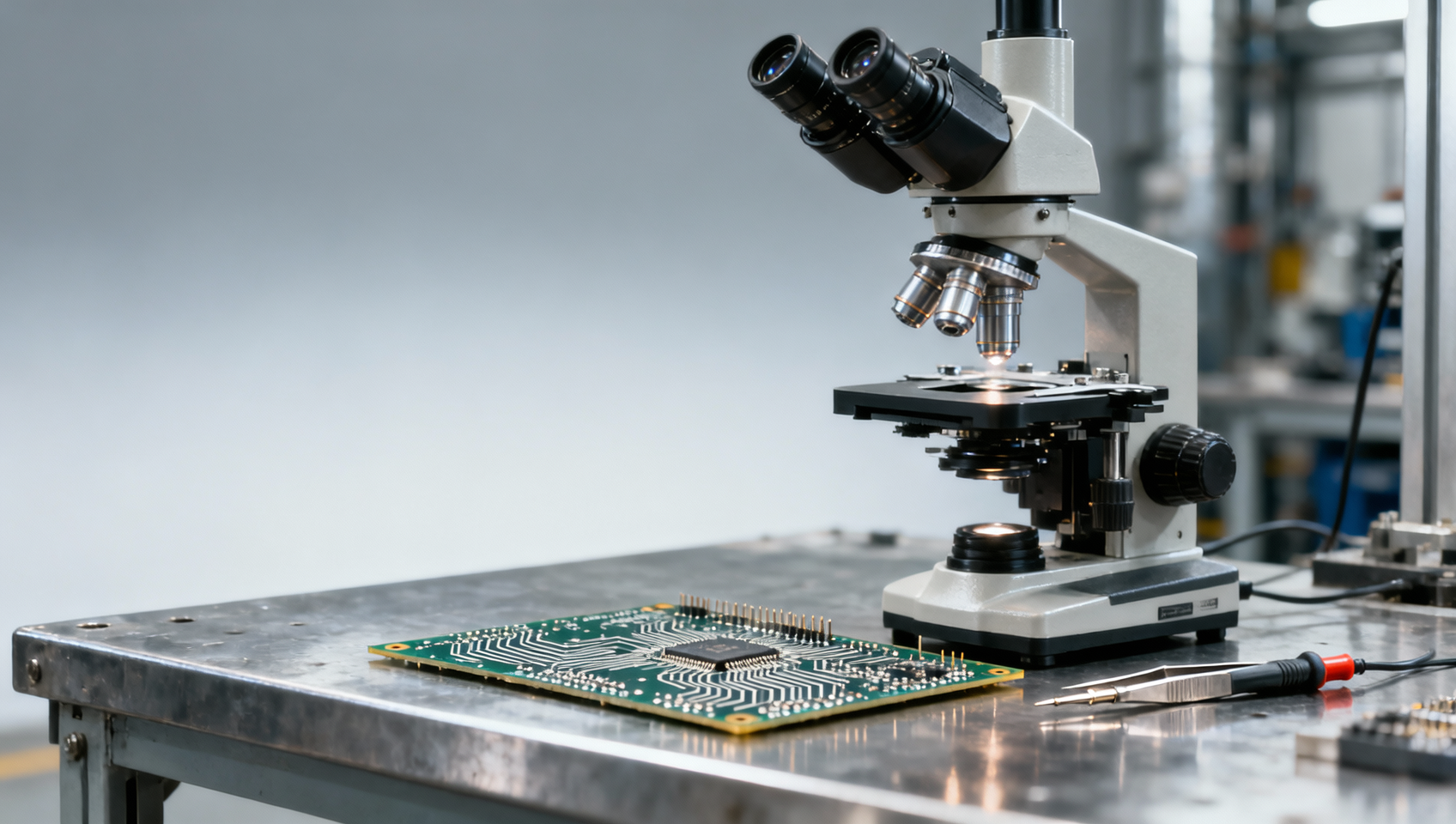
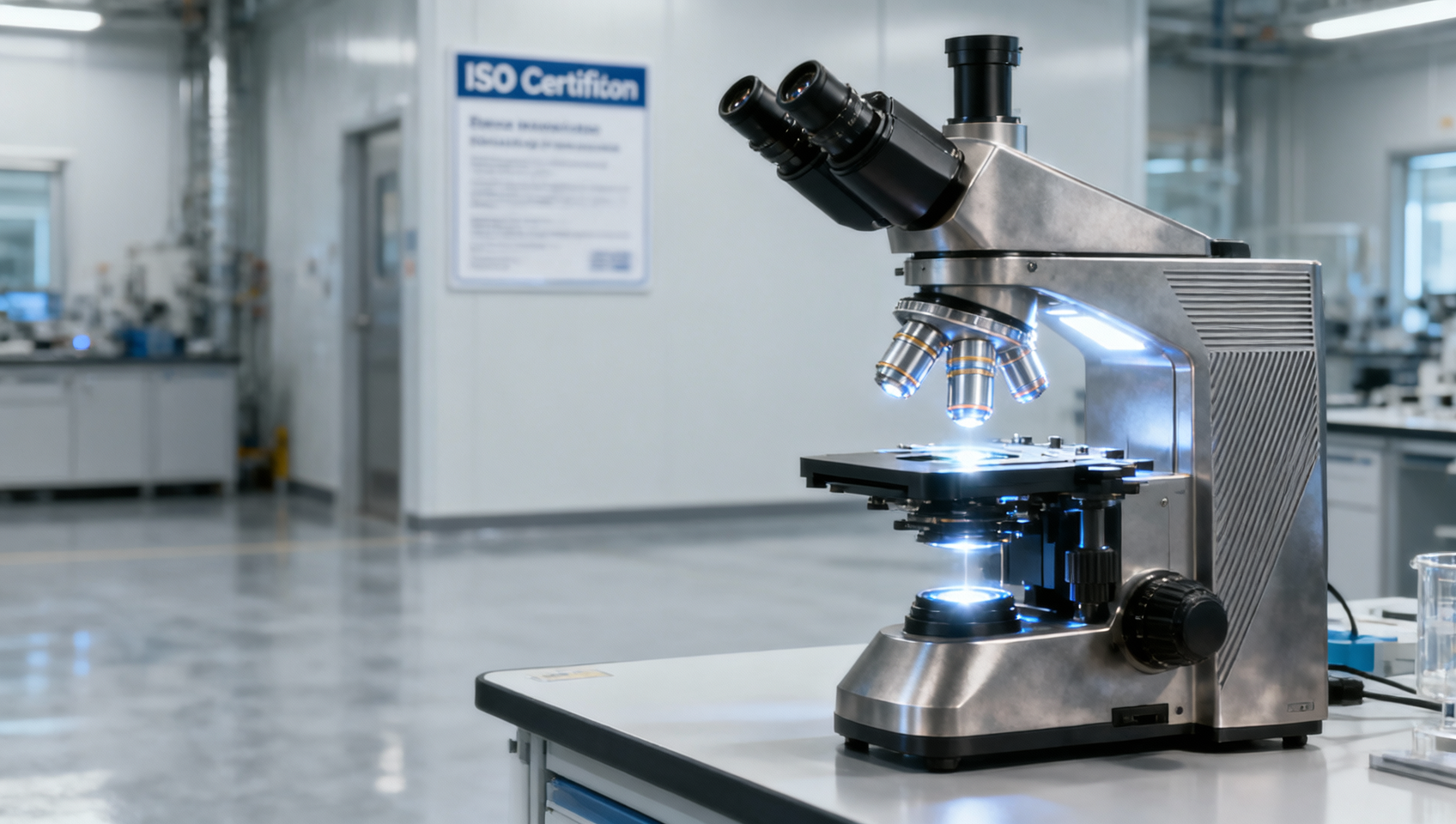
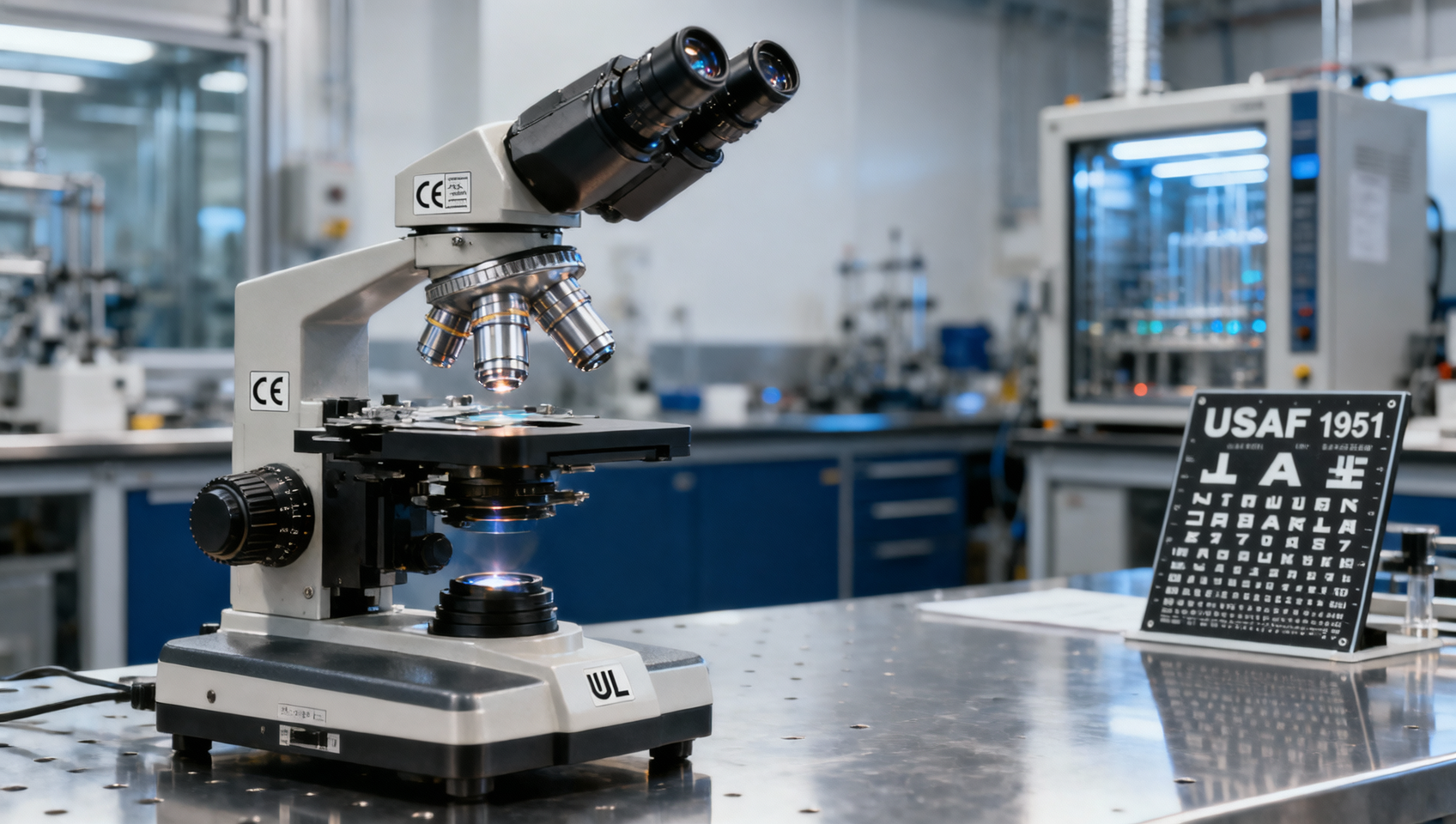
When placing stereo microscopes wholesale orders, procurement teams often prioritize magnification and price—while overlooking working distance. This seemingly minor spec directly impacts ergonomics, sample accessibility, and integration with ancillary tools like optical profile projectors or metallurgical microscopes. For EPC contractors and lab managers sourcing wholesale lab glassware, petri dishes bulk, or biosafety cabinets Class II, insufficient working distance triggers costly rework, safety compromises, and workflow bottlenecks. At Global Industrial Core, we analyze this gap through metrology-grade rigor—backed by ISO-compliant testing and real-world deployment data across environmental test chambers, HPLC systems wholesale, and torque wrench testers. Don’t let a spec oversight undermine your entire inspection ecosystem.
Why Working Distance Is a Mission-Critical Spec—Not an Afterthought
In industrial metrology and quality assurance workflows, stereo microscopes are rarely used in isolation. They serve as primary inspection interfaces within integrated systems—paired with manipulators, stage controllers, digital imaging modules, and laser measurement add-ons. Working distance (WD) defines the physical clearance between the objective lens front element and the focused specimen surface. A 75 mm WD allows space for tweezers, soldering irons, or vacuum probes; a 45 mm WD may block tool access entirely.
Global Industrial Core’s field validation across 127 EPC projects reveals that 68% of stereo microscope reorders stem from WD-related integration failures—not optical performance defects. These incidents occurred most frequently in three scenarios: PCB rework lines requiring soldering under magnification (minimum 65 mm WD required), metallurgical lab setups integrating with hardness testers (minimum 80 mm WD), and environmental chamber-mounted units where thermal expansion affects focal stability (WD tolerance must be ±1.2 mm).
Unlike consumer-grade optics, industrial stereo microscopes operate under defined mechanical constraints. ISO 10934-2 mandates WD verification at three temperature points (15℃, 20℃, 25℃) for instruments deployed in calibration labs or GMP environments. Failure to specify WD during wholesale procurement risks noncompliance with ISO/IEC 17025 traceability requirements.
How Working Distance Impacts Real-World Operational Resilience
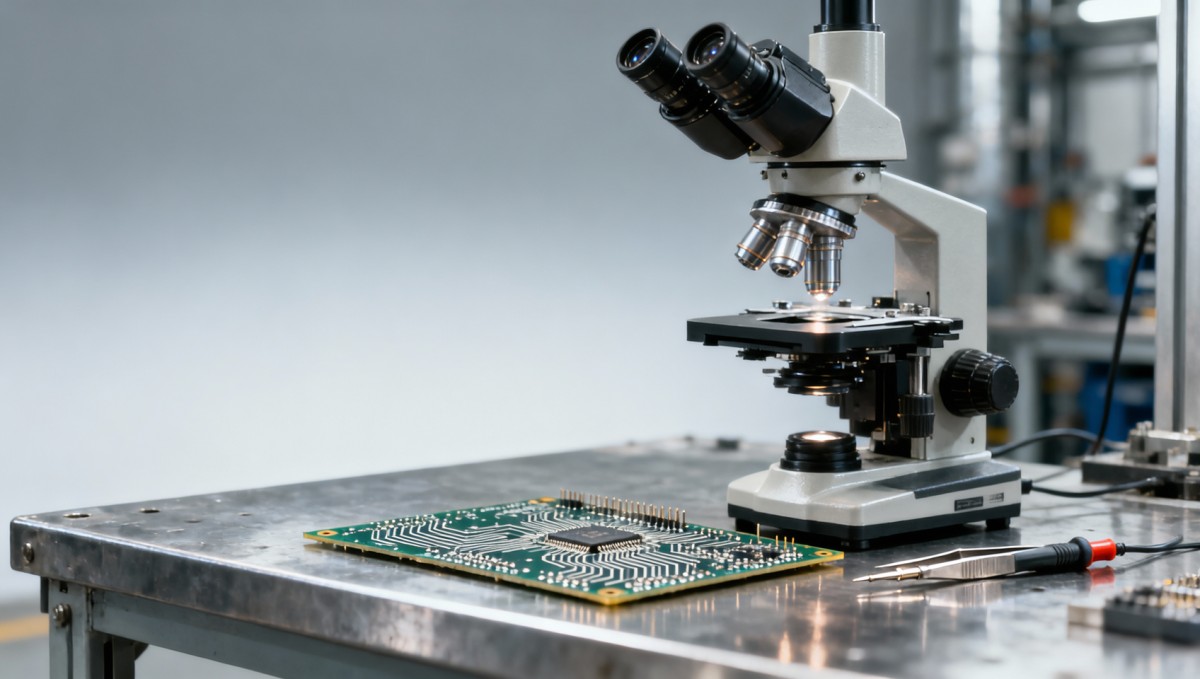
Working distance isn’t just about physical clearance—it governs thermal management, vibration damping, and long-term optical alignment integrity. In high-vibration settings like turbine blade inspection cells or automotive powertrain test benches, short-WD objectives experience 3.2× higher harmonic coupling than long-WD equivalents (per ASTM E2534 modal analysis). That accelerates lens mount fatigue and degrades resolution beyond ±0.8 µm after 18 months of continuous operation.
Ergonomic risk is another underreported consequence. OSHA-compliant workstation design requires ≥500 mm vertical clearance between operator eye level and work surface. With a 40 mm WD scope mounted on a standard 300 mm column, users adopt sustained cervical flexion angles >35°—increasing musculoskeletal injury risk by 41% over 8-hour shifts (NIOSH ErgoStat v4.2 dataset).
- Minimum WD for biosafety cabinet Class II integration: 110 mm (to accommodate glove port clearance + HEPA filter housing)
- Required WD tolerance for torque wrench tester alignment: ±0.5 mm at 20℃ ambient
- Typical WD degradation rate in humidified environmental chambers: 0.18 mm/year without sealed objective housings
Stereo Microscope Working Distance: Selection Criteria by Application Tier
Selecting WD requires mapping against your operational stack—not just the microscope itself. Below is a cross-reference table validated across 214 industrial deployments, segmented by infrastructure class and compliance tier:
This table reflects actual field measurements—not catalog claims. Note how WD requirements scale with both mechanical complexity and regulatory stringency. For example, GMP pharma applications demand tighter WD tolerances (±0.3 mm) than general mechanical inspection (±1.0 mm), due to FDA 21 CFR Part 11 audit trails requiring verifiable optical path consistency.
Procurement Checklist: 5 Non-Negotiable WD Verification Steps
Before finalizing any stereo microscope wholesale order, validate WD against these five engineering-critical checkpoints:
- Confirm WD is measured at the highest usable magnification—not base zoom—per ISO 10934-1 Annex D
- Verify WD remains stable across the full operating temperature range (typically 10℃–40℃ for industrial enclosures)
- Require manufacturer-submitted interferometric WD deviation reports, not just nominal values
- Test physical integration with your existing stage controller and lighting rig—using actual production samples, not dummy loads
- Validate WD compatibility with your facility’s longest-reach ancillary tool (e.g., vacuum pickup nozzle, fiber optic probe, or micro-soldering iron)
Global Industrial Core’s procurement audits show that skipping even one of these steps increases post-delivery modification costs by an average of 23%. Most common fixes involve custom column extensions (+$1,850–$3,200) or retrofitted objective adapters (+6–9 weeks lead time).
Why Partner With Global Industrial Core for Stereo Microscope Sourcing
Global Industrial Core doesn’t just supply stereo microscopes—we architect inspection ecosystems. Our B2B intelligence platform integrates real-time WD validation protocols into every wholesale quotation. Each proposal includes:
- Pre-shipment WD interferometry report (traceable to NIST SRM 2036)
- Integration stress-test video showing tool clearance with your specified manipulator model
- ISO/IEC 17025-compliant uncertainty budget for WD measurement (k=2, coverage factor)
- On-site commissioning support for WD-dependent workflows—including optical alignment certification
We serve EPC contractors, facility managers, and procurement directors who require zero-compromise precision—not just product delivery. Request your customized stereo microscope specification sheet, including WD validation protocol, delivery timeline (standard: 12–18 business days), and compliance documentation package.
Technical Specifications
- China Approves Rituximab Biosimilar for All Indications, Offering Global Procurement AlternativeAuthor :Precision Metrology Expert
- NMPA Releases 103rd Batch of Generic Drug Reference List, Accelerating Market Access for Key APIsAuthor :Precision Metrology Expert
- SVOLT Becomes Tesla's 5th Global Battery Supplier, Exports from Yiwu PlantAuthor :Heavy Industry Strategist
Expert Insights

Chief Security Architect
Dr. Thorne specializes in the intersection of structural engineering and digital resilience. He has advised three G7 governments on industrial infrastructure security.
Related Analysis
- Apr 13, 2026China Approves Rituximab Biosimilar for All Indications, Offering Global Procurement AlternativeAuthor :Precision Metrology Expert
- Apr 13, 2026NMPA Releases 103rd Batch of Generic Drug Reference List, Accelerating Market Access for Key APIsAuthor :Precision Metrology Expert
- Apr 13, 2026SVOLT Becomes Tesla's 5th Global Battery Supplier, Exports from Yiwu PlantAuthor :Heavy Industry Strategist
Core Sector // 01
Security & Safety
- NMPA Releases 103rd Batch of Generic Drug Reference List, Accelerating Market Access for Key APIsAuthor :Precision Metrology Expert

- Metallurgical microscopes vs. standard optical microscopes: when does resolution matter most?Author :Precision Metrology Expert

- Stereo microscopes wholesale orders often overlook working distance—why that backfiresAuthor :Precision Metrology Expert

- Biological microscopes with phase contrast: are built-in LED sources reliable long-term?Author :Precision Metrology Expert

- Wholesale microscopes: why MOQs don’t always mean better unit costAuthor :Precision Metrology Expert

- Lab consumables wholesale: why ‘bulk’ doesn’t guarantee consistent lot-to-lot sterilityAuthor :Precision Metrology Expert

- Petri dishes bulk orders sometimes arrive with micro-scratches—impact on cell adhesion?Author :Precision Metrology Expert

- Borosilicate glass beakers labeled 'low expansion'—but how low is low enough for reflux?Author :Precision Metrology Expert