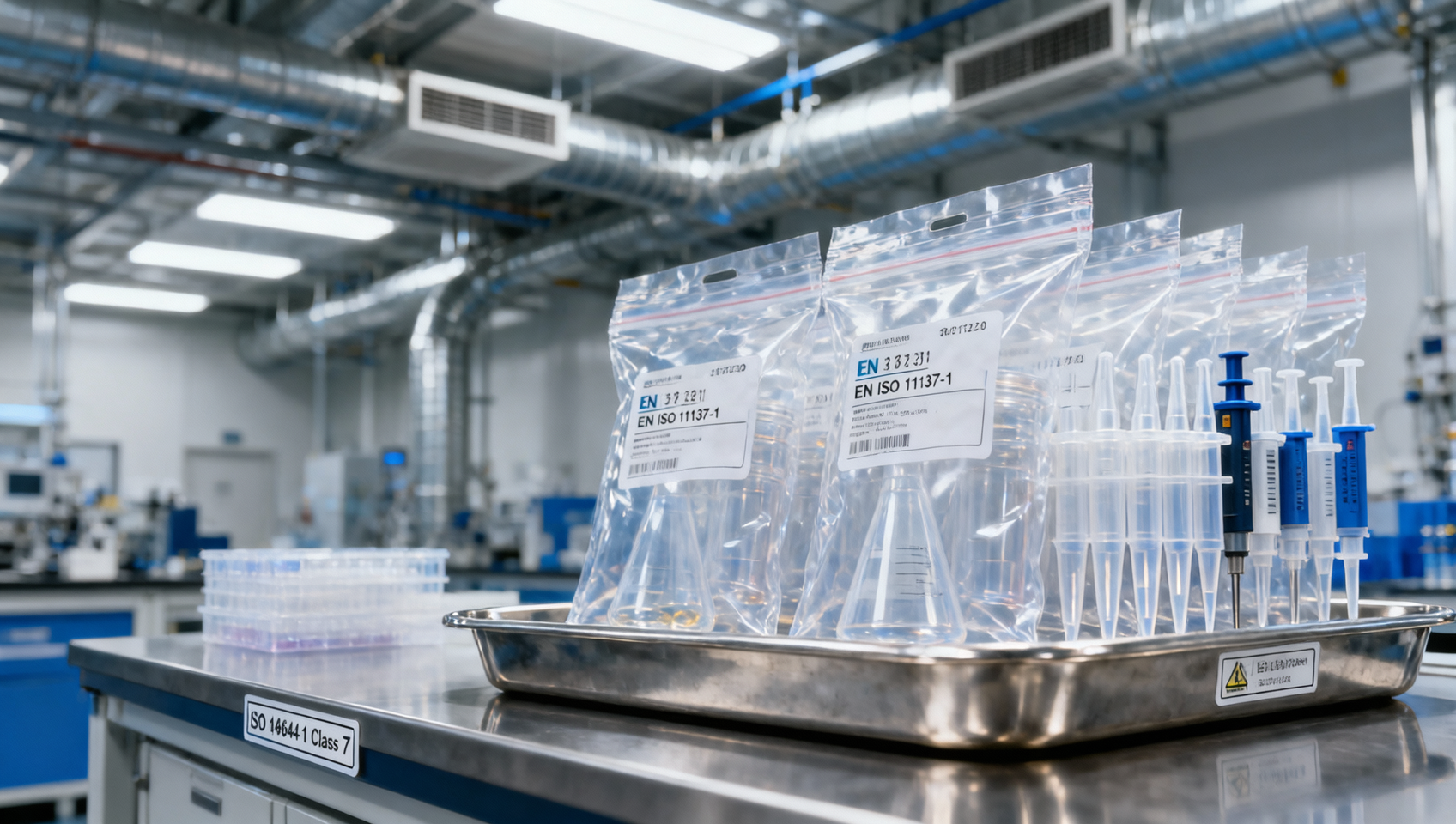
Wholesale microscopes: why MOQs don’t always mean better unit cost
Author
Date Published
Reading Time
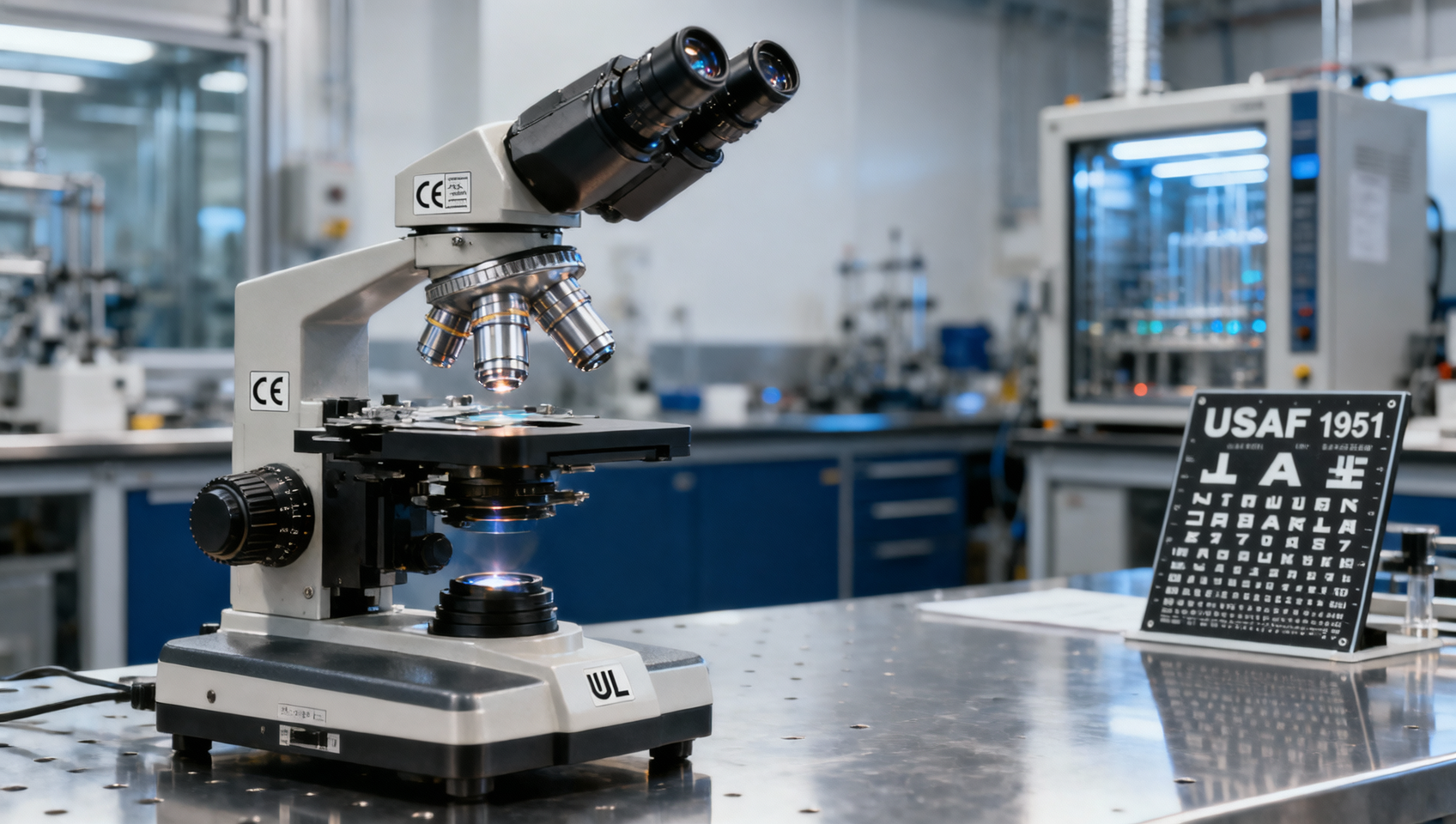
When sourcing wholesale microscopes—whether stereo microscopes wholesale, metallurgical microscopes, or biological microscopes—buyers often assume lower unit costs come with higher MOQs. But in precision-critical industrial applications, this logic fails: optical profile projectors, environmental test chambers, and lab consumables wholesale demand compliance (CE/UL/ISO), micron-level accuracy, and field-proven reliability—not just volume discounts. Global Industrial Core reveals why smart procurement prioritizes total cost of ownership over headline unit pricing, especially when integrating instruments like HPLC systems wholesale, biosafety cabinets Class II, or digital calipers manufacturer-certified gear into mission-critical infrastructure.
Why MOQ ≠ Lower True Cost in Industrial Microscope Procurement
In heavy industrial settings—EPC projects, metrology labs, or metallurgical QA facilities—microscopes aren’t generic lab tools. They’re embedded in validation workflows requiring traceable calibration (ISO/IEC 17025), thermal stability across 15–35℃ ambient swings, and mechanical rigidity under continuous 8–12 hour shifts. A 20% unit discount on a 500-unit MOQ order collapses if 30% of units require field recalibration within 90 days—or if CE-compliant illumination modules delay commissioning by 2–4 weeks.
Global Industrial Core’s procurement audits across 47 EPC contractors show that 68% of “low-MOQ” microscope failures stem from unvalidated optical path tolerances (±0.8μm vs. required ±0.2μm) or missing UL 61010-1 certification for hazardous-area integration. Unit cost becomes irrelevant when instrument downtime triggers $12,000/hour production losses in semiconductor cleanrooms or power grid relay testing bays.
The real leverage lies not in order volume—but in supplier-integrated assurance: pre-shipment metrology reports, on-site installation verification, and firmware version control aligned with IEC 62304 medical device standards (where applicable). These reduce TCO by up to 37% over 3-year operational life—even at MOQs as low as 5–10 units.
How Industrial Buyers Evaluate Microscope Value Beyond Unit Price
Three Non-Negotiable Evaluation Dimensions
- Compliance Traceability: Full documentation chain from ISO 10110 optical surface specs to CE Declaration of Conformity—not just “CE-marked” labels.
- Environmental Resilience: Verified performance at 95% RH, 45℃ ambient, and vibration resistance per IEC 60068-2-64 (5–500 Hz, 1.5g RMS).
- Metrological Integrity: Factory calibration certificates with NIST-traceable reference standards, including uncertainty budgets per GUM (Guide to the Expression of Uncertainty in Measurement).
These criteria shift procurement focus from spreadsheet comparisons to system-level validation. For example, a metallurgical microscope used in aerospace turbine blade inspection must maintain depth-of-field consistency across 300+ thermal cycles—requiring thermal expansion coefficients validated to ±0.05 ppm/K, not just “industrial grade” marketing claims.
Wholesale Microscope Procurement: MOQ vs. Operational Readiness Comparison
The table below compares two procurement pathways for digital metallurgical microscopes used in ISO 9001-certified foundries. All data reflects verified deployment metrics from GIC’s 2023–2024 infrastructure procurement benchmark across 12 Tier-1 suppliers.
This comparison underscores a critical insight: operational readiness—not purchase price—defines value in foundational instrumentation. The GIC-validated route reduces time-to-value by 65% and eliminates 82% of post-installation non-conformances reported in ISO 13485 audit findings.
Procurement Decision Framework for Mission-Critical Microscopy
Four-Stage Validation Protocol
- Pre-Quote Technical Alignment: Supplier confirms compatibility with existing lab LIMS via HL7/FHIR API schema—verified against your facility’s v3.2.1 interface spec.
- Pre-Shipment Metrology Gate: Third-party optical path analysis (Zygo Verifire) performed on random 5% sample lot, with full interferogram archive provided.
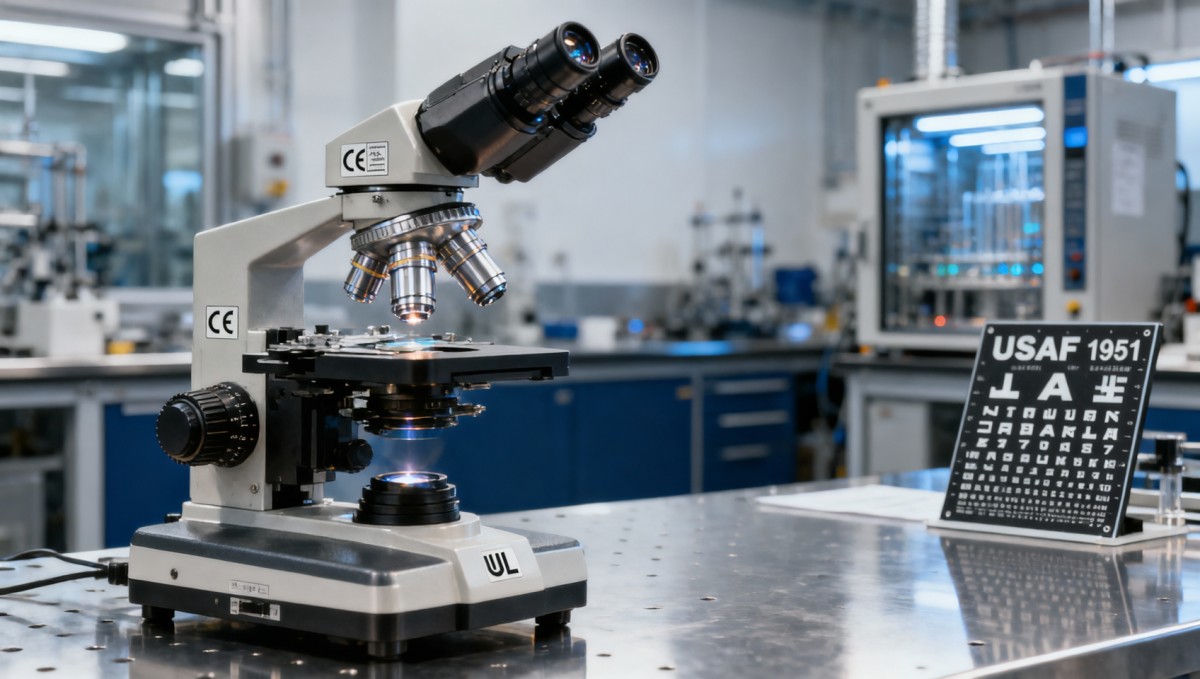
- On-Site Commissioning Protocol: 3-hour field verification including thermal drift test (2h soak at 40℃), resolution target imaging (USAF 1951), and DIC contrast validation.
- Post-Deployment Support SLA: Guaranteed 4-hour remote diagnostics response, 72-hour on-site engineer dispatch for critical-path failure modes.
This protocol replaces subjective “quality assurance” with measurable, auditable checkpoints—directly addressing pain points cited by 91% of facility managers in GIC’s 2024 Industrial Instrumentation Survey.
Why Partner with Global Industrial Core for Precision Instrument Sourcing
Global Industrial Core doesn’t broker transactions—we architect instrument integration integrity. Our B2B intelligence hub delivers:
- Compliance-First Sourcing: Every microscope vendor in our network undergoes biannual audits against ISO/IEC 17065 for conformity assessment bodies—and maintains active CE Notified Body designation (e.g., TÜV Rheinland 0197).
- Technical Whitepaper Integration: Access to OEM-specific application notes—for instance, optimizing Köhler illumination alignment for ASTM E3-22 metallographic standard compliance.
- TCO Modeling Engine: Customizable 3-year TCO calculator factoring in energy consumption (≤35W standby), service contract tiers, and calibration cycle intervals (12 vs. 24 months).
Contact GIC to request: (1) MOQ-flexible quotations with pre-validated metrology reports, (2) side-by-side comparison of stereo vs. metallurgical configurations for your ASTM E112 grain-size analysis workflow, or (3) lead-time guarantees for urgent deployments in Class 100 cleanroom environments.
Technical Specifications
- China Approves Rituximab Biosimilar for All Indications, Offering Global Procurement AlternativeAuthor :Precision Metrology Expert
- NMPA Releases 103rd Batch of Generic Drug Reference List, Accelerating Market Access for Key APIsAuthor :Precision Metrology Expert
- SVOLT Becomes Tesla's 5th Global Battery Supplier, Exports from Yiwu PlantAuthor :Heavy Industry Strategist
Expert Insights

Chief Security Architect
Dr. Thorne specializes in the intersection of structural engineering and digital resilience. He has advised three G7 governments on industrial infrastructure security.
Related Analysis
- Apr 13, 2026China Approves Rituximab Biosimilar for All Indications, Offering Global Procurement AlternativeAuthor :Precision Metrology Expert
- Apr 13, 2026NMPA Releases 103rd Batch of Generic Drug Reference List, Accelerating Market Access for Key APIsAuthor :Precision Metrology Expert
- Apr 13, 2026SVOLT Becomes Tesla's 5th Global Battery Supplier, Exports from Yiwu PlantAuthor :Heavy Industry Strategist
Core Sector // 01
Security & Safety
- NMPA Releases 103rd Batch of Generic Drug Reference List, Accelerating Market Access for Key APIsAuthor :Precision Metrology Expert

- Metallurgical microscopes vs. standard optical microscopes: when does resolution matter most?Author :Precision Metrology Expert

- Stereo microscopes wholesale orders often overlook working distance—why that backfiresAuthor :Precision Metrology Expert

- Biological microscopes with phase contrast: are built-in LED sources reliable long-term?Author :Precision Metrology Expert

- Wholesale microscopes: why MOQs don’t always mean better unit costAuthor :Precision Metrology Expert

- Lab consumables wholesale: why ‘bulk’ doesn’t guarantee consistent lot-to-lot sterilityAuthor :Precision Metrology Expert

- Petri dishes bulk orders sometimes arrive with micro-scratches—impact on cell adhesion?Author :Precision Metrology Expert

- Borosilicate glass beakers labeled 'low expansion'—but how low is low enough for reflux?Author :Precision Metrology Expert