UAE ESMA Enforces EN 14181 QA/QC Level 3 for Industrial Water Sensors
Author
Date Published
Reading Time
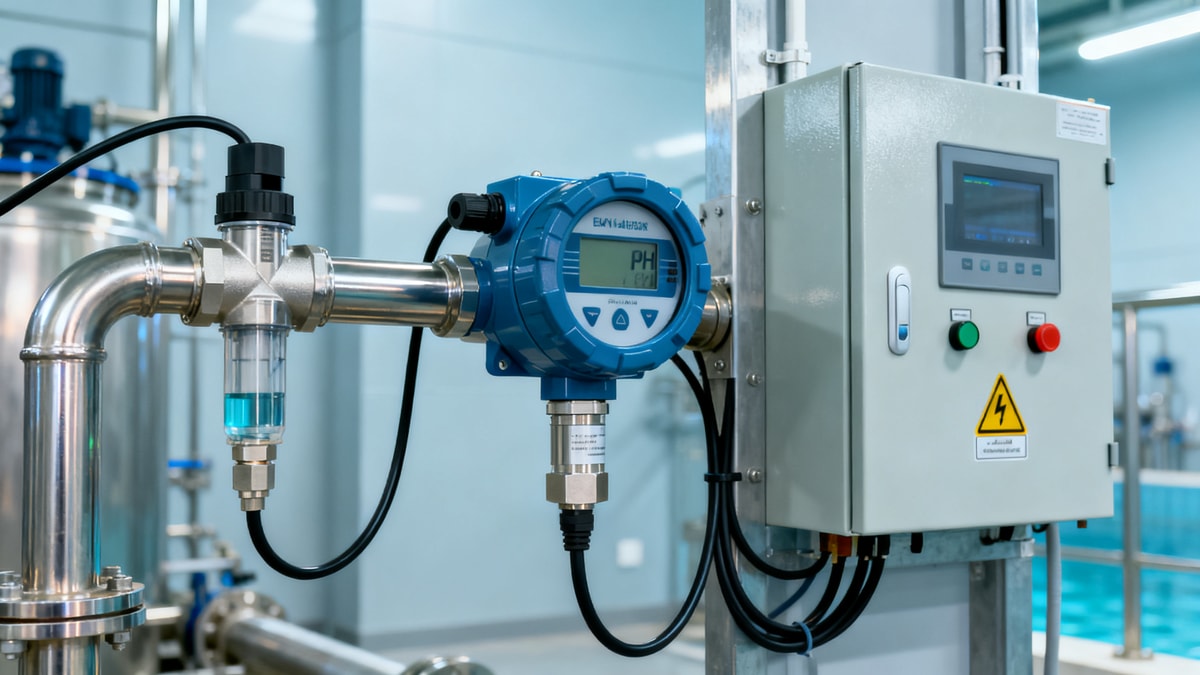
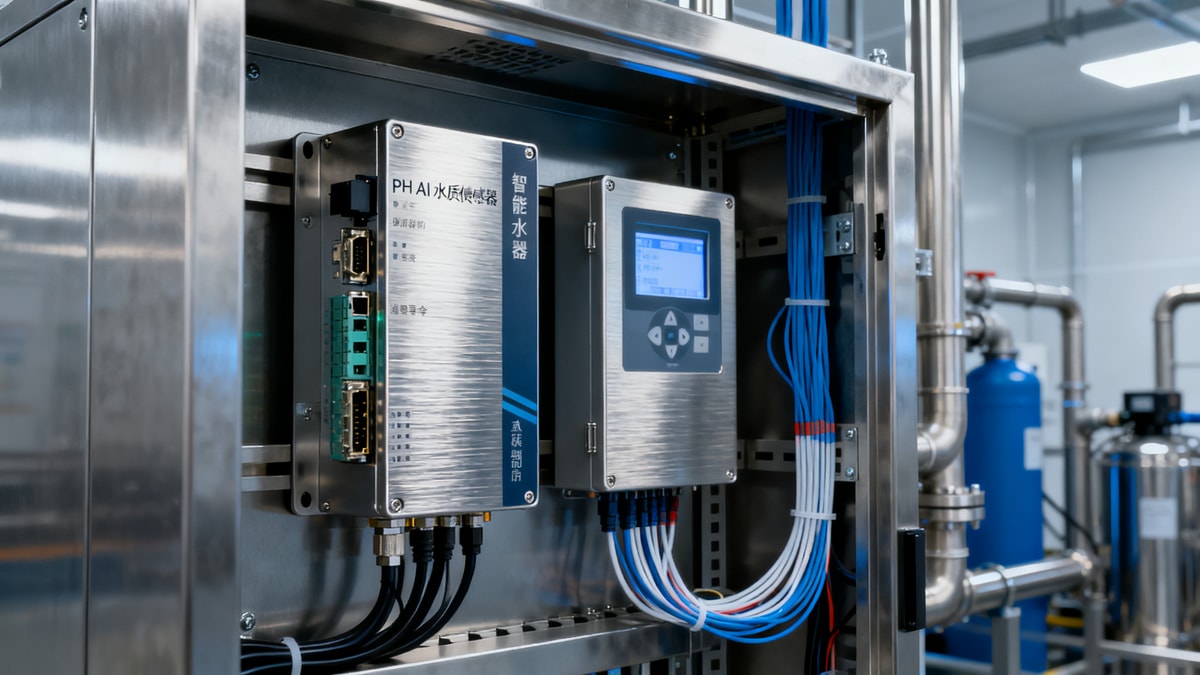
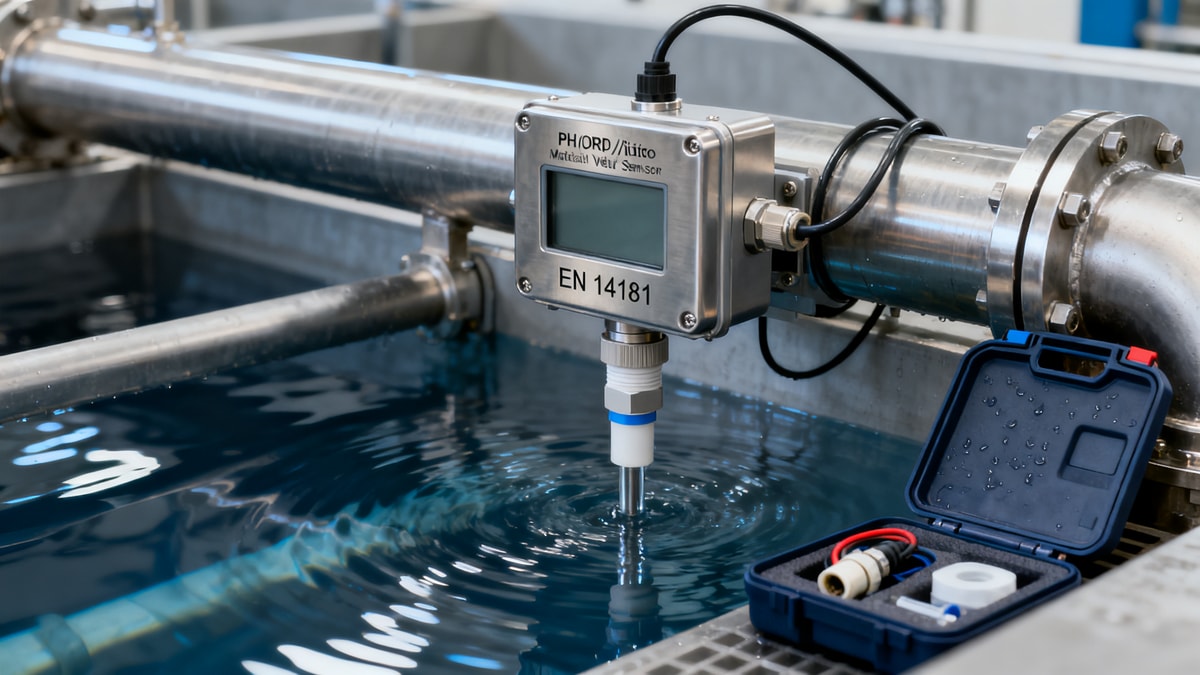
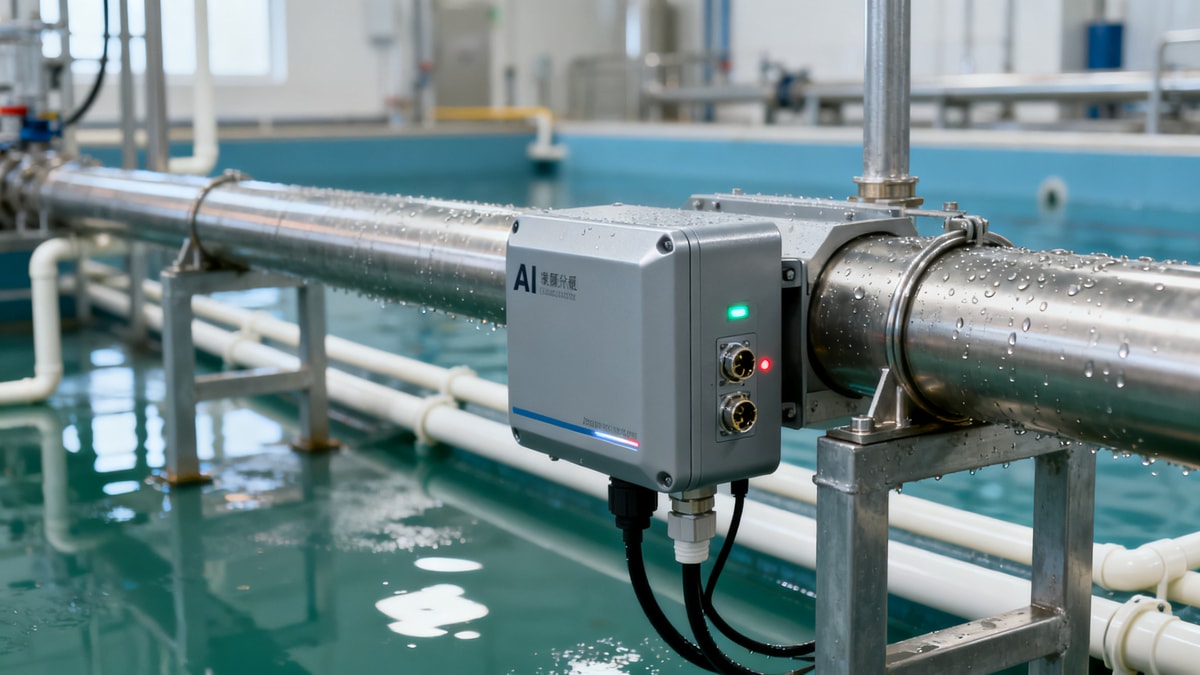
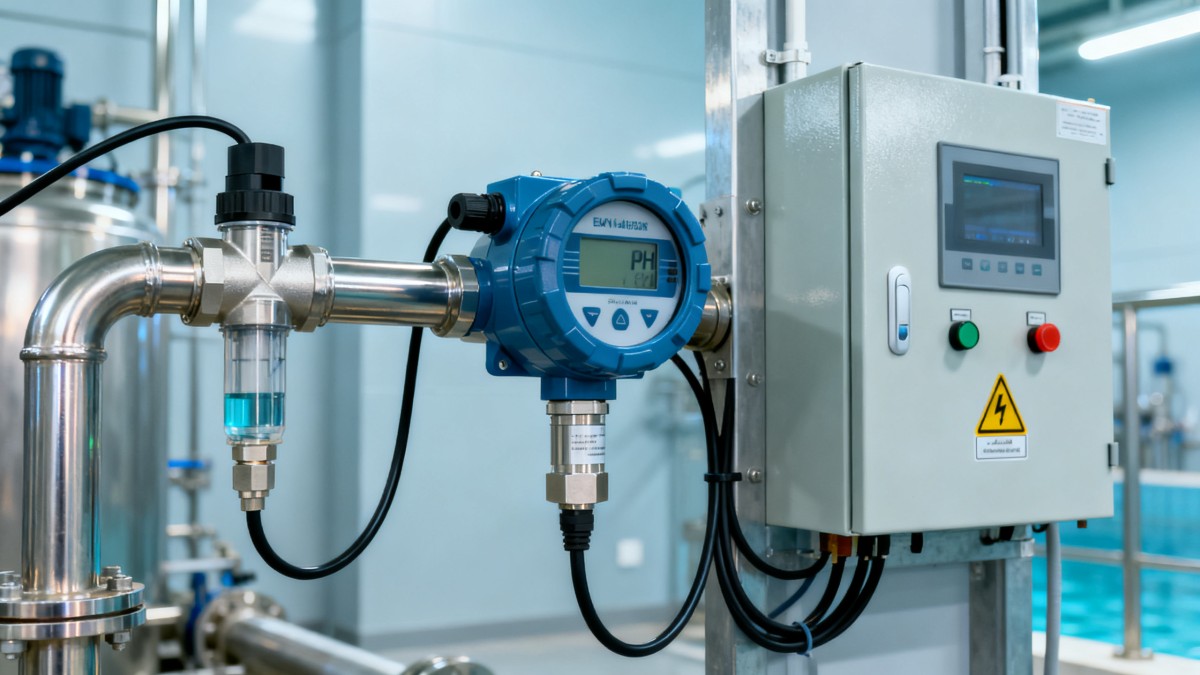
Effective 1 May 2026, the Emirates Authority for Standardization and Metrology (ESMA) has mandated EN 14181 QA/QC Level 3 on-site performance verification for all online water quality sensors used in municipal and industrial water treatment systems — including pH, residual chlorine, turbidity, and COD modules. This requirement directly impacts exporters, system integrators, and commissioning stakeholders operating in or supplying to the UAE water infrastructure market.
Event Overview
On 29 April 2026, ESMA announced that, starting 1 May 2026, all online water quality sensors deployed in municipal and industrial water treatment systems in the UAE must complete EN 14181 Quality Assurance/Quality Control (QA/QC) Level 3 on-site performance verification. A yearly certification report issued by an ESMA-authorized laboratory is required for compliance. The announcement applies specifically to pH, residual chlorine, turbidity, and COD sensor modules.
Industries Affected by Segment
Direct Exporters of Water Treatment Equipment
Chinese manufacturers and exporters supplying online water sensors or integrated monitoring systems to UAE projects are directly affected. Without prior local calibration and third-party validation under EN 14181 Level 3, delivered units risk rejection during on-site installation and commissioning.
System Integrators & EPC Contractors
Firms responsible for integrating sensors into larger water treatment plants or smart infrastructure projects face increased pre-commissioning verification burdens. Non-compliant sensors may delay handover, trigger contractual penalties, and block milestone payments tied to operational readiness.
Aftermarket & Calibration Service Providers
Local service providers offering sensor maintenance, recalibration, or QA/QC support must now align their protocols with ESMA-recognized EN 14181 Level 3 procedures. Demand for accredited on-site verification services is expected to rise, but only ESMA-authorized labs may issue valid reports.
Key Points for Enterprises and Practitioners to Monitor and Act On
Track official ESMA-authorized laboratory listings
ESMA has not publicly released the full list of authorized laboratories as of the announcement date. Enterprises should monitor ESMA’s official portal for updates and confirm lab accreditation status before scheduling verification.
Prioritize sensor models deployed in UAE municipal and industrial contracts
Not all sensor types or applications fall under this mandate — only those installed in operational municipal or industrial water treatment systems. Companies should audit current and upcoming project scopes to identify which deployments require Level 3 verification.
Distinguish between regulatory signal and enforceable requirement
The 1 May 2026 date marks formal enforcement; however, ESMA has not clarified transitional arrangements for equipment already installed or under procurement. Firms should treat newly signed contracts as subject to full compliance unless explicitly exempted in writing.
Prepare documentation and local calibration logistics ahead of delivery
EN 14181 Level 3 requires on-site testing under real operating conditions — meaning calibration and verification must occur after sensor installation, not at origin. Exporters and integrators should allocate time and budget for post-installation coordination with authorized labs.
Editorial Perspective / Industry Observation
Observably, this regulation signals a shift toward harmonized, EU-aligned QA/QC rigor in UAE environmental monitoring — moving beyond basic product conformity to demand verified field performance. Analysis shows it functions less as an isolated technical update and more as a structural alignment step with international best practices for continuous emissions/effluent monitoring. From an industry perspective, it reflects growing emphasis on data integrity in water infrastructure — where sensor reliability directly affects regulatory reporting, public health assurance, and asset performance tracking. Current enforcement timing suggests ESMA intends this to be operational from day one, not advisory; however, consistent interpretation across emirate-level authorities remains a point requiring ongoing observation.
Conclusion: This requirement establishes a new baseline for sensor deployment credibility in UAE water projects. It is not merely a certification checkbox, but a procedural gate tied to project acceptance and financial settlement. Enterprises are better advised to treat it as an embedded project phase — not a final compliance hurdle — and integrate verification planning into tender response, contract negotiation, and delivery scheduling.
Source: Emirates Authority for Standardization and Metrology (ESMA), official announcement dated 29 April 2026. Note: The list of ESMA-authorized laboratories and guidance on transitional cases remain pending publication and are subject to further official updates.
Technical Specifications
- Indonesia Opens Bearing & Seal Manufacturing to 100% FDIAuthor :Heavy Industry Strategist
- SASO Extends AI Water Module Cybersecurity Deadline to Oct 2026Author :Environmental Engineering Director
- Copper Price Surges 4.1% to Record High in 2026; Impacts BOM Costs for Cable & Transformer MakersAuthor :Grid Infrastructure Analyst
Expert Insights

Chief Security Architect
Dr. Thorne specializes in the intersection of structural engineering and digital resilience. He has advised three G7 governments on industrial infrastructure security.
Related Analysis
- May 02, 2026Indonesia Opens Bearing & Seal Manufacturing to 100% FDIAuthor :Heavy Industry Strategist
- May 02, 2026SASO Extends AI Water Module Cybersecurity Deadline to Oct 2026Author :Environmental Engineering Director
- May 02, 2026Copper Price Surges 4.1% to Record High in 2026; Impacts BOM Costs for Cable & Transformer MakersAuthor :Grid Infrastructure Analyst
Core Sector // 01
Security & Safety
- SASO Extends AI Water Module Cybersecurity Deadline to Oct 2026Author :Environmental Engineering Director

- Egypt SMIIC Mandate: Arabic Energy Labels for Industrial Pumps Effective May 2026Author :Environmental Engineering Director

- UAE ESMA Enforces EN 14181 QA/QC Level 3 for Industrial Water SensorsAuthor :Environmental Engineering Director

- ESMA Mandates EN 14181 QA/QC Level 3 for Industrial Water Sensors in UAEAuthor :Environmental Engineering Director

- SASO Extends AI Water Quality Module Compliance to Oct 2026Author :Environmental Engineering Director

- Egypt SMIIC Enforces Arabic Energy Labeling for Industrial Pumps from May 2026Author :Environmental Engineering Director

- SCFI Hits 21-Month High: Shanghai–LA Freight Surges to $3,920/TEUAuthor :Environmental Engineering Director

- China’s New Hazardous Chemicals Safety Law Takes Effect May 1, 2026Author :Environmental Engineering Director