Indonesia Opens Bearing & Seal Manufacturing to 100% FDI
Author
Date Published
Reading Time
On April 28, 2026, Indonesia’s Investment Coordinating Board (BKPM) issued Regulation No. 12/2026, removing industrial bearings and mechanical seals from the Negative Investment List—allowing full foreign ownership in local manufacturing. This development directly impacts global bearing suppliers, ASEAN-focused OEMs, and exporters serving Southeast Asian industrial markets.
Event Overview
On April 28, 2026, the Indonesia Investment Coordinating Board (BKPM) published Regulation No. 12/2026, formally lifting foreign equity restrictions for the manufacture of industrial bearings and mechanical seals. Under this regulation, foreign investors may now establish wholly owned manufacturing entities in Indonesia without local partnership requirements.
Which Subsectors Are Affected
Direct Exporters of Bearings & Seals
These companies face intensified competitive pressure as foreign-owned Indonesian plants gain tariff-advantaged access to ASEAN markets under existing trade agreements. Impact manifests in pricing dynamics, lead time expectations, and regional customer preference shifts toward locally produced goods.
Original Equipment Manufacturers (OEMs) Sourcing Components in ASEAN
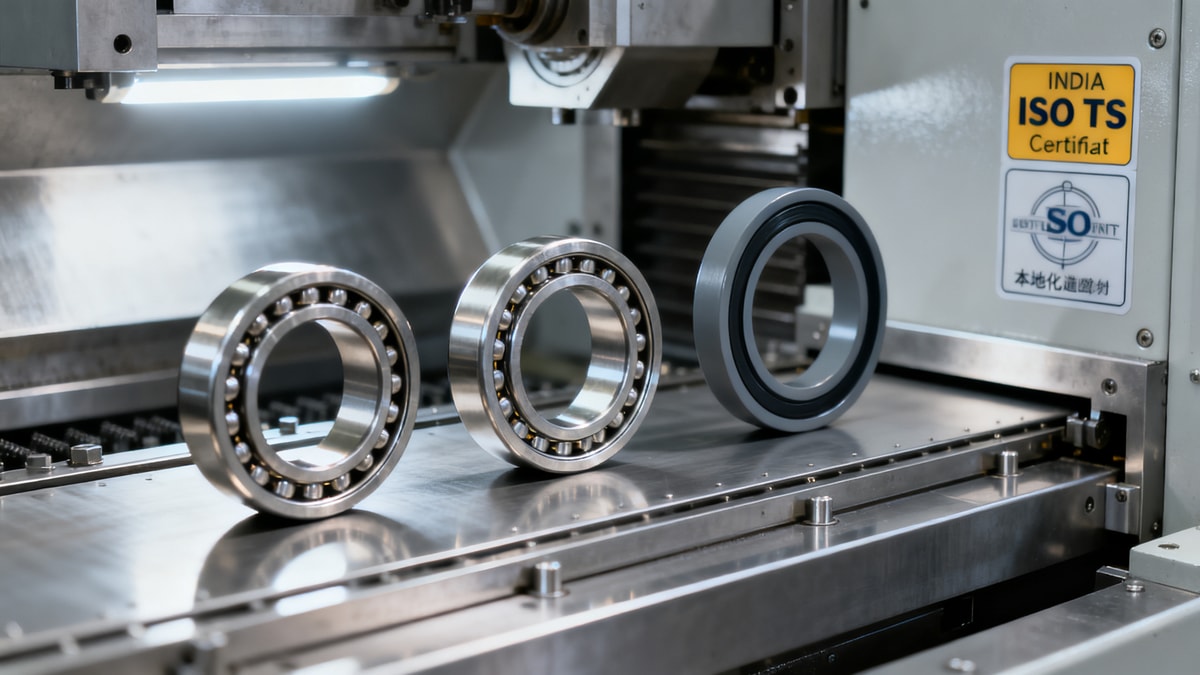
OEMs operating in Indonesia or neighboring countries may accelerate localization of critical rotating equipment components. Impact includes revised supplier qualification timelines, increased demand for ISO/TS-certified local production capacity, and potential renegotiation of landed-cost benchmarks.
Contract Manufacturers & Tier-2 Component Suppliers
Firms providing machining, heat treatment, or precision assembly services for bearings/seals may see inbound inquiry volume rise—but only if aligned with BKPM’s priority criteria (e.g., technology transfer, domestic workforce training, or export orientation). Impact centers on qualification readiness and compliance documentation.
Supply Chain & Logistics Providers Serving Industrial Goods
Providers handling cross-border movement of raw materials (e.g., bearing steel, ceramic seal blanks) or finished components may observe route adjustments—from China-to-ASEAN direct shipments toward China-to-Indonesia-inland-distribution models. Impact appears first in customs classification patterns and bonded warehouse utilization trends.
What Relevant Companies or Practitioners Should Focus On Now
Monitor BKPM’s Implementation Guidelines and Sector-Specific Criteria
Regulation No. 12/2026 is effective upon issuance, but operational details—including definitions of ‘industrial bearings’ and ‘mechanical seals’, eligibility for tax incentives, and reporting obligations—are expected in supplementary technical circulars. Track BKPM’s official portal and Ministry of Industry notifications for updates through Q3 2026.
Assess Exposure by Product Category and Target Market
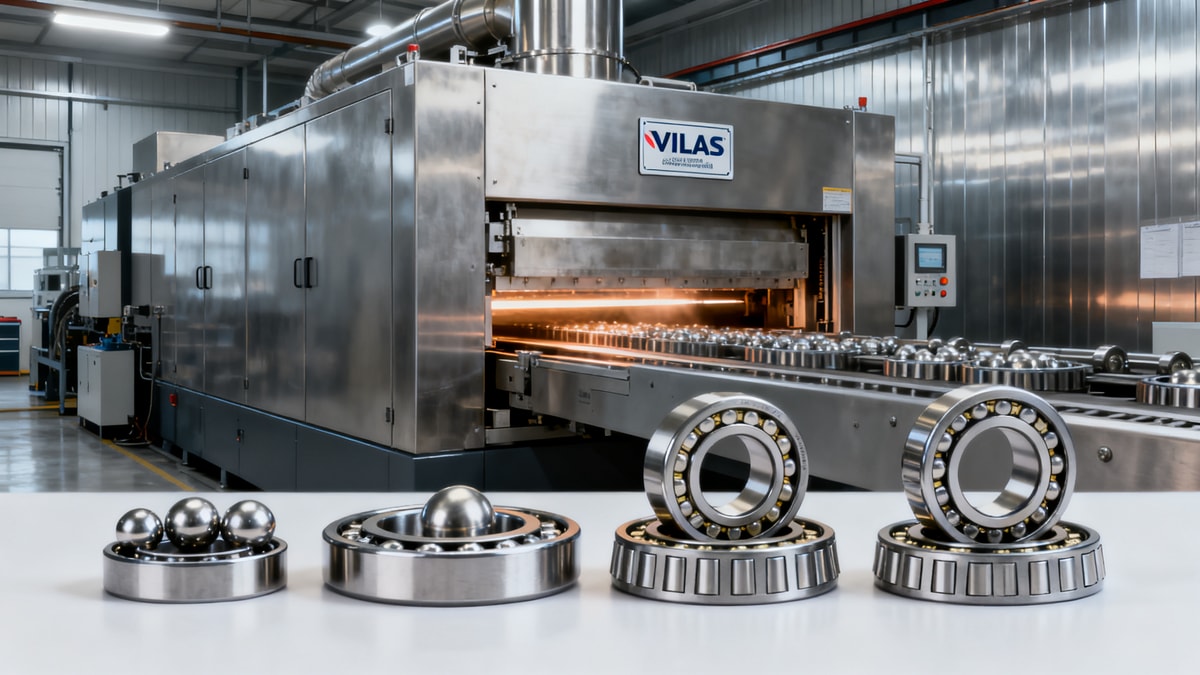
Not all bearing types are equally affected: the regulation applies specifically to industrial-grade rolling-element bearings (e.g., tapered roller, spherical roller) and non-lubricated mechanical face seals used in pumps, compressors, and power transmission systems—not consumer-grade or automotive aftermarket parts. Prioritize analysis on high-volume ASEAN-bound SKUs.
Distinguish Policy Signal From Operational Readiness
While 100% ownership is now permitted, actual factory setup—including land acquisition, environmental permits, and skilled labor sourcing—remains subject to provincial-level approvals and infrastructure constraints. Avoid conflating regulatory permission with immediate scalability; pilot-scale feasibility assessments remain essential before capital commitment.
Prepare Local Partnership or Compliance Support Infrastructure
Even fully foreign-owned entities must appoint a local legal representative, maintain BKPM-mandated reporting (e.g., quarterly investment realization data), and comply with Manpower Law provisions. Pre-vet local corporate secretarial, HR, and customs brokerage partners before initiating registration.
Editorial Perspective / Industry Observation
Observably, this move signals Indonesia’s strategic pivot toward deepening domestic value-add in intermediate industrial goods—not merely final assembly. It does not yet represent a broad-based liberalization across the entire machinery sector, nor does it override other regulatory layers (e.g., import licensing for raw materials or BSN certification for end products). Analysis shows the policy is best understood as a targeted enabler for investors already committed to ASEAN market integration, rather than a general invitation for greenfield diversification. Continued attention is warranted on how BKPM aligns this regulation with its broader National Industrial Development Strategy (2025–2045), particularly regarding technology transfer thresholds and export performance benchmarks.
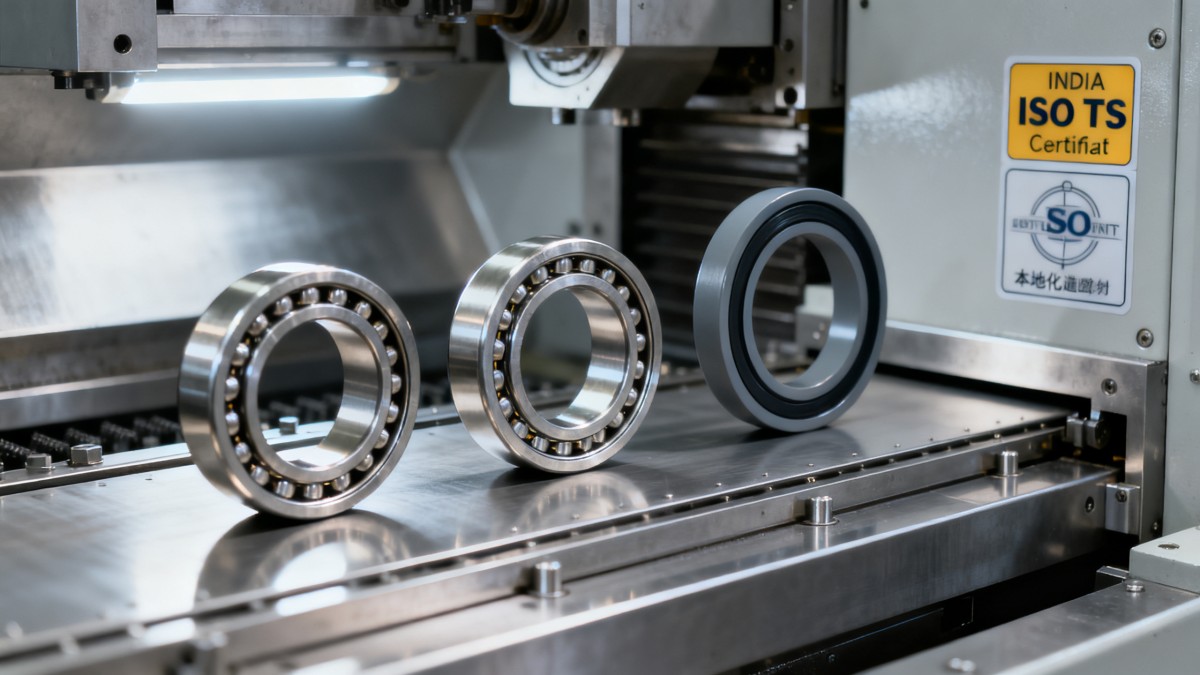
In summary, BKPM’s removal of foreign equity limits for bearings and seals marks a concrete step toward localized industrial supply chains in ASEAN—but its practical significance lies less in immediate market access and more in reshaping long-term sourcing architecture, competitive positioning, and compliance planning for firms engaged in rotating equipment ecosystems. It is more accurately interpreted as an institutional signal reinforcing regional manufacturing consolidation than as a standalone market-opening event.
Source: Indonesia Investment Coordinating Board (BKPM) Regulation No. 12/2026, effective April 28, 2026. Note: Implementation guidelines, product scope clarifications, and incentive conditions remain pending formal publication and are subject to ongoing observation.
Technical Specifications
- Indonesia Opens Bearing & Seal Manufacturing to 100% FDIAuthor :Heavy Industry Strategist
- SASO Extends AI Water Module Cybersecurity Deadline to Oct 2026Author :Environmental Engineering Director
- Copper Price Surges 4.1% to Record High in 2026; Impacts BOM Costs for Cable & Transformer MakersAuthor :Grid Infrastructure Analyst
Expert Insights

Chief Security Architect
Dr. Thorne specializes in the intersection of structural engineering and digital resilience. He has advised three G7 governments on industrial infrastructure security.
Related Analysis
- May 02, 2026Indonesia Opens Bearing & Seal Manufacturing to 100% FDIAuthor :Heavy Industry Strategist
- May 02, 2026SASO Extends AI Water Module Cybersecurity Deadline to Oct 2026Author :Environmental Engineering Director
- May 02, 2026Copper Price Surges 4.1% to Record High in 2026; Impacts BOM Costs for Cable & Transformer MakersAuthor :Grid Infrastructure Analyst
Core Sector // 01
Security & Safety
- Indonesia Opens Bearing & Seal Manufacturing to 100% FDIAuthor :Heavy Industry Strategist

- Vietnam’s MOIT Mandates VILAS-Certified Heat Treatment Reports for Bearing ImportsAuthor :Heavy Industry Strategist

- ILAC Recognizes CNAS Bearing Vibration ReportsAuthor :Heavy Industry Strategist

- Indonesia Opens Bearings & Seals Sector to 100% Foreign OwnershipAuthor :Heavy Industry Strategist

- Vietnam Requires VILAS-Certified Heat Treatment Reports for Imported BearingsAuthor :Heavy Industry Strategist

- 2026 China Bike Expo Opens in Shanghai: Lightweight Bearings, Smart Locks, Carbon Frames Drive Export GrowthAuthor :Heavy Industry Strategist

- LME Nickel Surges 5.2% on April 29, 2026: Impact on Stainless Bearings & SealsAuthor :Heavy Industry Strategist

- ILAC Recognizes CNAS Bearing Vibration ReportsAuthor :Heavy Industry Strategist